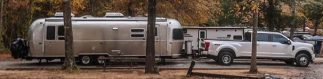

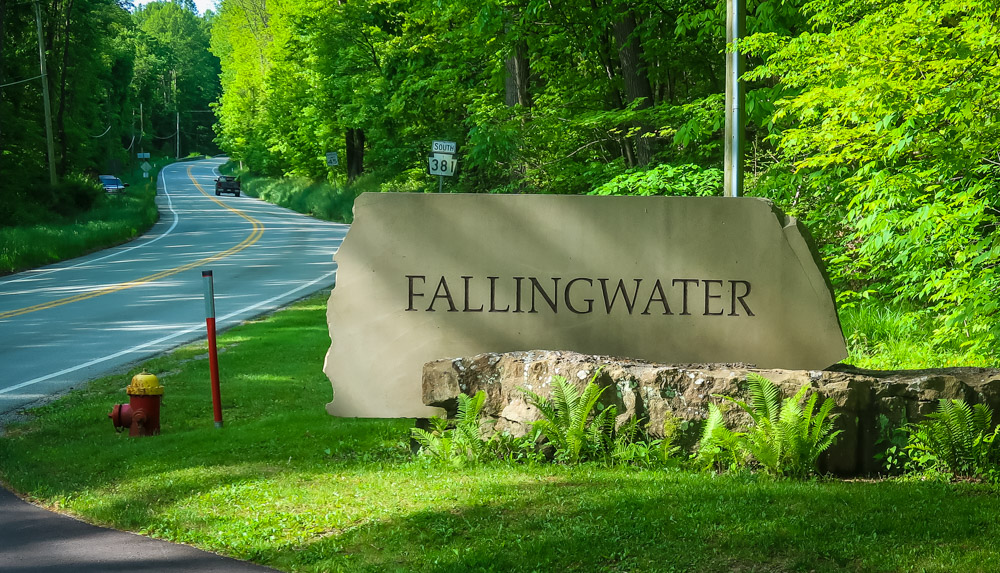
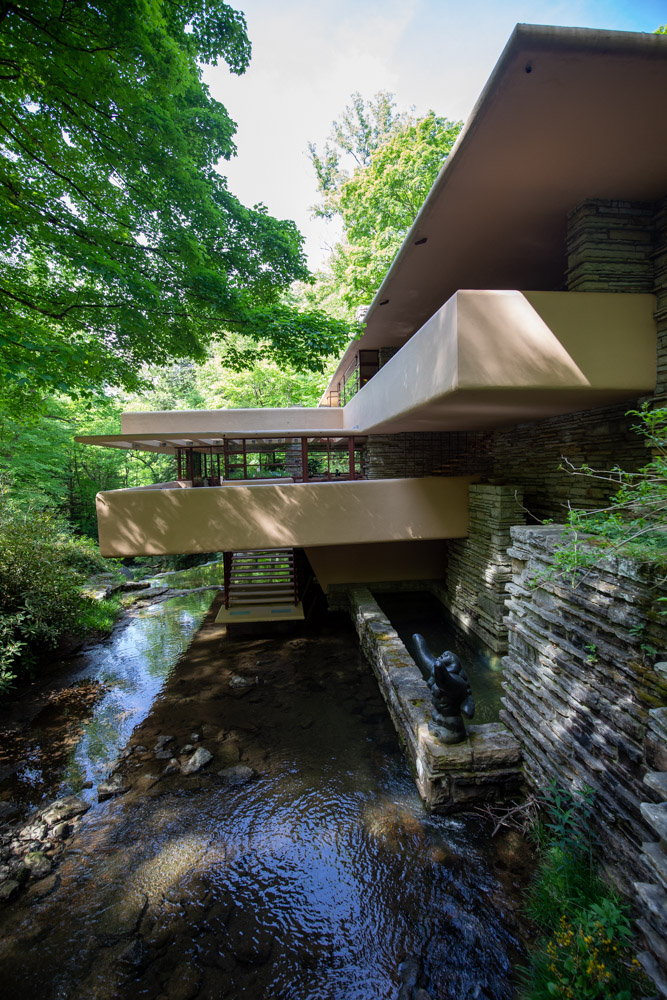
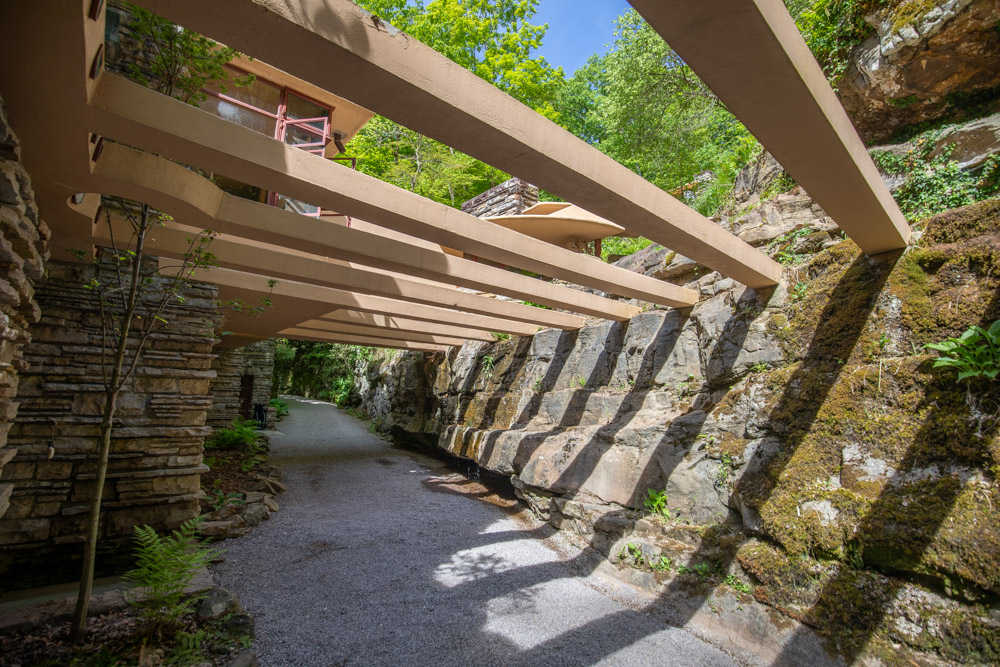
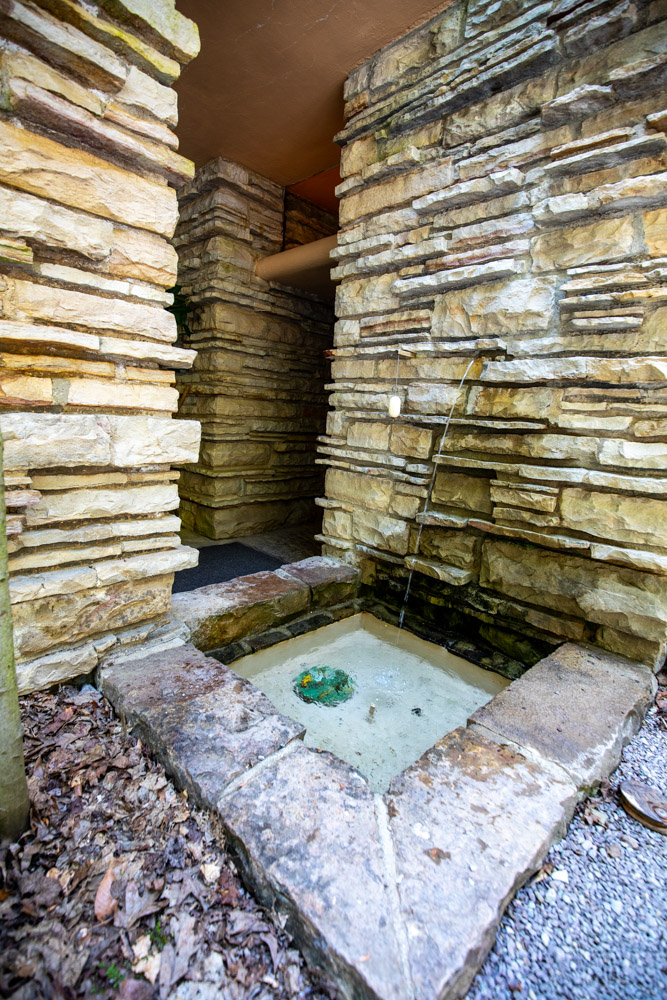
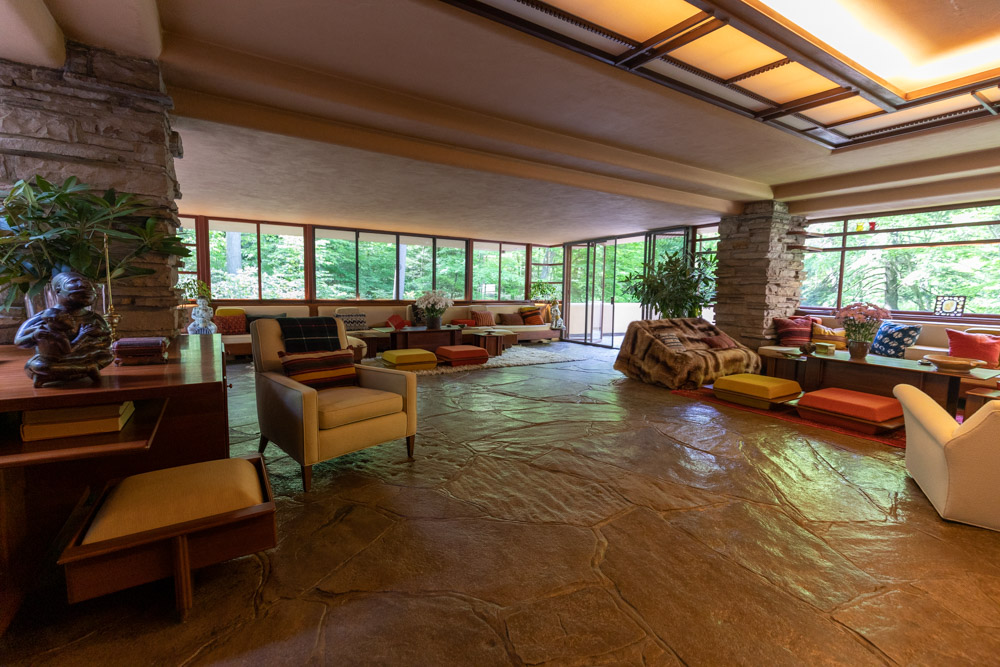
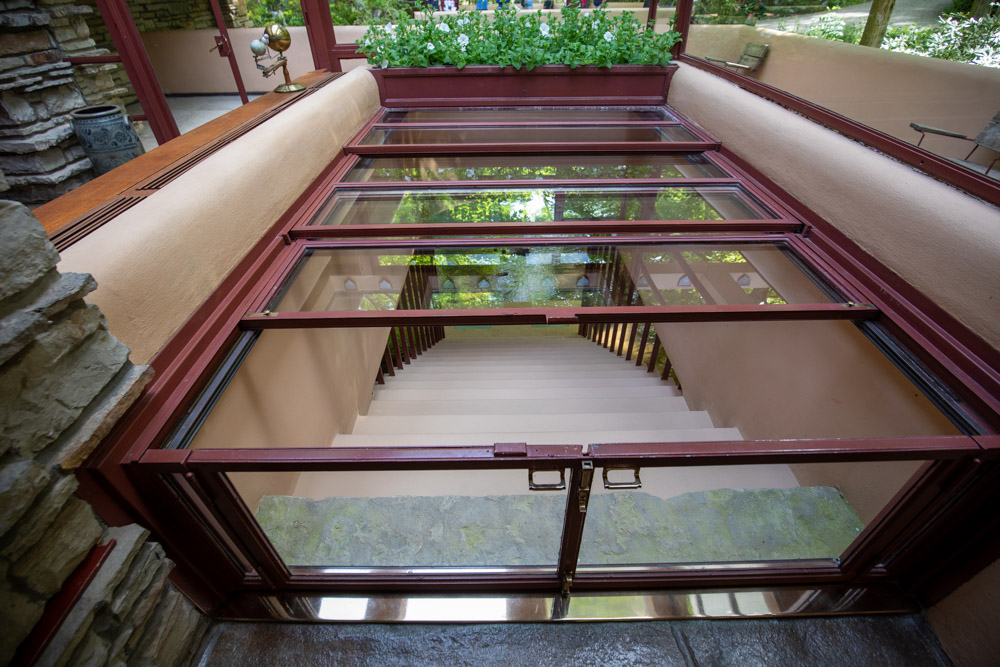
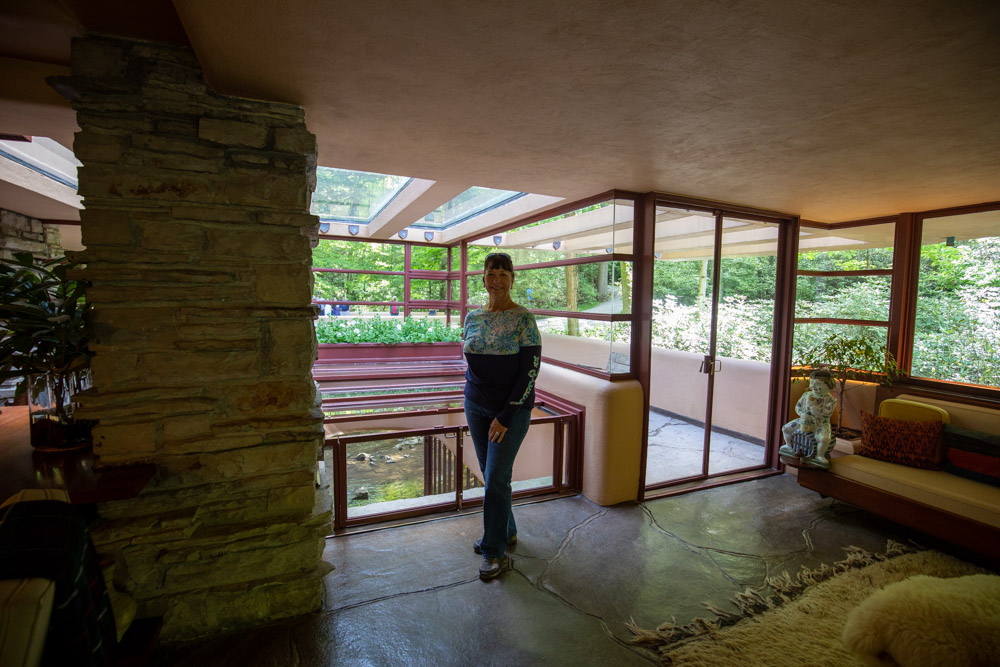
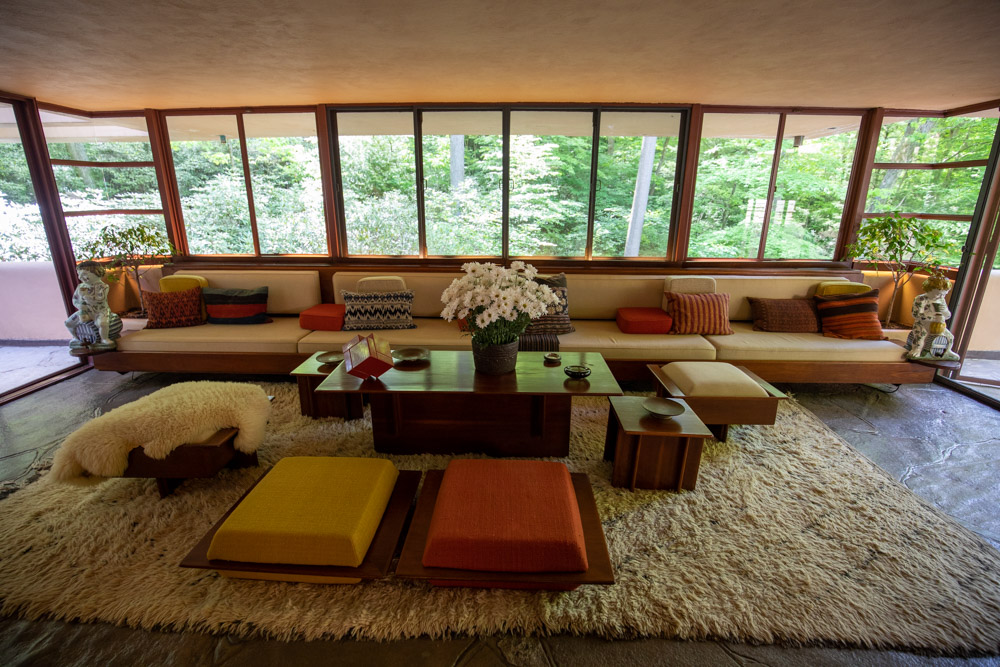
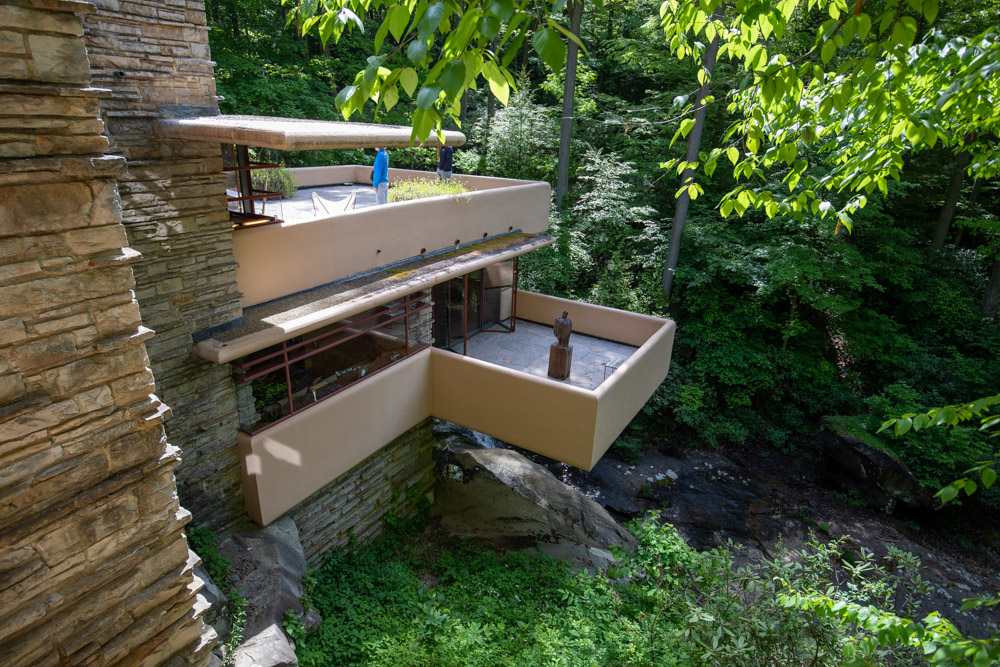
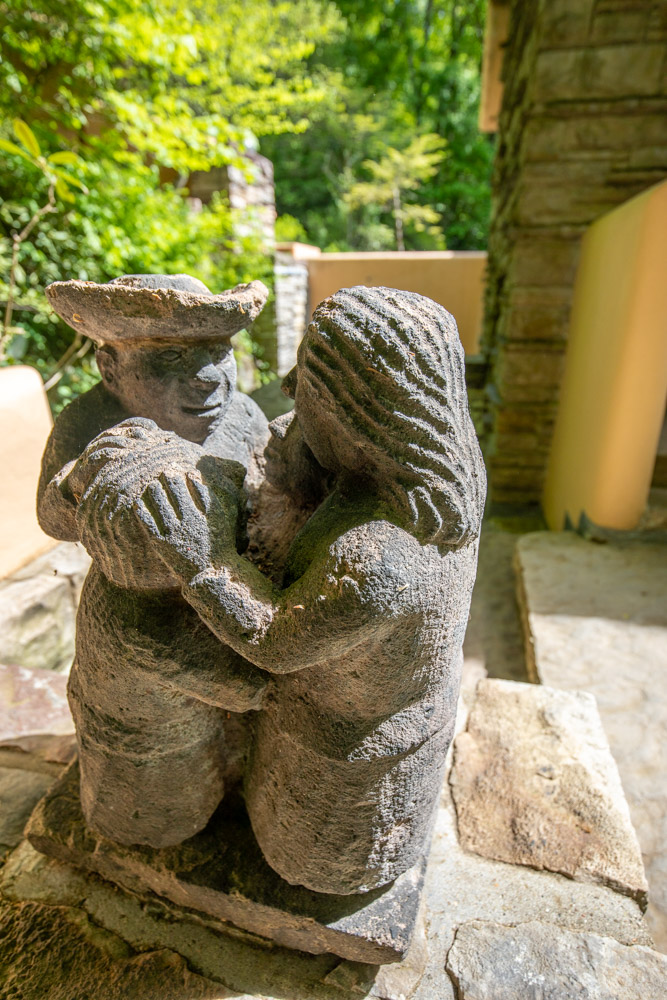
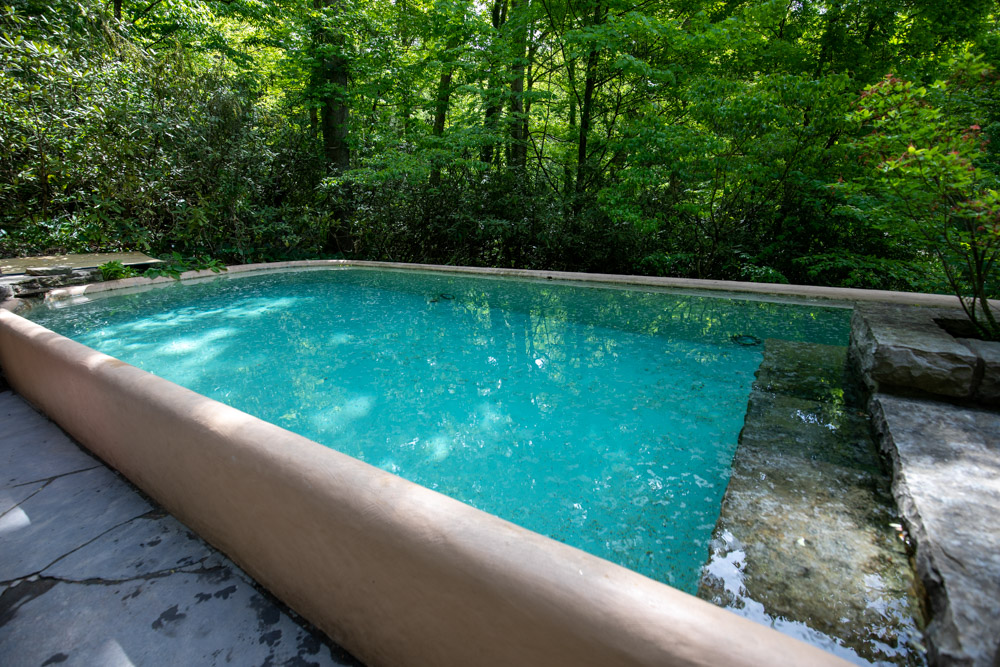
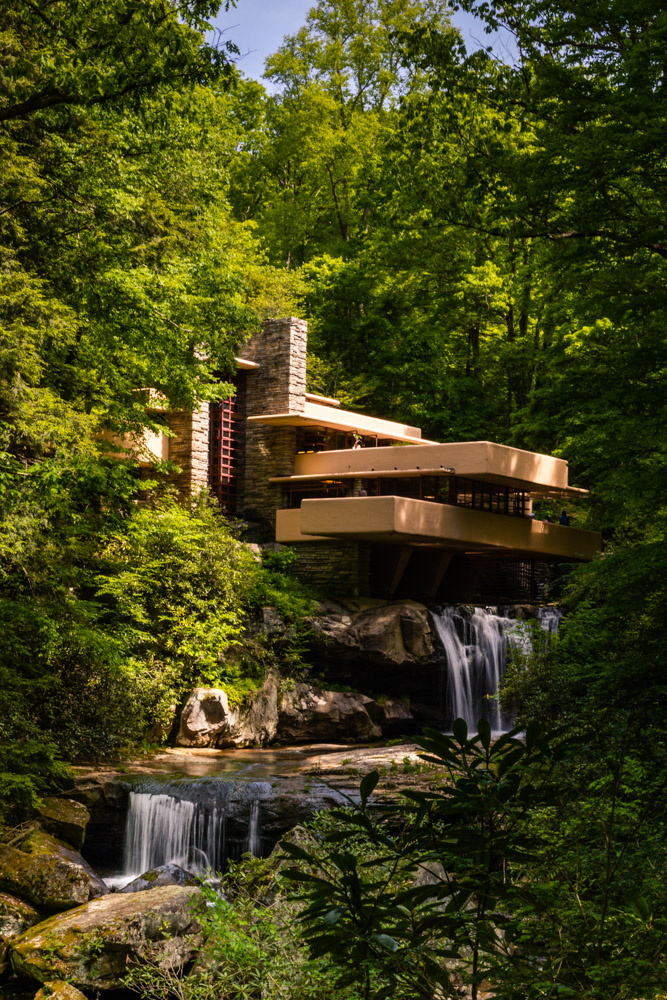
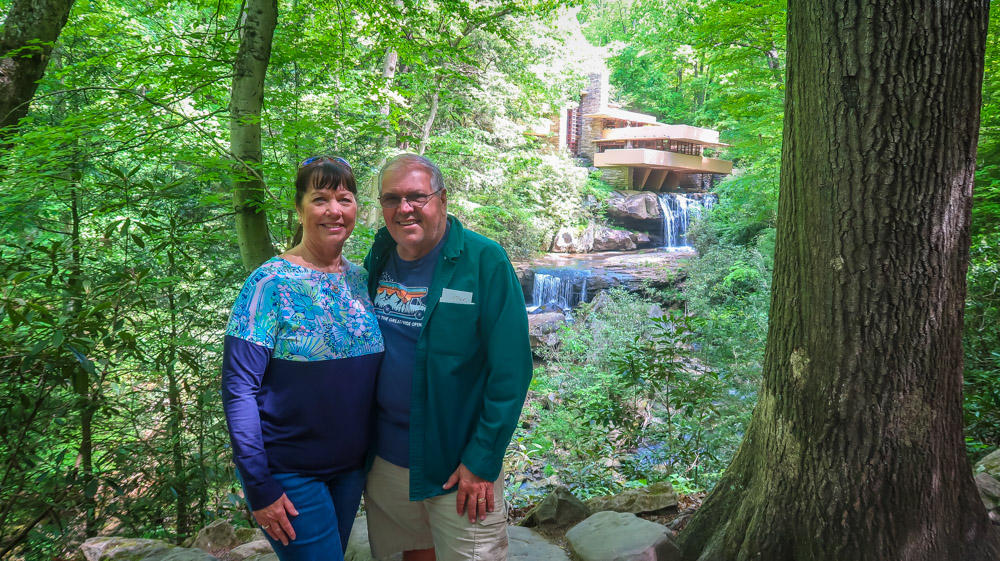
Day 2~ Saturday-7:45 am 51*– had a quick breakfast, showered, dressed & truck packed and on the road at 8:45! Our 1st adventure was at Fallingwater. Architect Frank Lloyd Wright’s creation. We had tickets for the 9:40 tour. All checked in and had time to walk through the museum, art gallery and shop. Then enjoyed the 2 hour tour of the grounds and of the spectacular house. Maybe the most spectacular home we have ever toured. Crazy since it was built as a summer home for 3. Built on boulders and has a stream going through. It it kept the house very cool all year long.
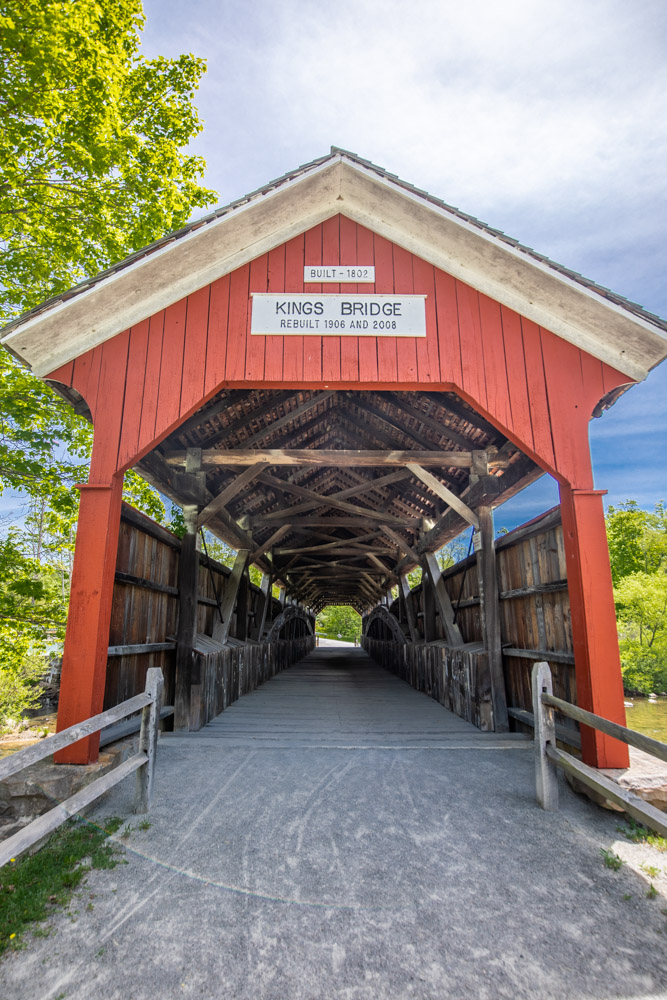
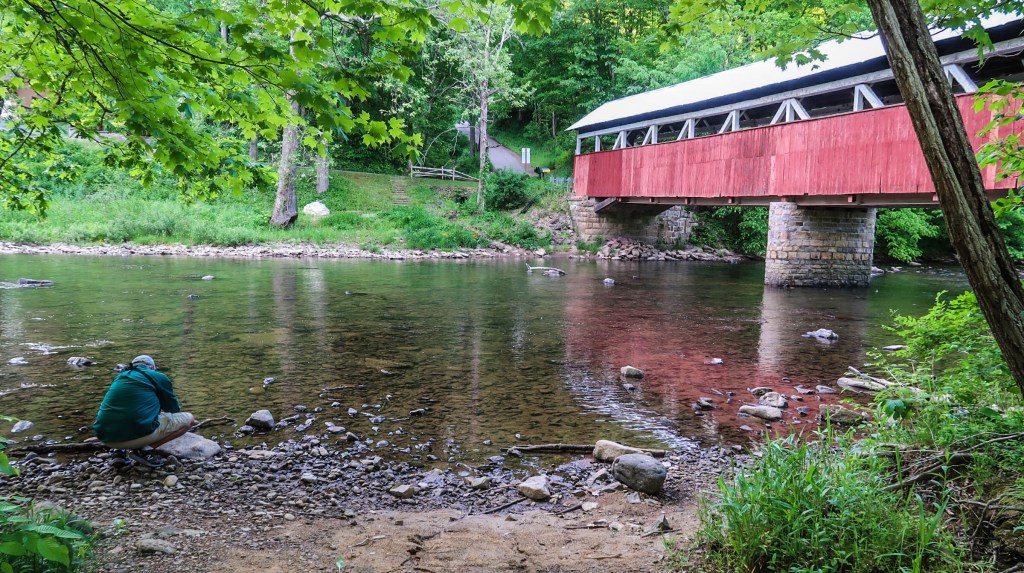
2nd adventure of the day – we found the Kings Covered Bridge-the oldest covered bridge. Walked through to the other side, amazed by the trusses and the details! Along the water I saw 2 snakes 🐍 swimming towards me so I hightailed 🏃🏽♀️it back across through the bridge. As we drove through the old countryside roads, lots of corn, wheat, & hay fields and windmills across the mountains. Stopped at a Sheetz gas station for our Diet Coke’s.🥤Reminds us of WaWa”s.
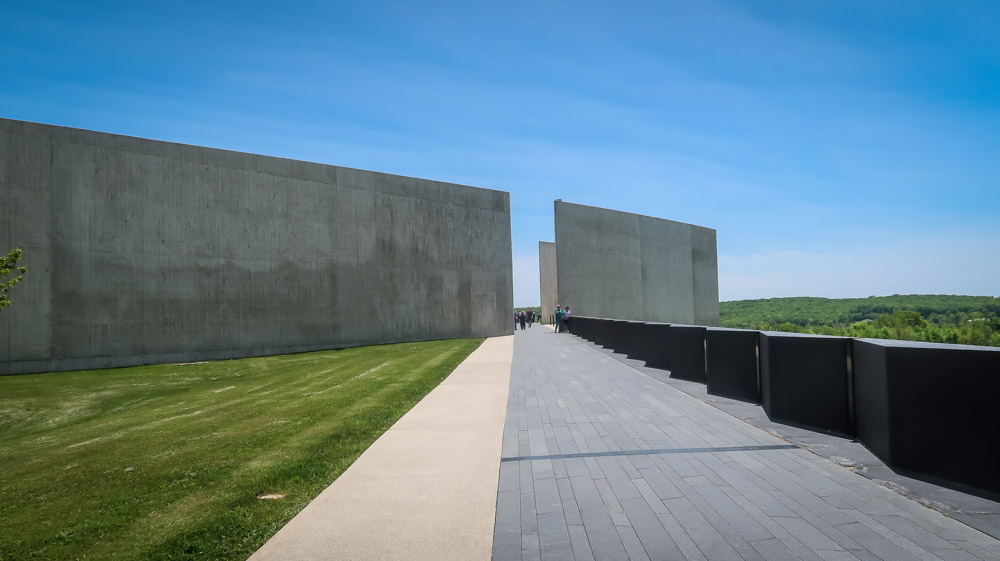
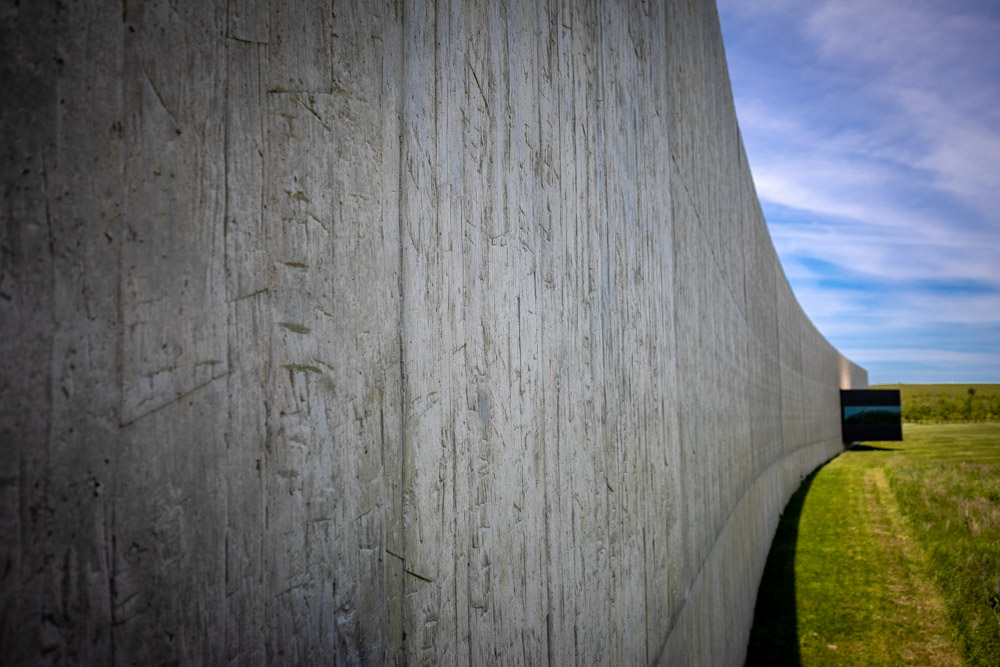
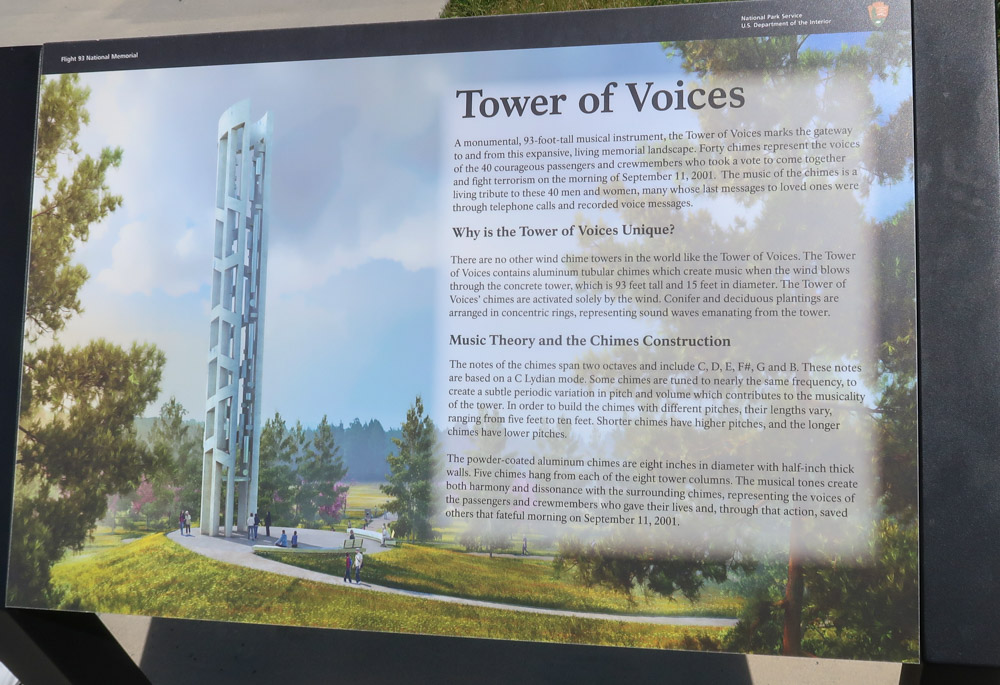
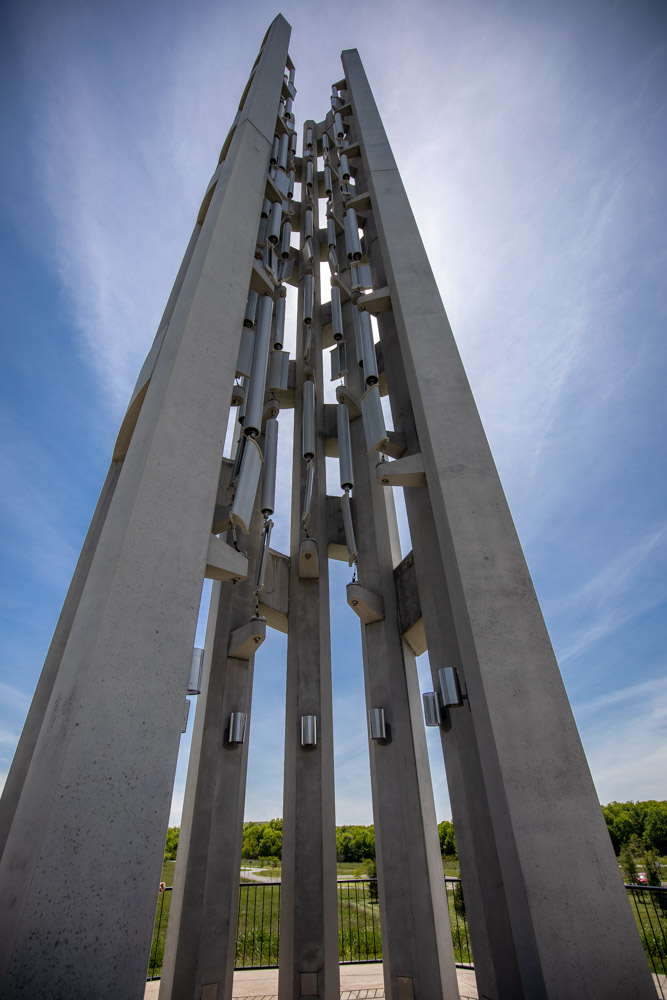
Next adventure was to the Flight 93 Memorial. Such a well done memorial to the passengers & crew like nothing we’ve ever seen before. We listened to the recordings from 3 passengers that were made before the crash to family’s, looked at every display inside the visitor center. There wasn’t a dry eye in there. As you look out from the visitor center down at the crash site it was built so you could be looking at the path of the plane as it went down. Then walked down to the crash site and to the Tower of Voices. As we walked around it a gust of wind came up and talk about a chilling experience as the chimes rang out!
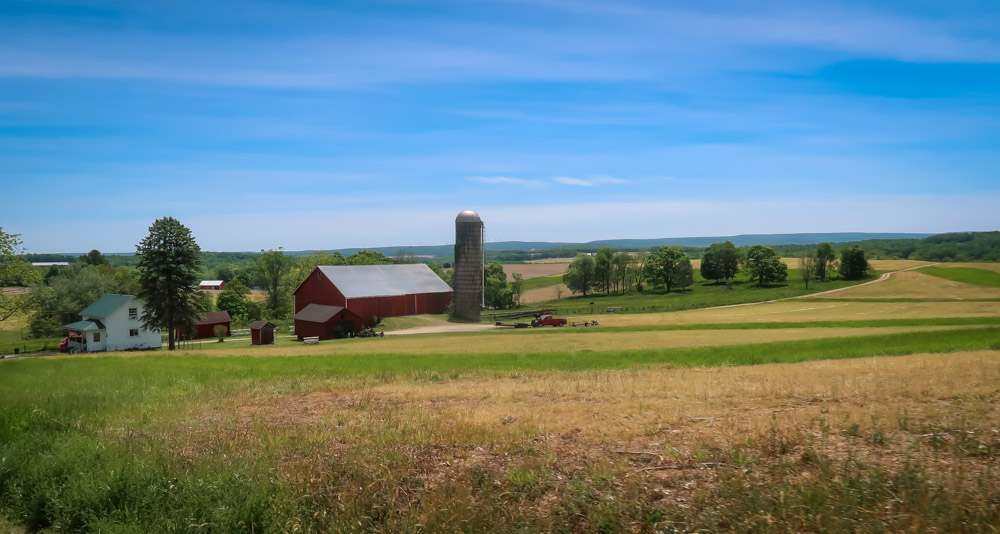
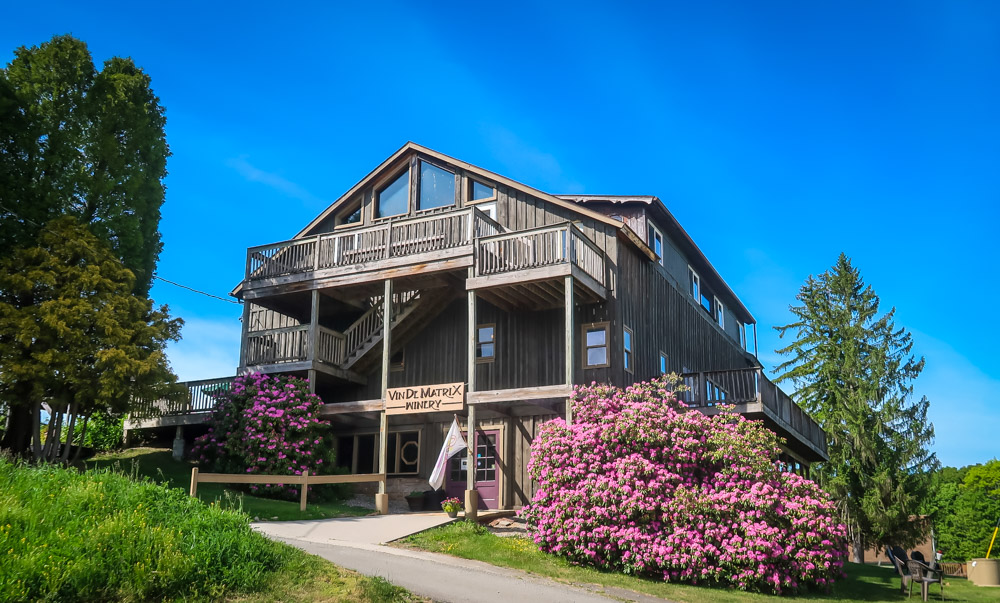
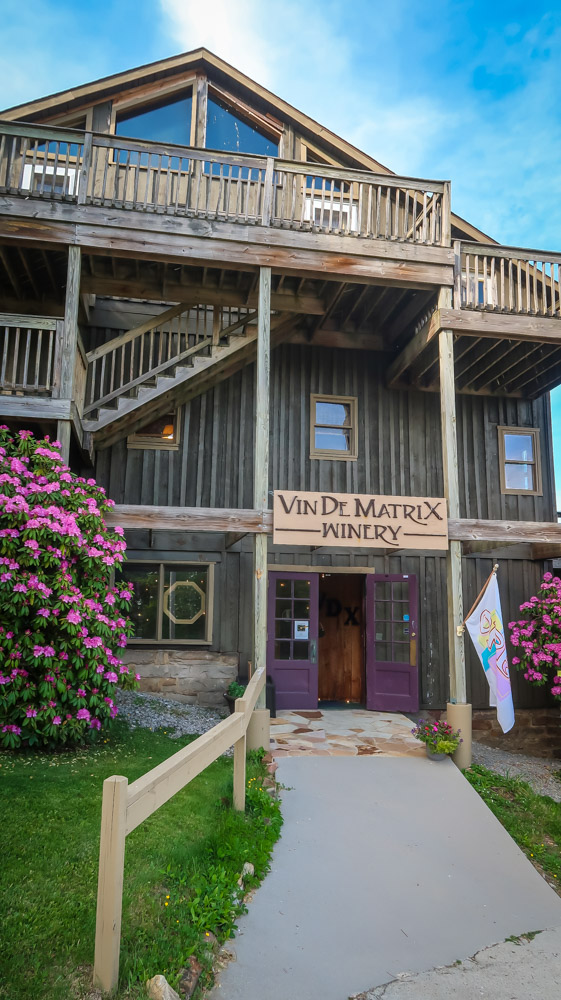
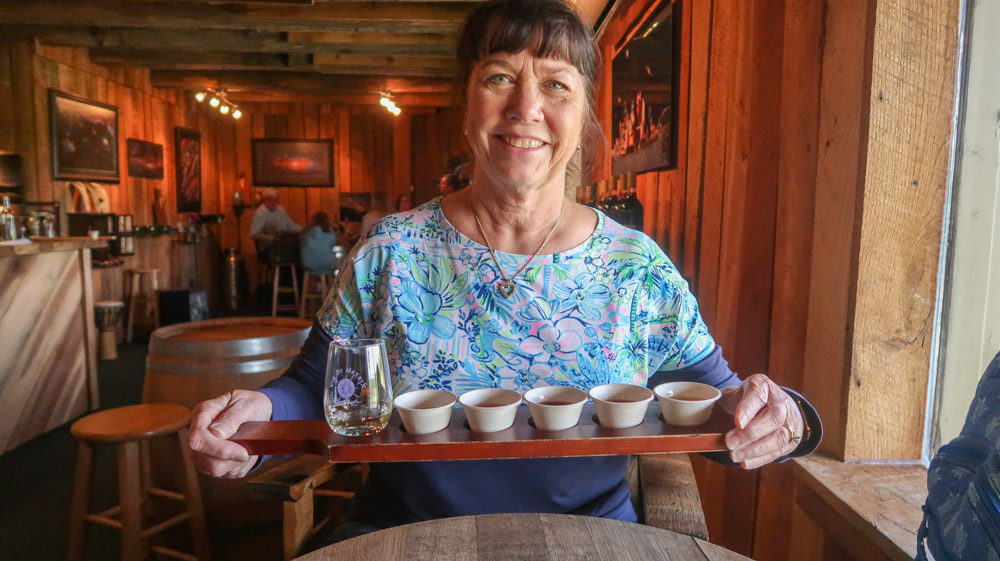
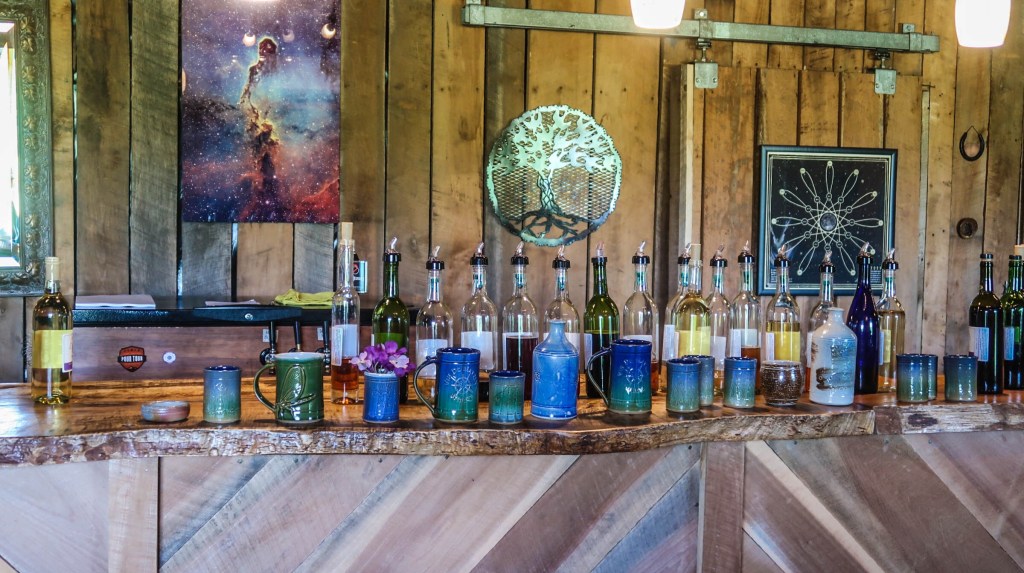
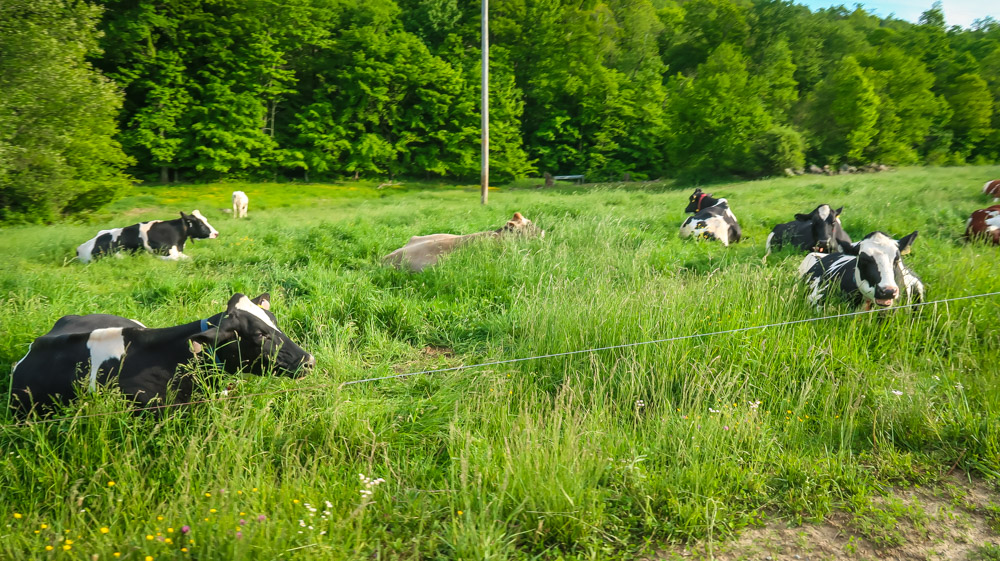
Now we needed to decompress! Stopped at Walmart for a few supplies. As we traveled the country roads, fields of cows, goats & sheep. 🐂🐐🐑Lo and behold a Winery! Yup you know we stopped. I tried a Flight of 6 wines for $5.00 and got to keep the glass! I then got a big girl glass of their Sangria on tap! 🍷Amazing! Tim tried the Red Giant & Serious Red! 🍷This winery is run by a husband & wife who were the nicest couple. They make up fresh charcuterie boards as you order them so of course we had to try one. (Bread, cheeses, olives, hummus, mustard sauce, pimento red dip and their own marina sauce made with their serious wine).🧀 It was so good we bought 2 jars of it!🥫
On our way back to the campground we found another covered bridge. Lower Humbert Covered Bridge. Way too cool. Google now decided to take us on some more back country roads….Chicken Bone Road & Turkey Foot Road! 🤣😂 Now back at the camper, we unpacked our treasures, made dinner then relaxed for it was a long day. 129 miles traveled today.
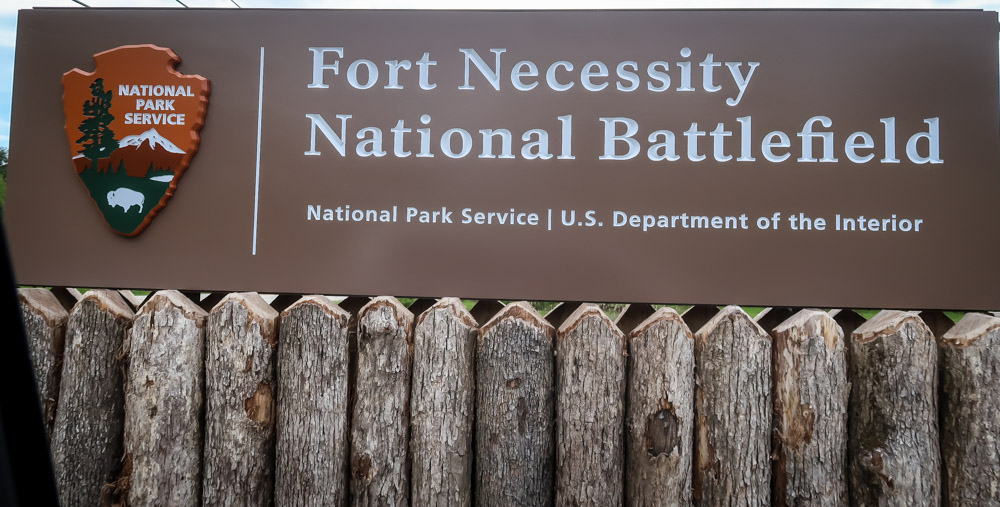
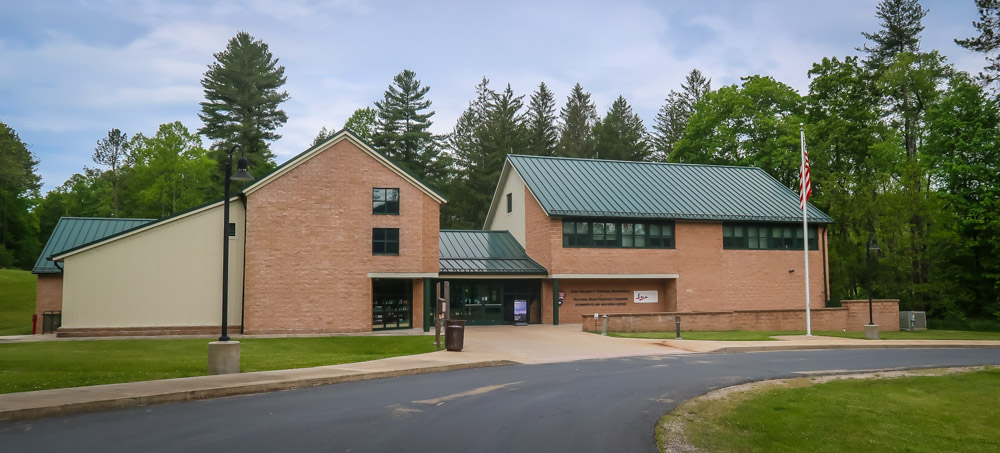
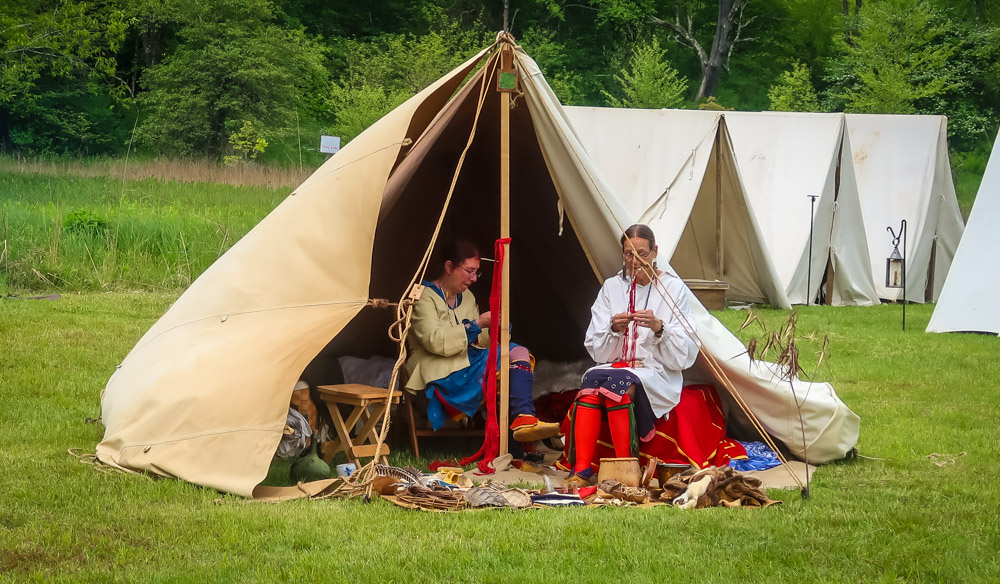
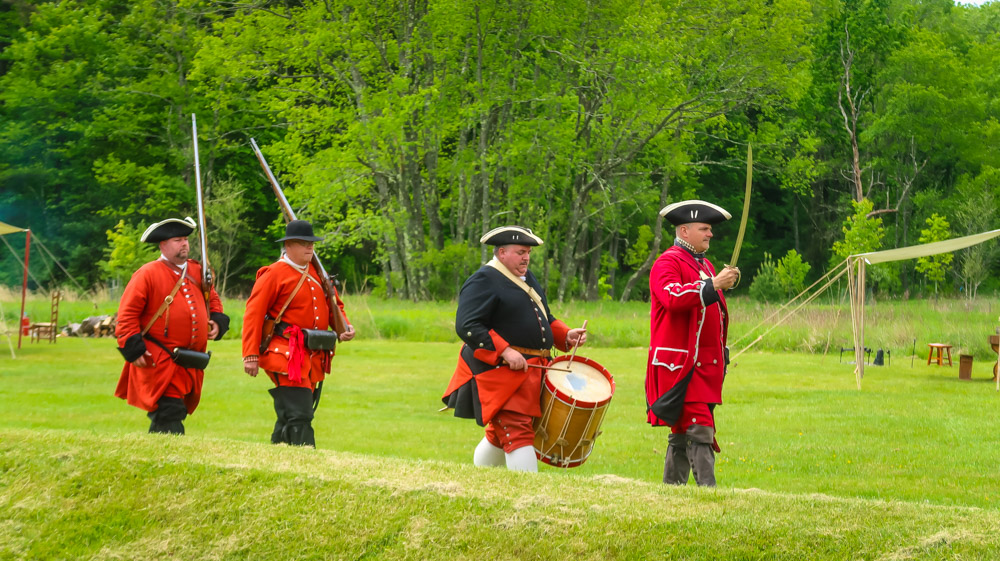
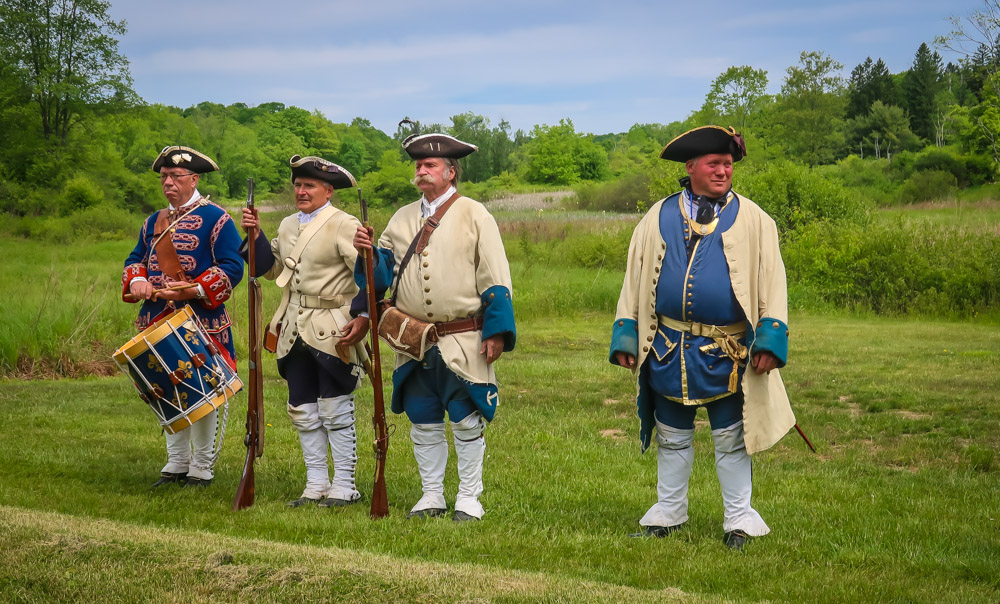
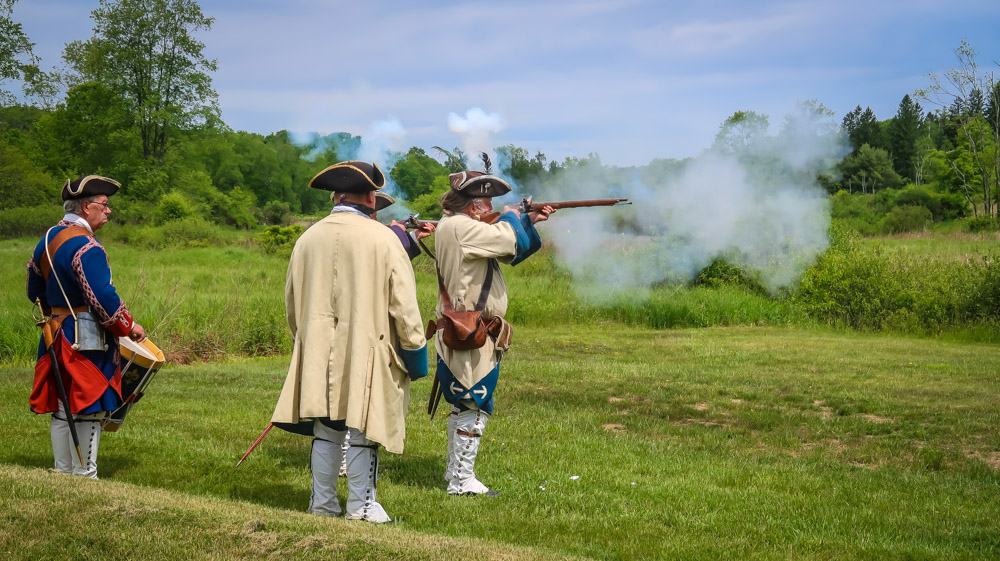
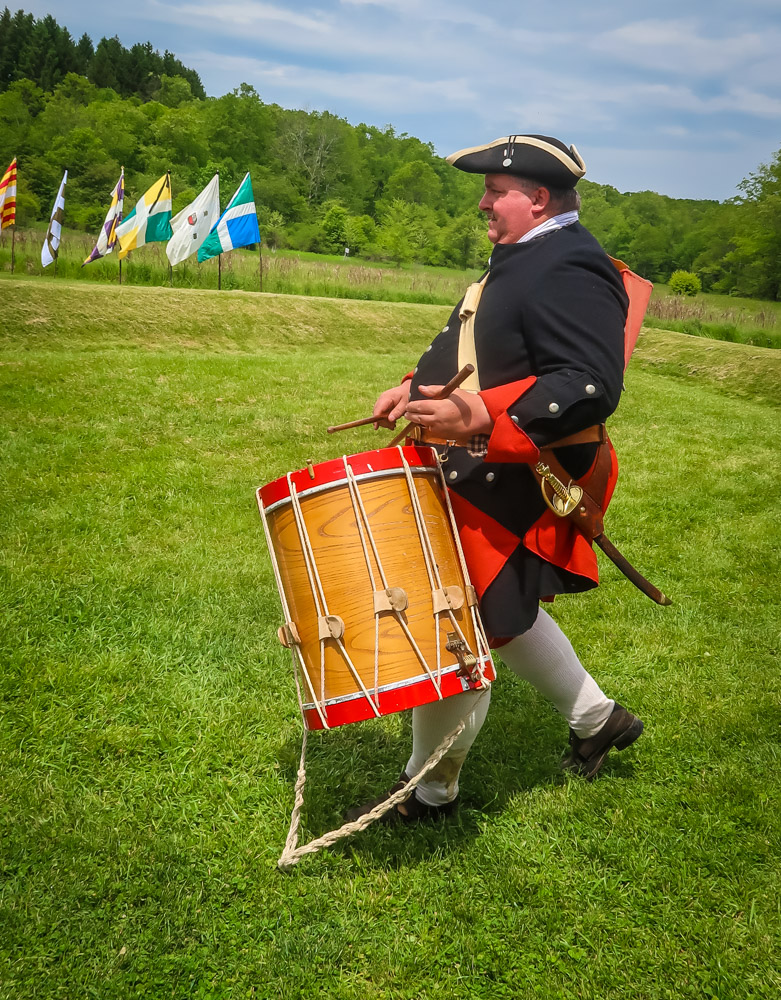
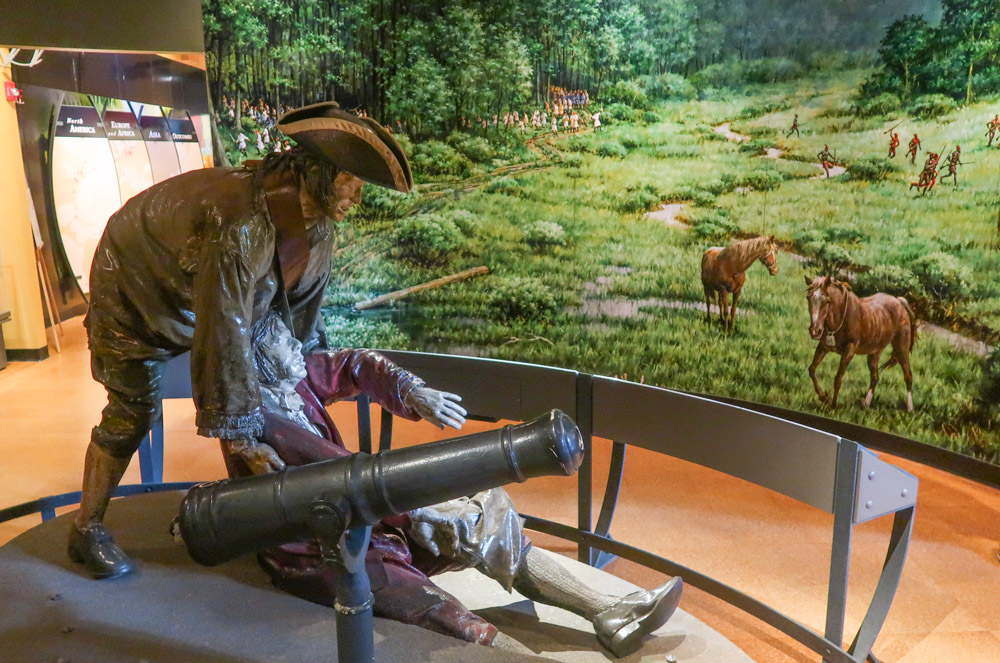
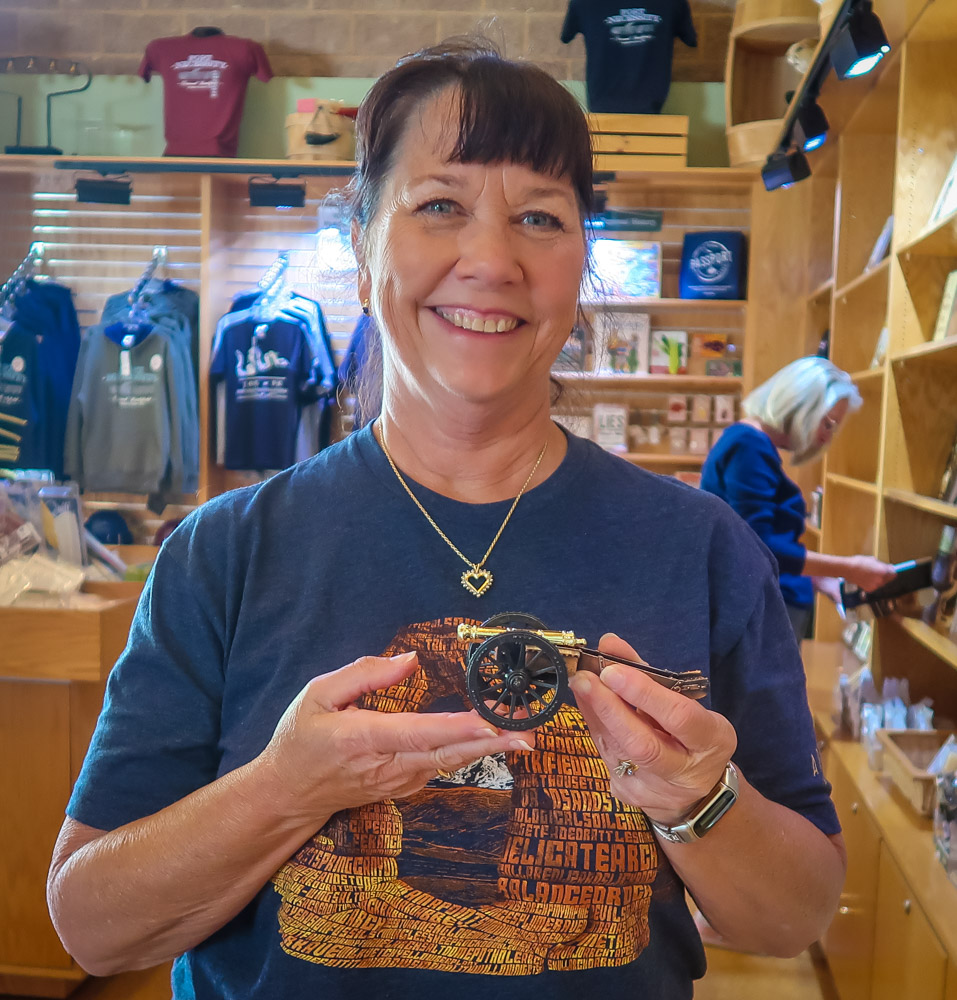
Sunday, May 28th, 2023 – 55*@ 8am We enjoyed a relaxing morning with our coffee, tea and bowl of cereal with fresh fruit. By 10:30 we were out the door ready to explore again. Yup more history! 70* and such a beautiful sunny day. We arrived at Fort Necessity and as we entered the visitor center the ranger told us to head out to the battlefield right away because once a year for Memorial Day weekend they have a re-enactment. We listened to a ranger talk about the area, the fort, and the battle. What a surprise to see a re-enactment without planing it. We listed to a ranger do a quick history of the area and then headed down to the fort to see the re-enactment. The soldiers from the British and the French were dressed in period uniforms with all the guns and swords. So amazing. They marched, lined up and fired their black powder guns. It took over a minute to reload their guns and they fired again. It was a fun experience. After the re-enactment was completed, the soldiers were happy to talk about their weapons uniform and history. They loved talking about history! We then toured the visitor center and Sandy perused the fine cannon collections and found a real nice replica. (About 5” long). I SAID GET IT. She really wants the big one though!
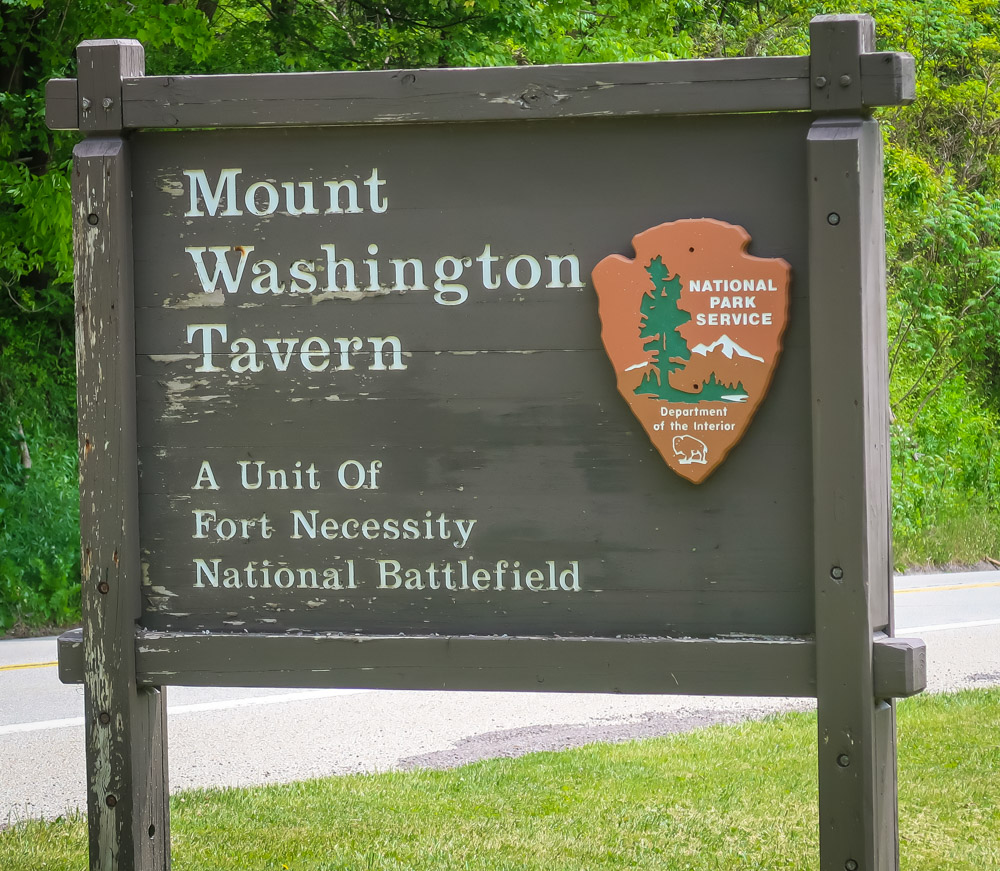
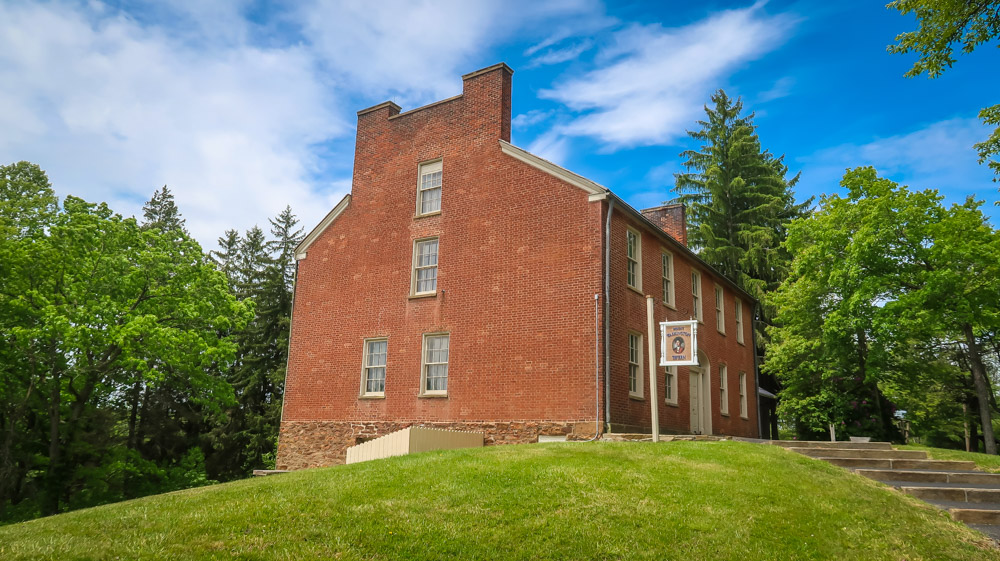
We went a short distance to George Washington’s Tavern. A Tavern in the colonial times is just a hotel. The George Washington Tavern is a beautiful representation of a tavern on the National Road. They are spaced out along the road so horses and passengers can refuel. We toured the inside to see how super 8 hotels got their original design. Just kidding, a little. 😱
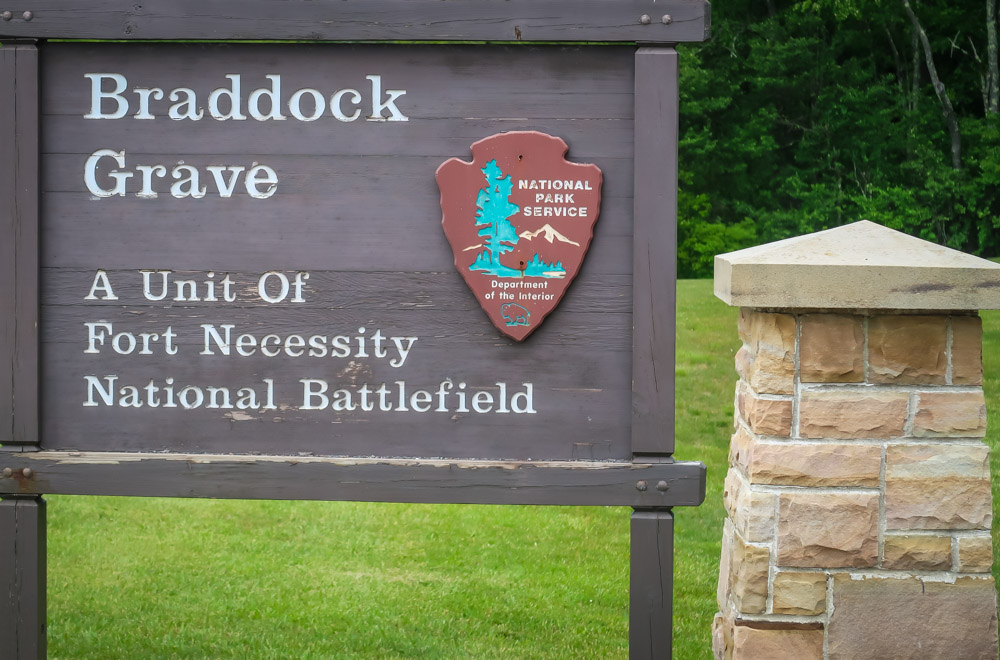
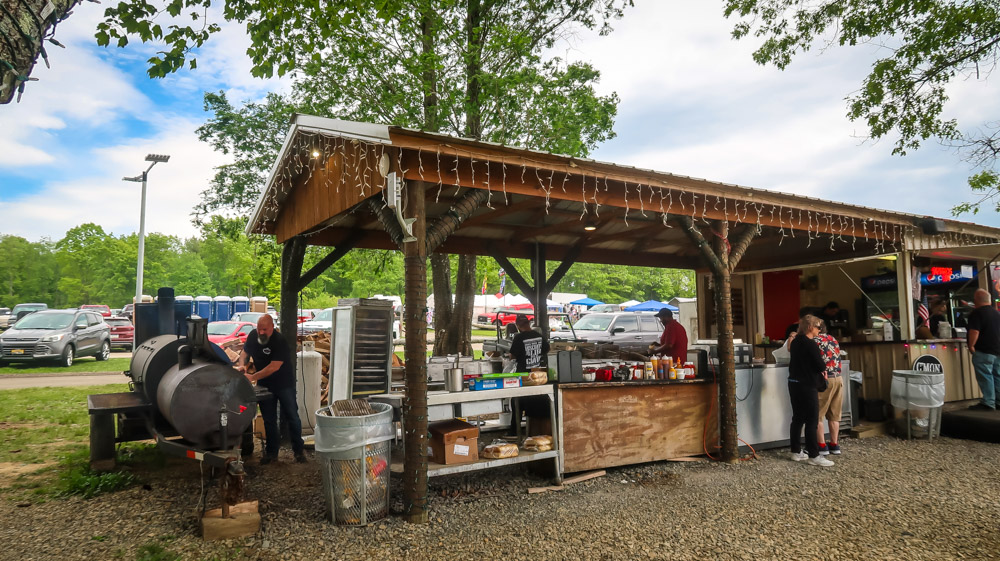
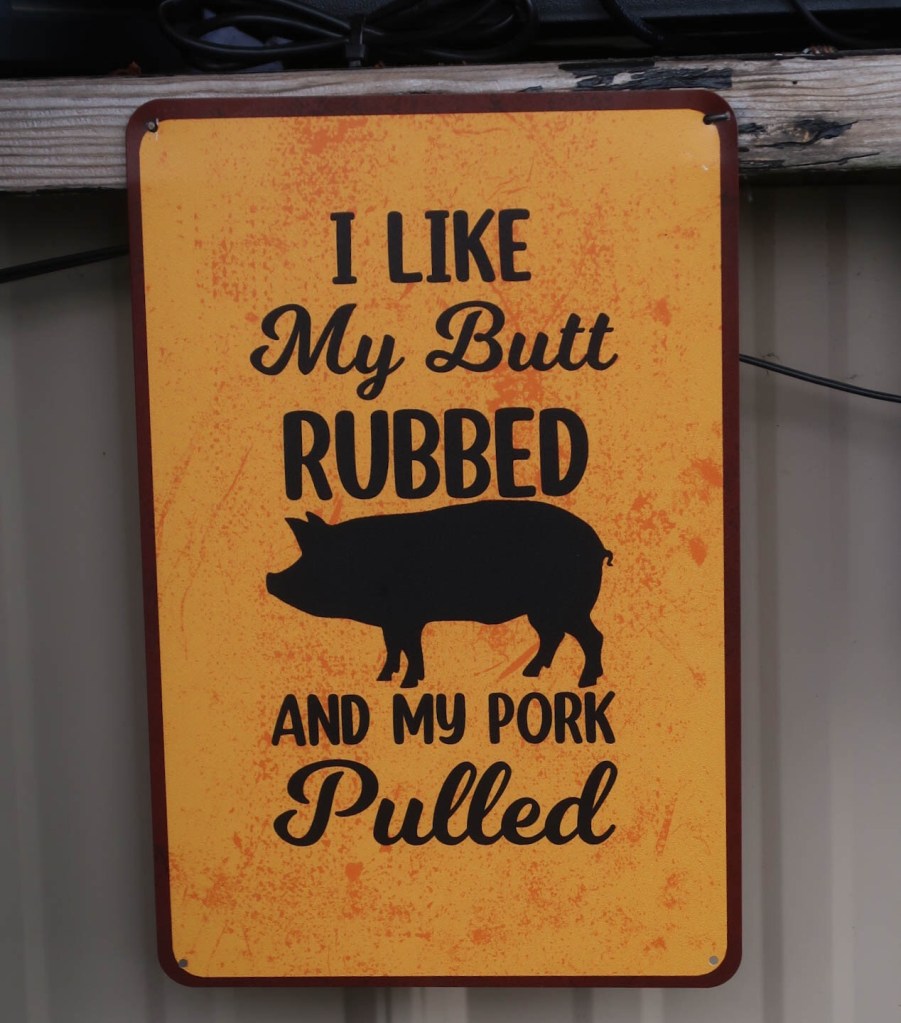
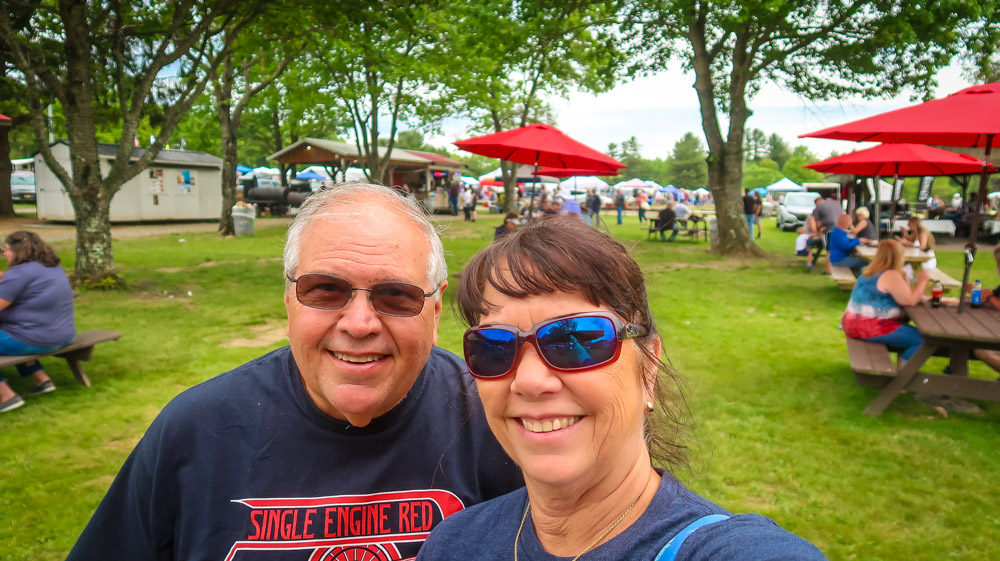
Next stop was to see Braddock’s Grave site and to have lunch next door at Braddock’s BBQ! Delicious pulled pork, full rack of ribs, fries and potato salad. We enjoyed this picnic in the park while listening to live music! Perfect holiday weekend!
Onto Friendship Hill where for the first time EVER visiting a National Park that we met a very angry, disgruntled Ranger! I’m still on the fence about reporting him but he told us himself that he gets reprimanded for his behavior by his superiors so I guess I should “Let it Go”! We toured the visitor center, watched the movies and then toured the house and the grounds.
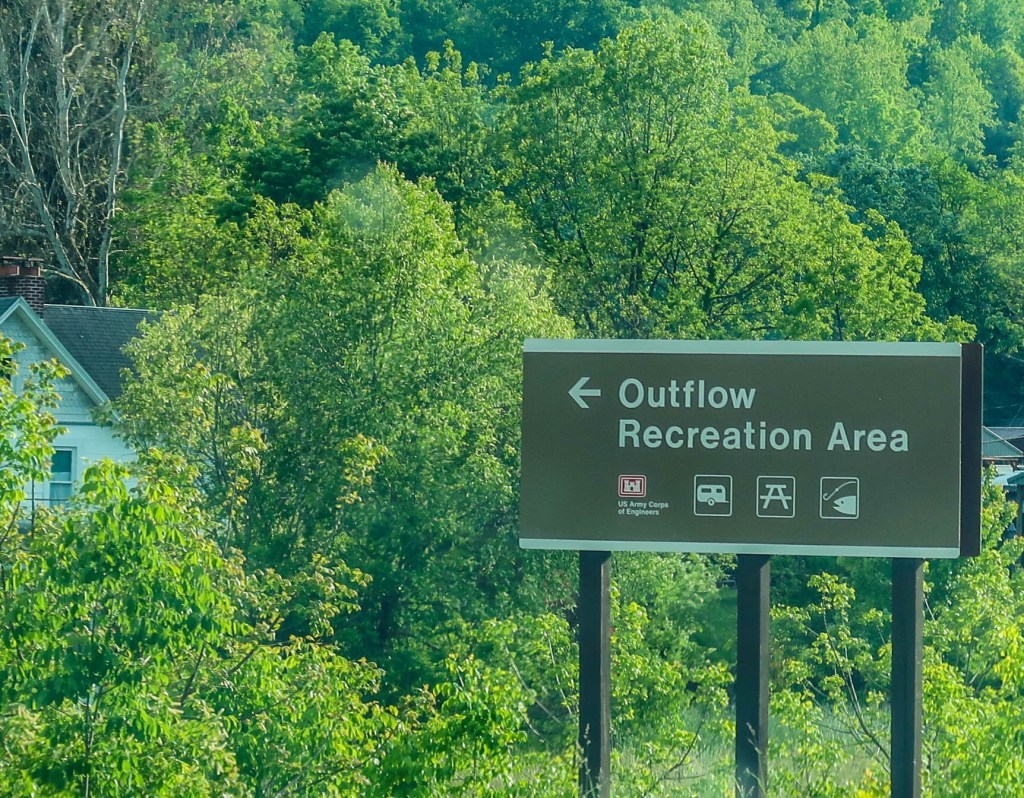
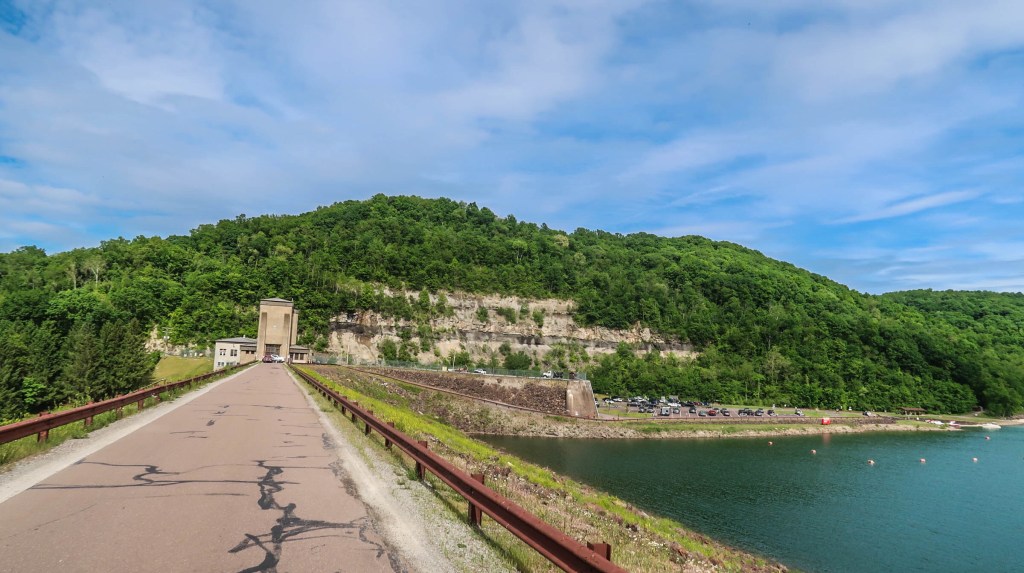
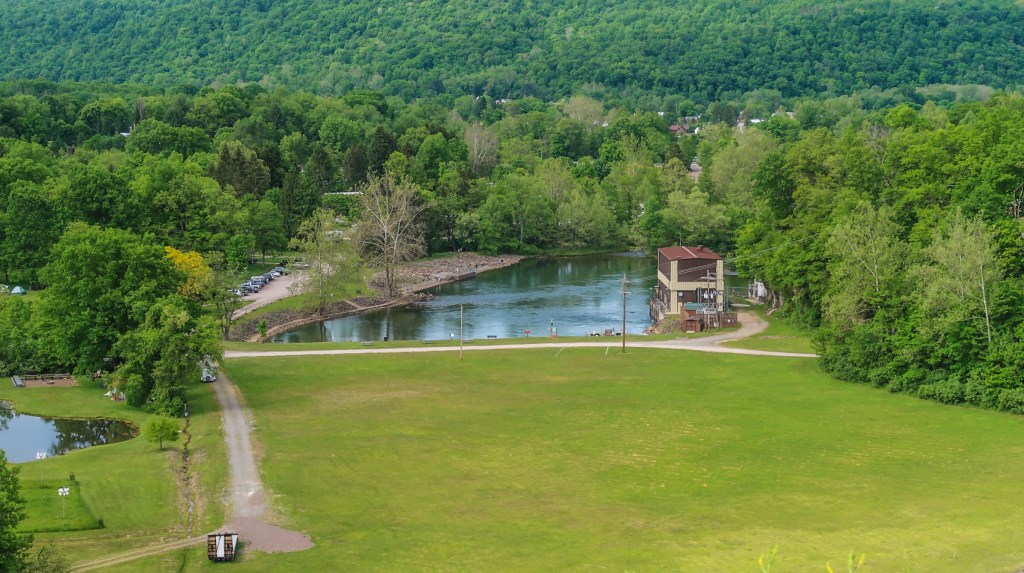
Time for our daily diet coke’s 🥤at a McDonald’s! When we got back to the campground we traveled up to the top of the dam and all around it on the bottom side too. Made dinner and prepared food for the next few days. That’s a rap for our stay here for tomorrow is moving day. Traveled 88 miles today.
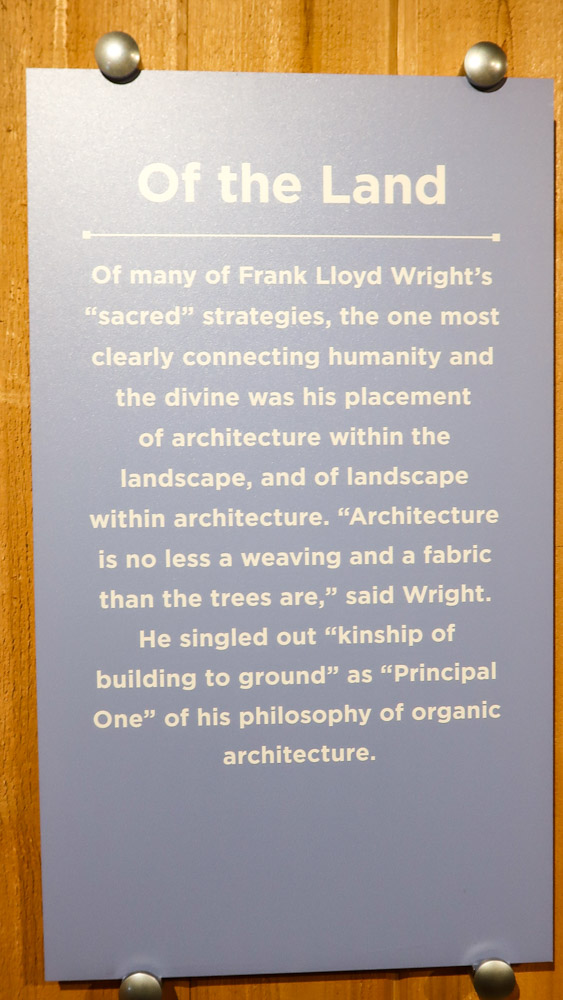
Frank Lloyd Wright’s ~ Fallingwater – was designed by the famous architect in 1935 as a vacation home for Edgar J. Kaufman family, owners of Pittsburgh’s largest department store. It was built 1936–1939. On December 18, 1934, Wright visited Bear Run and asked for a survey of the area around the waterfall. One was prepared by Fayette Engineering Company in Pa. including all the site’s boulders, trees, and topography, and forwarded to Wright in March 1935. The Kaufmanns planned to entertain large groups so the house needed to be large. They also requested separate bedrooms as well as a bedroom for their adult son and an additional guest room. A cantilevered structure was used to address these requests. For the cantilevered floors, Wright and his team used upside-down T-shaped beams integrated into a monolithic concrete slab which formed both the ceiling of the space below and provided resistance against compression. After its completion, Time called Fallingwater Wright’s “most beautiful job” and it is listed among Smithsonian’s “Life List of 28 Places to See Before You Die”. In 1976 the house was designated a National Historic Landmark. The Kaufman’s son donated the property and helped design the tours so everyone could see this magnificent piece of work.
The house and seven other Wright constructions were inscribed as a World Heritage Site. A World Heritage Site is a landmark or area with legal protection by an international convention administered by the United Nations Educational Scientific & Cultural Organization (UNESCO). World Heritage Sites are designated by UNESCO for having cultural, historical, scientific or other forms of significance. The sites are judged to contain “cultural and natural heritage around the world considered to be of outstanding value to humanity”. At age 67, Frank Lloyd Wright was given the opportunity to design and construct three buildings. With his three works of the late 1930s, (Fallingwater, the Johnson Wax Building and the Herbert Jacob’s house), Wright regained his prominence in the architectural community.
Kings Covered Bridge is a historic wooden covered bridge. It is a 46.5-foot-long , Queenpost truss bridge with a tin covered gable roof. It crosses the Hoover Run. As of October 1978, it was one of nine historic covered bridges in Greene County & is on the National Register of Historic Places in 1979.
The Flight 93 National Memorial is a memorial built to commemorate the crash of United Airlines Flight 93, which was one of four aircraft hijacked during the September 11 attacks in 2001. A national memorial was created to honor the passengers and crew of Flight 93, who stopped the terrorists from reaching their target by fighting the hijackers. A temporary memorial to the 40 victims was established soon after the crash. The first phase of the permanent memorial was completed, opened, and dedicated on September 10, 2011. The design for the memorial is a modified version of the entry Crescent of Embrace by Paul and Milena Murdoch. A concrete and glass visitor center opened on September 10, 2015, situated on a hill overlooking the crash site and the white marble Wall of Names. An observation platform at the visitor center and the white marble wall are both aligned beneath the path of Flight 93.
“Tower of Voices,” 93 ft tall monumental containing 40 wind chimes – one for each passenger and crew member who died in the crash, but none for the terrorists as they were responsible for the hijacking. The tower forms the gateway to the National Memorial and is visible from U.S. Route 30. The largest such structure ever built, the precast concrete tower supports polished aluminum chimes varying in length from 5 feet to 10 feet and varying tonalities (voices). The tower, built from 274 short tons of concrete and steel, was constructed by L.S. Fiore. The pitch of the chimes was conceived by composer Samuel Pellman.
Vin De Matrix Winery is inspired by the star Vindemiatrix, the third brightest star located in the Virgo constellation. Its name means “The Grape Gatherer.” A celestial themed winery, is a fun, upbeat addition to any afternoon adventure in the Laurel Highlands. The winery specializes in small-batch and limited wines. They produce these wines in the lower level of a 100+ year old bank style barn. The tank and barrel room is partially underground and maintains the ideal temperature and environment for wine production. The tasting room features rough cut cherry barn wood on the walls, hand hewn beams, and a tasting bar made of old growth wood harvested from the property ages ago.
Lower Humbert Bridge – 127 ft bridge built in 1891
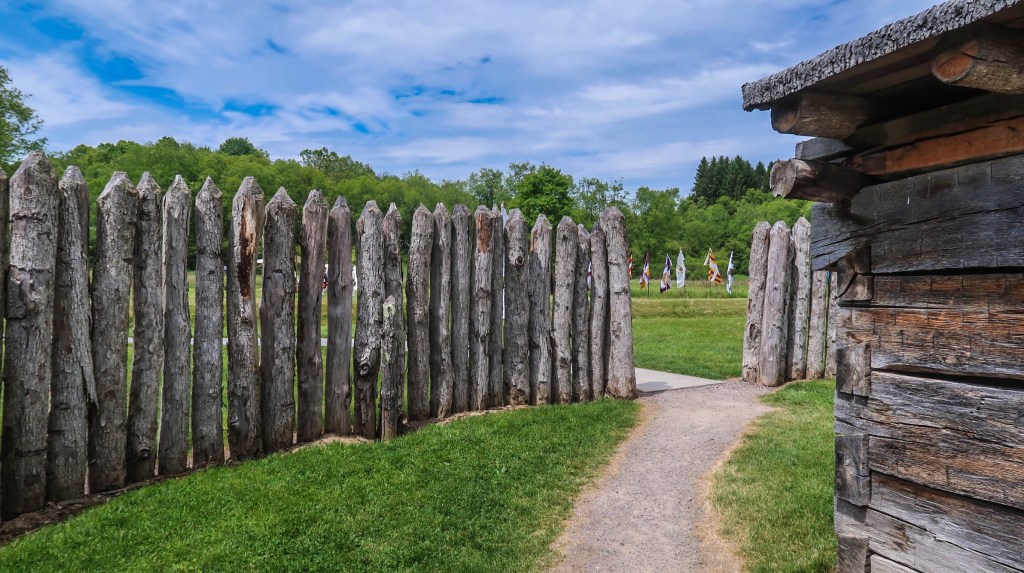
Fort Necessity Battlefield – (1754) 902.8 acres, elevation 1955 ft. The battle, which took place on July 3, 1754, was an early battle of the French & Indian War, and resulted in the surrender of British colonial forces under Colonel George Washington to the French and Indians, under Louis Coulon de Villiers. The site also includes the Mount Washington Tavern, once one of the inns along the National Road & in two separate units the grave of British General Edward Braddock, killed in 1755, and the site of the Battle of Jumonville Glen.
Supposedly named by Washington as Fort Necessity or Fort of Necessity, the structure protected a storehouse for supplies such as gunpowder, rum, and flour. The crude palisade they erected was built more to defend supplies in the fort’s storehouse from Washington’s own men, whom he described as “loose and idle”, than as a planned defense against a hostile enemy. By June 13, 1754, Washington had under his command 295 colonials and the nominal command of 100 additional regular British army troops from South Carolina. Washington spent the remainder of June 1754 extending the wilderness road further west and down the western slopes.
Late in the day on July 3, Washington did not know the French situation. Believing his situation was impossible, he accepted surrender terms which allowed the peaceful withdrawal of his forces, which he completed on July 4, 1754. The French subsequently occupied the fort and then burned it. Washington did not speak French, and stated later that if he had known that he was confessing to the “assassination” of Joseph Coulon de Jumonville, he would not have signed the surrender document.
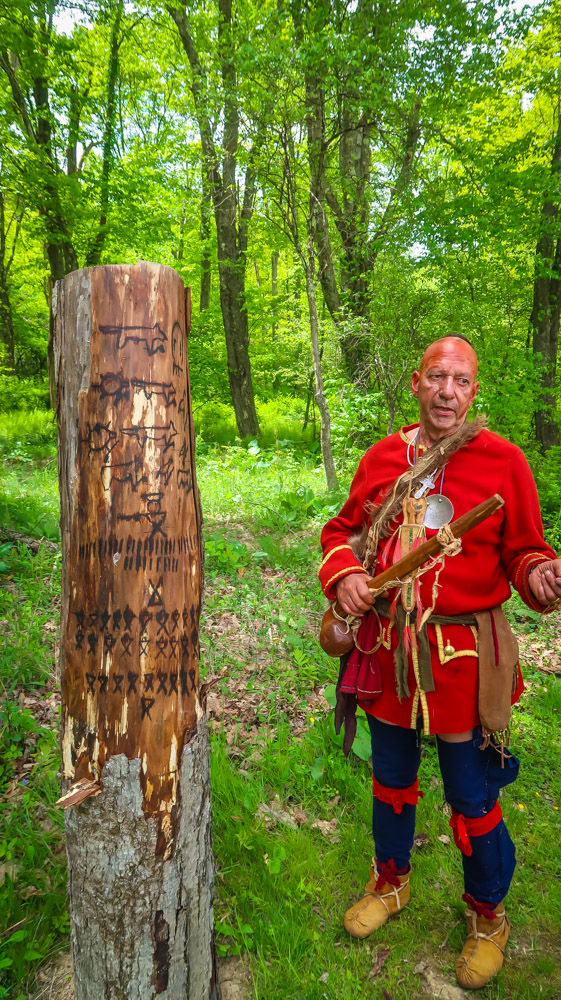
Many locals enjoy creating the re-enactment. One we spoke to, the Indian, has been doing it for 30 years. We learned about the battle and the fort. The fort was aptly named because it was needed to rest and feed the horses there and protect them. Lt Col. George Washington (age 22) was sent westward from Alexandria with part of a regiment of Virginia frontiersmen to build a road to red stone creek on the Monongahela. (The road still exists today) Washington arrived at the great meadows as the Fort Necessity was called on May 24 1754. The meadow was mostly marsh, but he believed it “a charming field for an encounter. The regiment was fortified and had 293 officers and men. On July 3 abut 600 French and 100 Indians approached the fort, fired several volleys, and took up positions in the woods. Both sides suffered casualties but British losses were greater. The commander of the French forces, Capt. Louis Coulon de Villiers, requested a truce to discuss surrender of Washington’s command. This was the only time Washington surrendered.
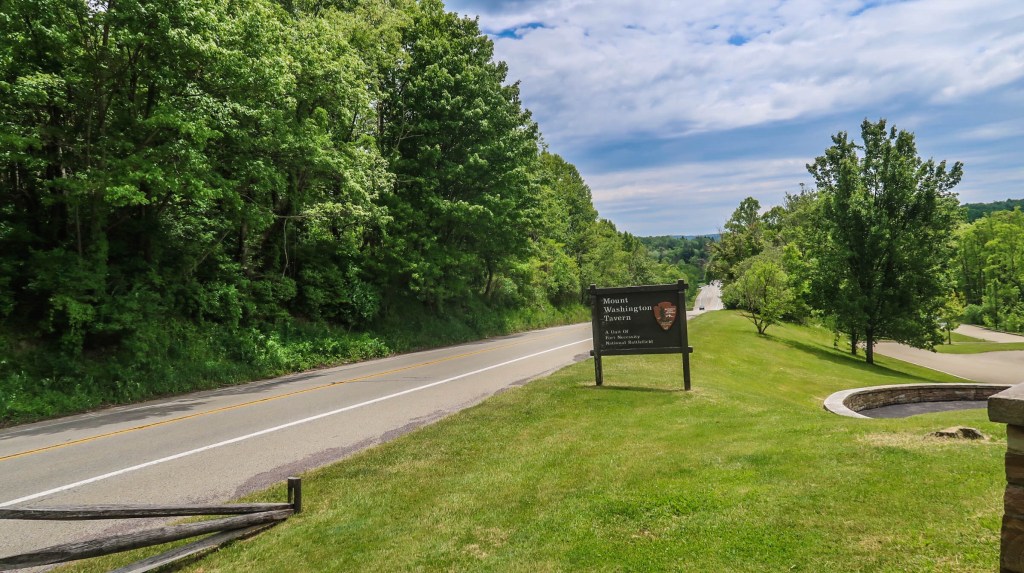
Mount Washington Tavern ~ Built in the 1830s along the National Road the tavern served as a stopping place for the Good Intent stagecoaches and their travelers. A wide hall greeted the guests. Men could get a drink and socialize in the tavern’s barroom. Women and children relaxed in the parlor, where the gentlemen were welcome to join them. All the travelers waited for the dinner bell before entering the dining room. They eat together at one big long table with the food being placed on platters in the center of the table. The kitchen was not open to the travelers but would have been busy with cooks and other employees who worked to keep the tavern going. The second floor had bedrooms for overnight guests. The rooms were set up dormitory style with men in one room and women in another. New technology put the tavern out of business. Railroads had made it across the Allegheny Mountains, putting the stagecoaches out the business. The Mount Washington Tavern was sold as a private residence in 1856.
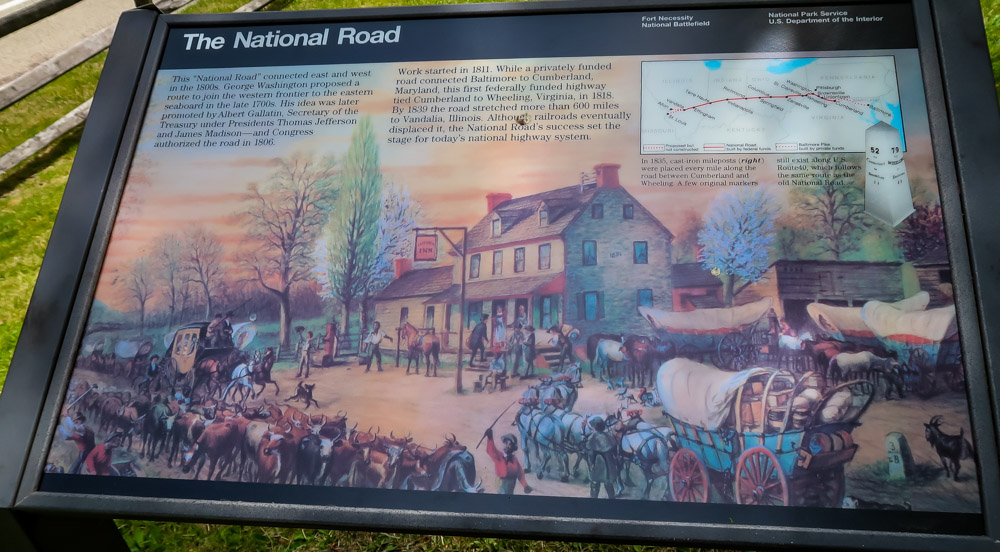
The National Road (also known as the Cumberland Road), was the first major improved highway in the United States, built by the federal government. Built between 1811 and 1837, the 620-mile road connected the Potomac & Ohio Rivers and was a main transport path to the West for thousands of settlers. When improved in the 1830s, it became the second U.S. road surfaced with the macadam process pioneered by Scotsman John London McAdam. In 2002, the entire road, including extensions east to Baltimore and west to St. Louis, was designated the Historic National Road, an All American Road.
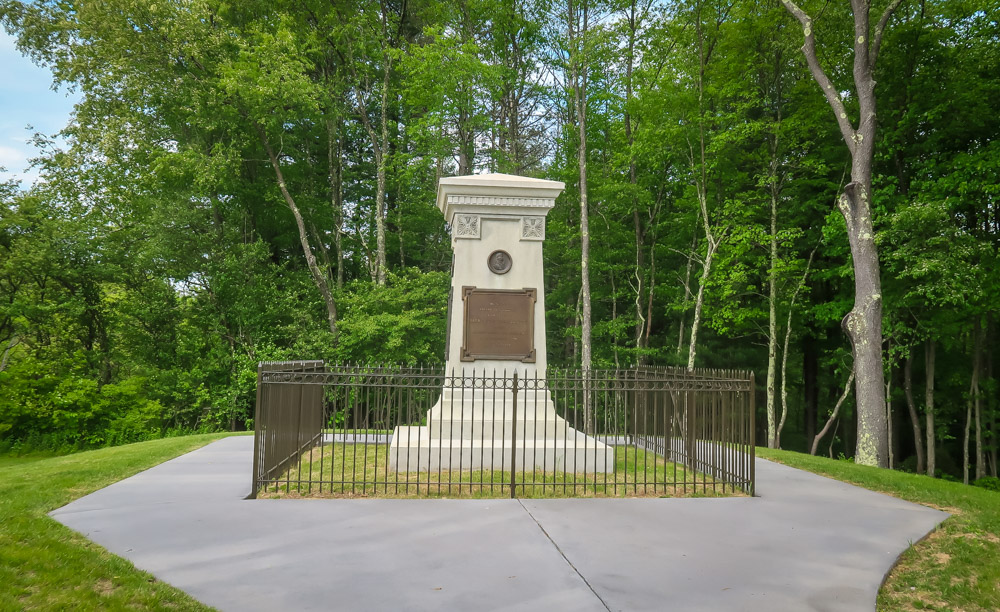
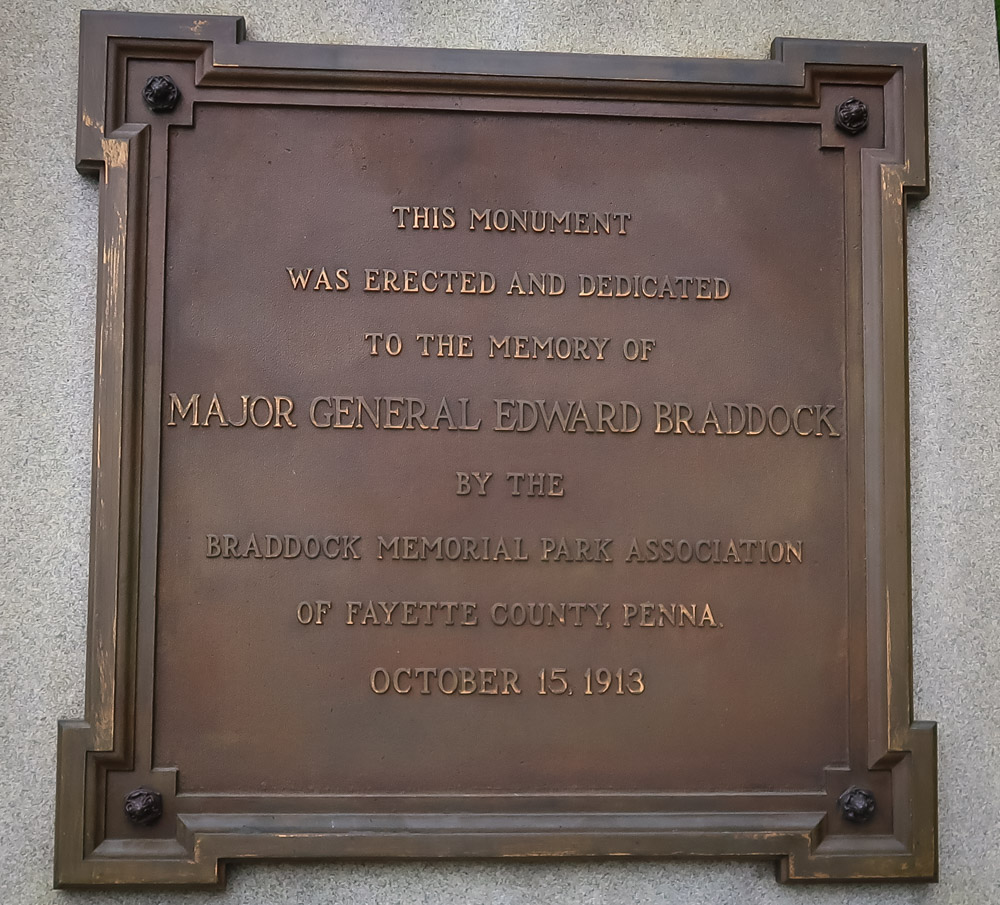
Braddock’s Grave – The Untold Story~ After the French and Indian War ended, the Braddock Road remained a main road in this area. In 1804, some workmen discovered human remains in the road near where Braddock was supposed to have been buried. Officer’s uniform buttons reportedly found at the site indicated that the remains were those of General Braddock.
Initially, some of the remains were kept as souvenirs. Andrew Stewart, a local magistrate, learned of the desecration of the grave site and ordered the return of the remains. Reportedly, some hand bones found their way to the Peale Museum in Philadelphia. P.T. Barnum purchased the contents of the museum and moved it to New York City. A fire in 1864 destroyed the museum. In addition, a section of vertebrae is reportedly in the Walter Reed Hospital collection in Bethesda, Maryland. The remains that were recovered were then re-interred on a small knoll adjacent to the road. In 1913 the marker was placed where it is today, keeping its silent watch.
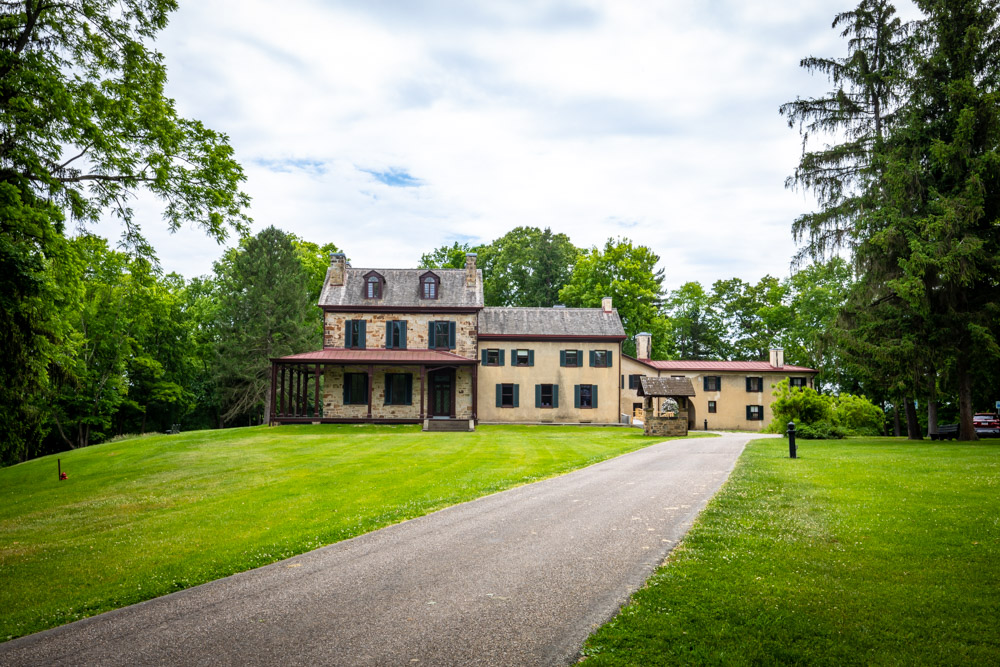
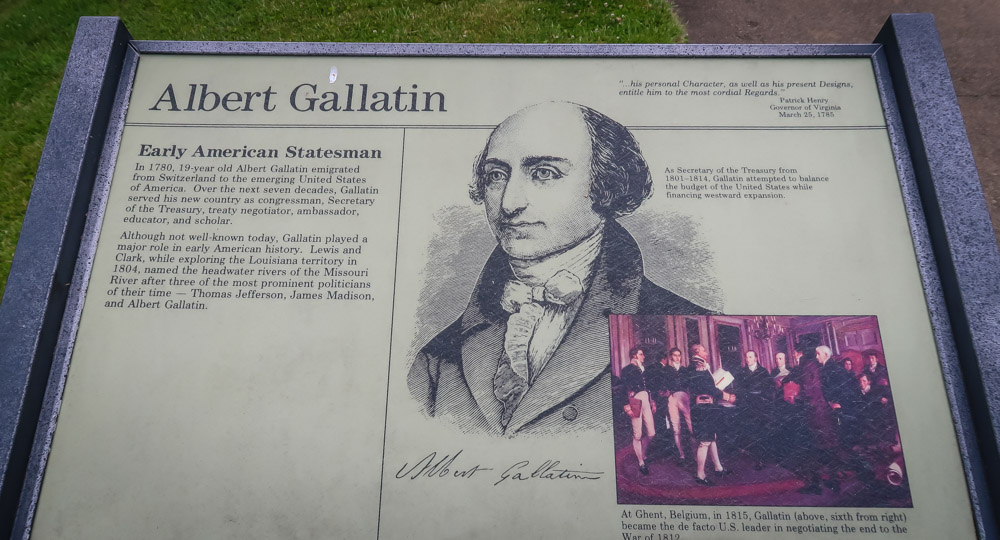
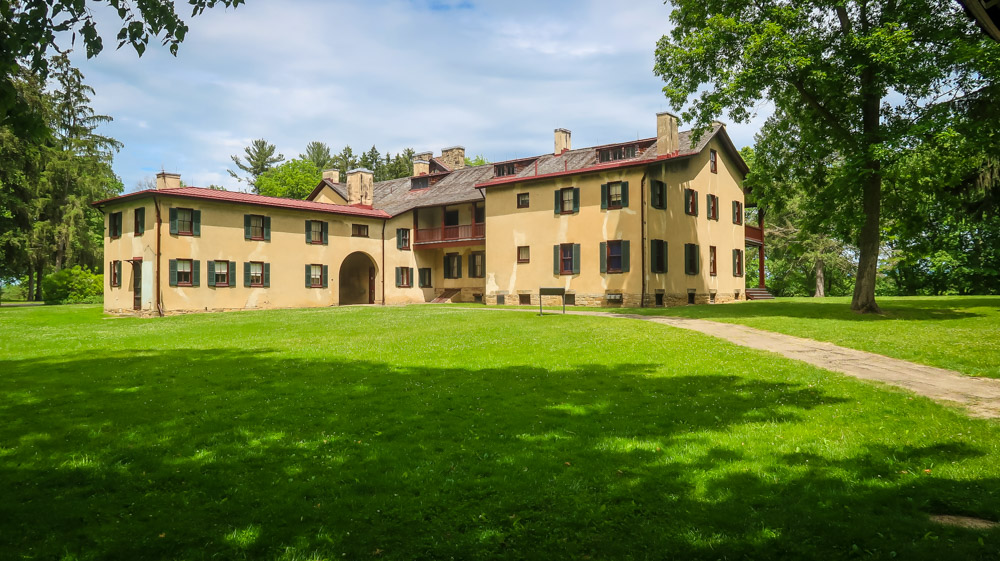
Friendship Hill National Historical Site – the home of early American politician and statesman Albert Gallatin (1761-1849). Gallatin was a U.S. Congressman, the longest-serving Secretary of the Treasury under two presidents, and ambassador to France and Great Britain. The house overlooks the Monongahela River. Friendship Hill is on 675 acres. The property’s main house, also known as the Albert Gallatin House, is located atop a bluff that is the high point of the property.
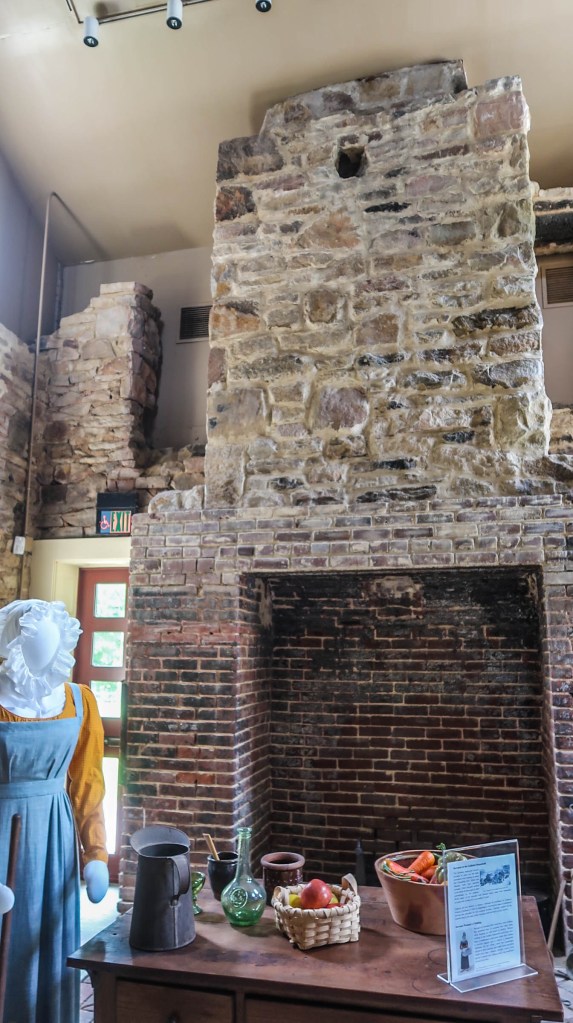
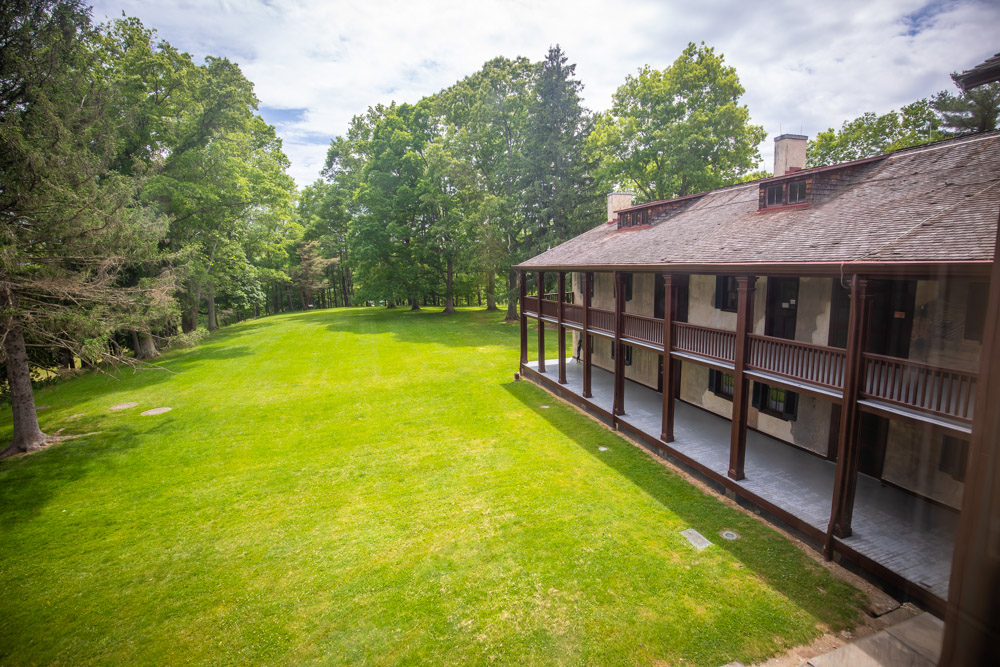
The house is made up of seven sections. The earliest of these is the original brick house built in 1789. This structure was constructed in the Federal style with a Flemish bond. Along the north side of the brick house, a simple frame dwelling was added in 1798. The Stone House was the next structure added by Gallatin in 1823; this is a 3+1⁄2-story structure, the largest section of the total house. This was the only structure which Gallatin did not build and oversee himself. This portion was built and overseen by one of his sons, Albert Rolaz Gallatin. A stone kitchen was added in 1824, which was the last addition of the Gallatin era. The rest of the additions include a State Dining Room in 1895, a south bedroom wing completed in 1902, and the servants’ quarters added in 1903. These portions were built by the later owners of the house.























 Follow Tim & Sandy's Adventures
Sounds like a great trip through the Laurel Highlands! Glad you enjoyed it!
LikeLike
Love this chapter.
We need foot washer and no-chemical pool in Loxahatchee!
😂🤣😂
LikeLike