

This morning only 70*, overcast with a high expected to only be 78*!
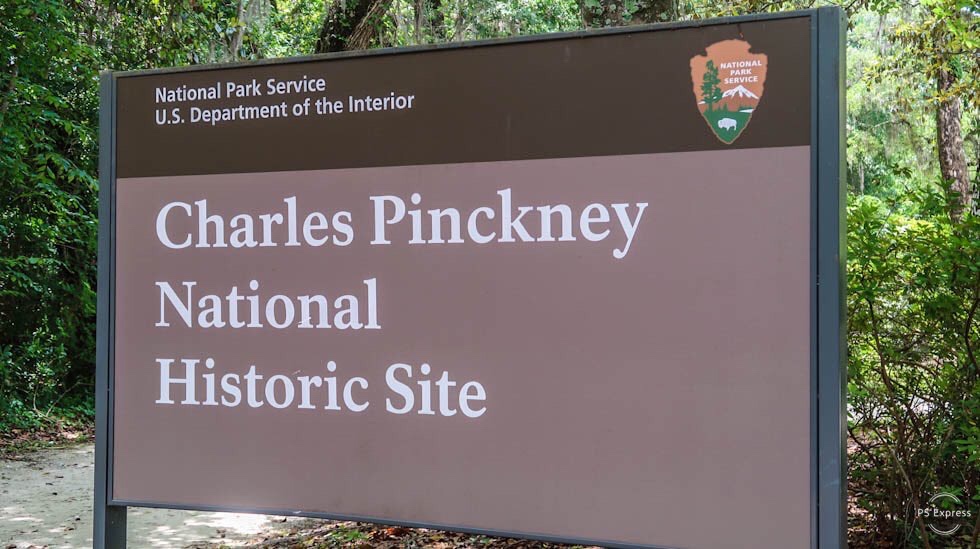
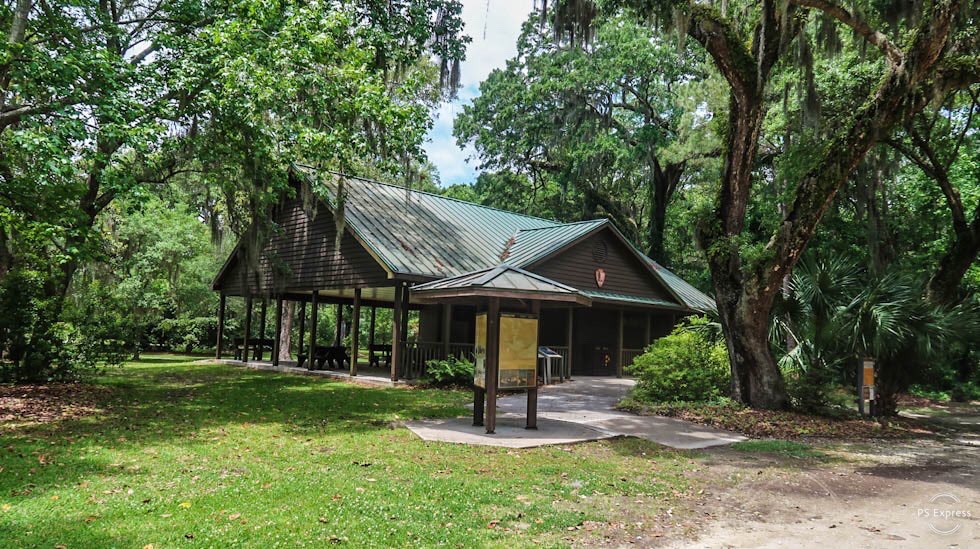
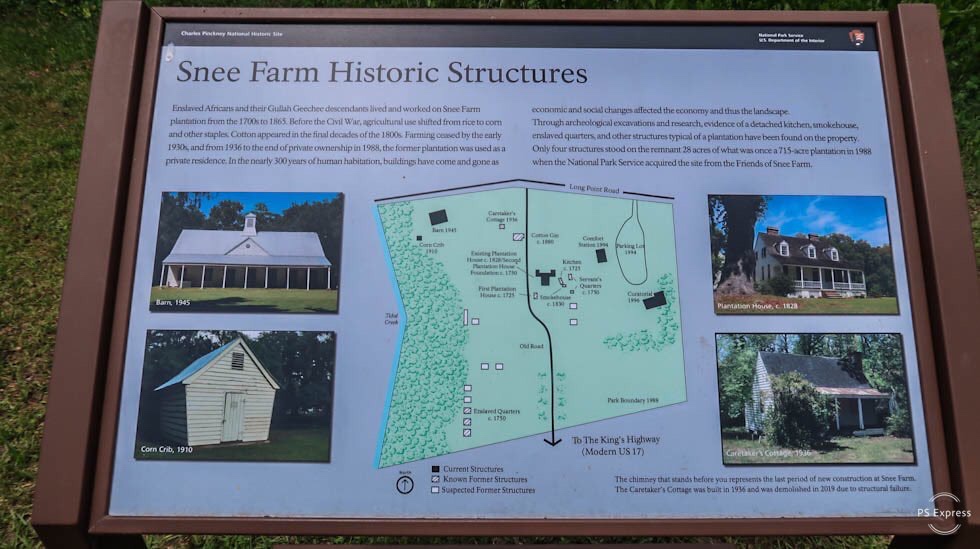
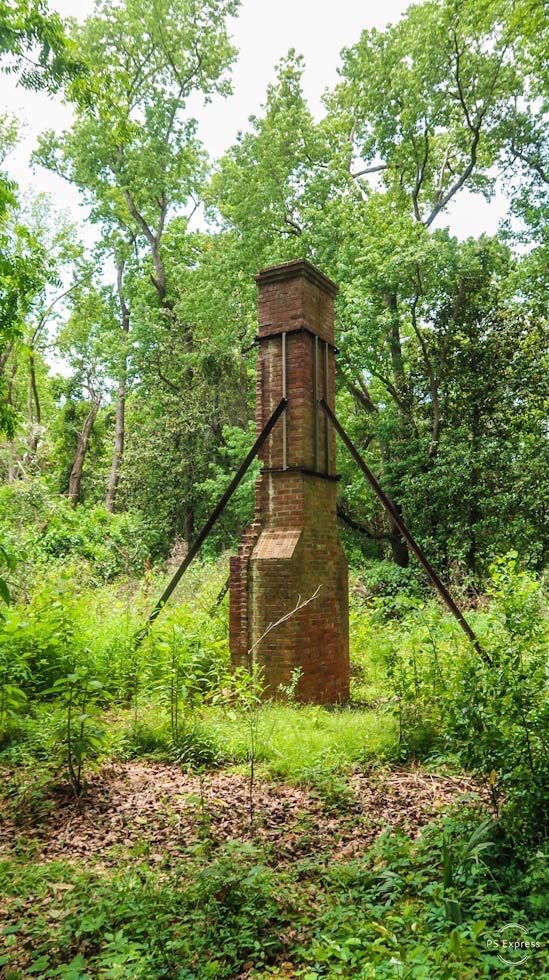
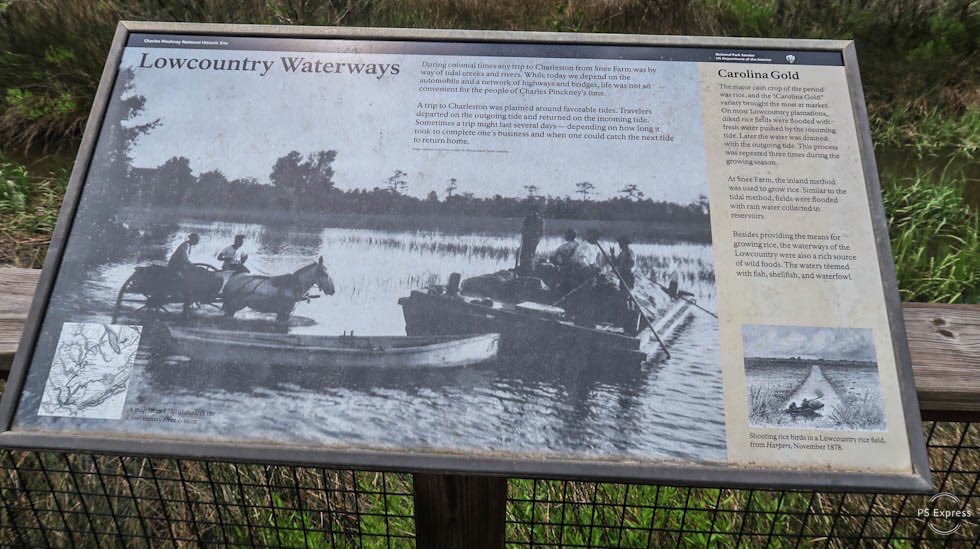
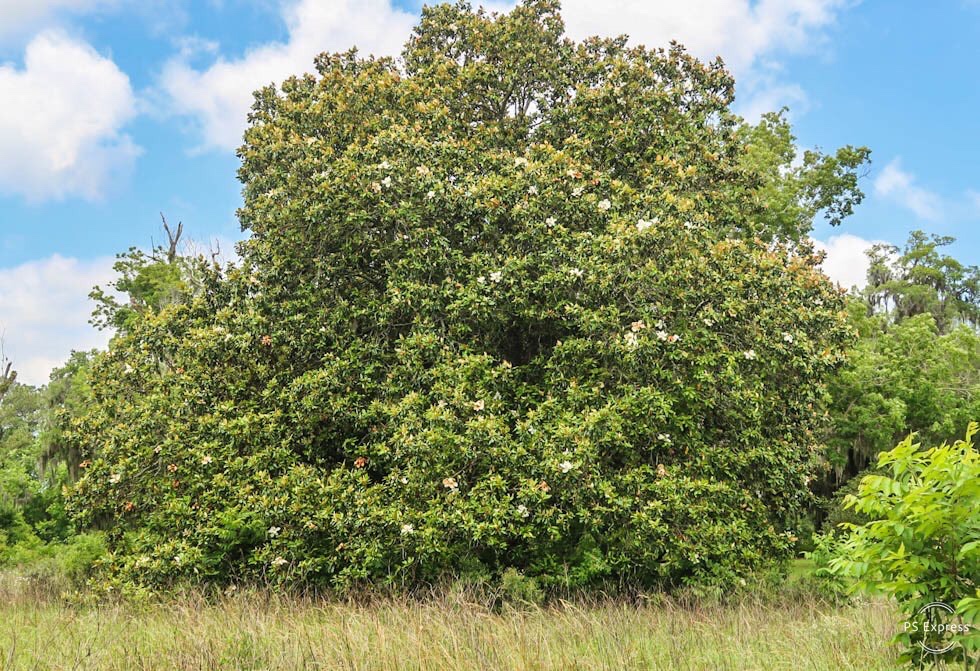
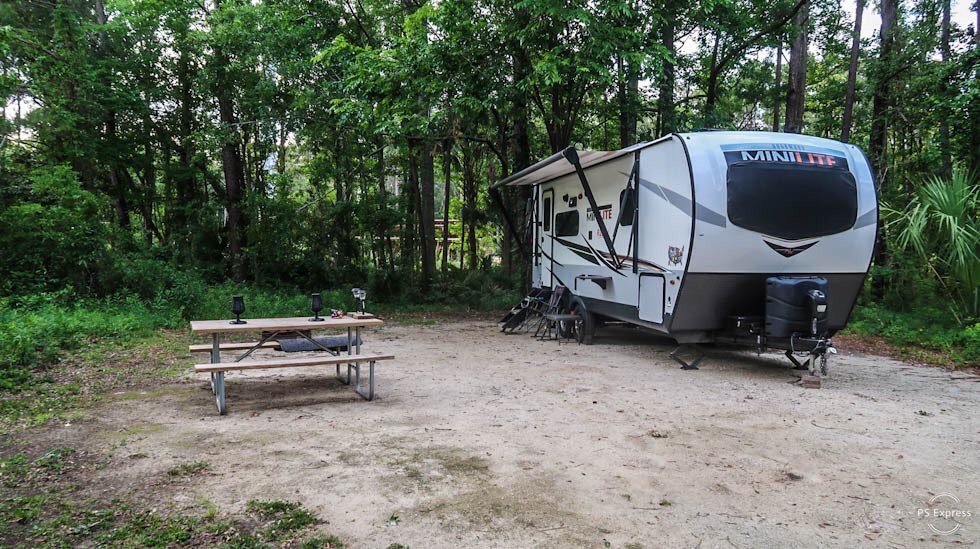
Around our campsite lots of bright red cardinal’s stopping in to say good morning. 🌞 We slept in and just relaxed enjoying our coffee & tea outside. Beautiful magnolia trees all over the area with big white flowers. Around noon we left for Charles Pinckney National Historical Site, only to find out the visitor center was closed today. We walked all around the grounds, the trails and read up about the site.
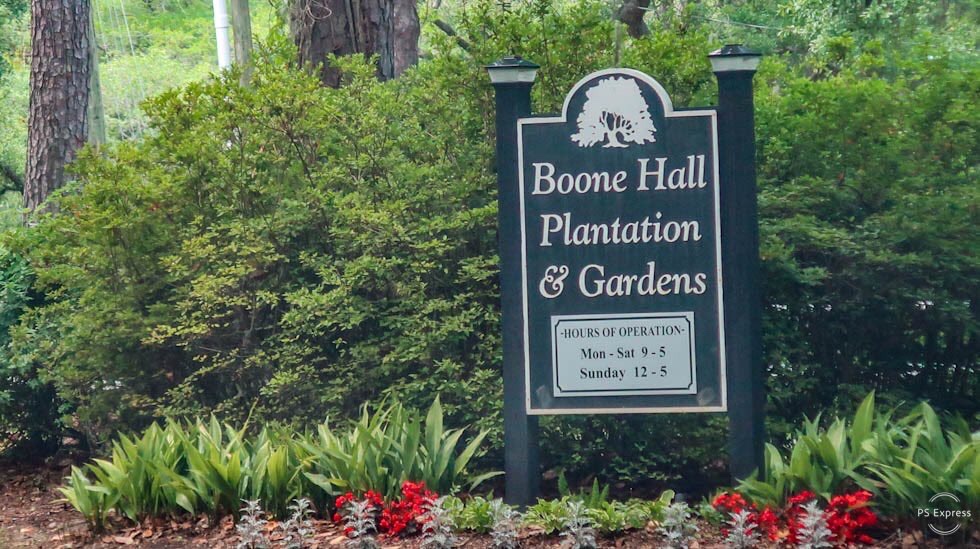
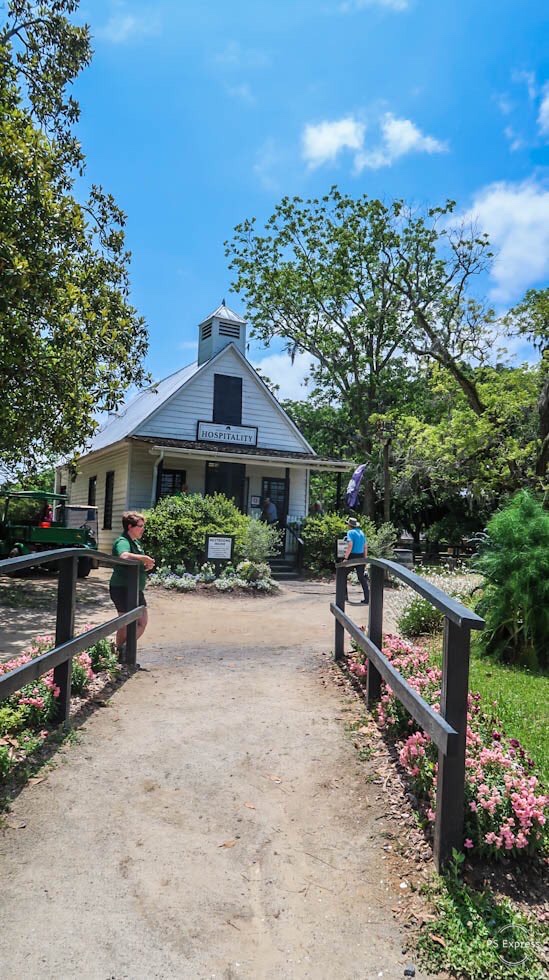
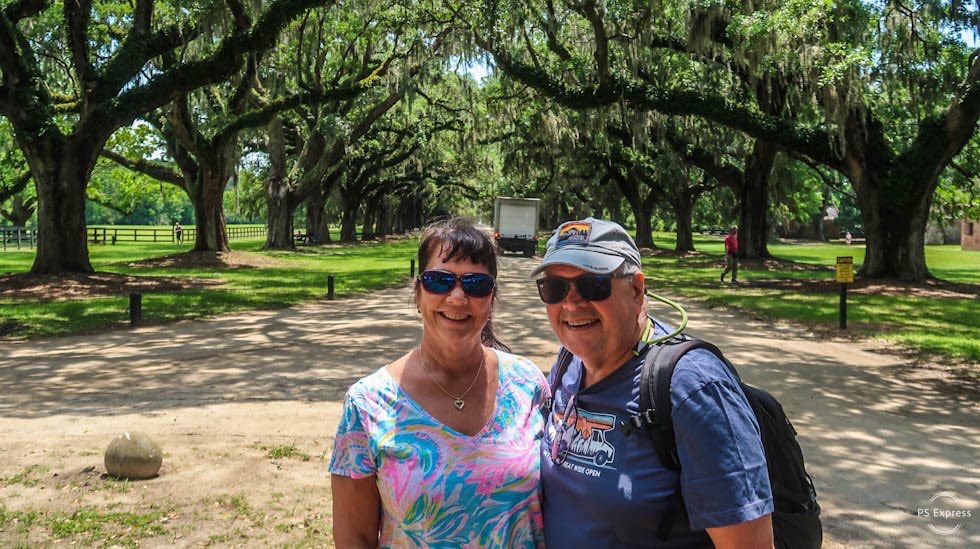
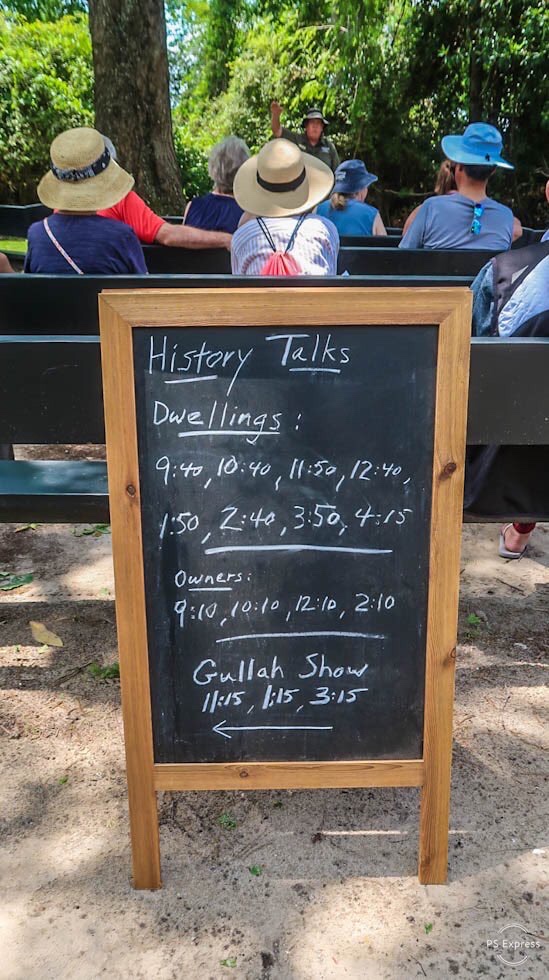
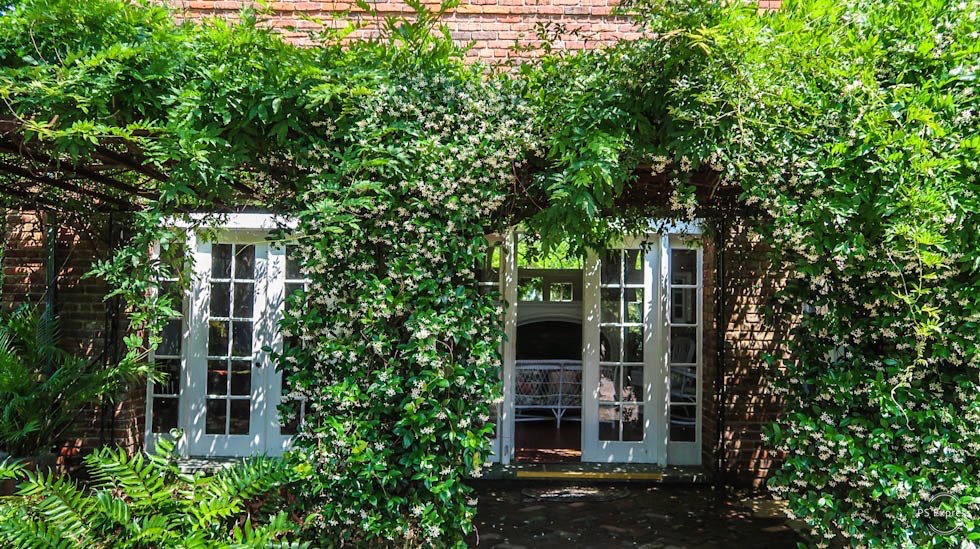
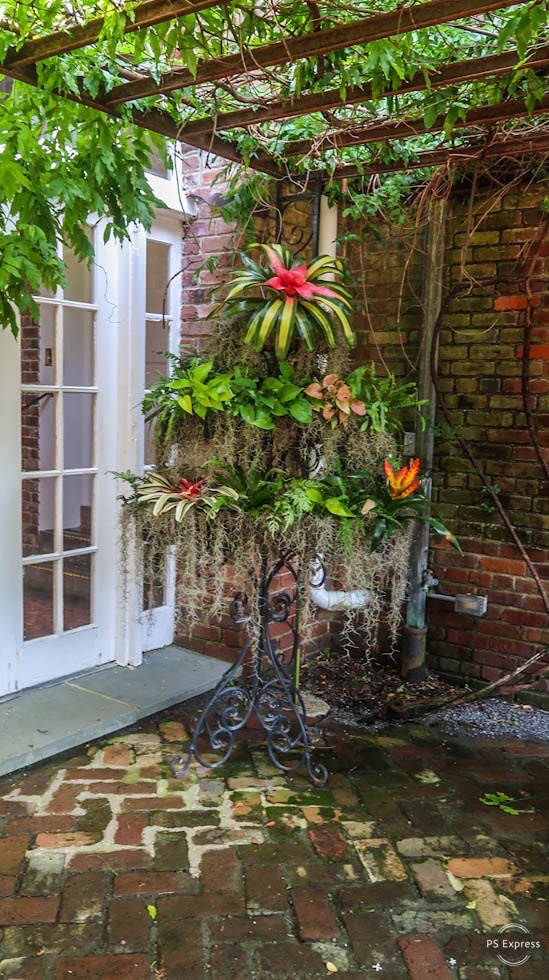
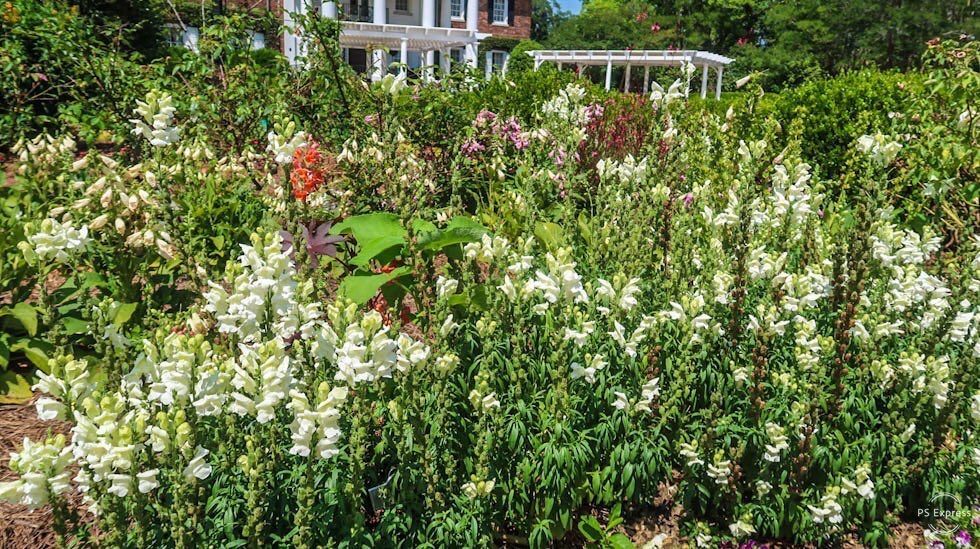
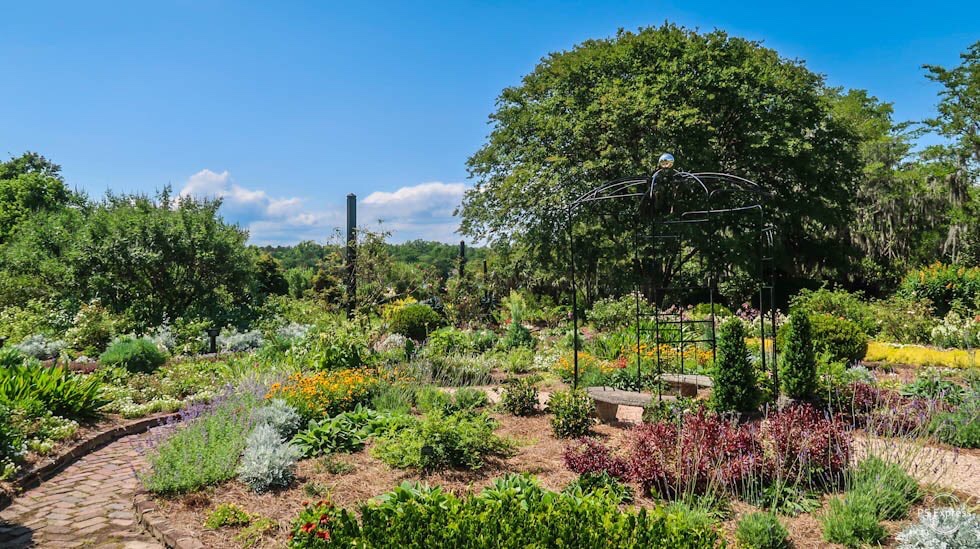
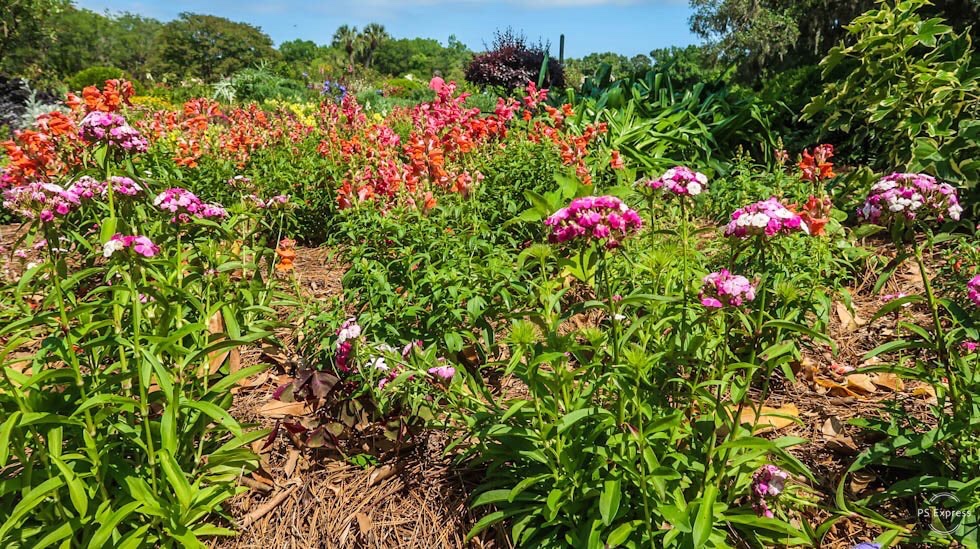
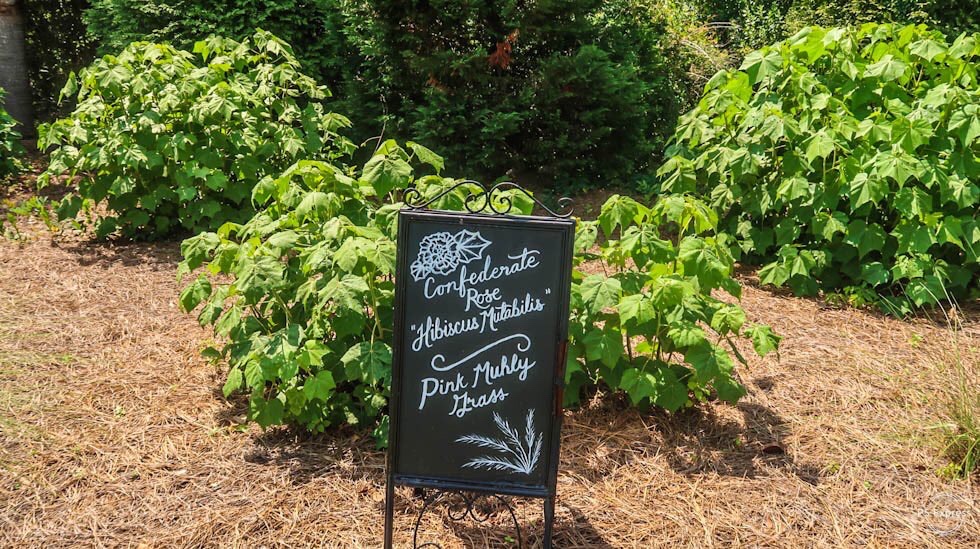
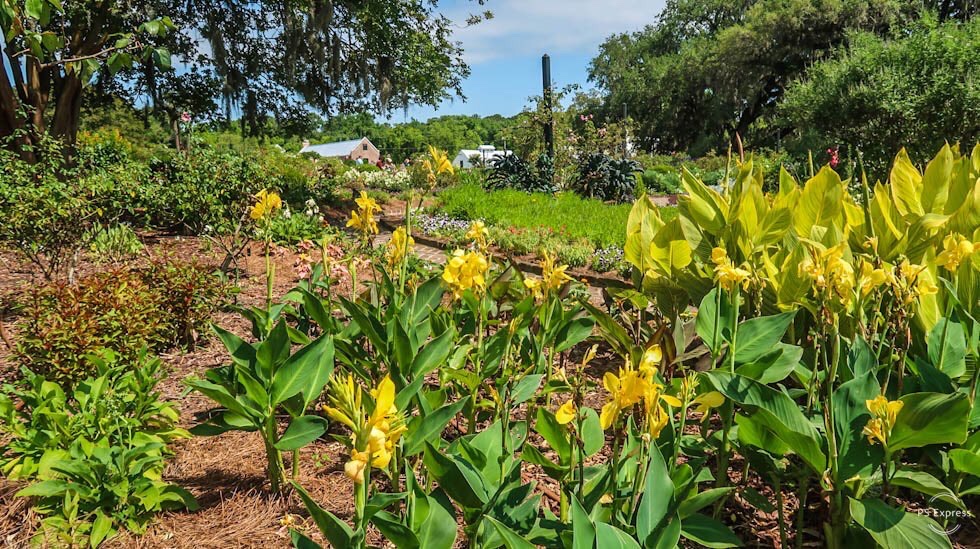
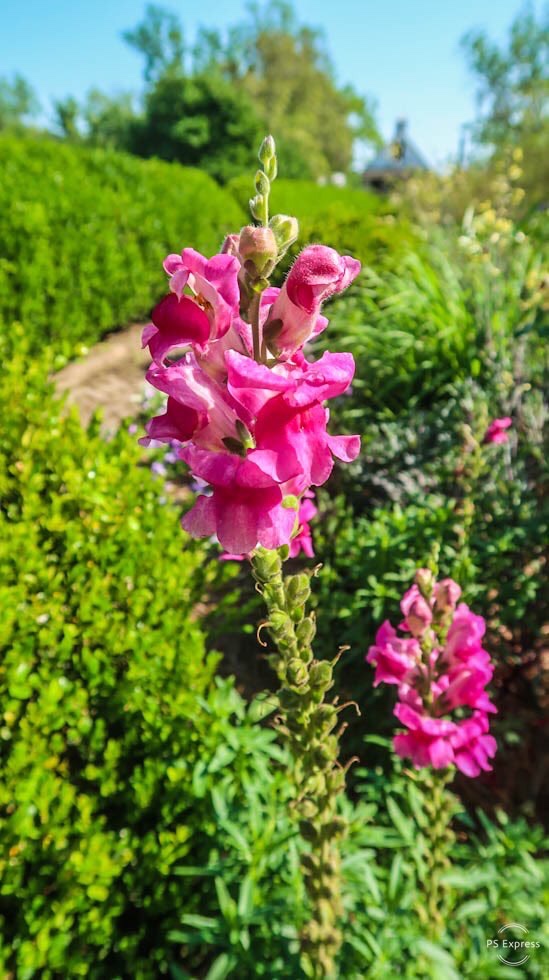
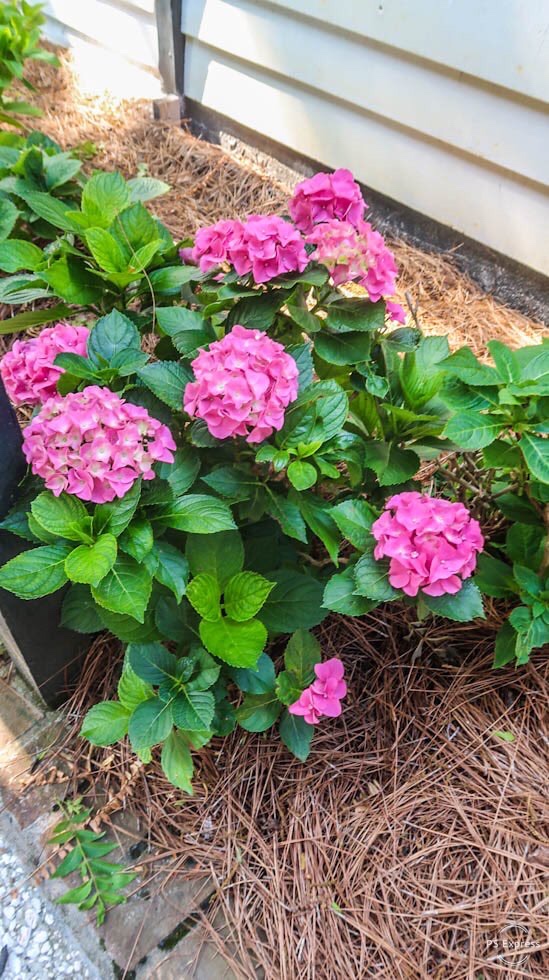
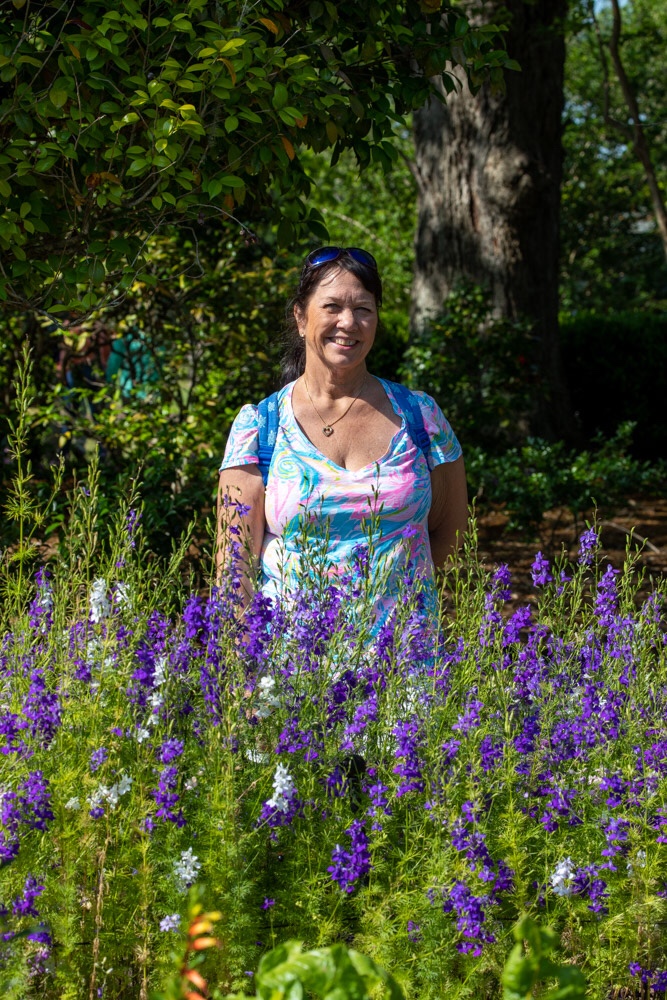
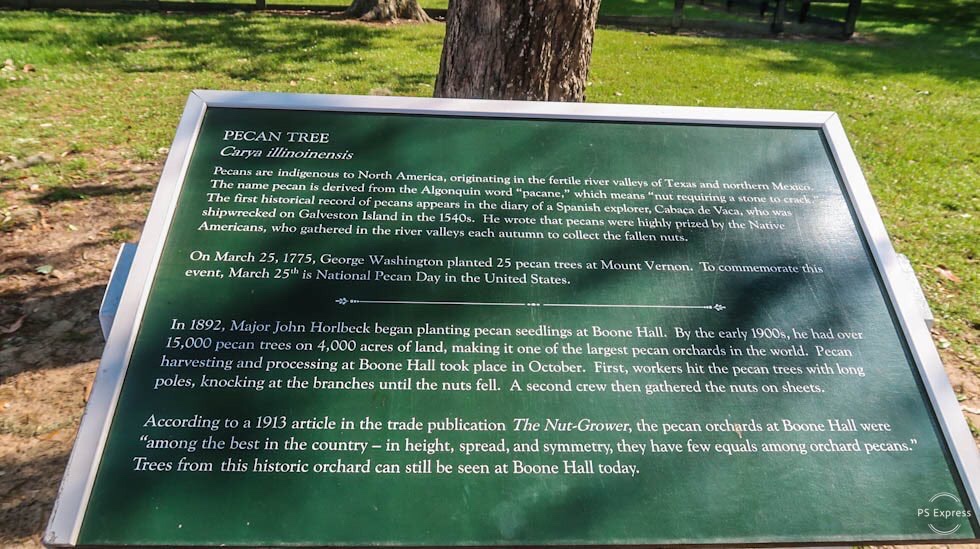
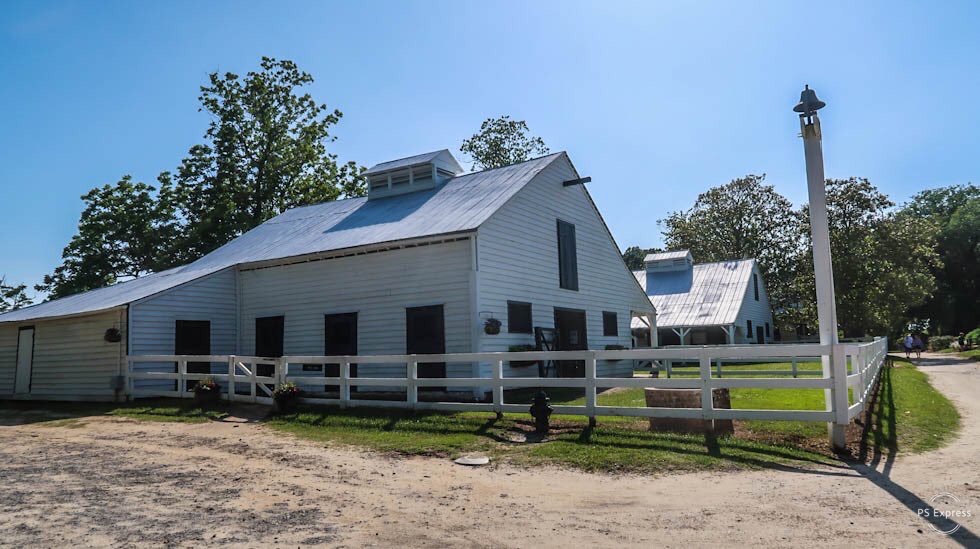
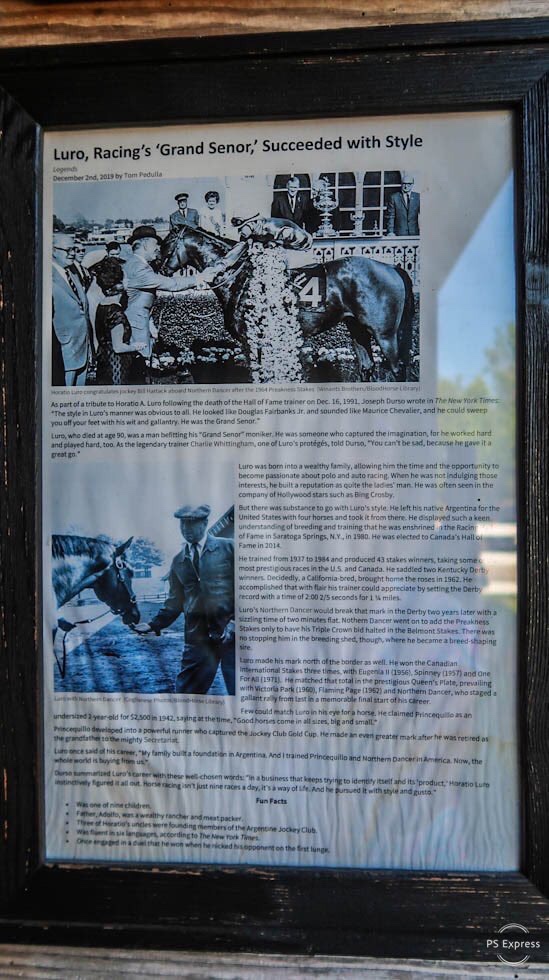
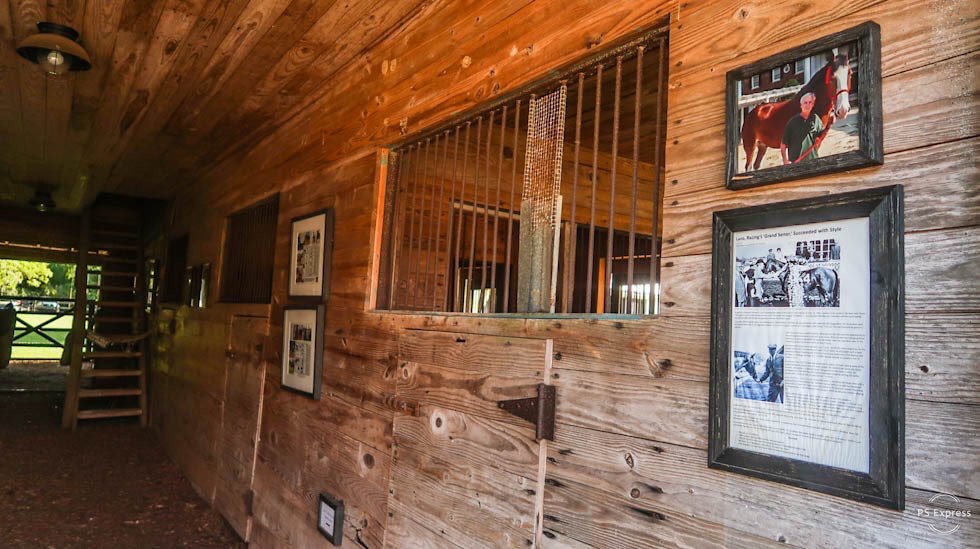
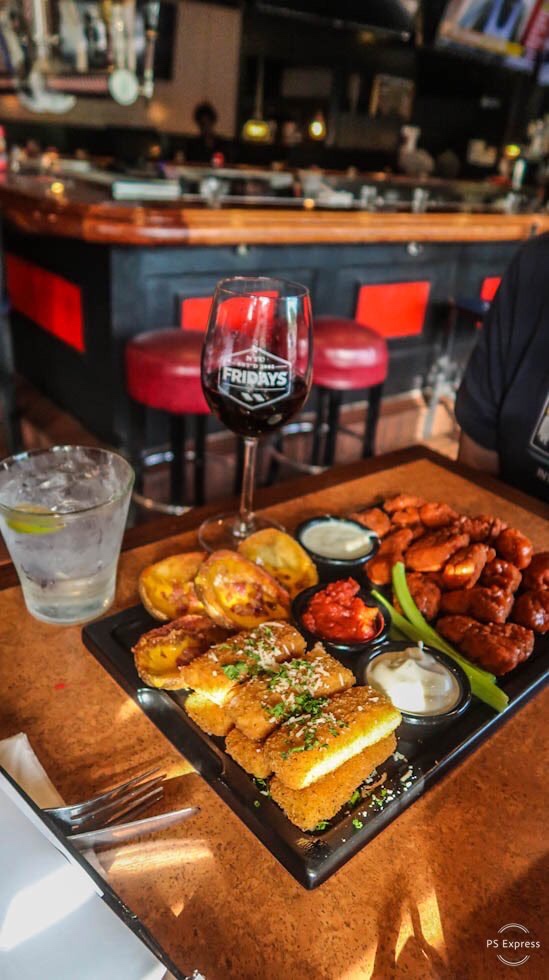
Boone Plantation was our next stop which we spent the next 3 hours & 45 minutes at. Beautiful tour of the Plantation House (no cameras were allowed inside) and then went to different talks throughout the afternoon that we attended. Toured the stables, gardens 🪴🪻🌻🌿(which I could’ve stayed the rest of the day in) and then touring the main house and slave buildings. Had tour of stables, and learned that one of the princes horses “Quillo” was a noble stud of Secretariat, Settle Slew, A P Indy & Cigar. (4 triple crown winners). Most of the horses were gone for a polo match! 🐎 Such a beautiful adventure and the weather was perfect for being outdoors. We then enjoyed some ice cream in the parlor. Time to head back but the GPS showed it was going to take us 90 minutes to get back instead of 30 minutes due to traffic delays. We found a back way through a neighborhood and ended up having happy hour and dinner at a TGIF. Score for I had a gift card for there too and I signed up for the app and got an additional discount! I like these kind of deals. On our way back since it was our last night we drove through other areas of the park we hadn’t explored yet then took a long walk all around the campground and game area. Stopped at the camp office for $20.00 in quarters for tomorrow will be laundry day! 🧺 Then worked on journal and blog and we watched The Voice on tv. Have a good night. That’s a wrap for today! 💤 😴
The Charles Pinckney National Historic Site in Mt Pleasant, SC is a portion of Charles Pinckney’s Snee Farm Plantation and country retreat. Pinckney (1757-1824) was a member of a prominent political family in South Carolina. He fought in the American Revolutionary War, was held for a period as prisoner in the North, and returned to the state in 1783. Charles Pinckney was a Founding Father of the United States, served as a delegate to the constitutional convention where he contributed to drafting the United States Constitution.
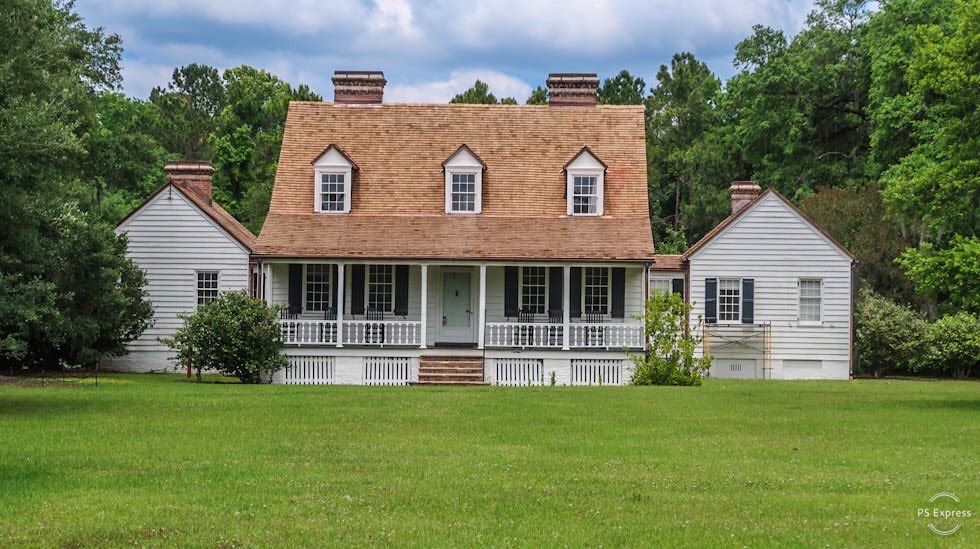
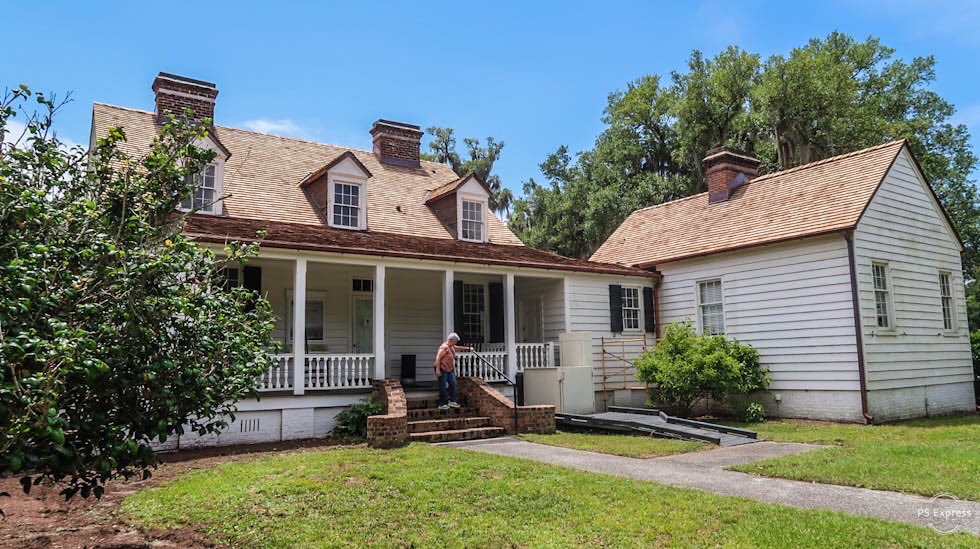
This Snee Farm site was designated as a National Historical Landmark in 1973, and was designated a National Historical Site in 1988. The site is on 25 acres of Wando Neck, a peninsula formed at the confluence of the Wanda and Cooper rivers. The property includes the main house, a barn, corncrib, and caretaker’s residence. A stone cenotaph was erected in the late 20th century to commemorate Colonel Charles Pinckney, the father of governor Pinckney, who had acquired and developed Snee Farm as a rice and indigo plantation.
Snee Farm was acquired by Colonel Charles Pinckney in 1754 from widow Ann (Scott) Allen and her second husband, who was a Charleston merchant and he developed 715 acres for the commodity crops of rice and indigo. When his son took over, Snee Farm as a working plantation and country estate (it was conveniently accessible to Charleston by boat) until about 1816, when he placed the property in trust to settle debts.
The Coastal Cottage at Snee Farm is typical of its time, and representative of a vernacular style for country living, although it also features some refined spaces for entertaining. It is rectangular in plan with a side-gable roof, full-width front porch, and a brick pier foundation. The interior features elaborate molding, paneling, and other decorative details. A slave row of cabins was built perpendicular to the main road.
The 715-acre estate and its outbuildings remained largely intact until the 1970s, when the owners subdivided it to profit from development near Charleston. The central portion of the historic estate, the house and 28 acres, makes up the current site, which was purchased in 1988 by preservationists. Following the passage of enabling legislation by the United States Congress, the National Park Service purchased the current site. Because the site no longer has any structures associated with the Pinckneys, details of their time on the property are limited to archaeological and documentary work. The contemporary museum on the historic site includes artifacts from the Pinckneys and later owners of Snee Farm spanning almost 200 years. The over 173,000 objects held there include artifacts,slave-made pottery and 18th and 19th-century tableware.
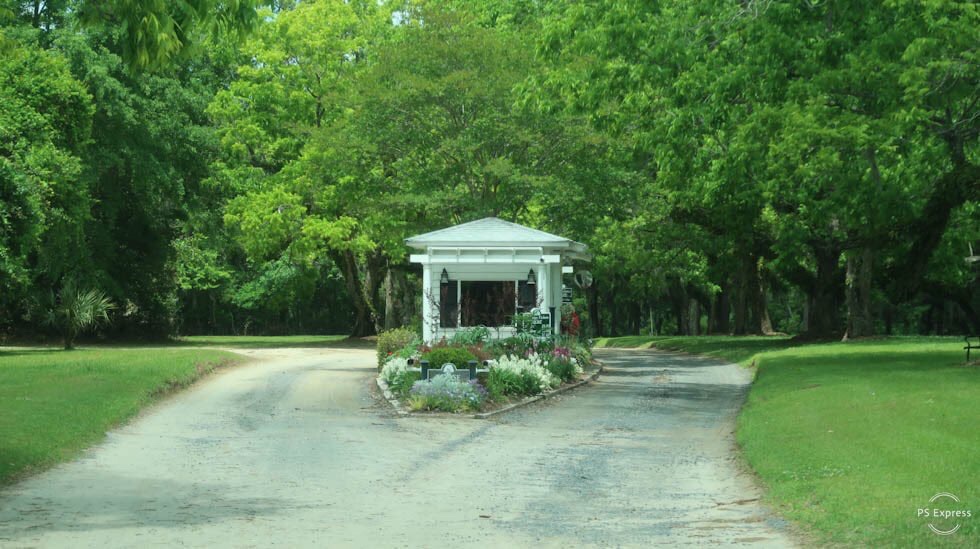
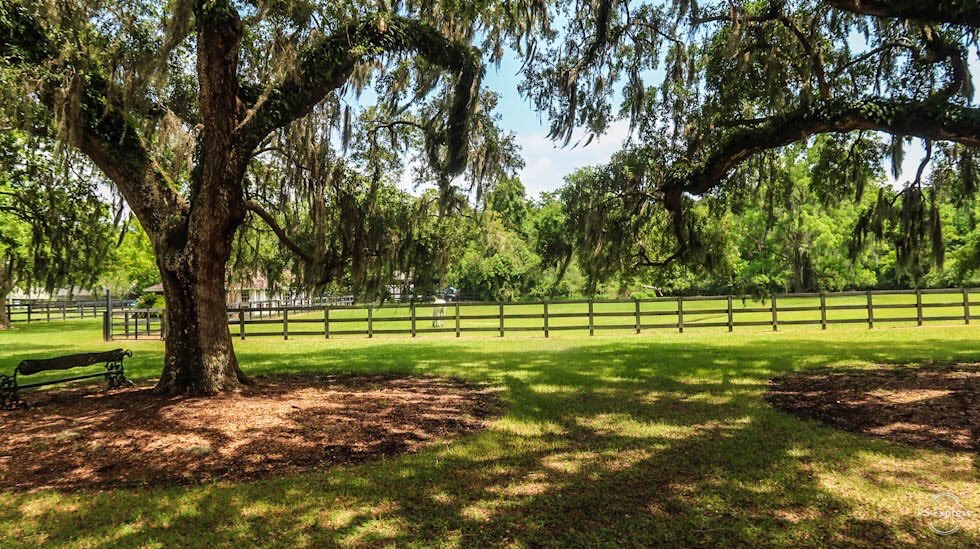
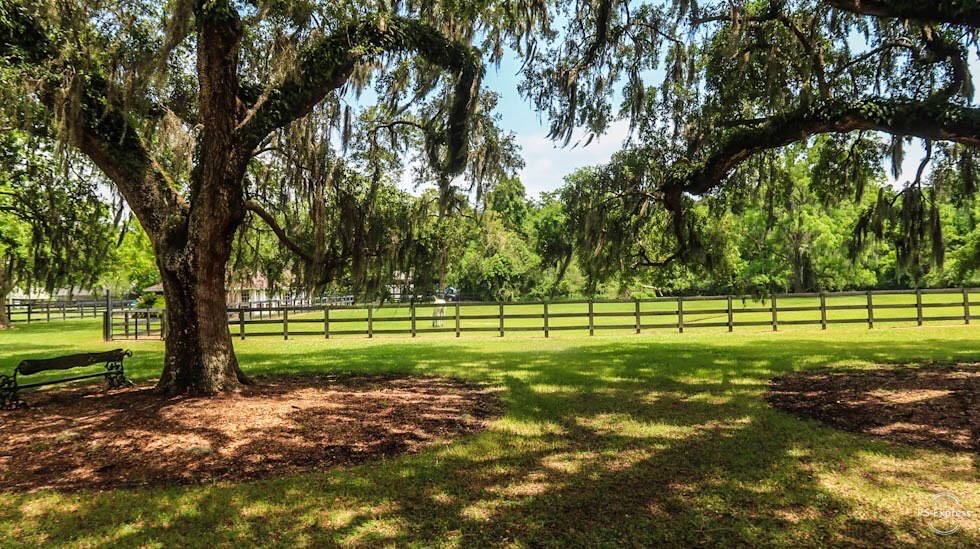
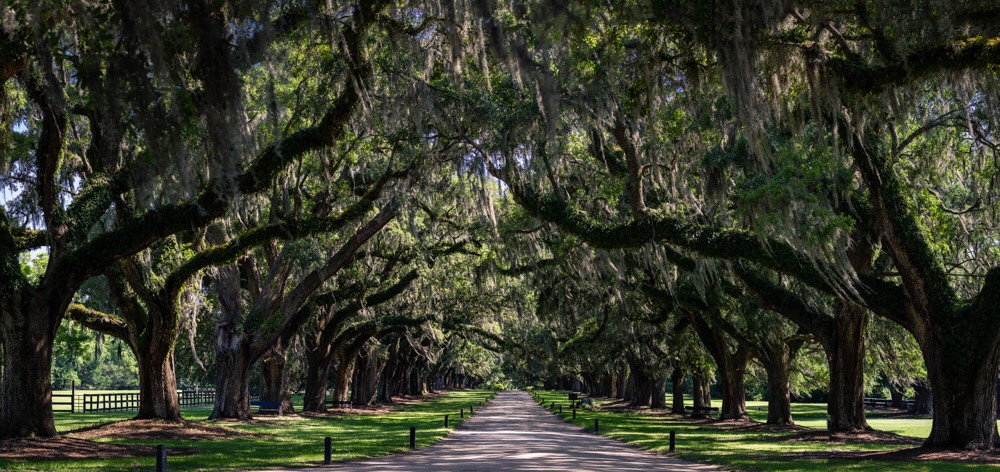
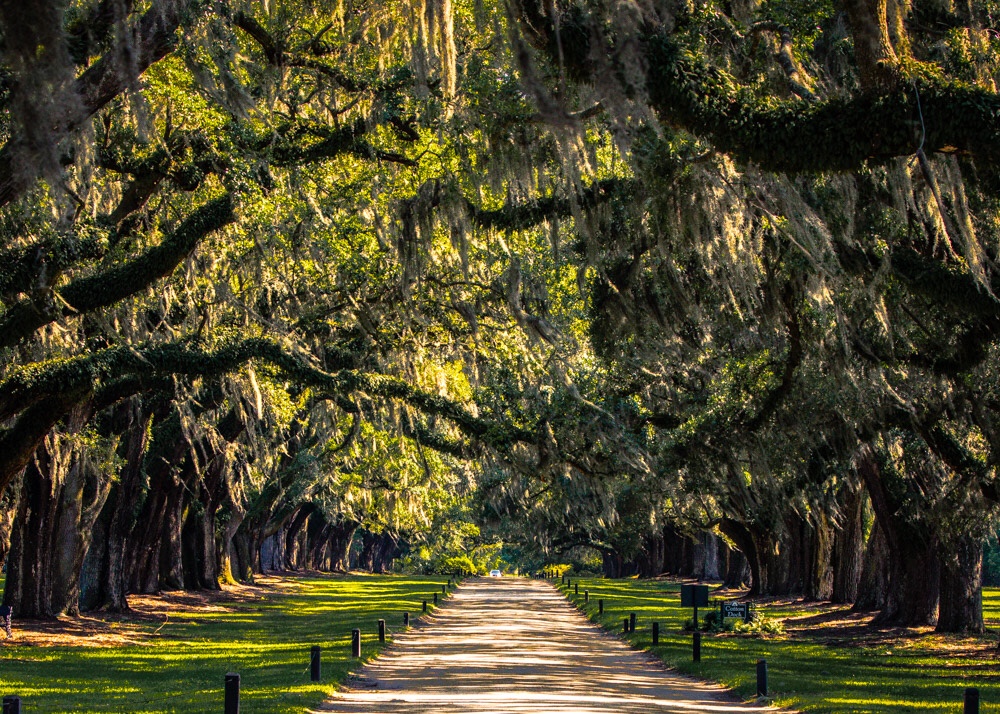
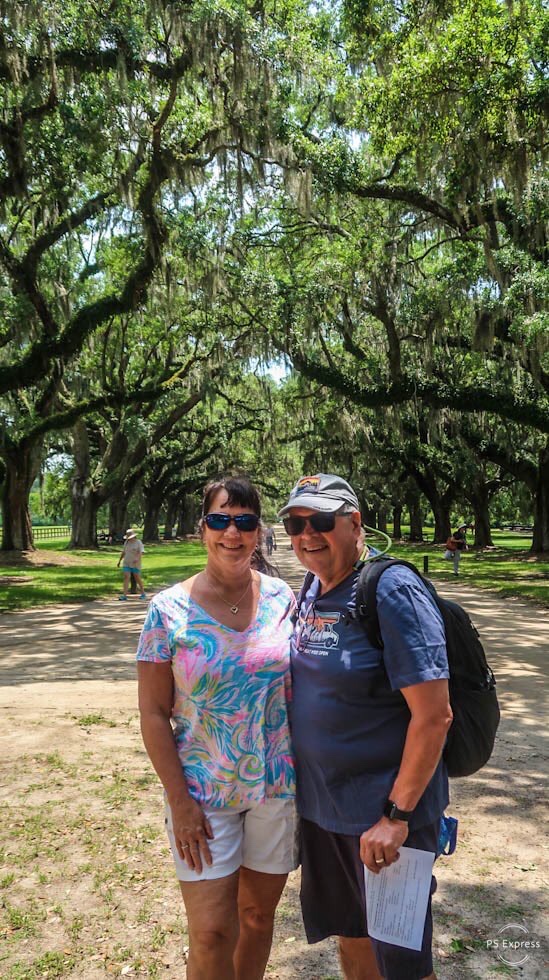
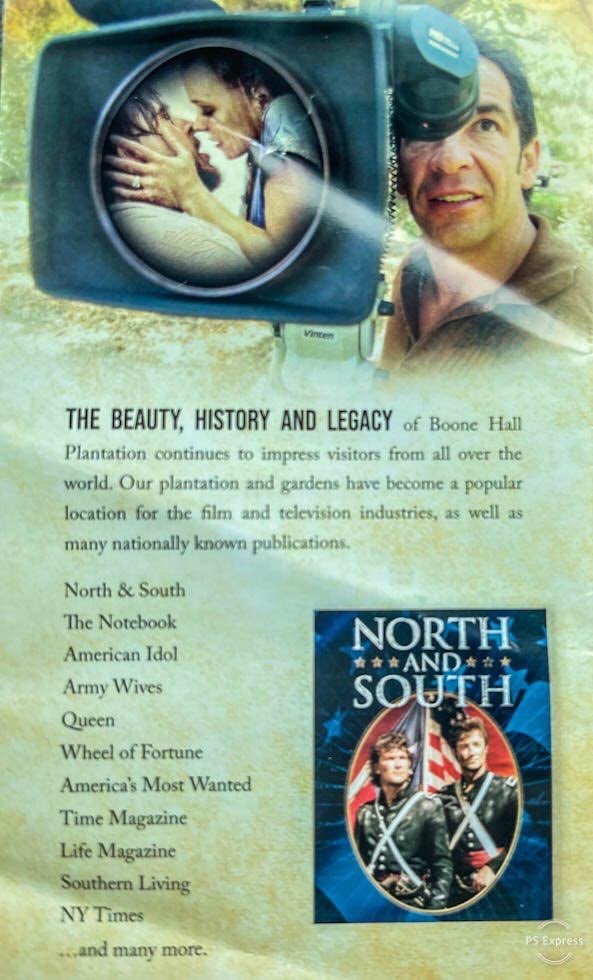
Boone Hall Plantation was founded in 1681 when Englishman Major John Boone came to Charleston and established a lucrative plantation and gracious home on the banks of Wampacheone Creek. The family and descendants of Major Boone were influential in the history of South Carolina, the colonies and the nation. In 1743, the son of Major John Boone planted live oak trees, arranging them in two evenly spaced rows. This spectacular approach to his home symbolizes southern heritage and will take root in your memory for many years to come. It would take two centuries for the massive, moss-draped branches to meet overhead, forming today’s natural corridor and a scene that NBC Daytime television says is “a must see stop on any trip to Charleston, S.C.” Boone Hall has also been recognized as the #1 Plantation in the Charleston Area by USA TODAY 10BEST.
Boone Hall Plantation is listed on the National Register of Historic Places, located in Mount Pleasant. The plantation is one of America’s oldest plantations still in operation. It has continually produced agricultural crops for over 320 years. It sits on 738 acres. There are preserved wetlands, creeks, ponds, & areas of cultivated, seasonal crop fields.
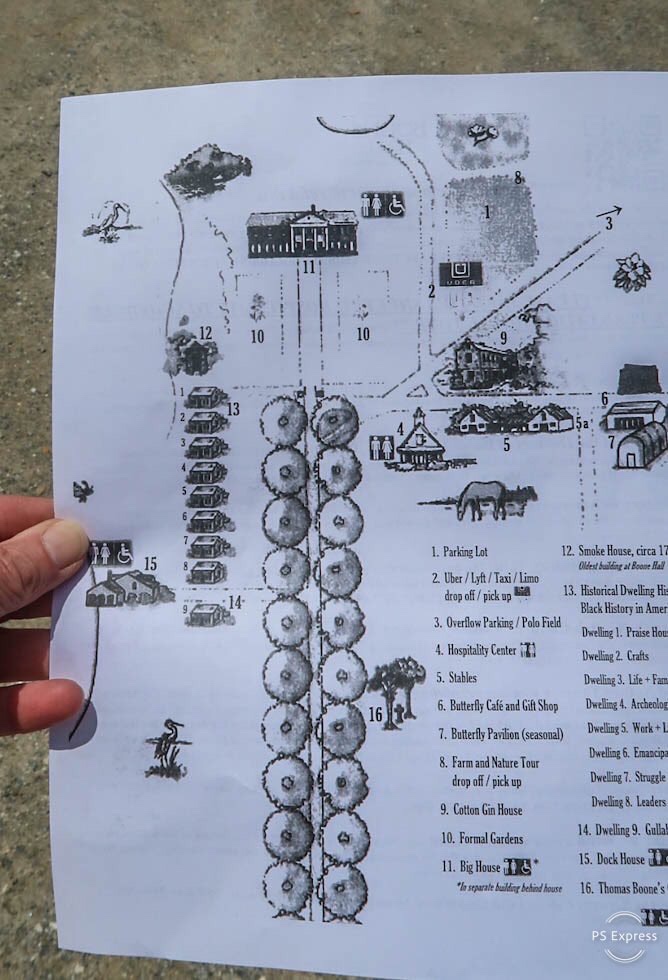
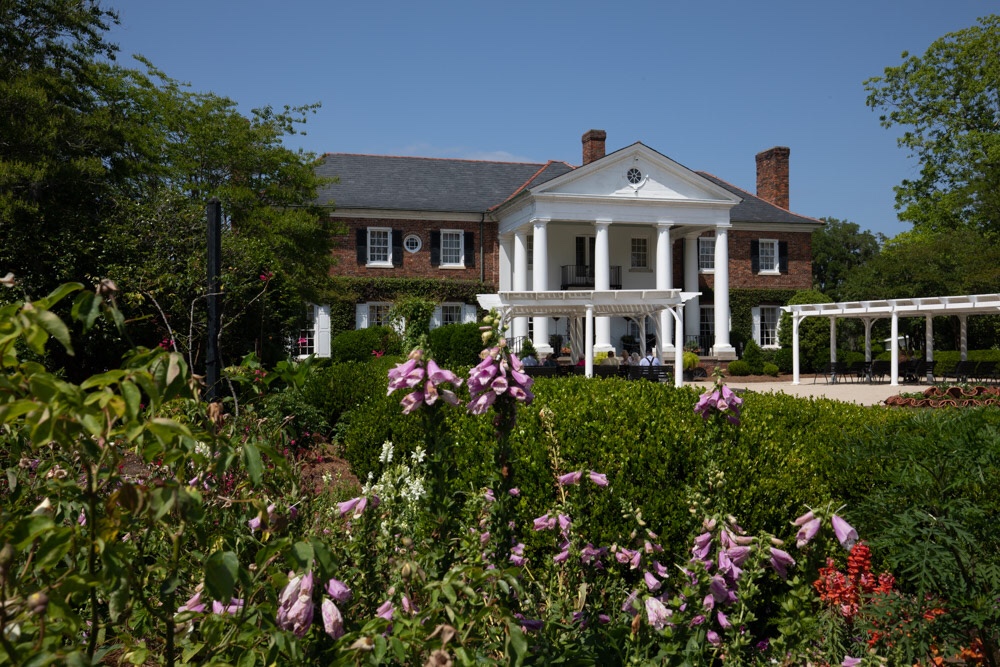
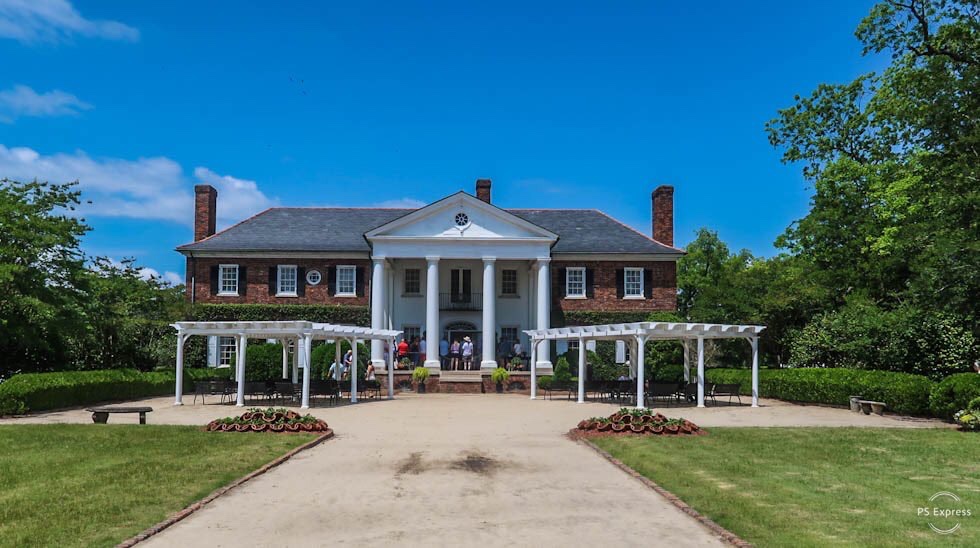
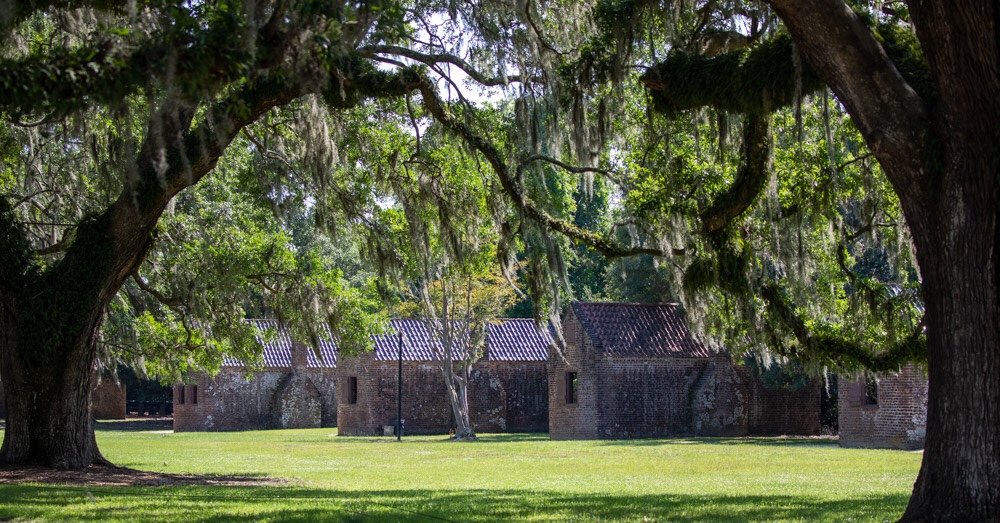
The historic district includes a 1936 Colonial Revival-style dwelling, and multiple significant landscape features, including an Allée of southern live oak trees. On axis with the front facade of the house, the allée consists of 88 live oak trees and one magnolia, that are evenly spaced. It runs for 3/4 of a mile from the entrance of the plantation to a pair of brick gateposts. The gateposts are topped with ball finals, hung with formal wrought iron gates and, along with a brick serpentine wall, enclose the forecourt of the house. Open lawns at each side of the entry drive are flanked by formal gardens with brick-paved paths, laid among large live oaks and planted with camellias, azaleas and Noisette roses. Visitors arriving to the house in the 19th century by carriage would have driven through the tunnel of oaks, and past the many slave quarters to the left of the road. Their number and small massing would have starkly contrasted to the large, master’s house at the end of the drive. Such a vista symbolizes the place as a place of work and production, rather than leisure.
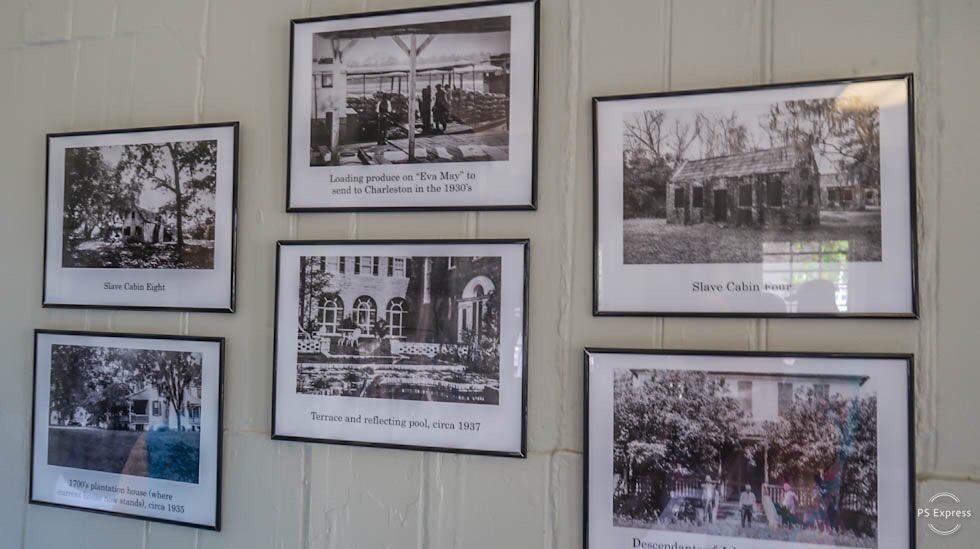
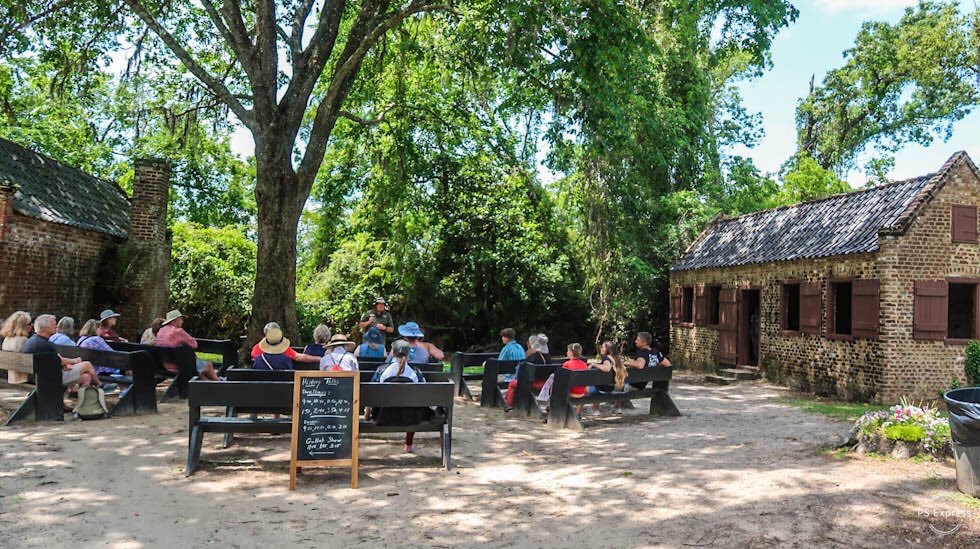
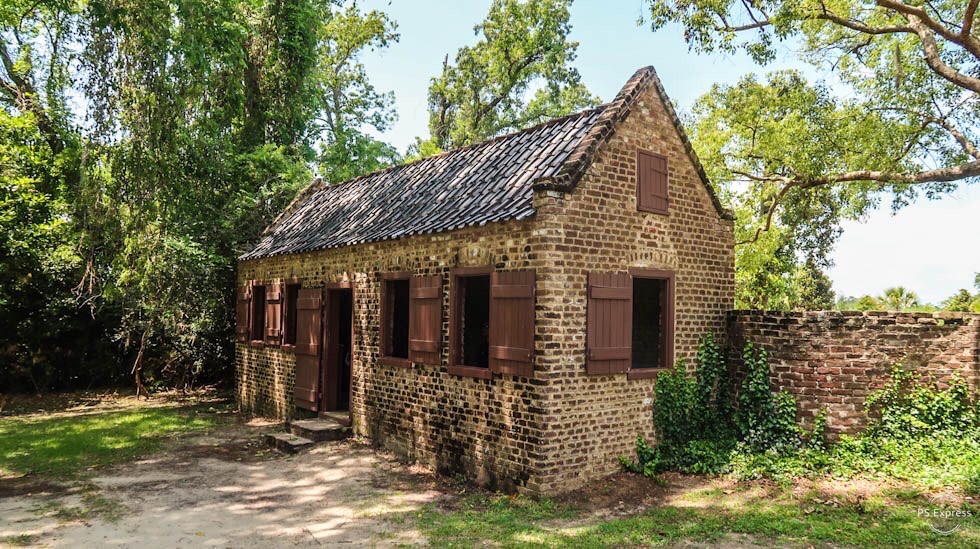
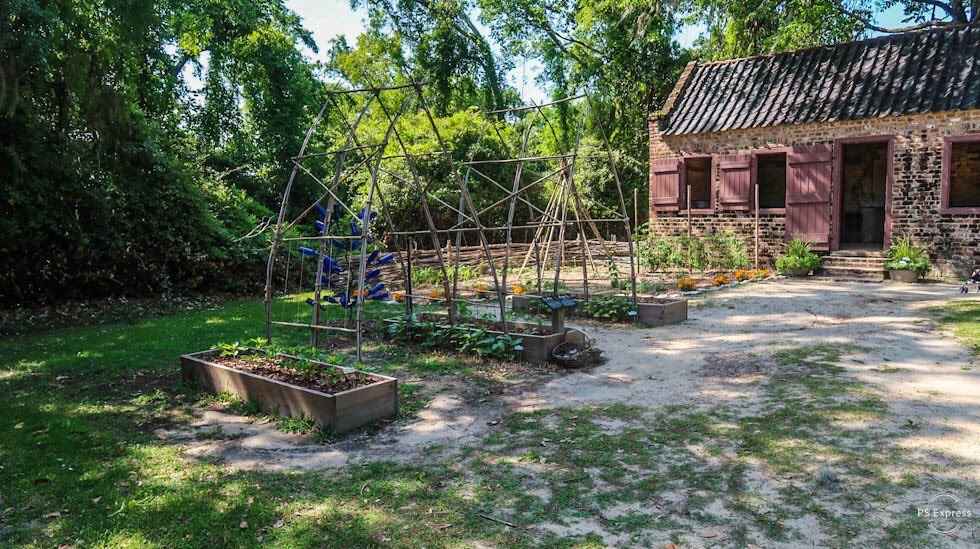
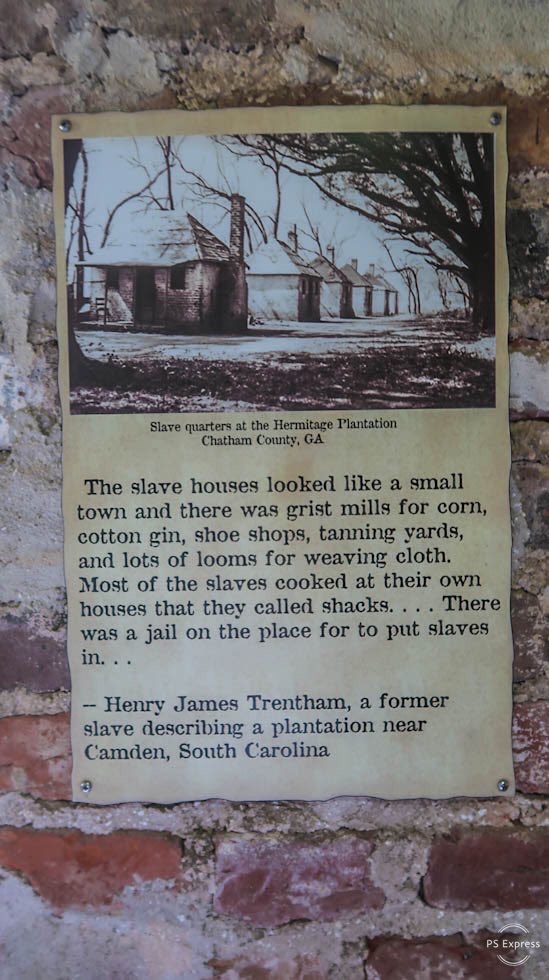
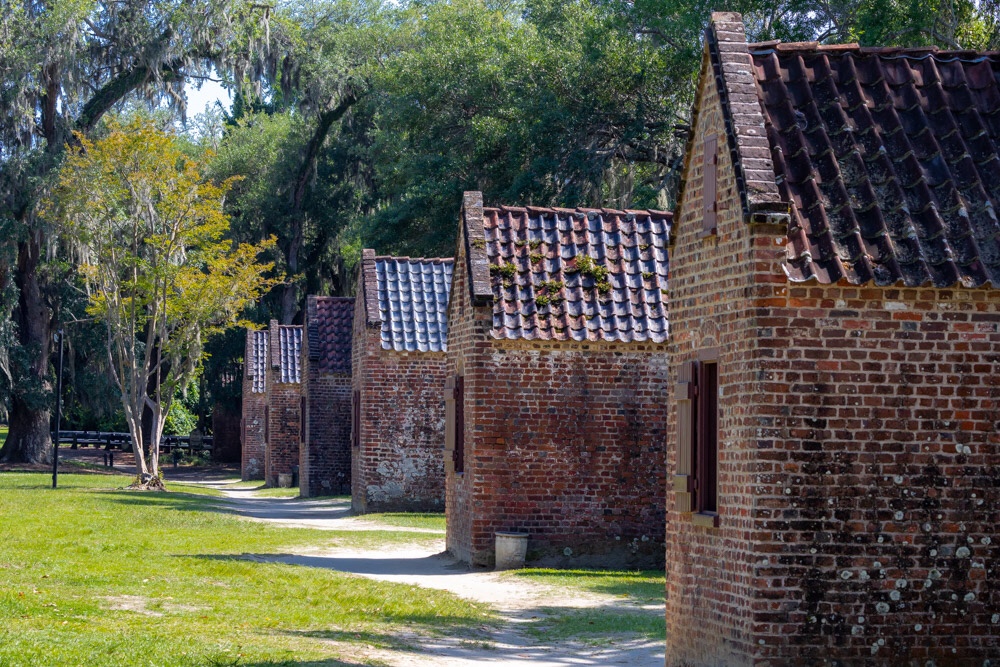
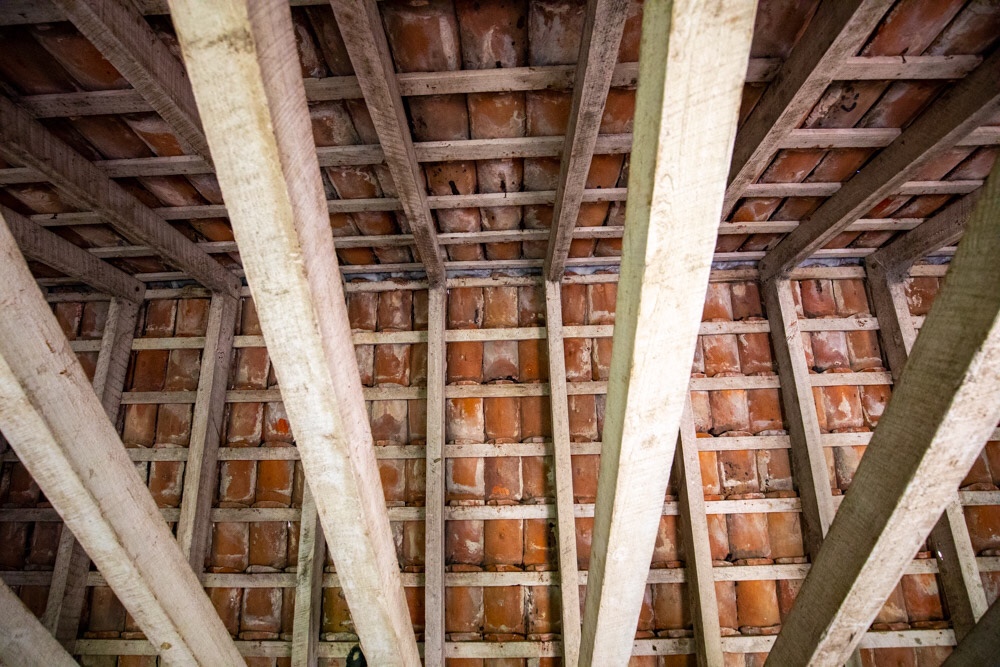
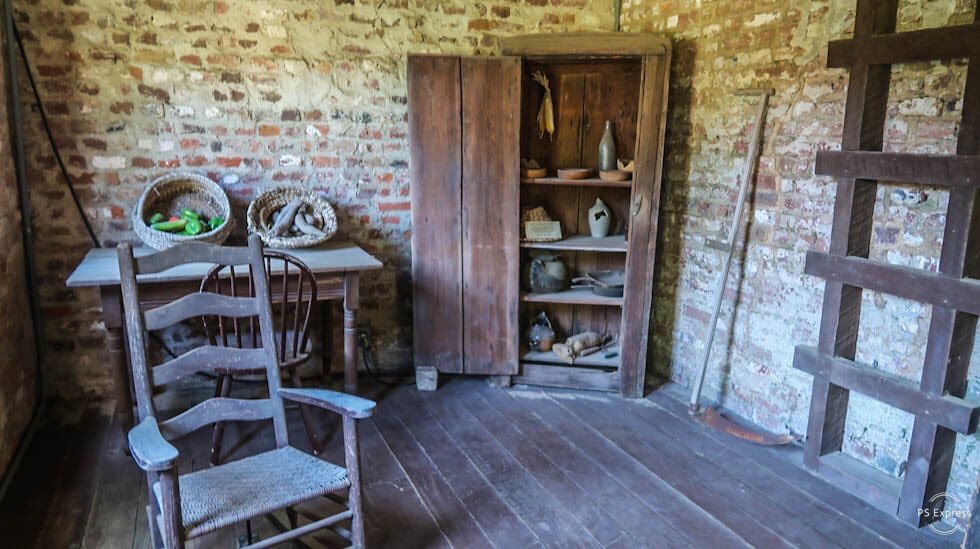
The first slave cabins were likely made of wood. These brick slave cabins date from between 1790 and 1810. Built of brick, the one-story structures are 12 feet by 30 feet with gabled roofs, have either plank or dirt floors, and a simple fireplace with a brick hearth and no mantle at the rear of each house. The cabins were in use well into the 20th century, as they were occupied by sharecroppers through the 1940s. These dwellings were continuously occupied by enslaved workers, then free sharecroppers for nearly 150 years, making them incredibly significant to the history of the site.
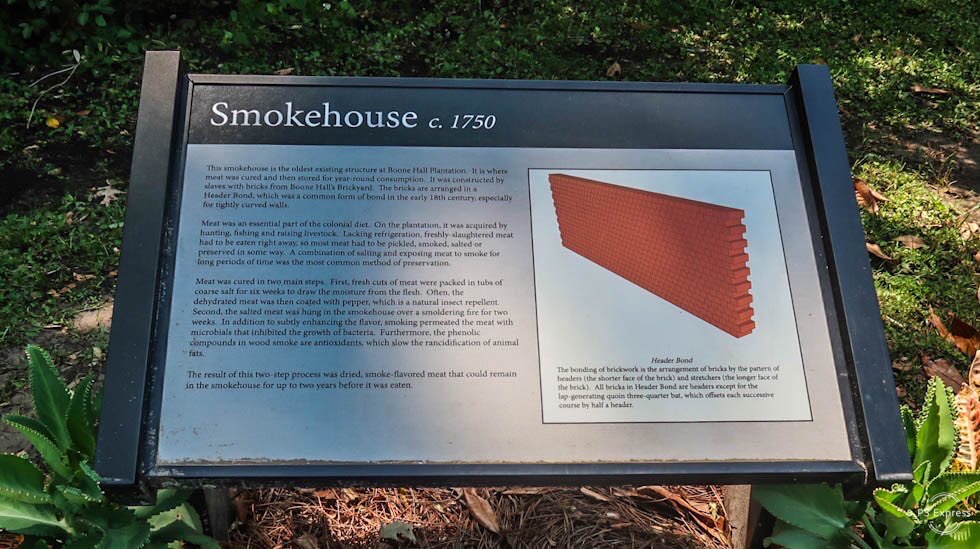
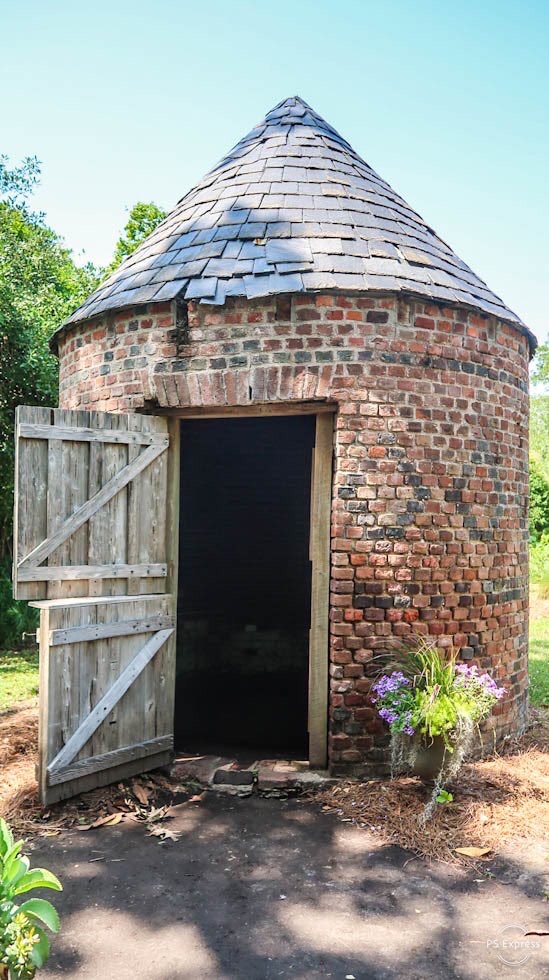
On the wide forecourt directly in front of the house are two pergolas, constructed in 1993 as part of the ongoing efforts to enhance the gardens. At the southwest edge of the gardens, within the serpentine wall, is a brick smokehouse dating from 1750.
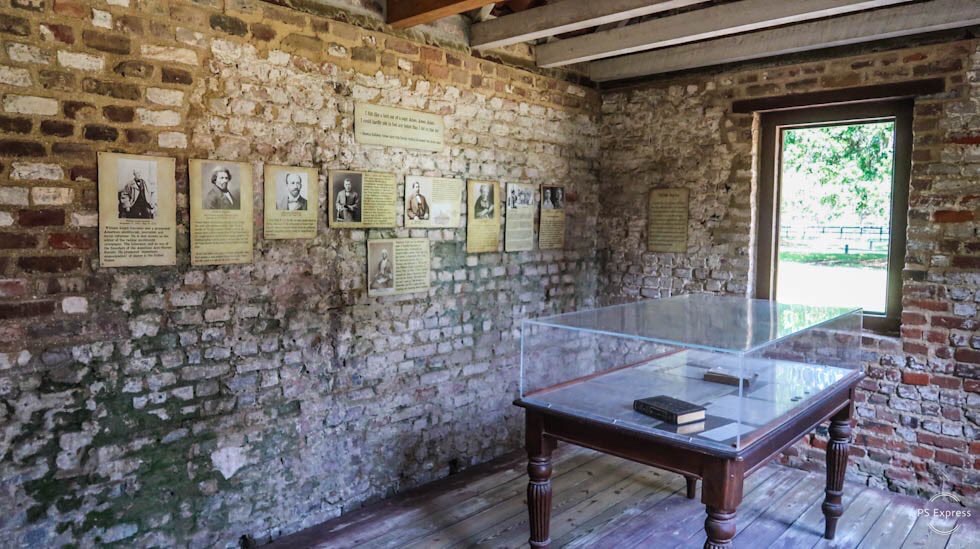
The discussion of slavery is often difficult, but it is an important topic that must be discussed openly and honestly whenever plantation life is addressed. Black History in America Exhibit features nine historic dwellings, built between 1790 and 1810, preserved on the property of Boone Hall Plantation.
Themes for each cabin are as follows:
Cabin 1 – Praise House
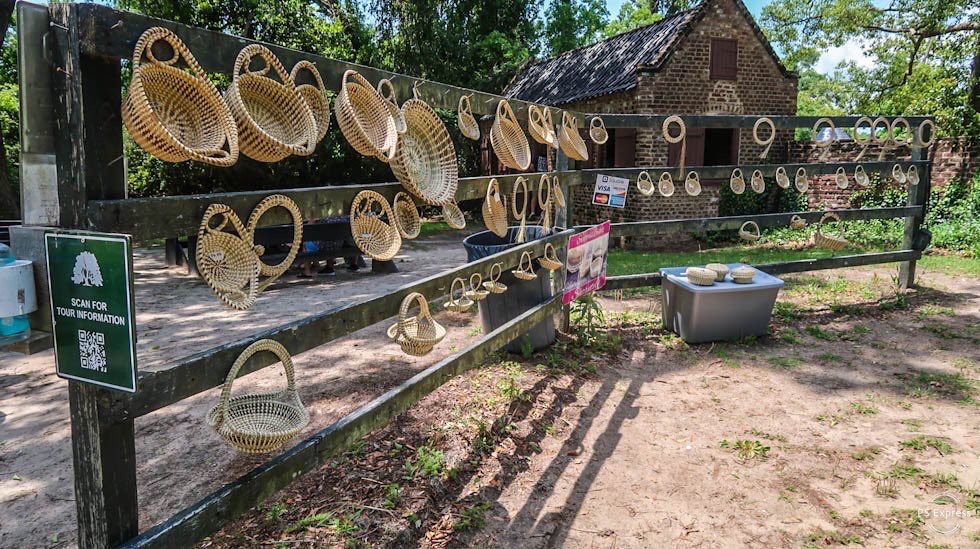
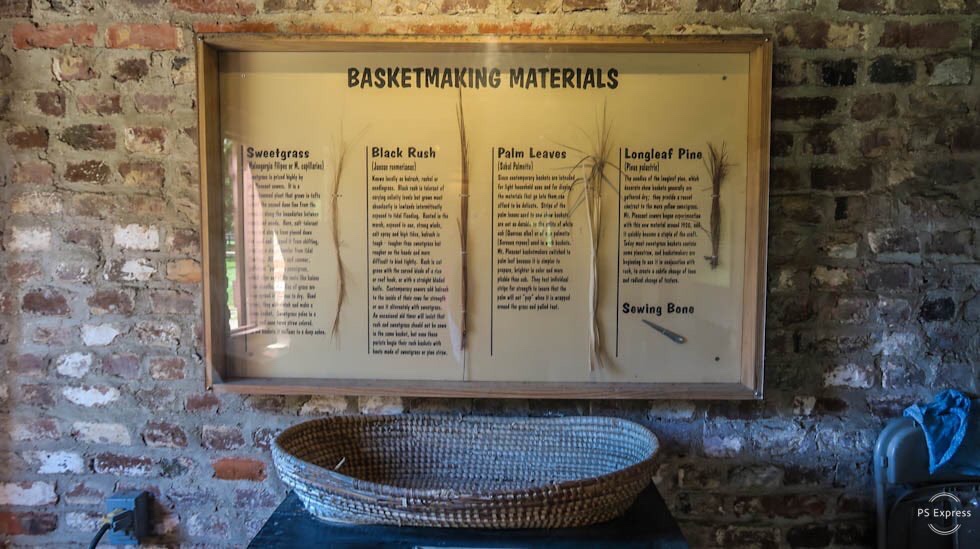
Cabin 2 – Heritage Of Sweetgrass Baskets
Cabin 3 – Their Life & Family
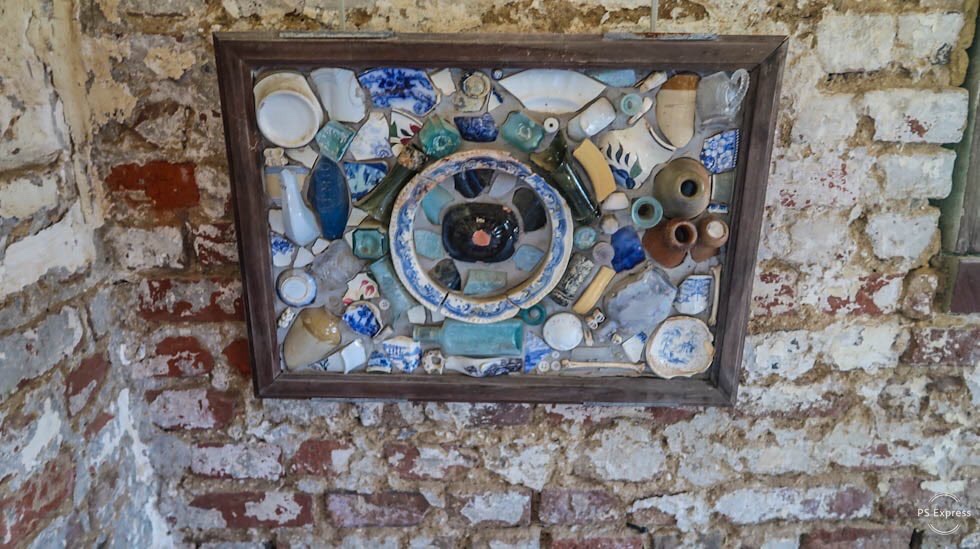
Cabin 4 – Archaeological Discoveries
Cabin 5 – Their Work and Life
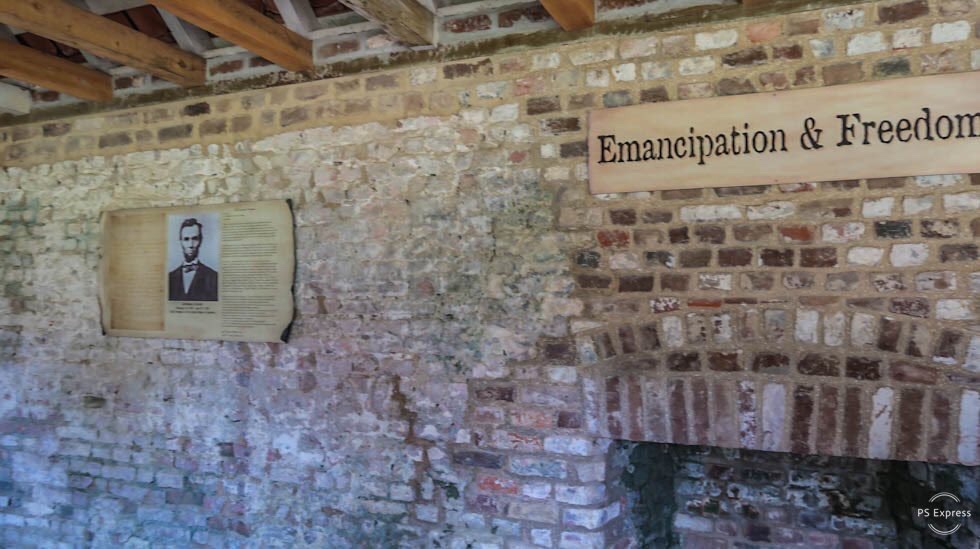
Cabin 6 – Emancipation & Freedom
Cabin 7 – Struggle For Civil Rights
Cabin 8 – Heroes and Leaders
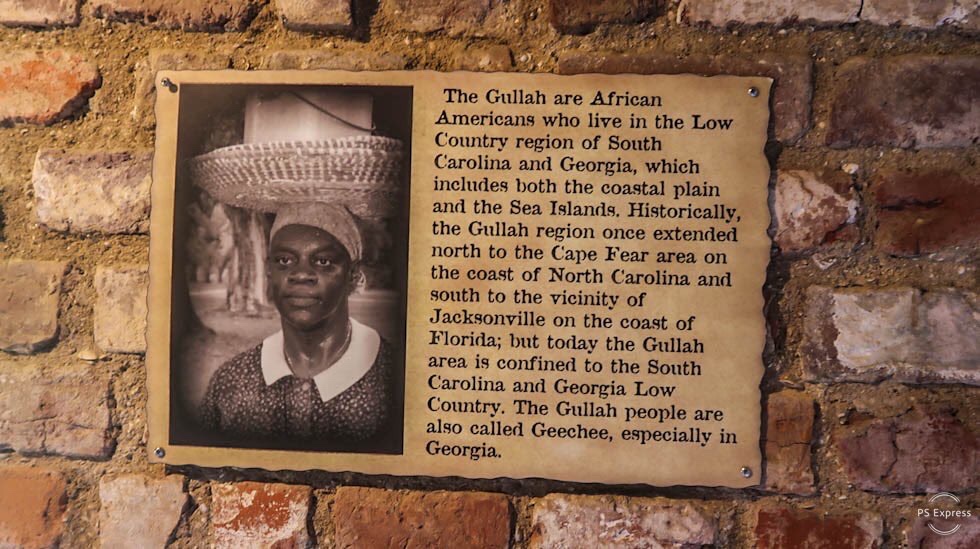
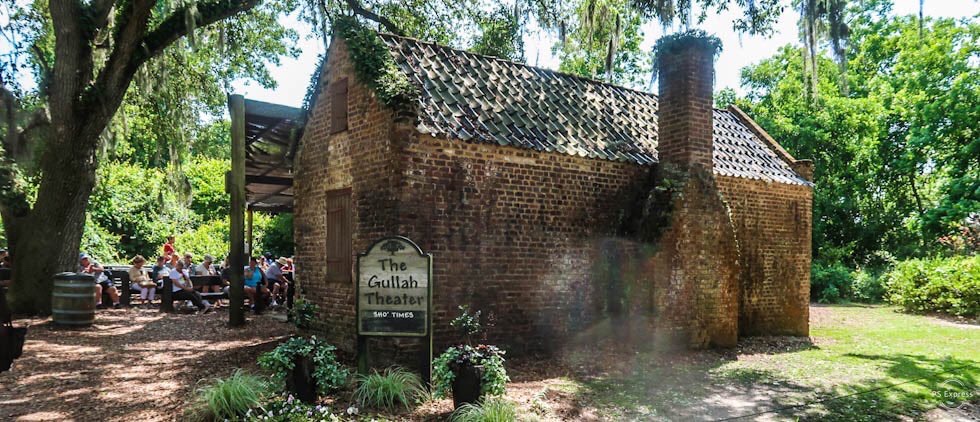
Cabin 9 – Exploring The Gullah Culture
Boone Hall is still owned by the McRae family, which has made great efforts to preserve the original structures and gardens. Due to its role in the antebellum south and the survival of its brick slave cabins, the site was named one of the African American Historic Places in SC.
EXPLORING THE GULLAH CULTURE
The history of the past is important. The difference is in how that history is presented. “Exploring The Gullah Culture” is a unique presentation where that difference can be experienced first hand. Boone Hall is the only plantation in the Charleston area to present a live presentation of this unique culture adapted by African slaves.
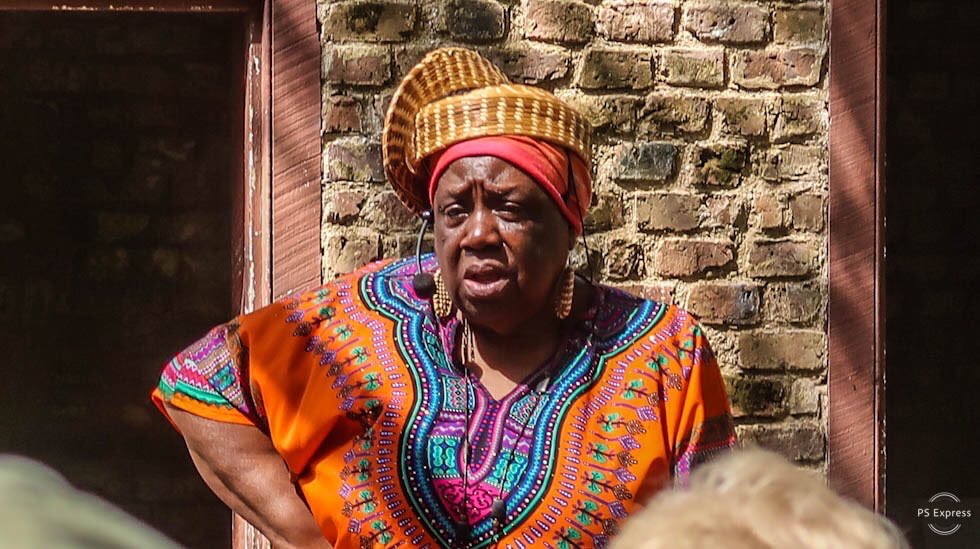
True descendants of the Gullah people present the history of this culture through storytelling, song, and dance that is at times educational, at times entertaining, and at times…very moving and emotional.
These Gullah ladies share uplifting spiritual messages of love and understanding of how through overcoming the hardships of the past have brought them to a better place today.
“We must leave the divisiveness of the past behind in order to move forward and claim the future.” Ms. Gloria Ford – Gullah Presenter

 Follow Tim & Sandy's Adventures
I enjoyed that soooo much esp Boone Plantation
LikeLiked by 1 person