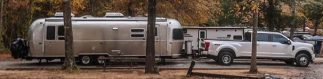

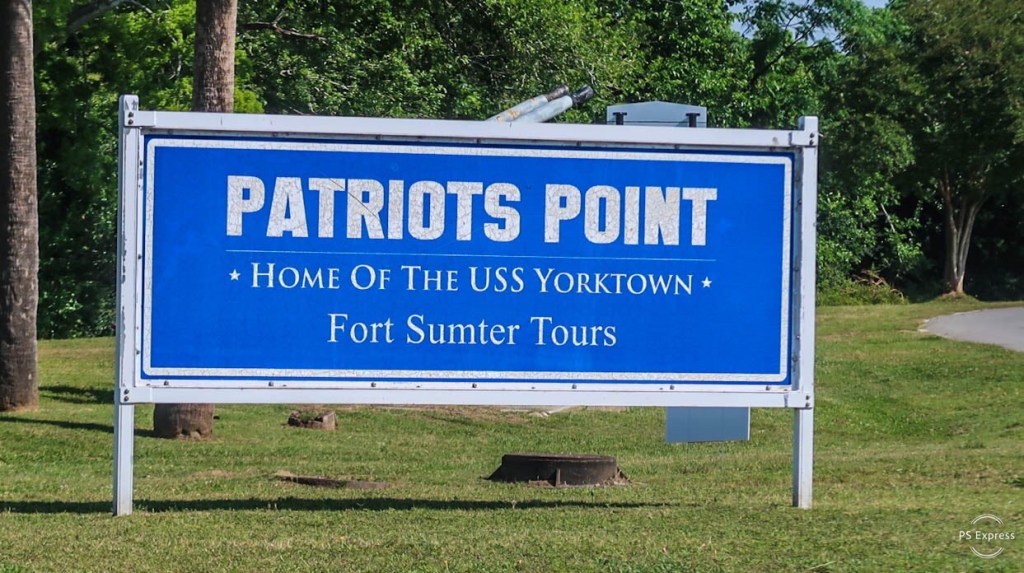
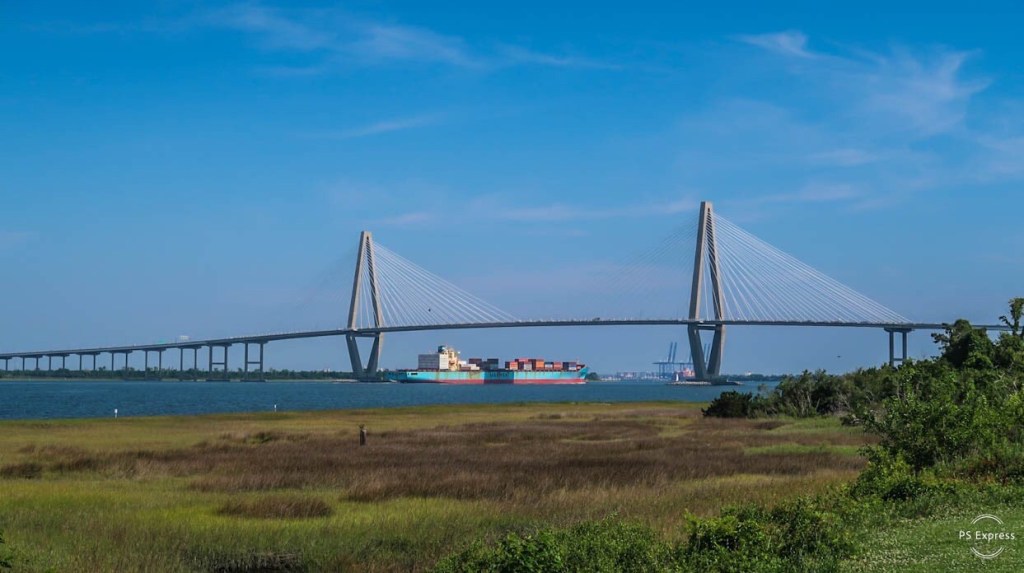
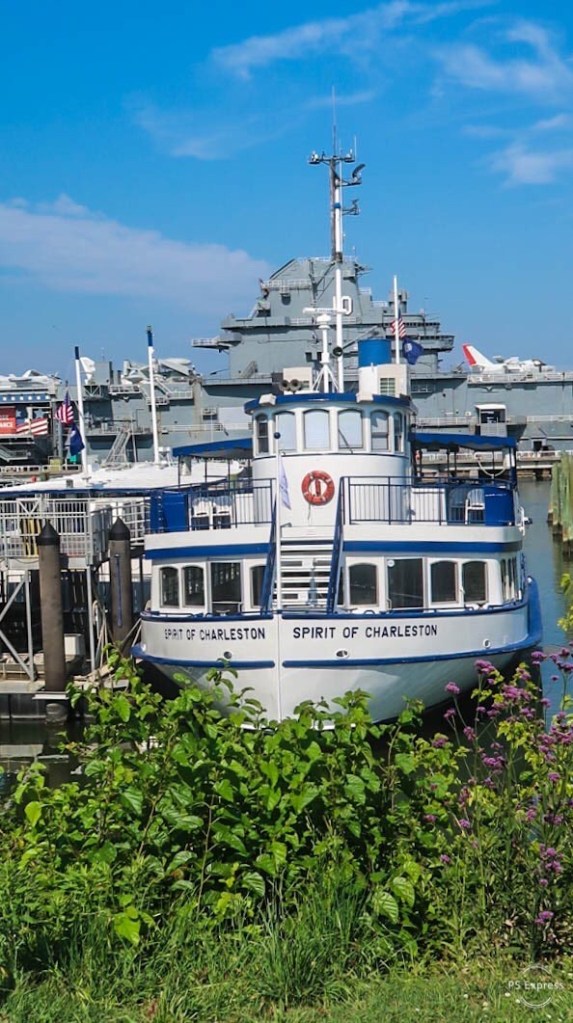
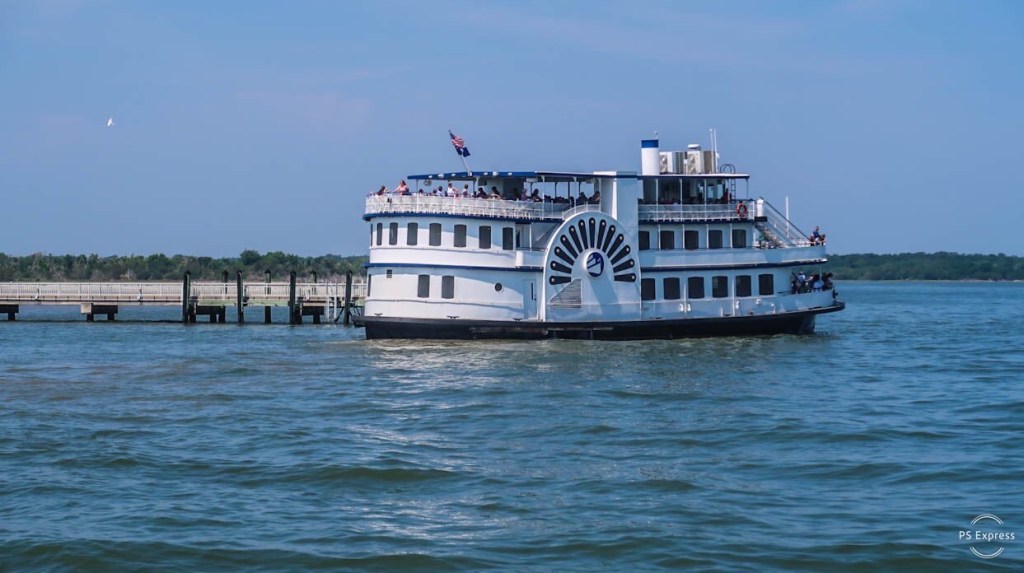
☀️Up at 7:30am – 76* with a high of 89*. 🥣 Breakfast of champions…oatmeal! 🤦🏻♀️ Remember all that free tea we had yesterday….well all that caffeine kept me awake till 2:30am even with a sleeping pill! 9 am – Leaving for another adventurous day! Arrived at Patriots Point at 9:45. $5.00 to park. We bought the combo tickets so we walked around the grounds & the gift shop till it was time to board the boat.🛥️ The joke of the day was that we were with the tour group from a cruise Holland America ship …. They made us wait to board but then waved us through instead of scanning our tickets to board! 🤣 Saw a few dolphin pods along the ride. 🐬
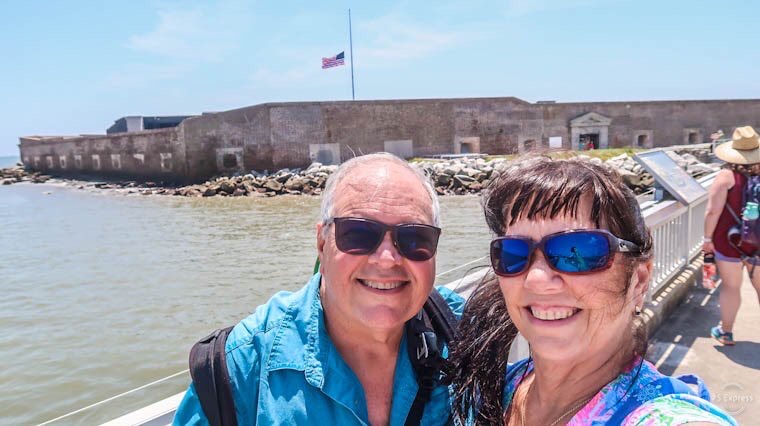
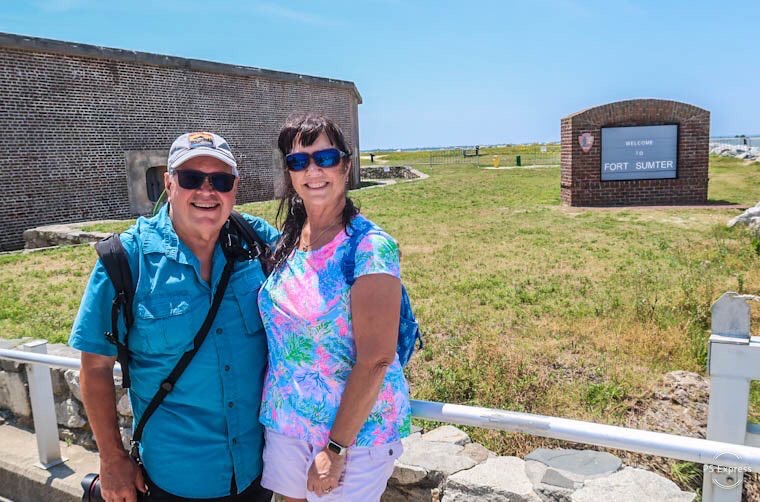
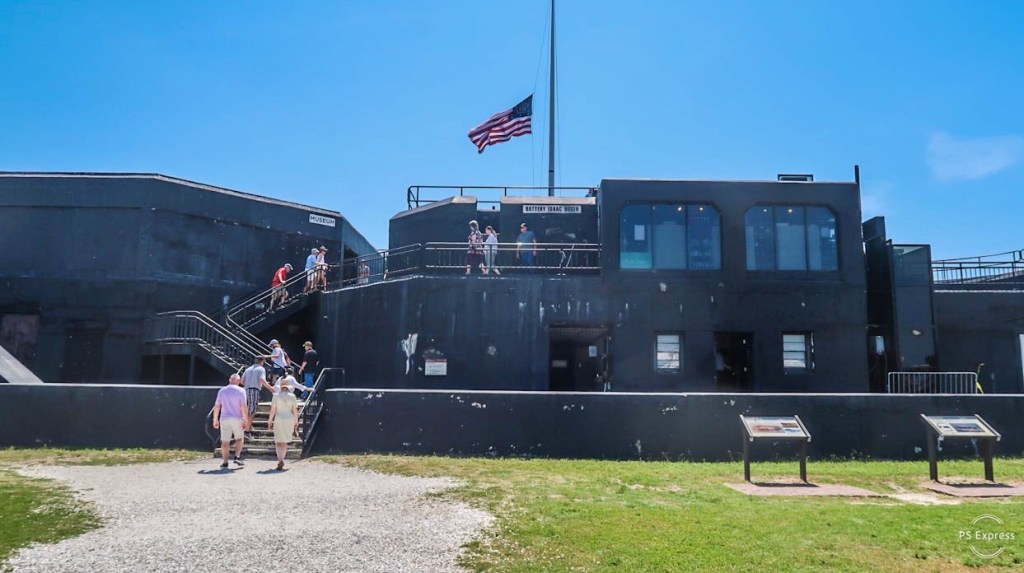
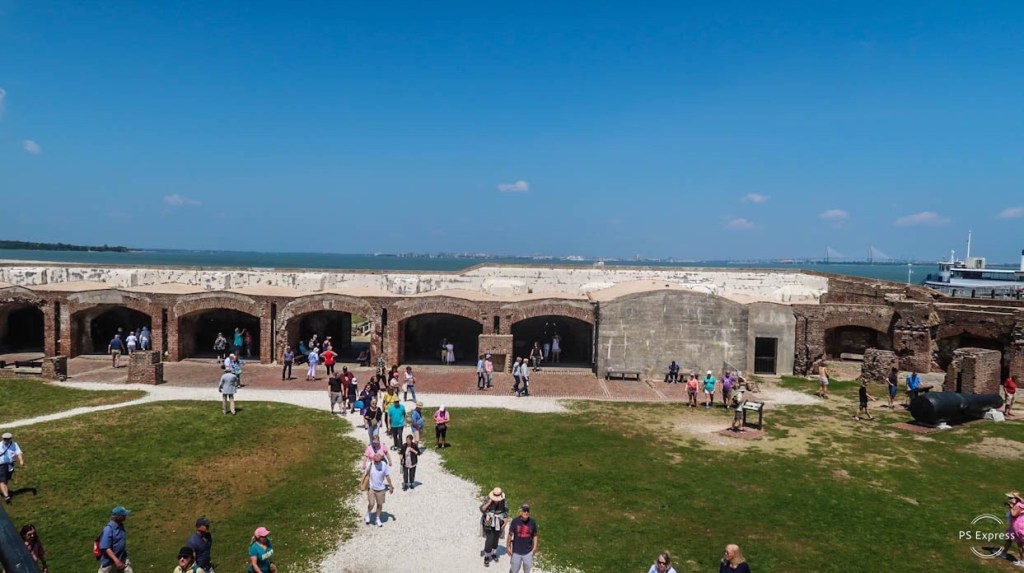
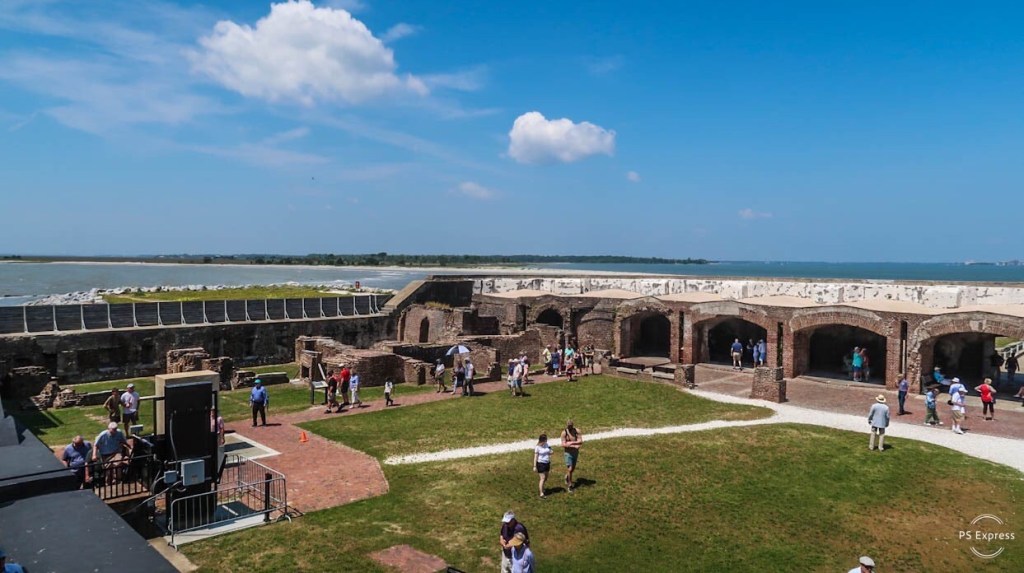
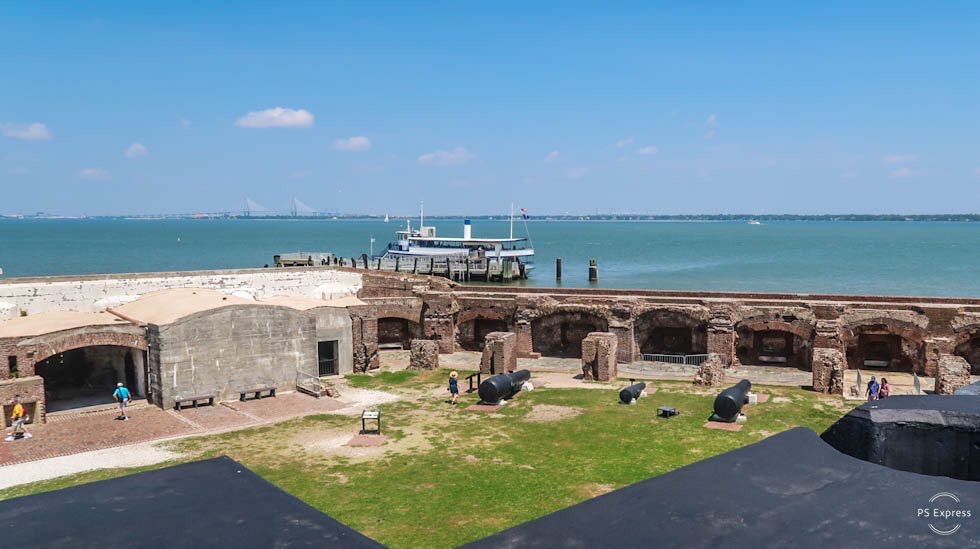
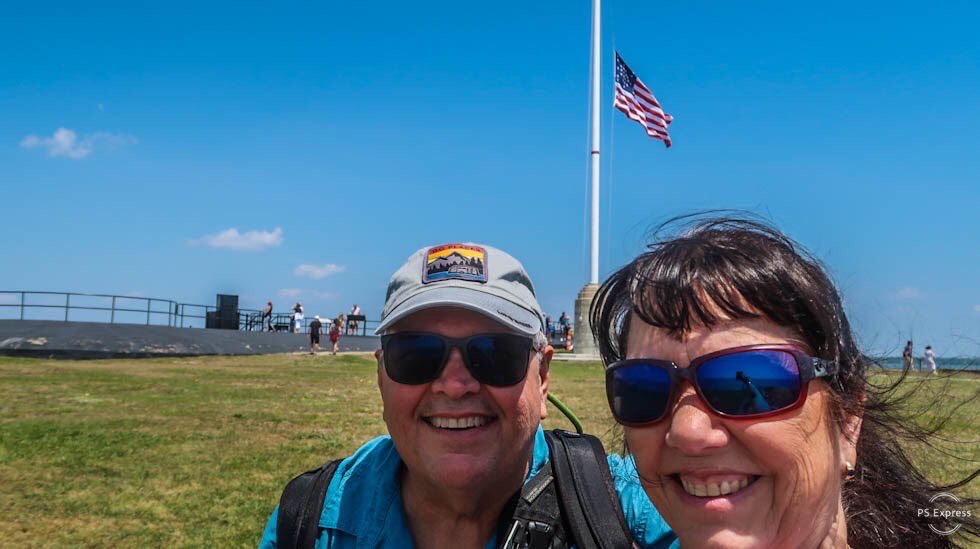
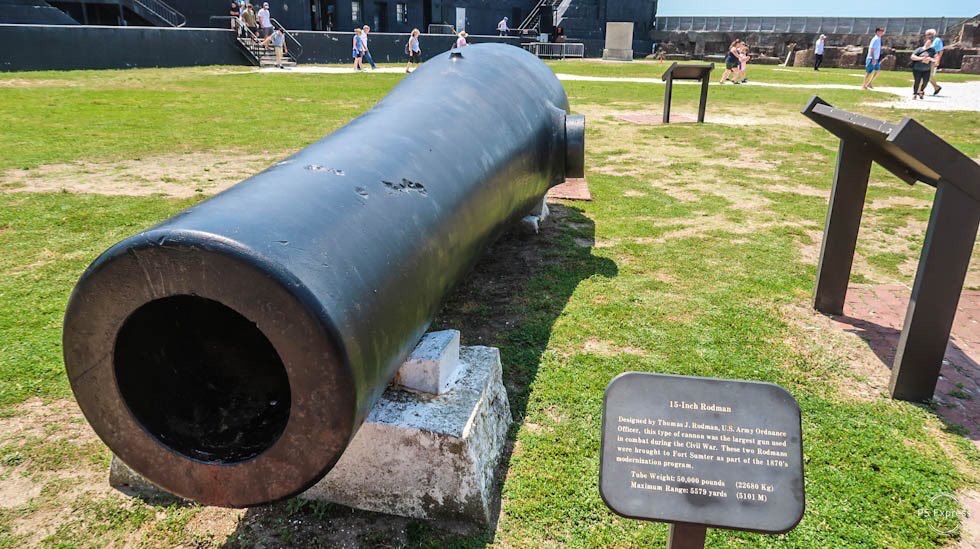
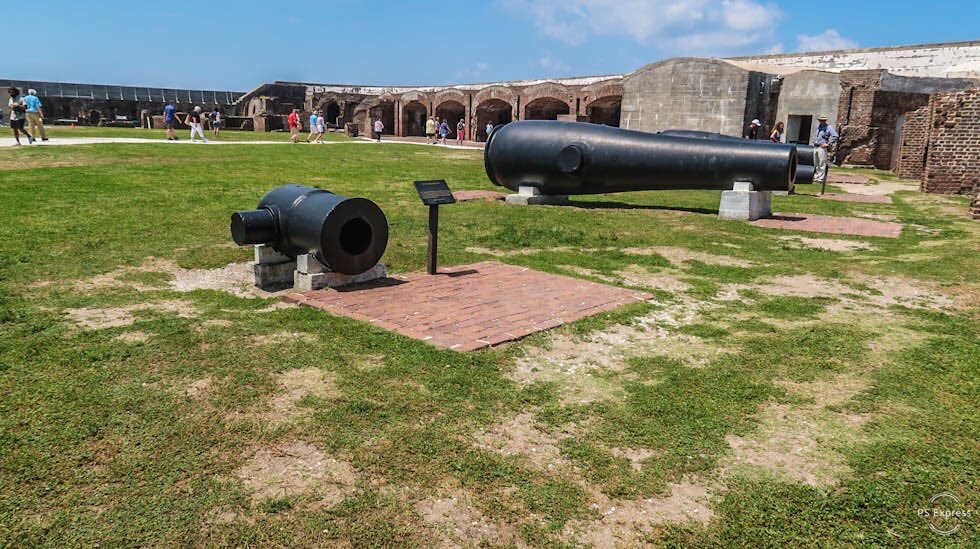
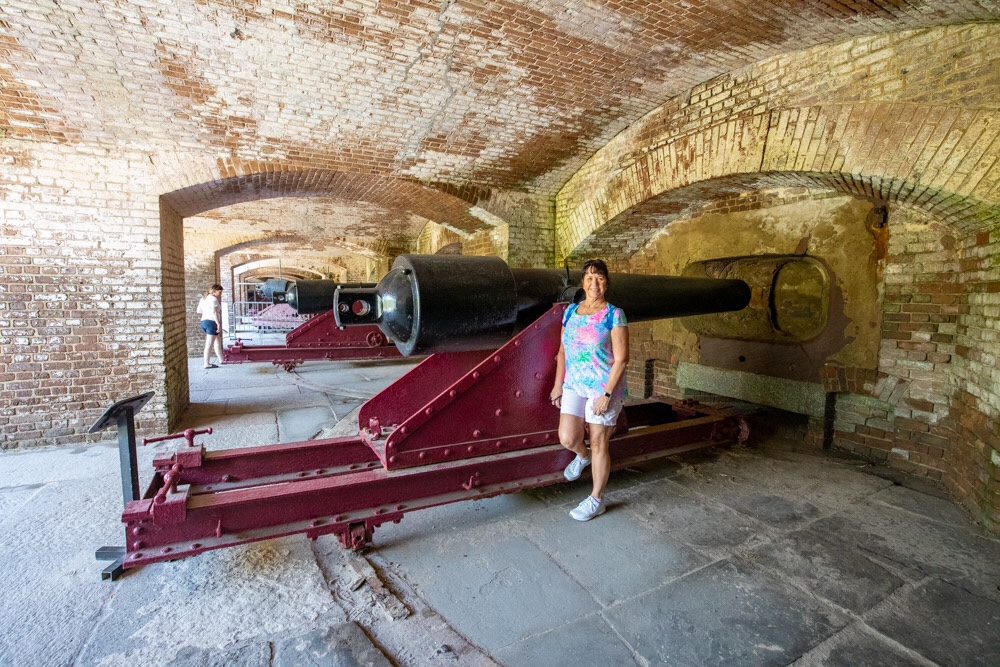
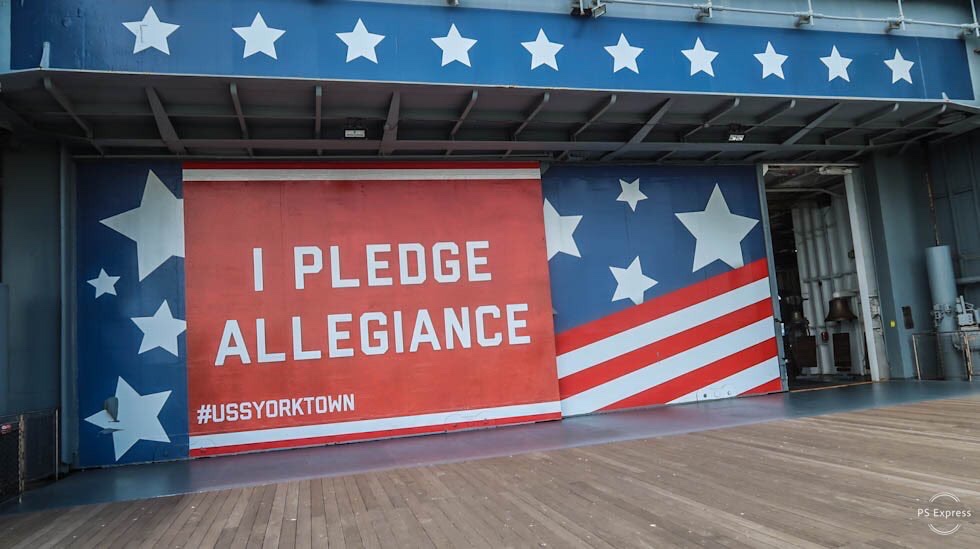
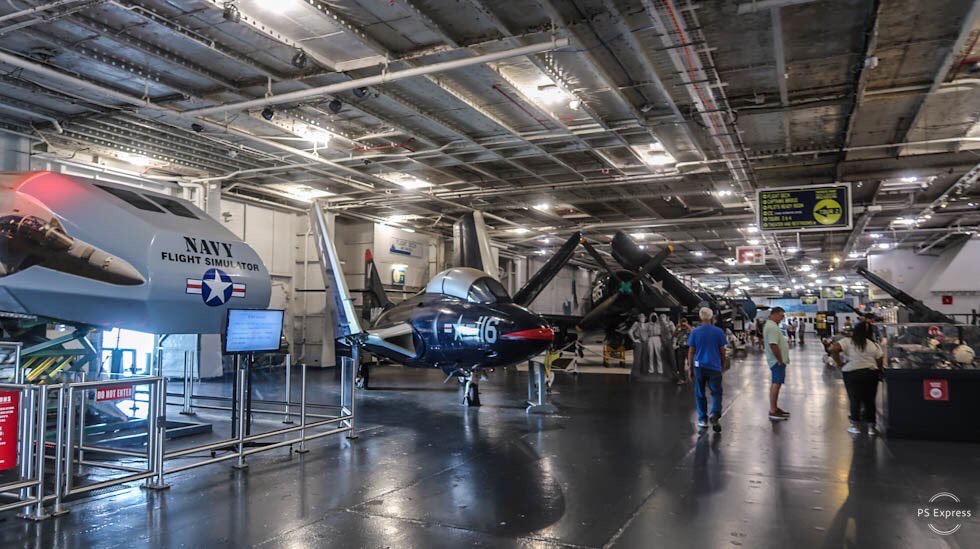
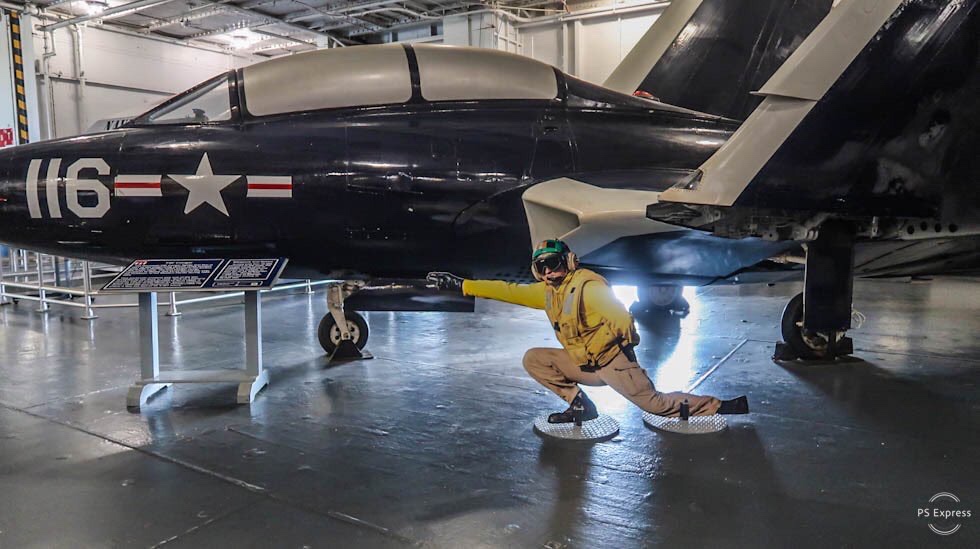
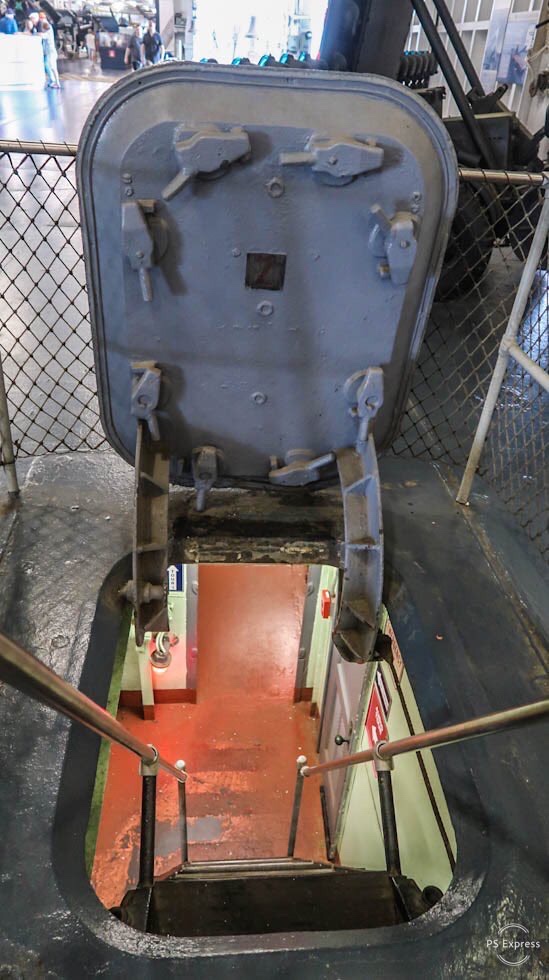
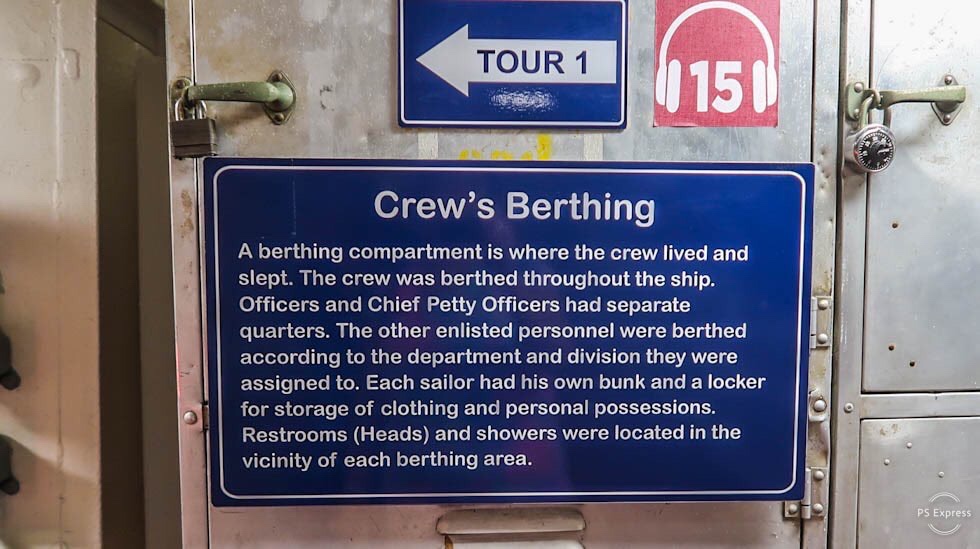
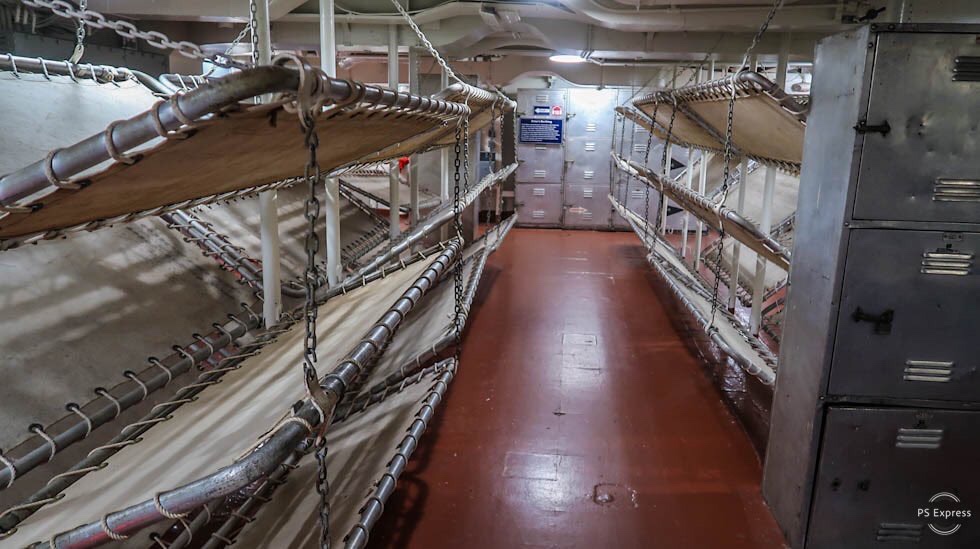
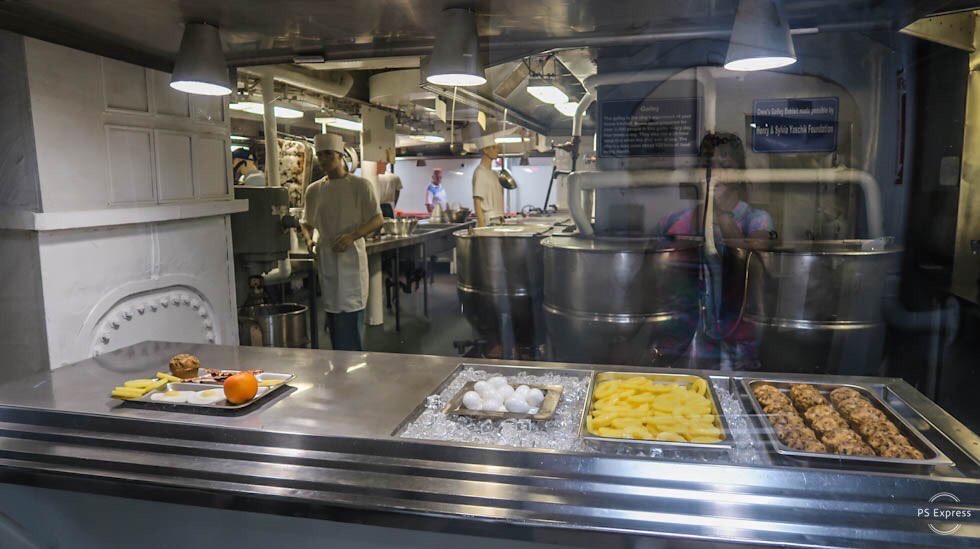
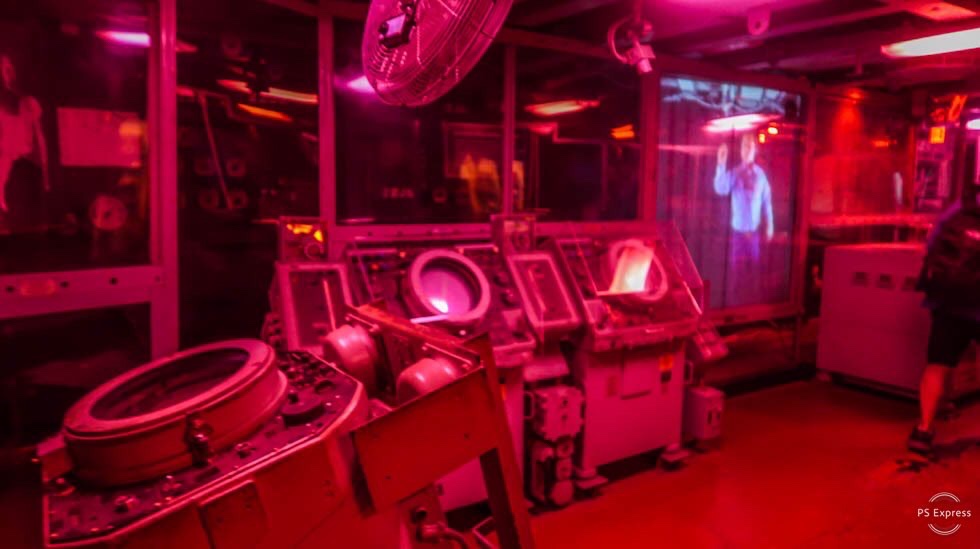
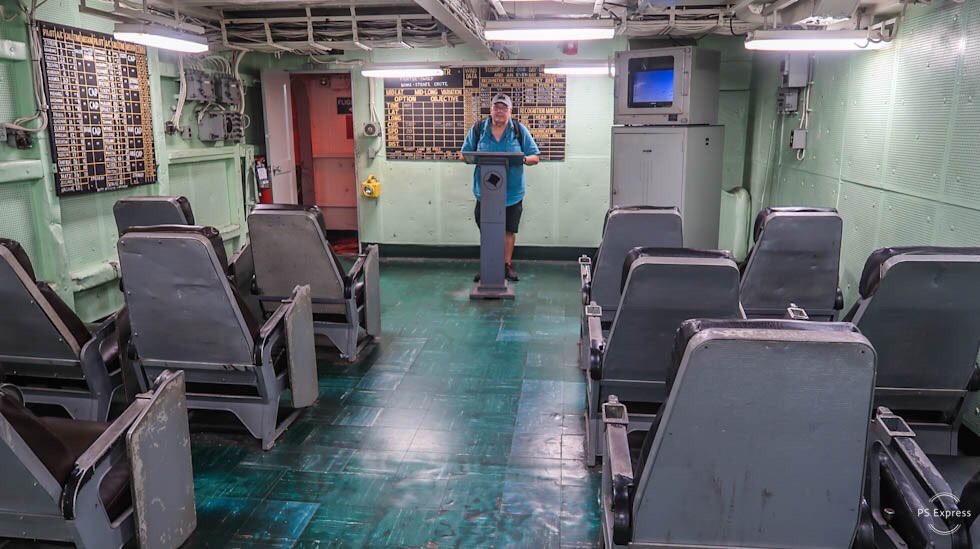
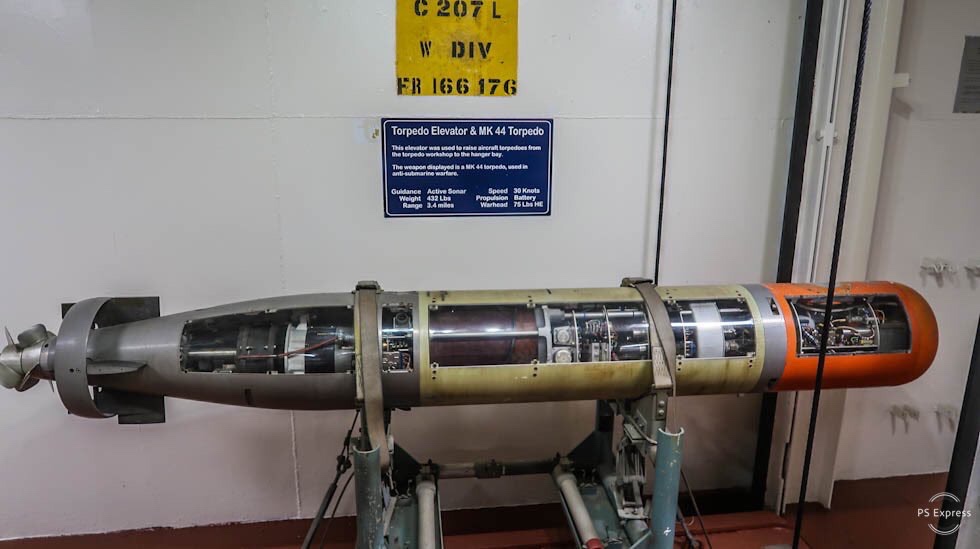
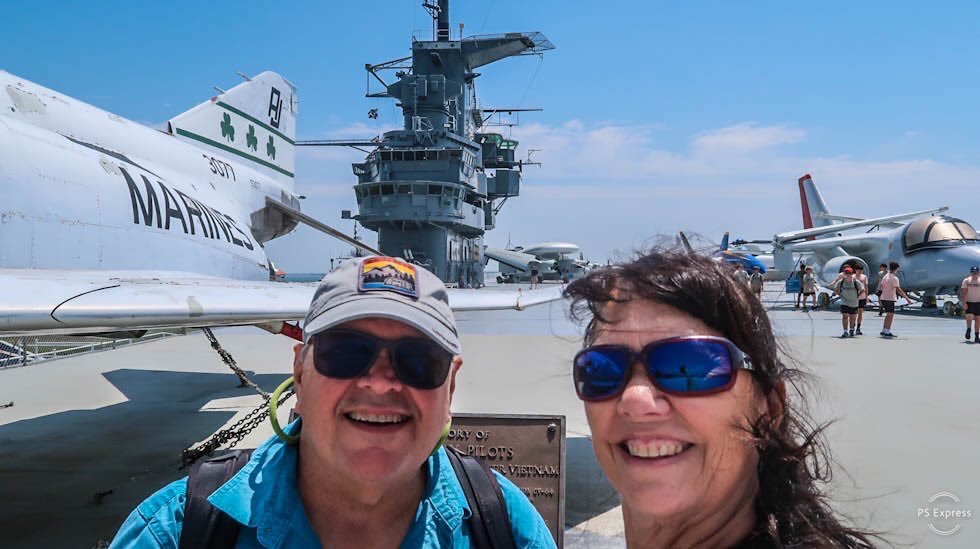
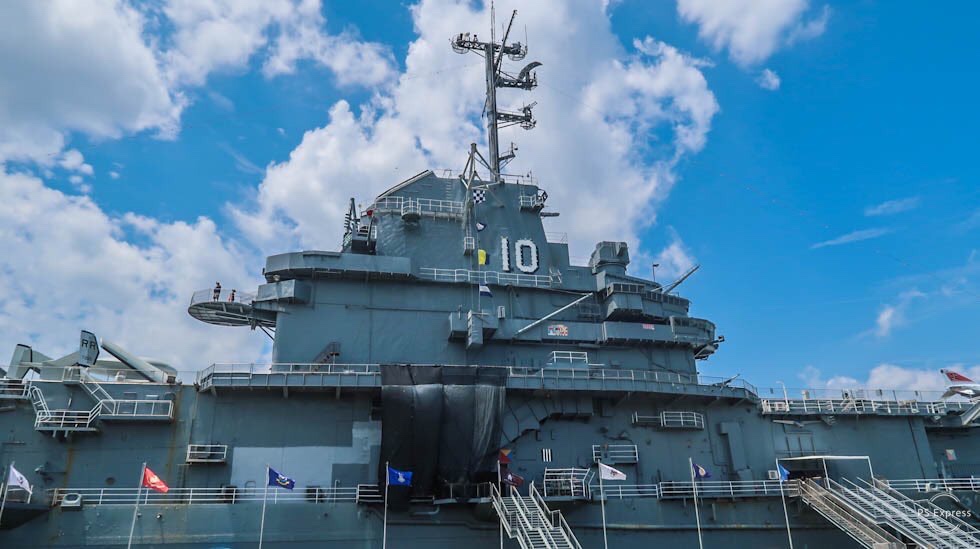
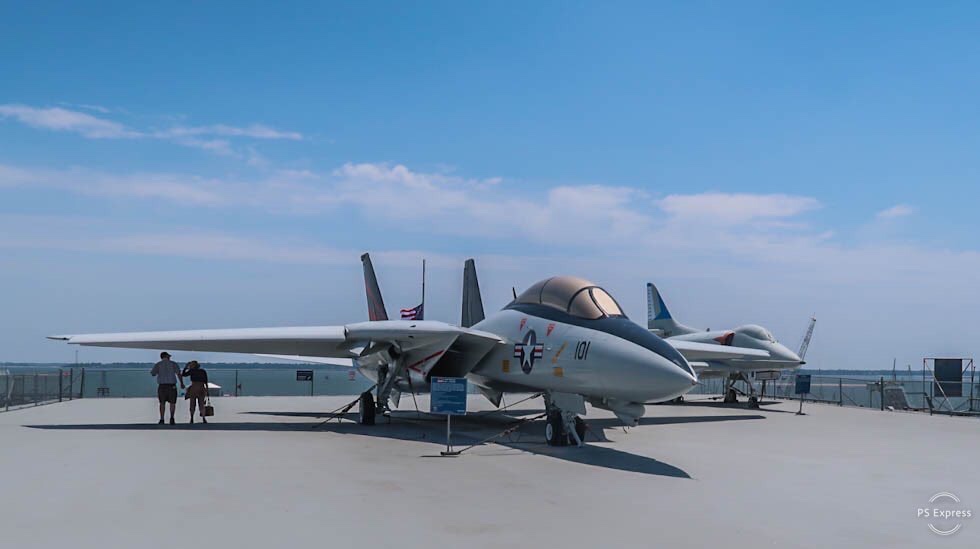
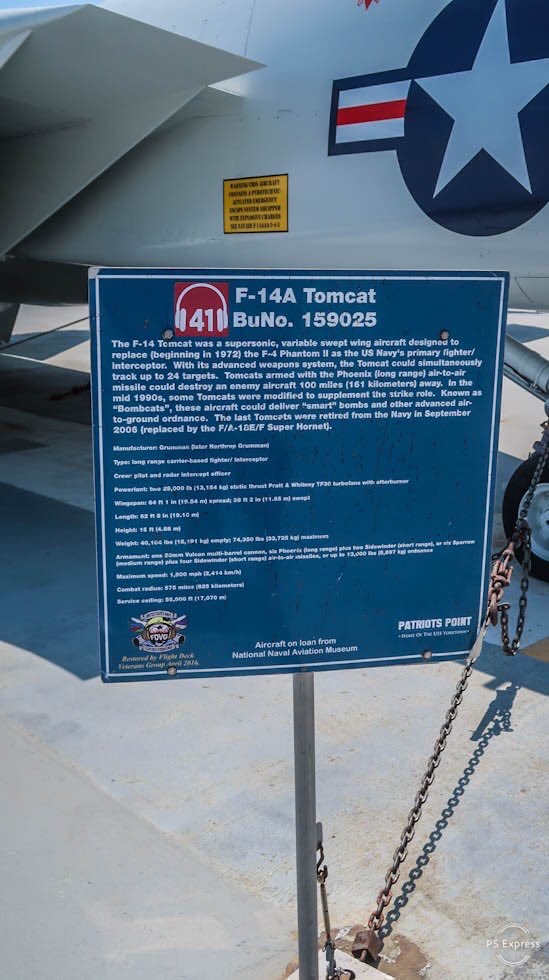
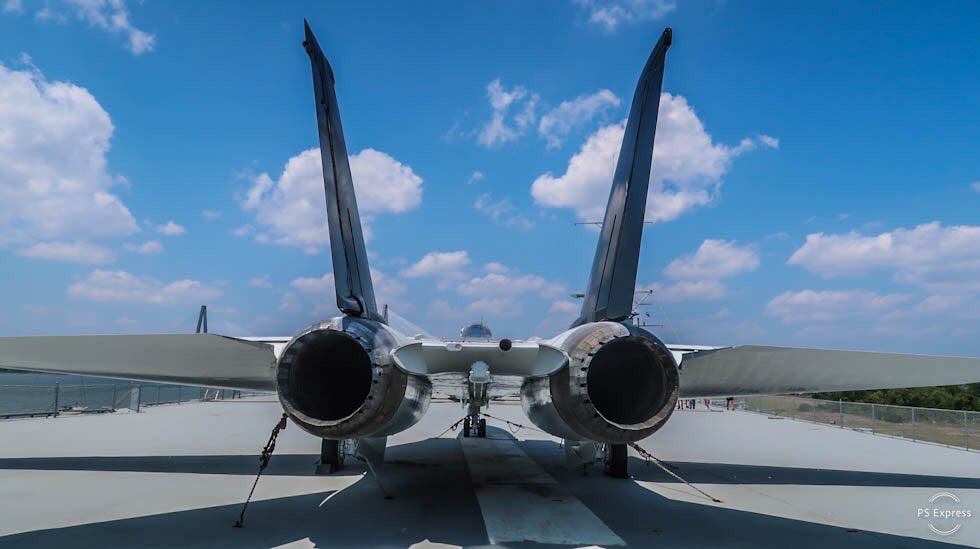
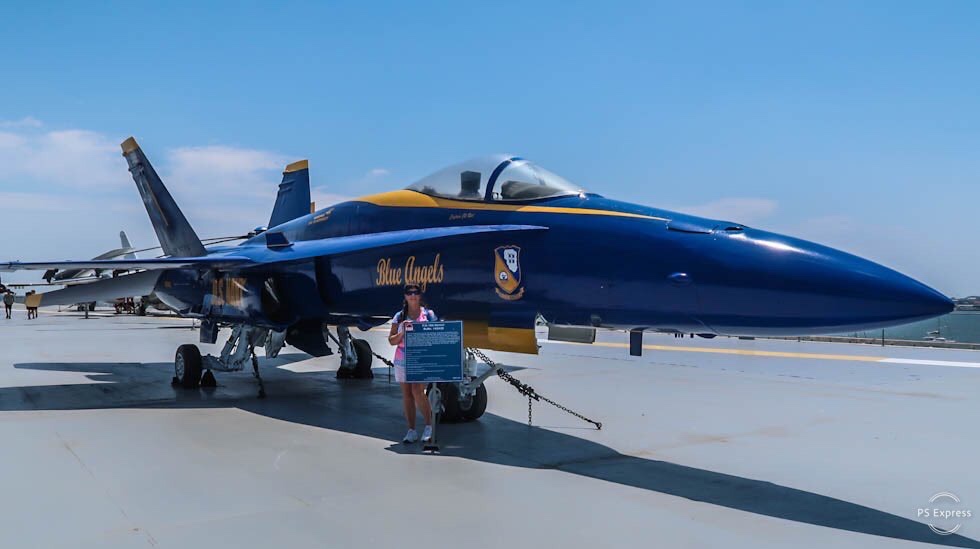
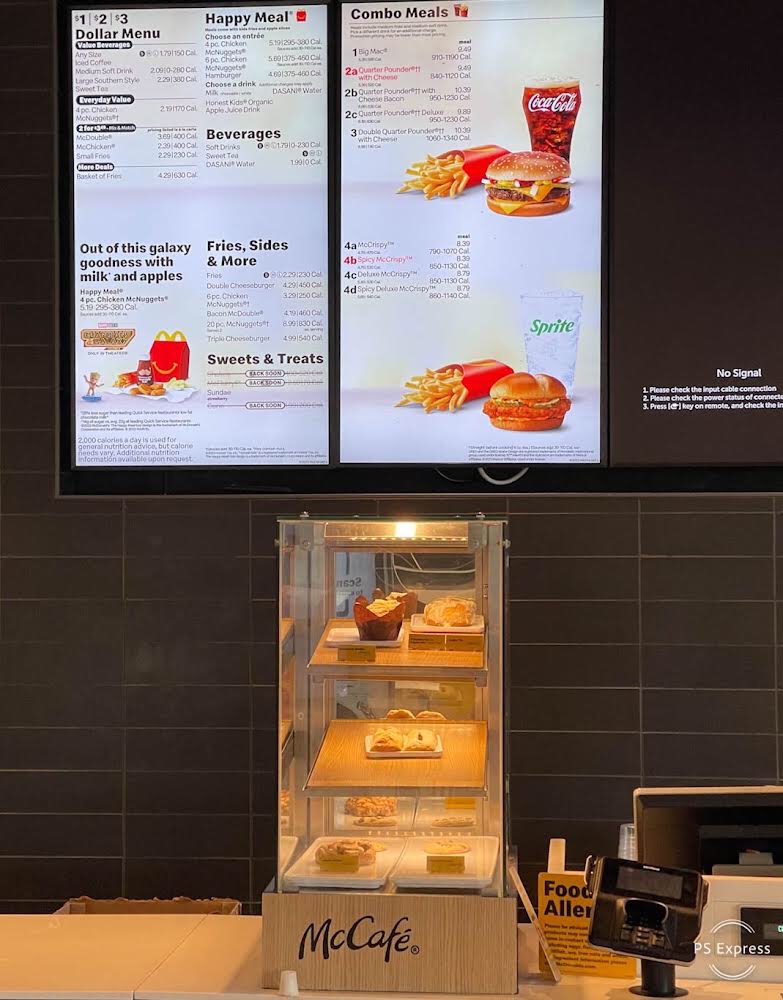
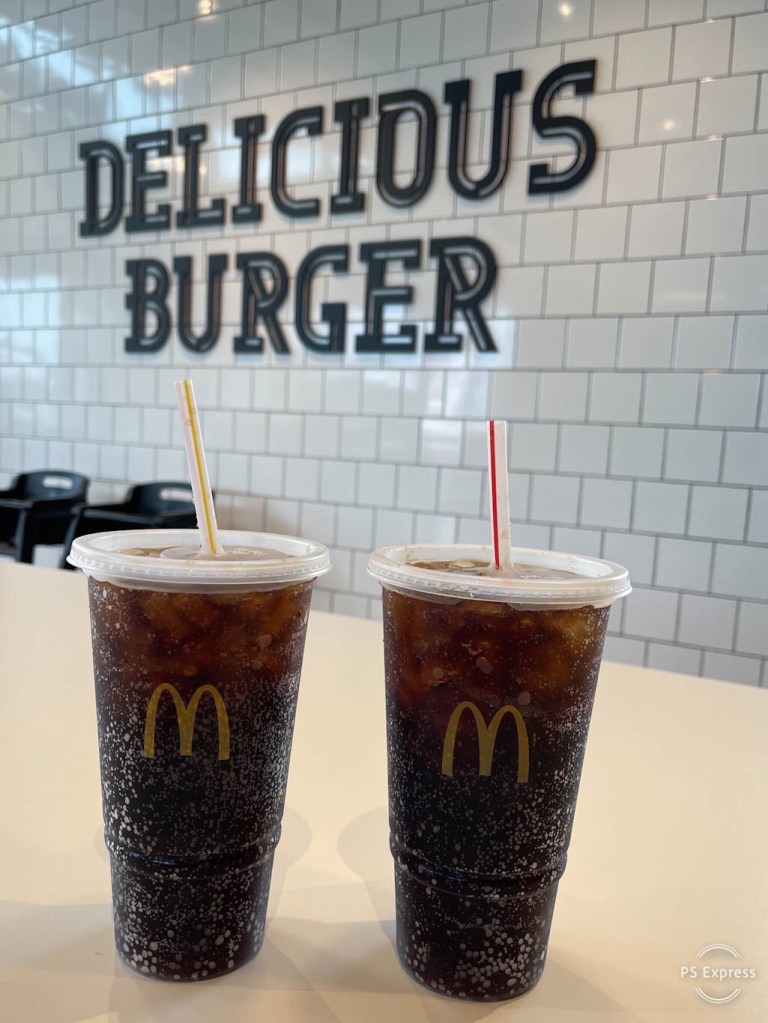
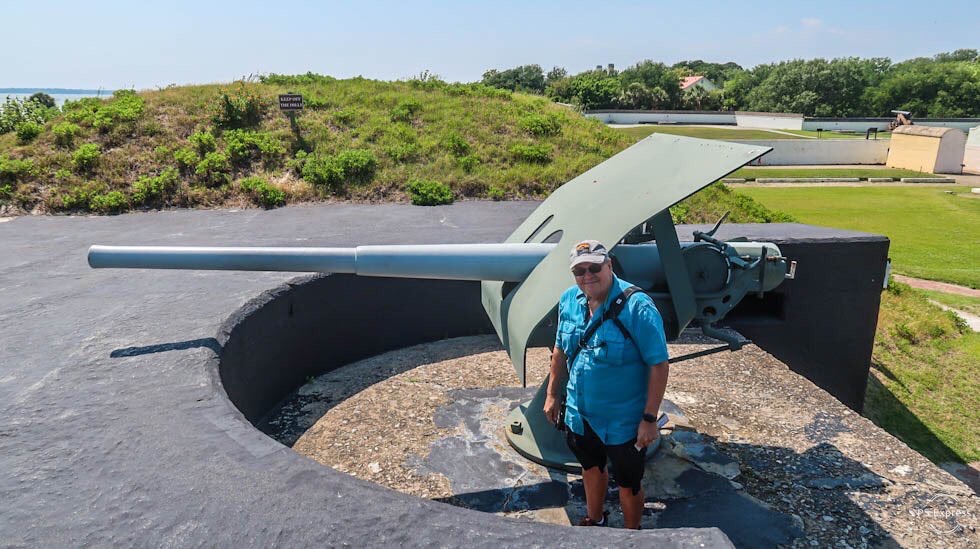
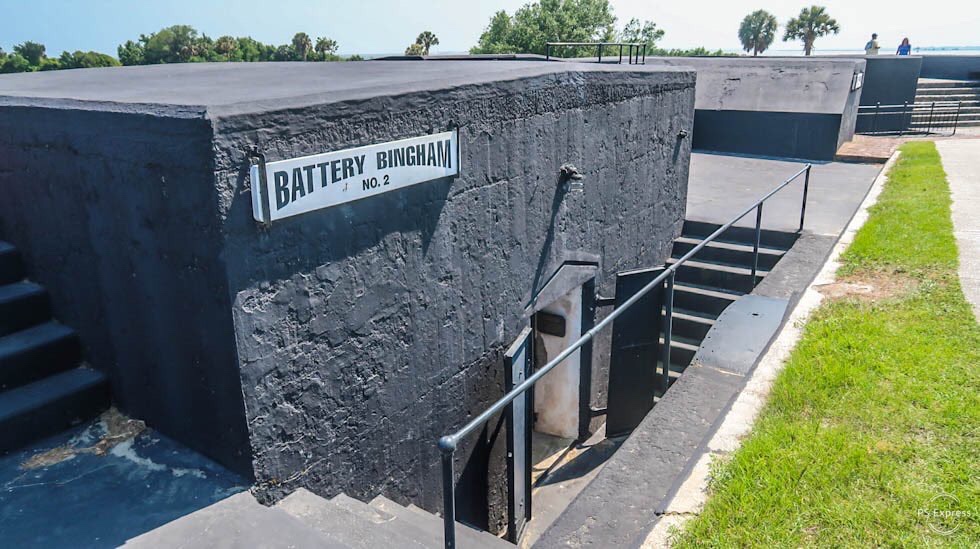
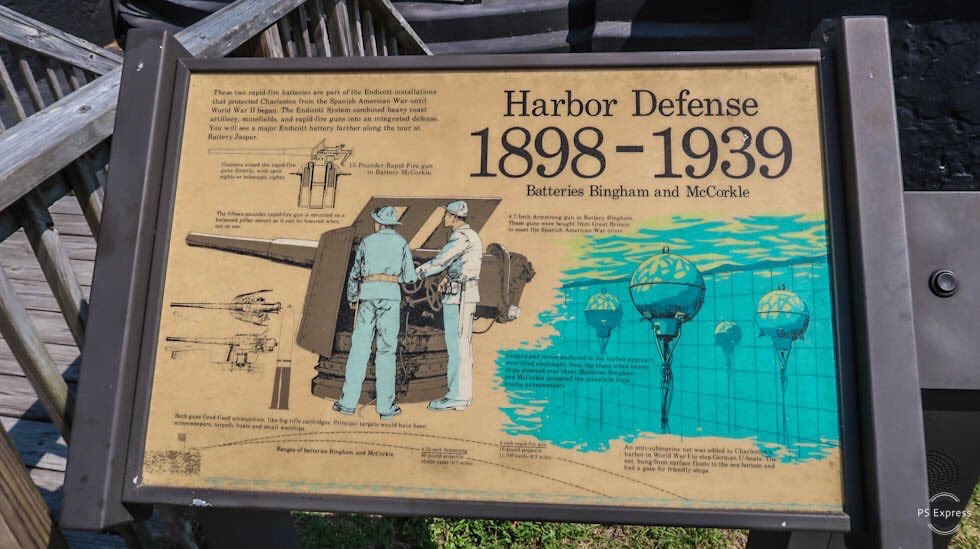
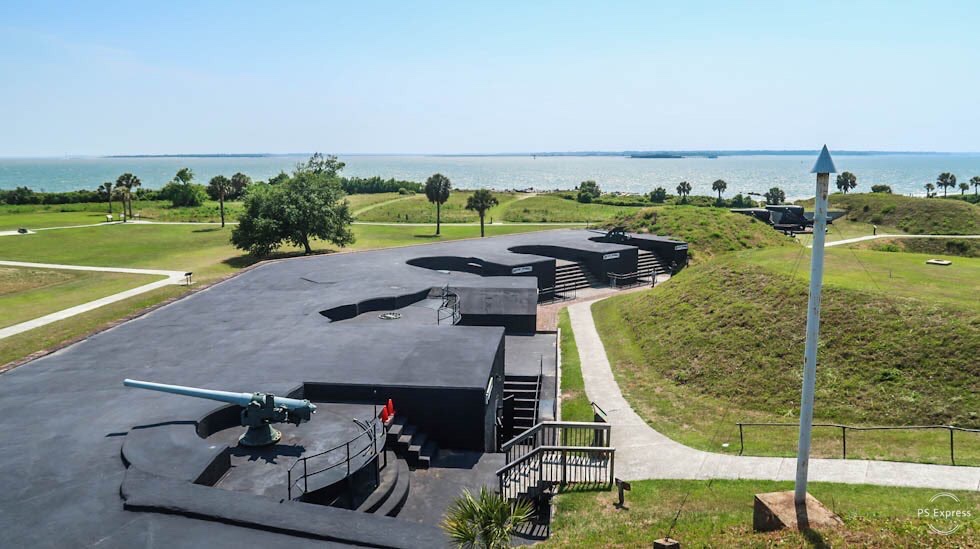
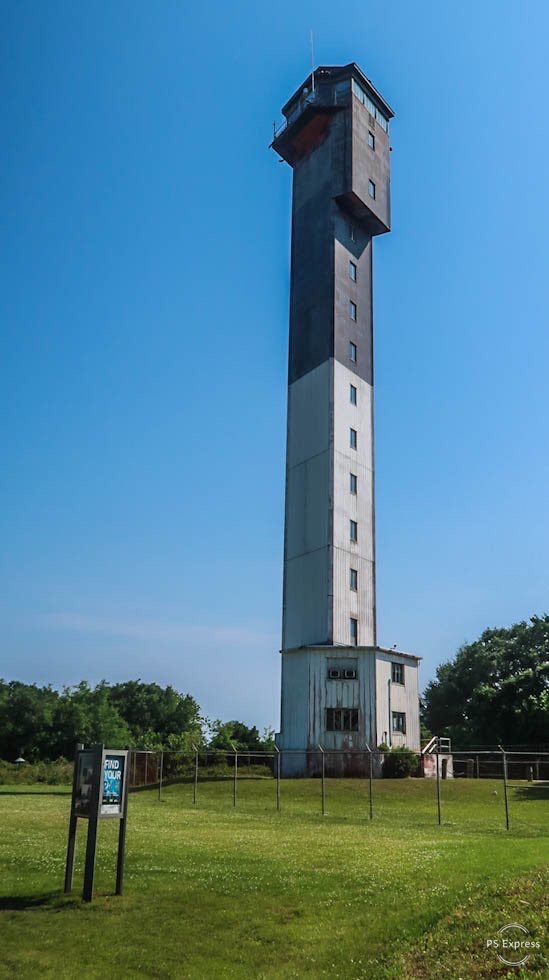
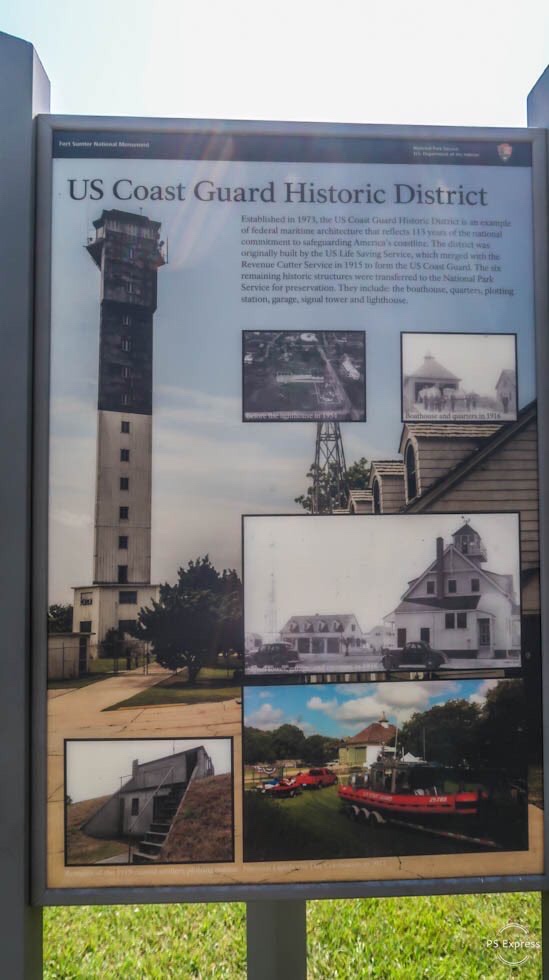
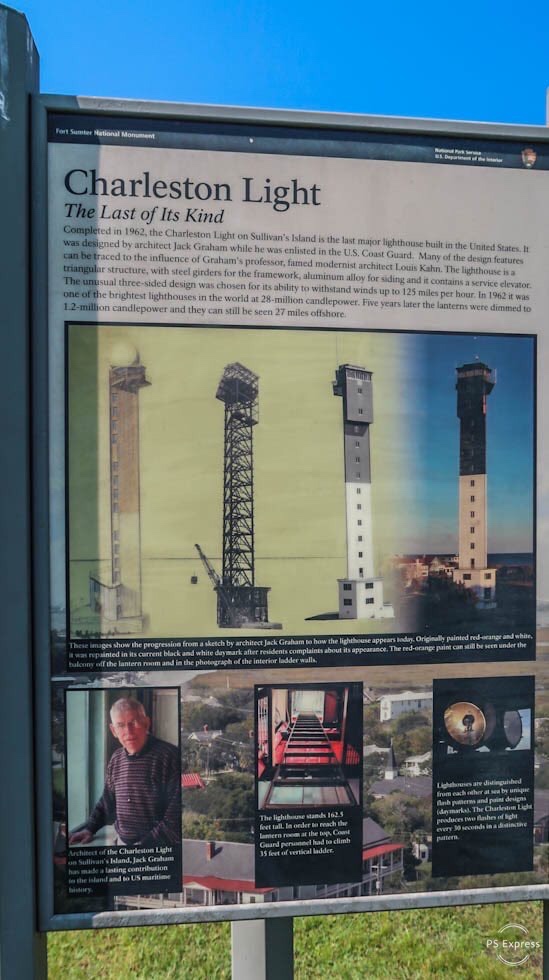
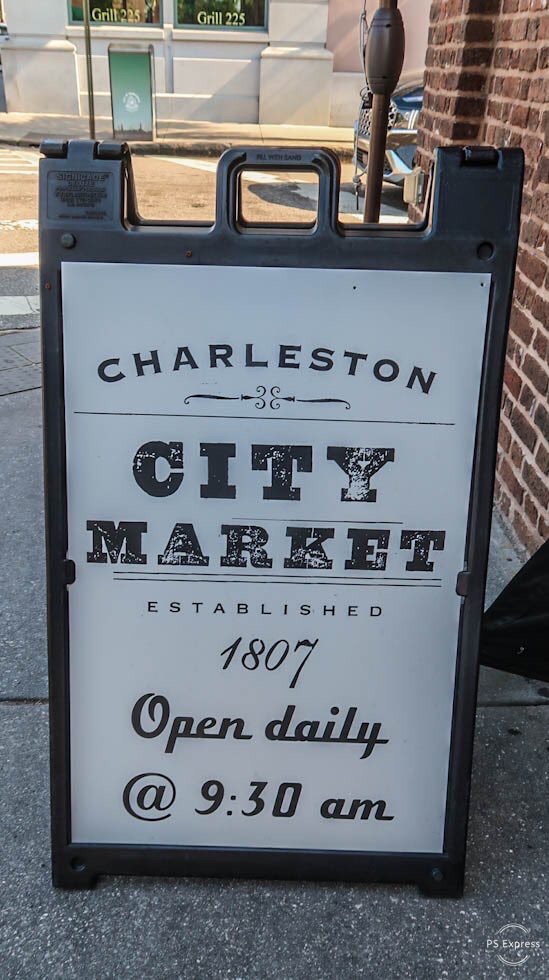
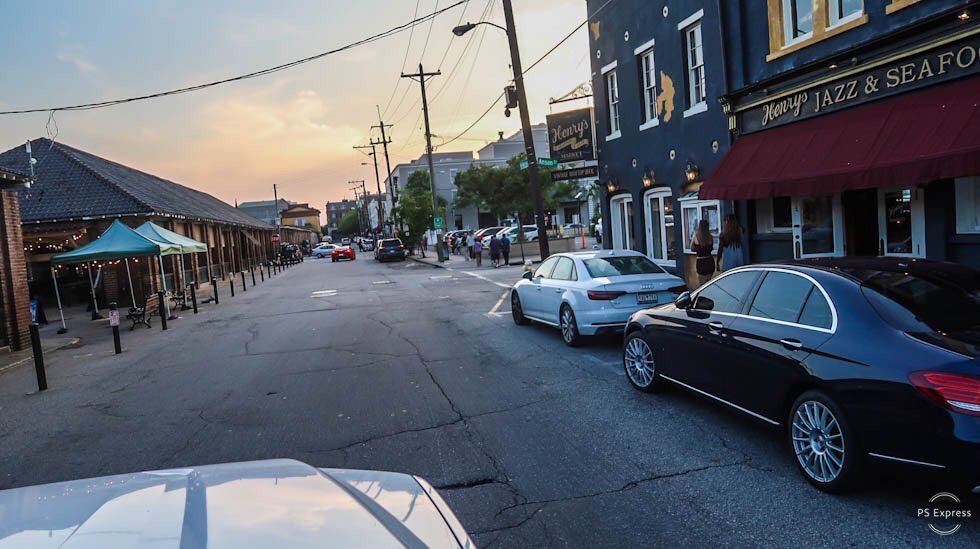
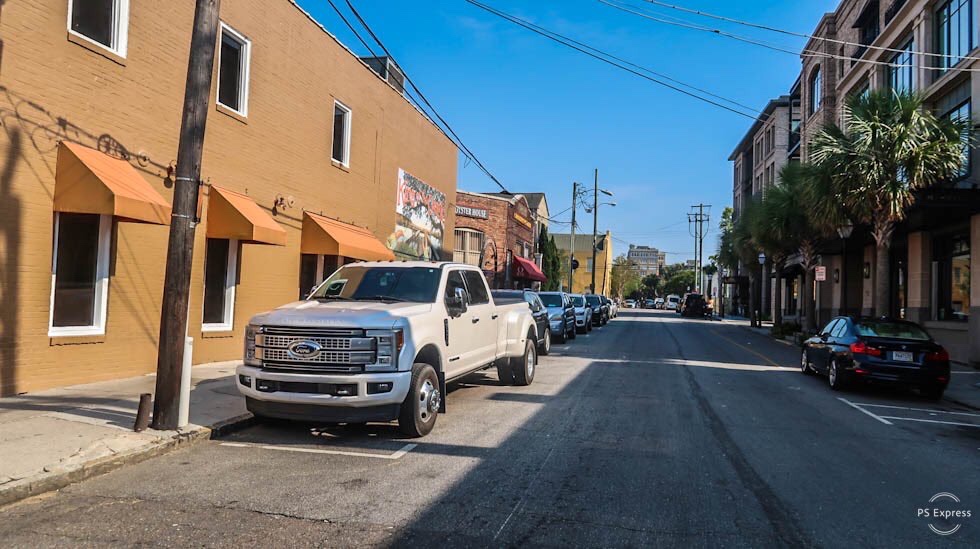
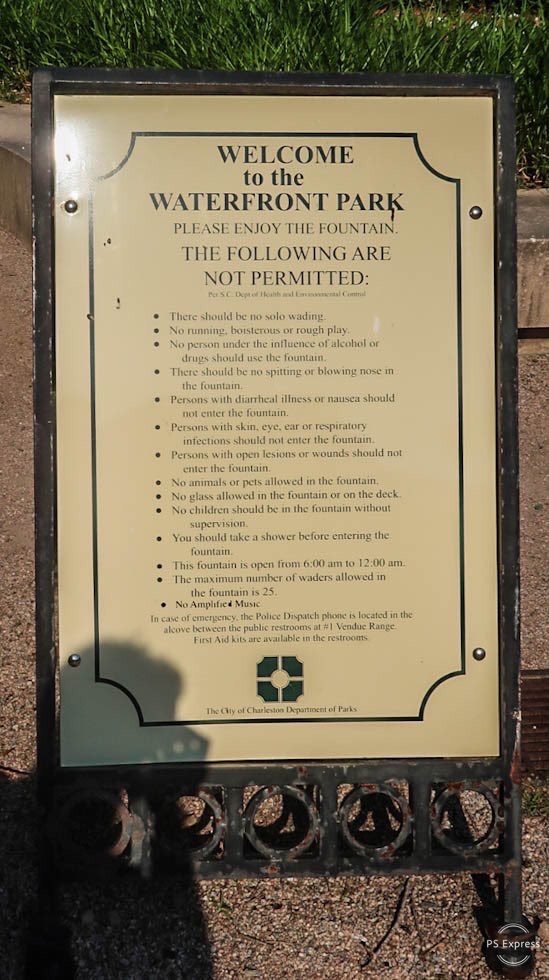
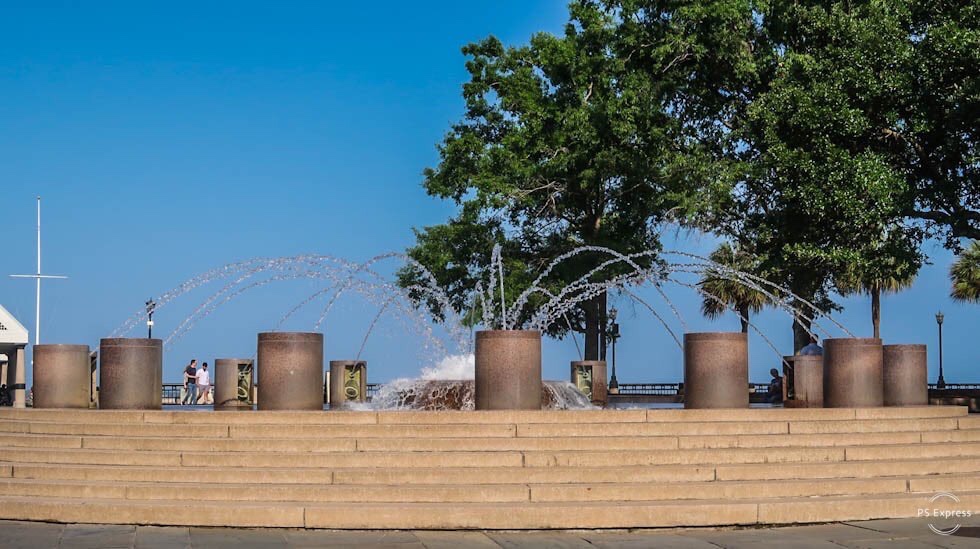
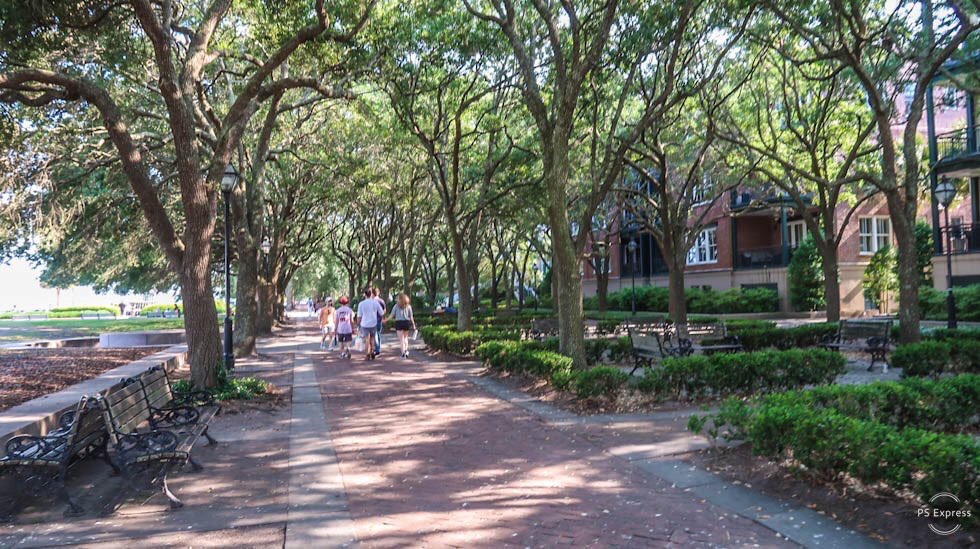
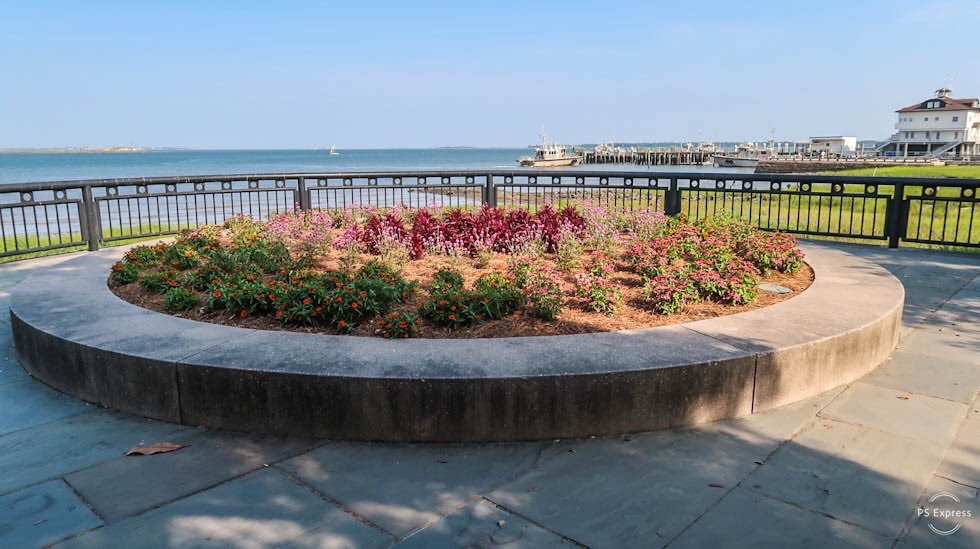
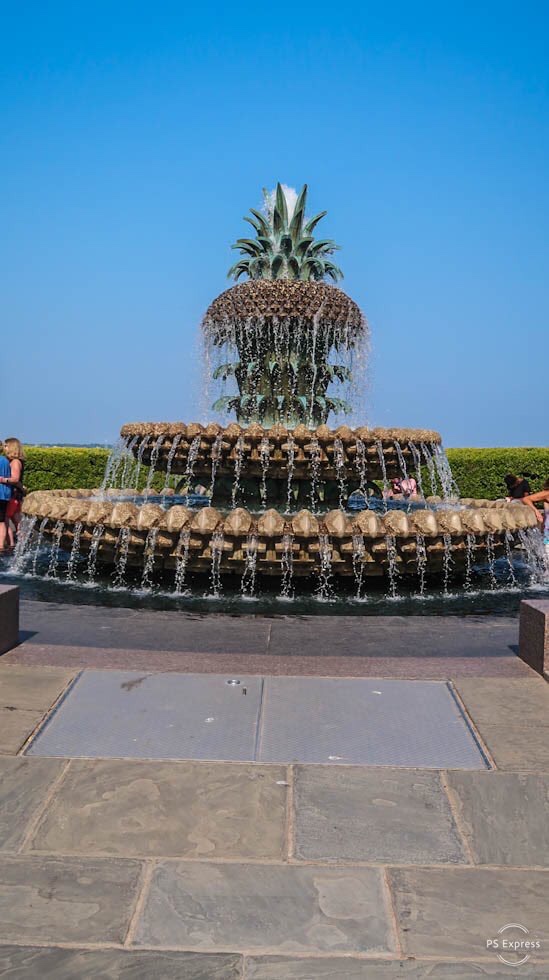
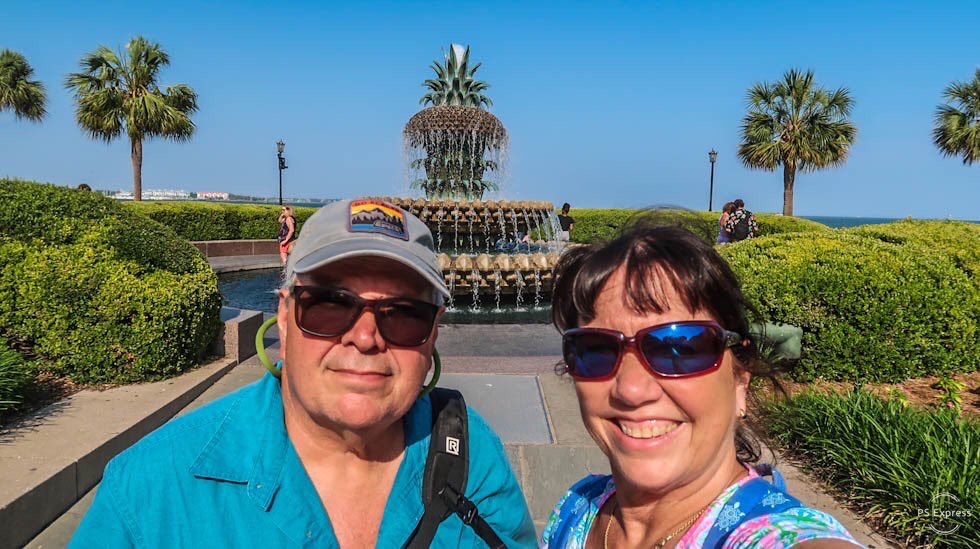
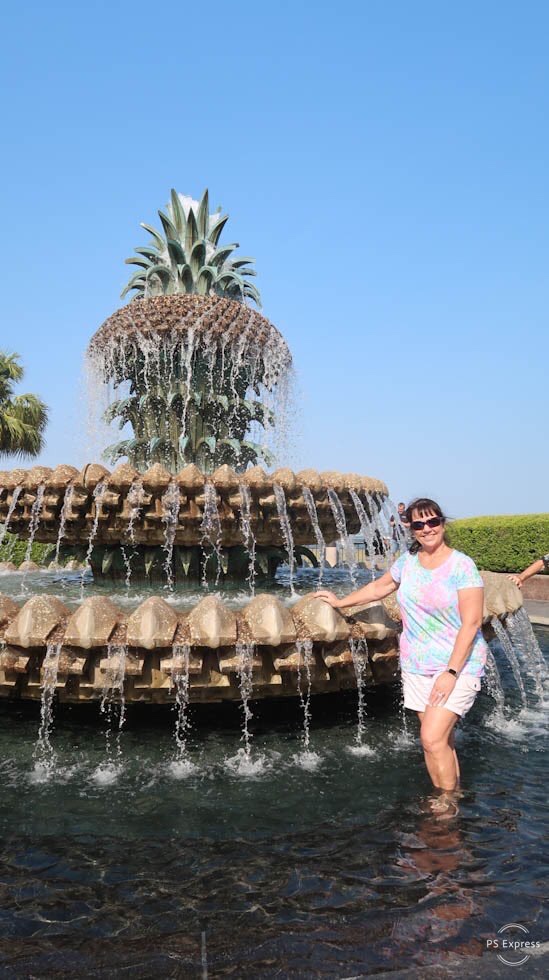
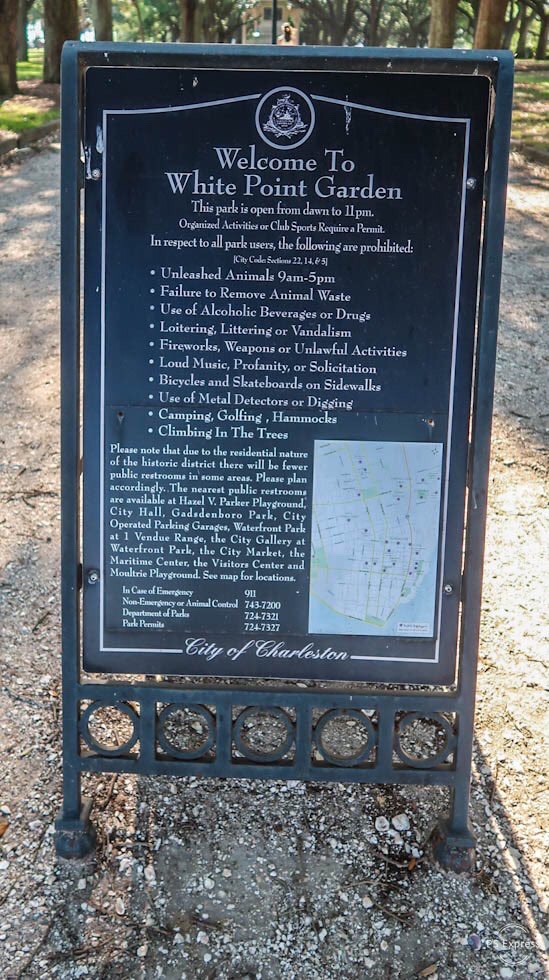
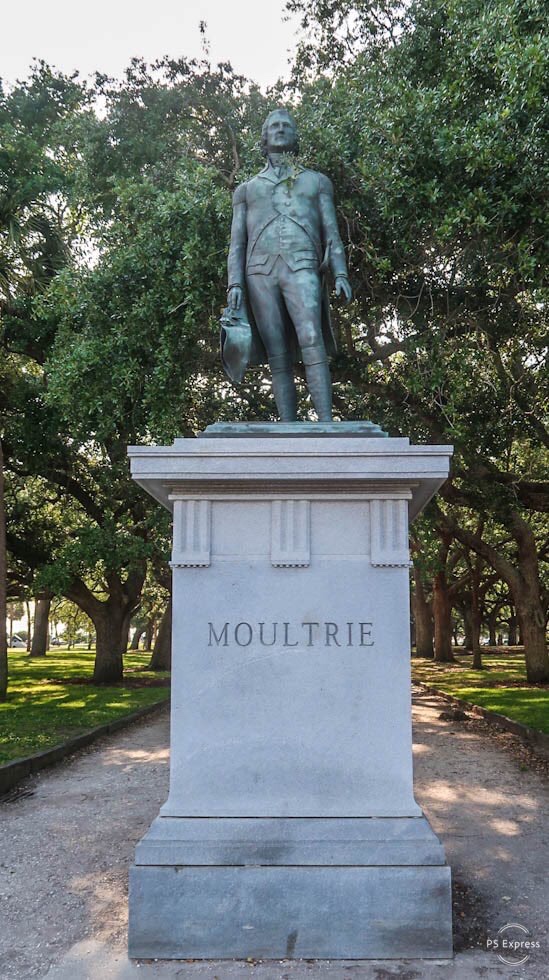
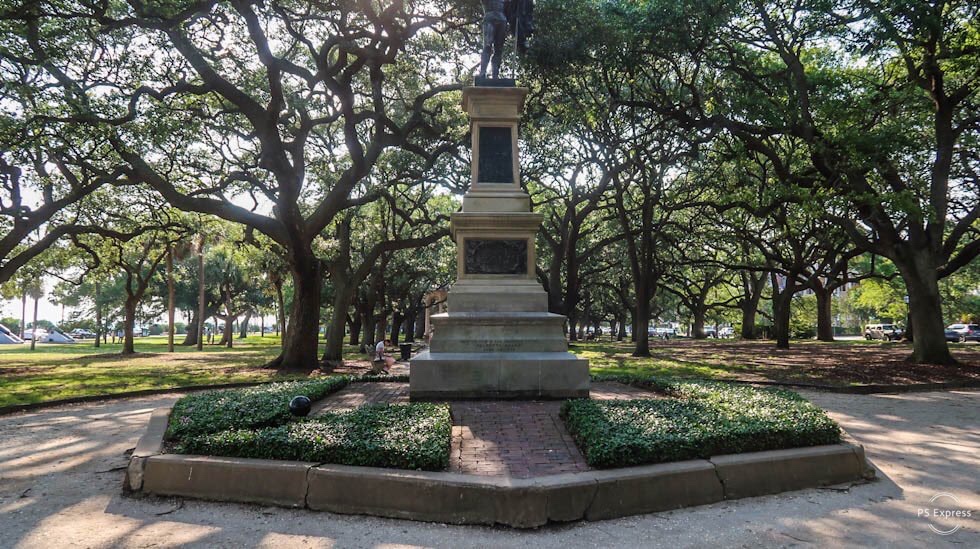
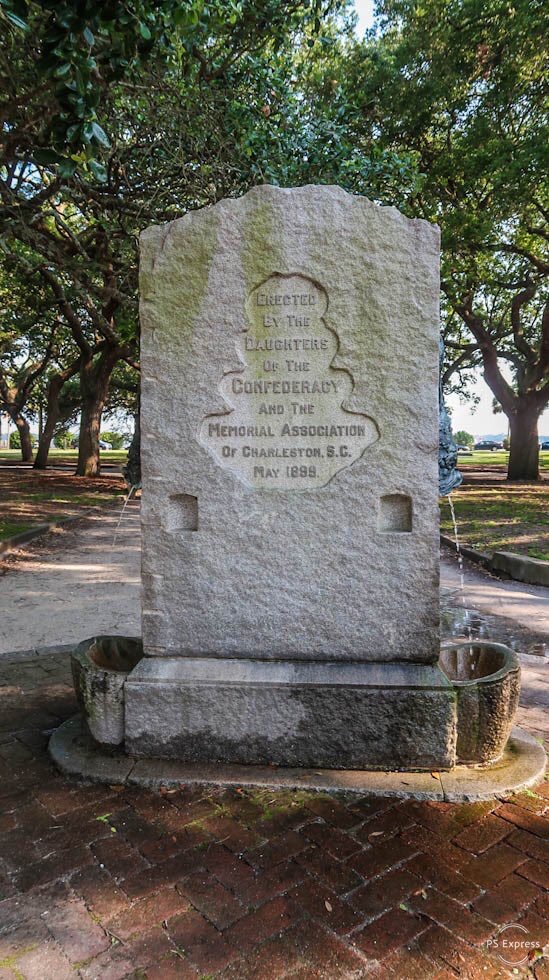
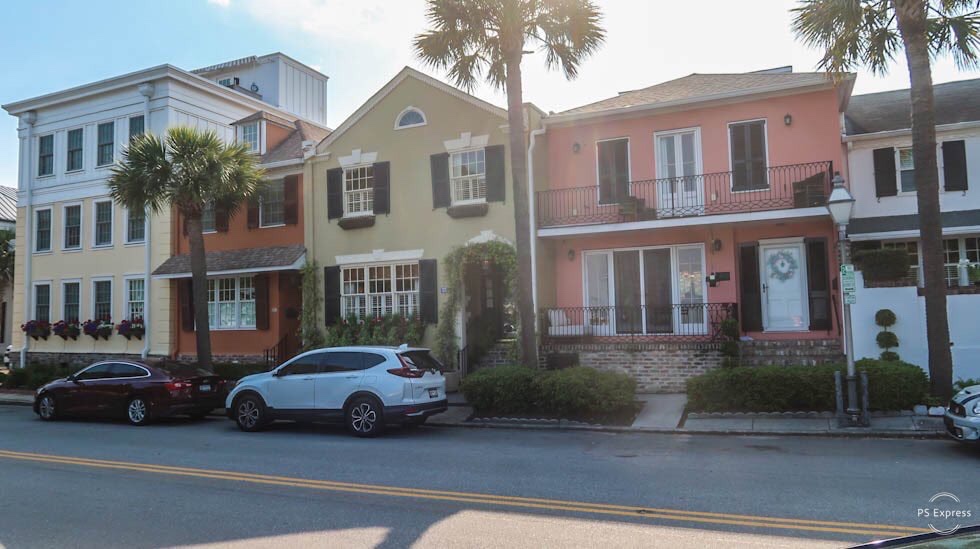
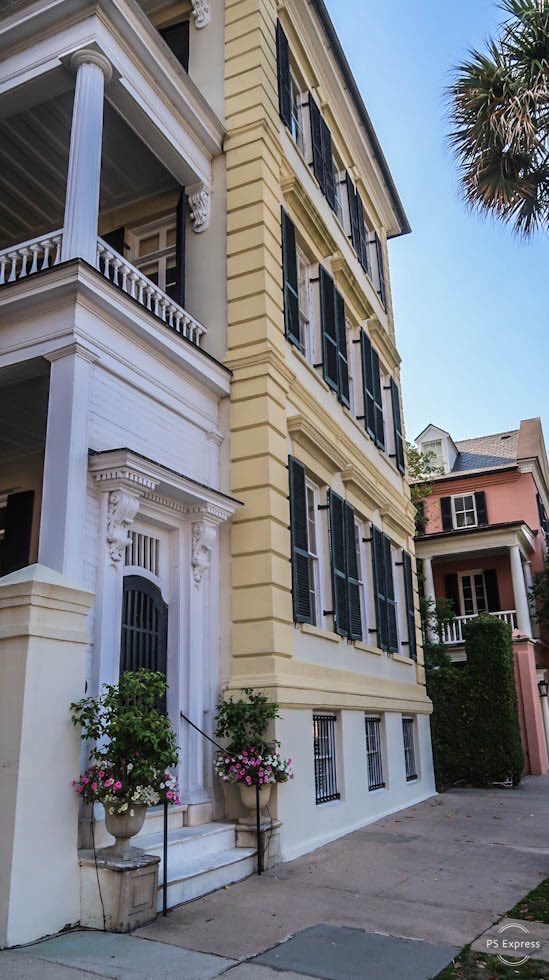
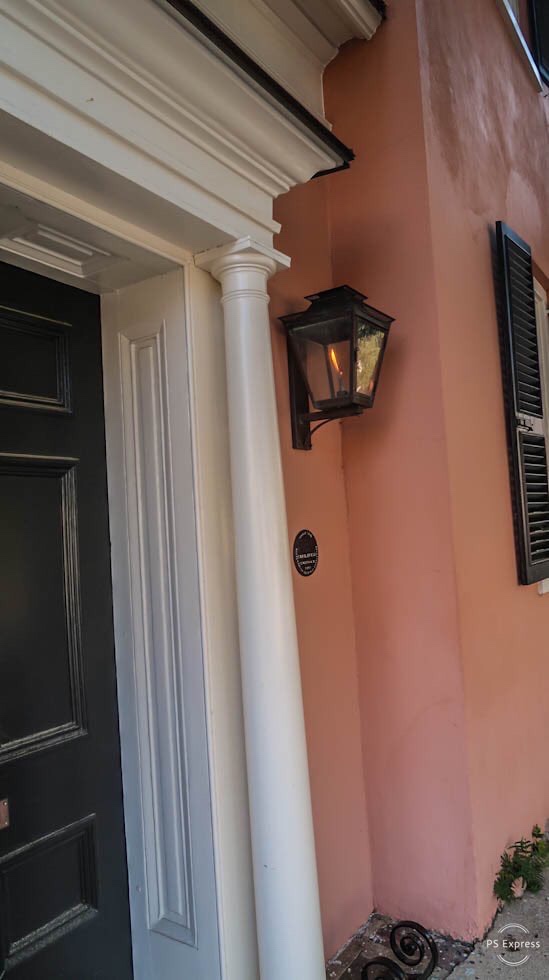
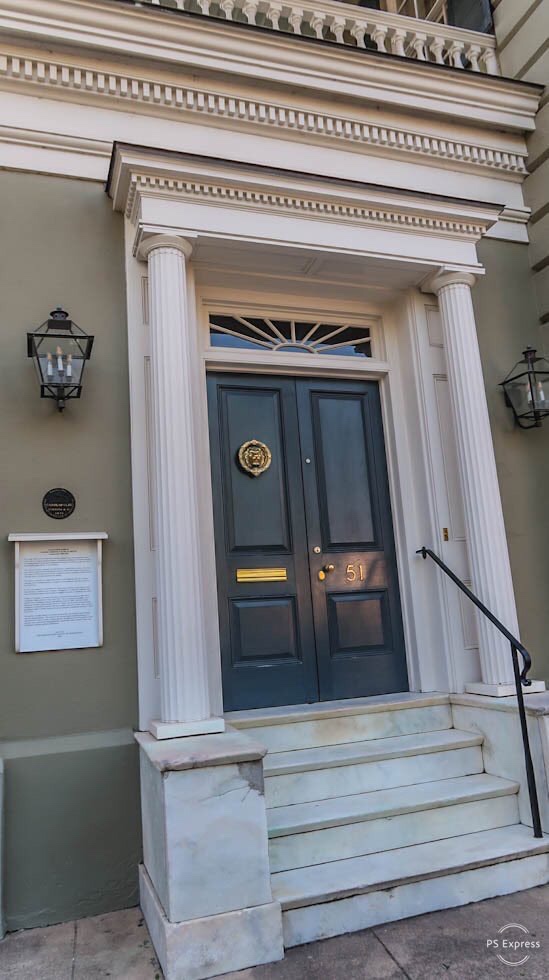
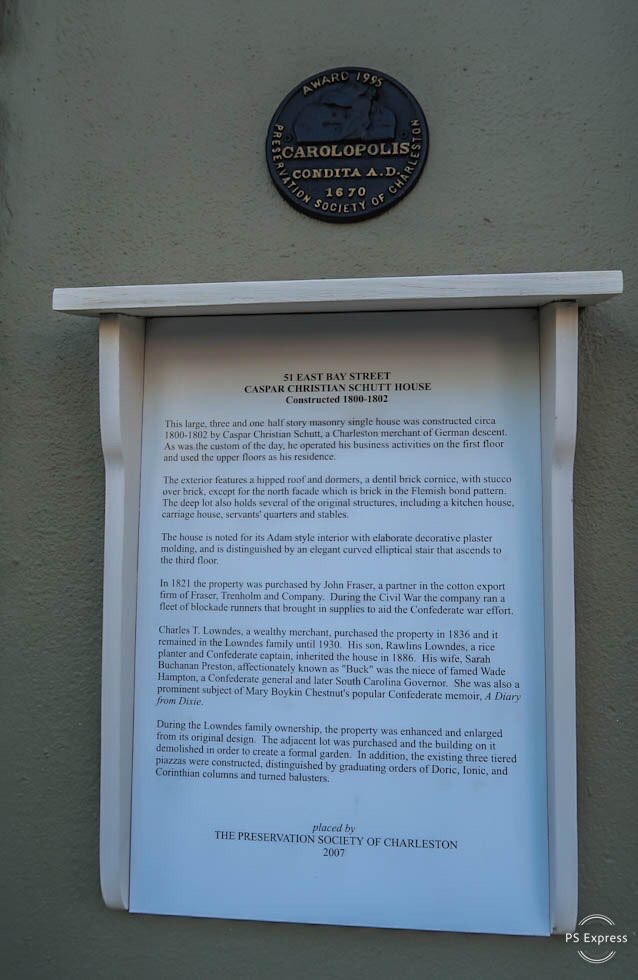
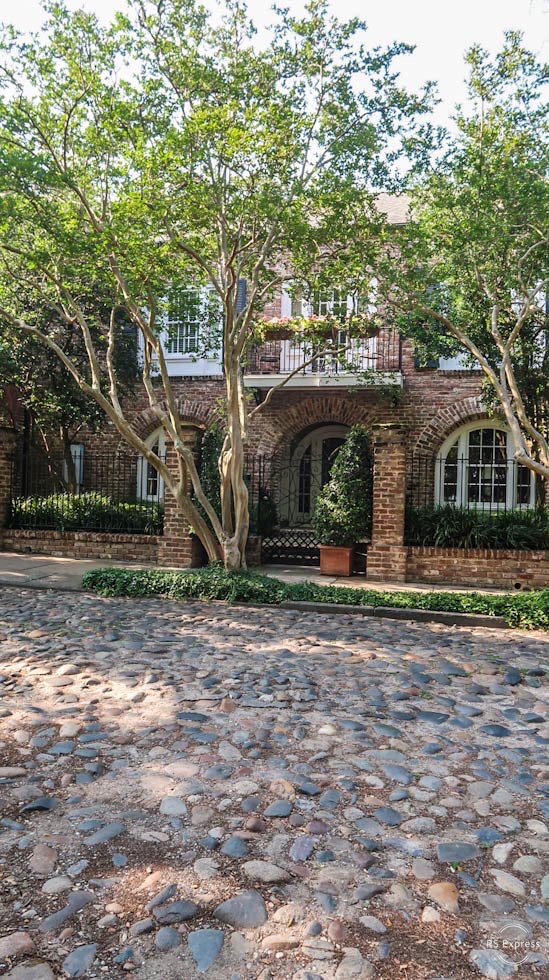
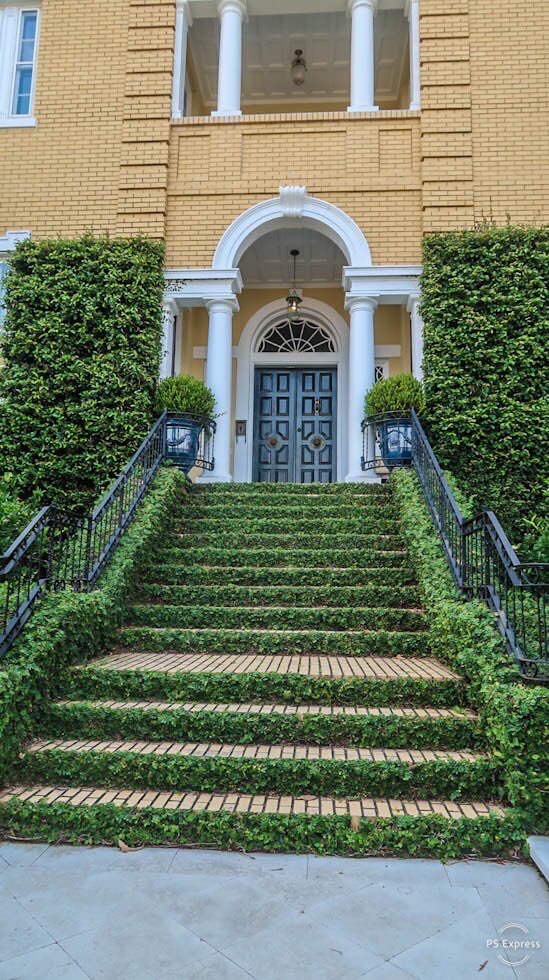
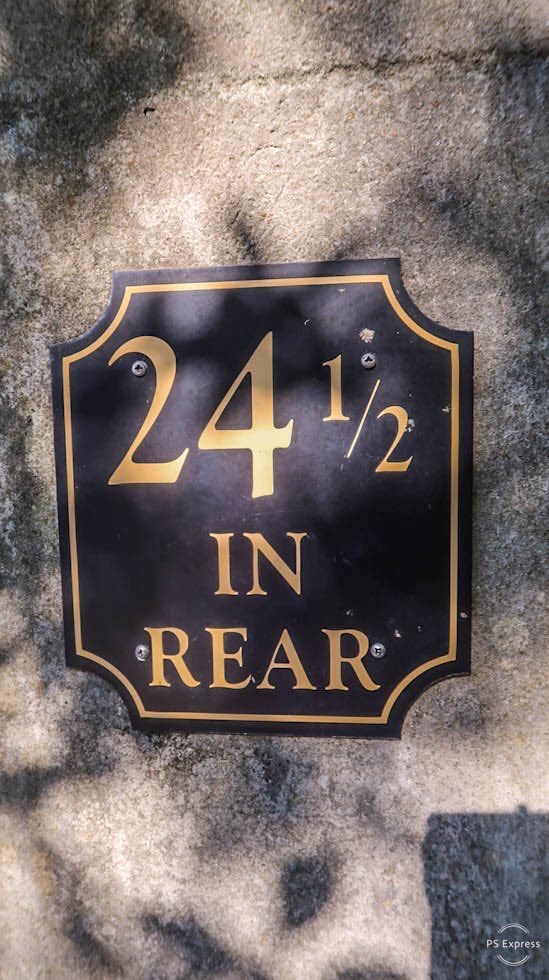
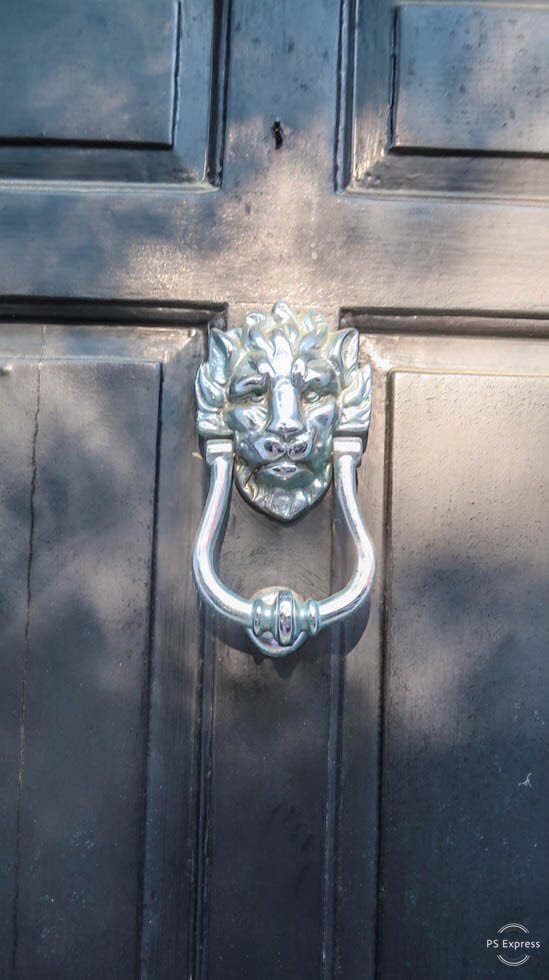
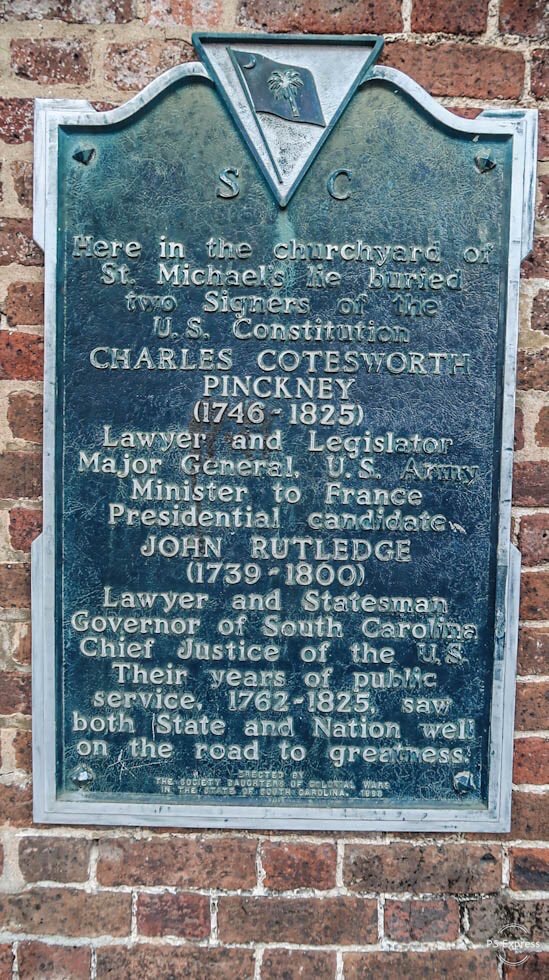
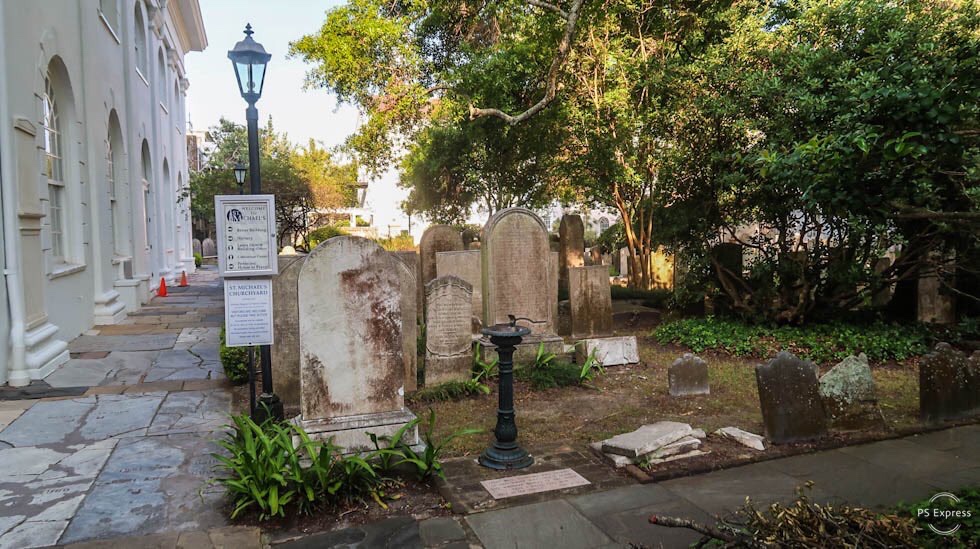
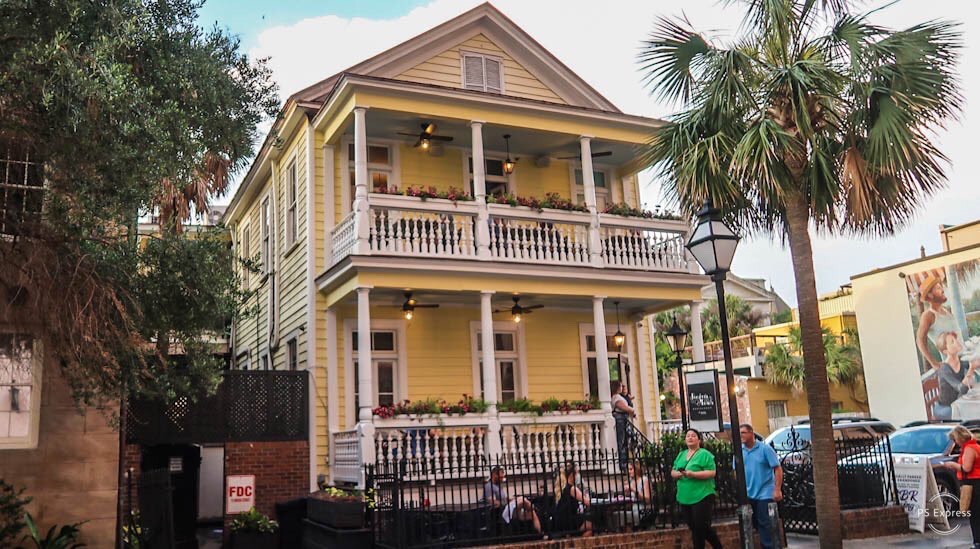
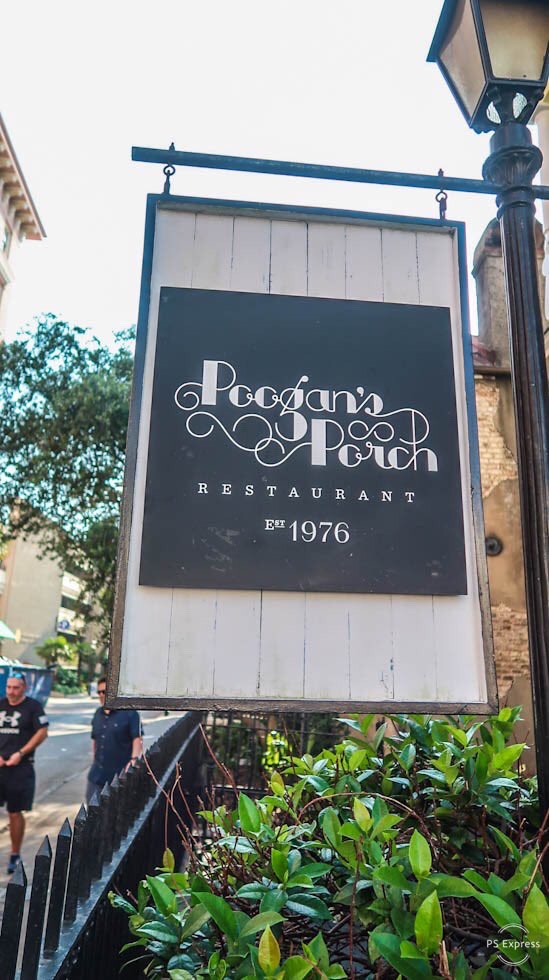
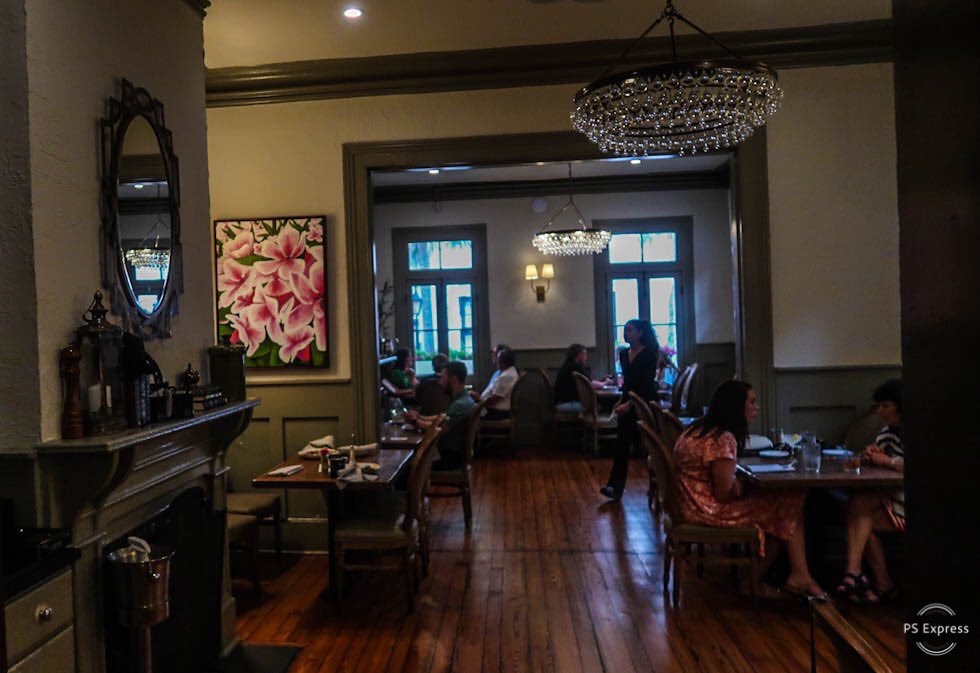
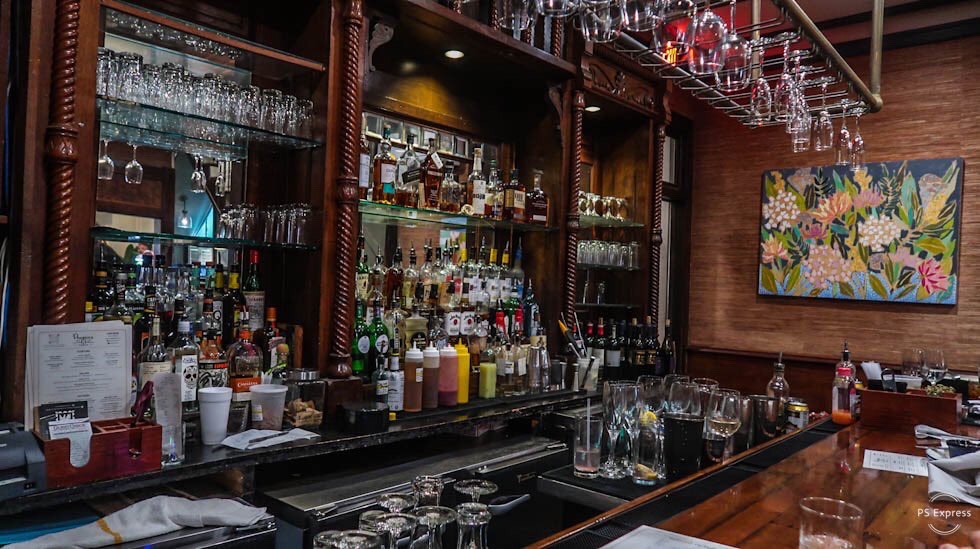
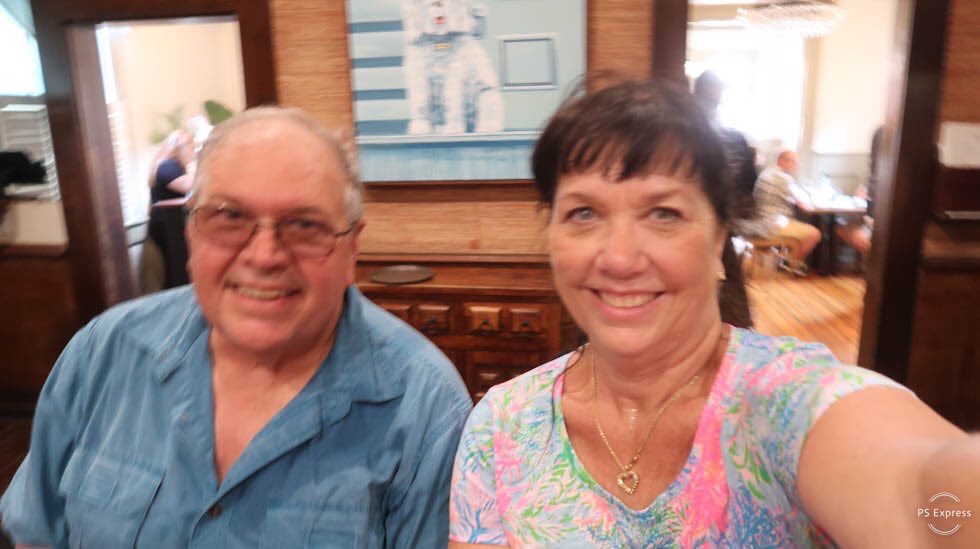
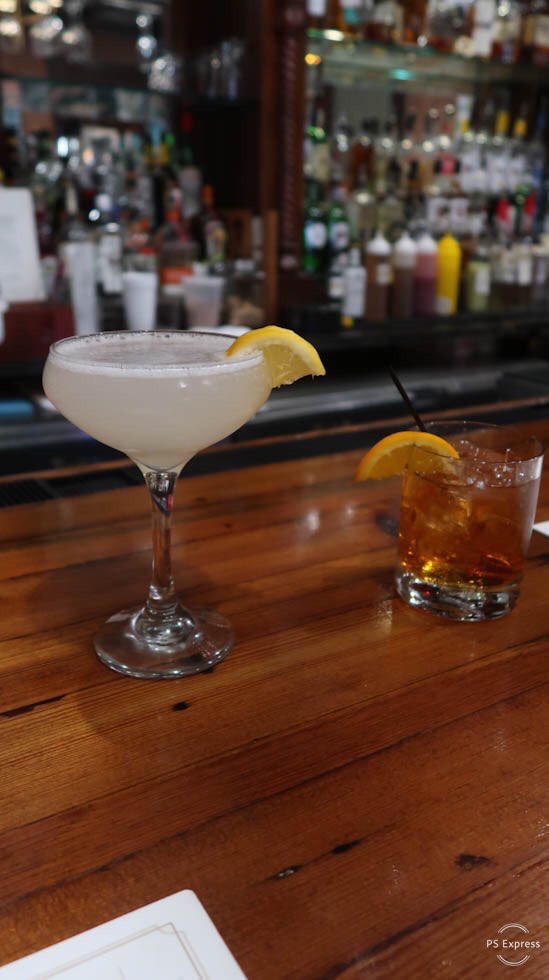
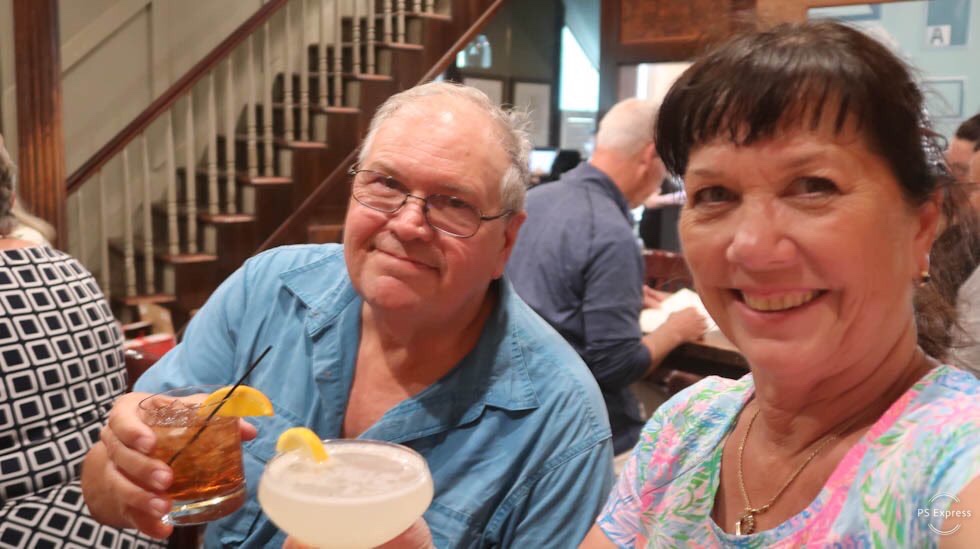
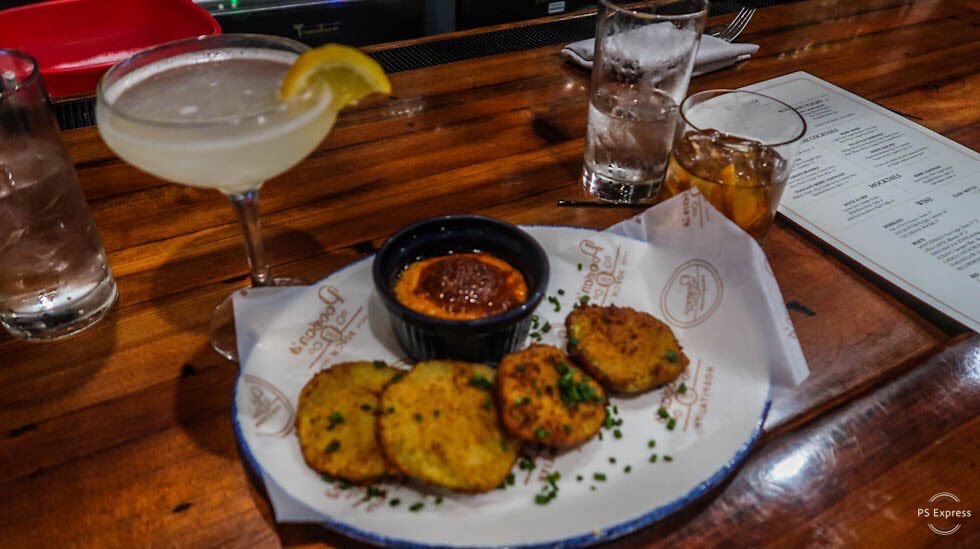
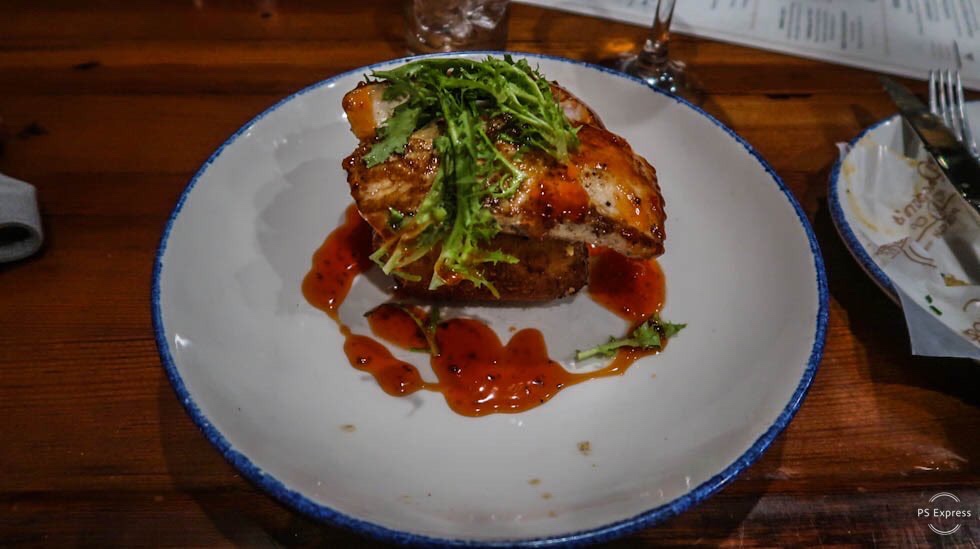
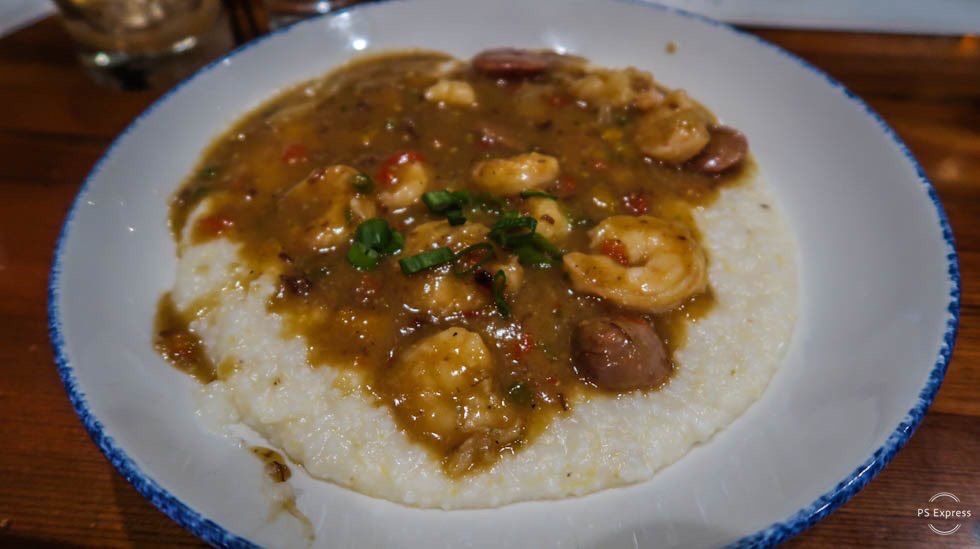
We toured Fort Sumter & on the boat ride back we had a snack of fruit, peanut butter crackers and water that I packed. Now we’re ready to keep going! Next we toured the USS Yorktown aircraft carrier. Ironically Tim & Daniel spent a night on this ship during boy scouts. So cool to walk through all the levels and to see the planes on the upper deck but I sure couldn’t be on the ship for months on end. I’d go stir crazy big time and would have a hard time getting my steps every day! 😱 Off now to find a McDonald’s for a Diet Coke! 🥤 We drove to Sullivans Island to visit Fort Moultrie, the batteries there & the lighthouse. The Charleston Light was completed in 1962 & is the last major lighthouse built in the US. A triangular structure with steel girders for the framework, aluminum alloy for siding, a service elevator, withstands winds up to 125mph. The lights can be seen 27 miles offshore. Now off to downtown Charleston. We got lucky and found a spot by market place that only had an hour left before free parking, and yes Tim took the chance! A dually is no easy feat to parallel park downtown! Strolled through the market then walked down to the water and found beautiful Waterfront Park. Old oak trees covering the walkways that had bench’s everywhere to relax and a lot of water fountains. ⛲️ I couldn’t resist taking my sneakers & socks off and going into the last one! 😇🤣 We then walked down Rainbow Row to all the beautiful colored mansions. Then strolled through White Point Gardens and down Church Street admiring homes, gardens, door knockers and historical markers. Stopped at Poogans Porch where we had the most amazing appetizer, drinks & dinner. Southern food…green fried tomatoes,BBQ Mahi & Shrimp & Grits.
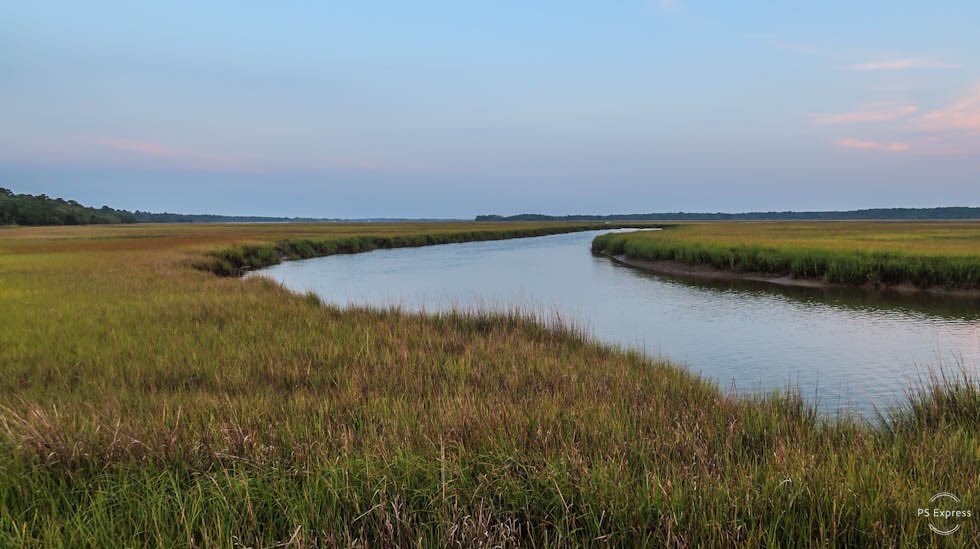
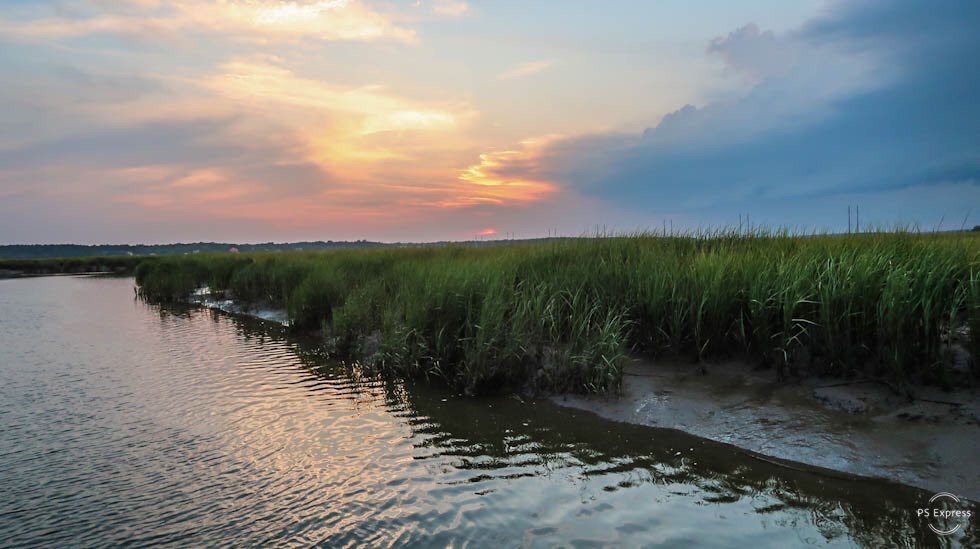
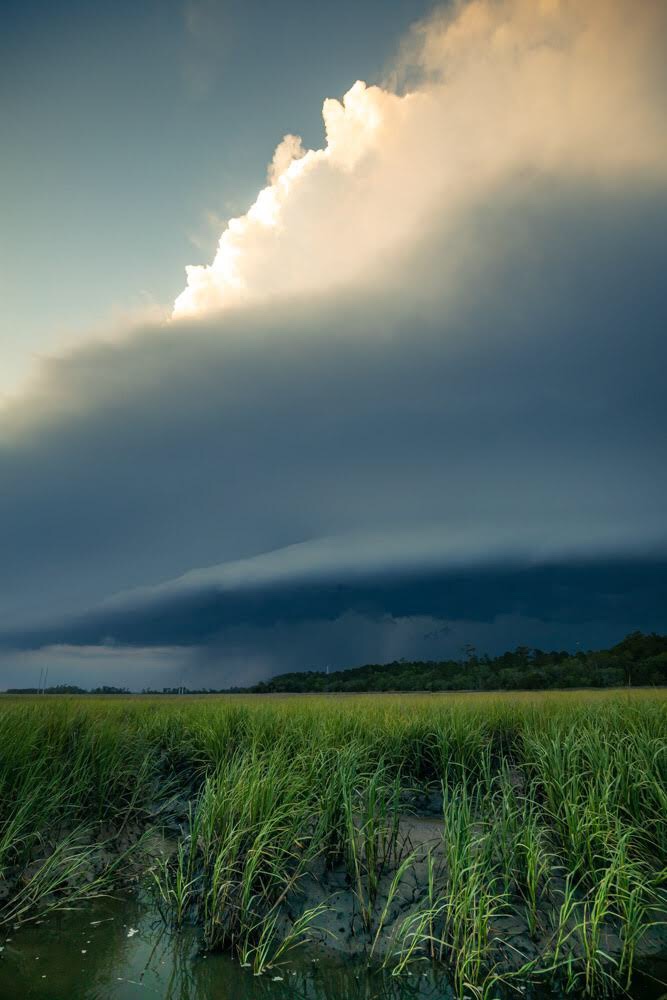
Back to the truck and yes it was still there and no ticket. 🫡 Time to drive back to campground…very narrow bumpy roads of SC. We drove down to check out the fishing dock and walk down to the water. Dark thunderhead clouds & lightning ⚡️ was blowing in. Within 5 minutes of getting back to Ruby…..it pored and hailed! That wraps up today!
Charleston is the largest city in S.C. The downtown Charleston waterfront is on the Battery. The population in 2020 was 150,277. Charleston was founded in 1670 as Charles Town, honoring King Charles II, at Albemarle Point on the west bank of the Ashley River (now Charles Towne Landing) but relocated in 1680 to its present site, which became the fifth-largest city in North America within ten years. It remained unincorporated throughout the colonial period; its government was handled directly by a colonial legislature and a governor sent by Parliament. Charleston adopted its present spelling with its incorporation as a city in 1783. Population growth in the interior of South Carolina influenced the removal of the state government to Columbia in 1788, but Charleston remained among the ten largest cities in the United States through the 1840 census.
Rainbow Row is composed of thirteen different buildings, most of which share party walls with their neighboring houses. The name Rainbow Row was coined after the pastel colors they were painted as they were restored in the 1930s and 1940s.
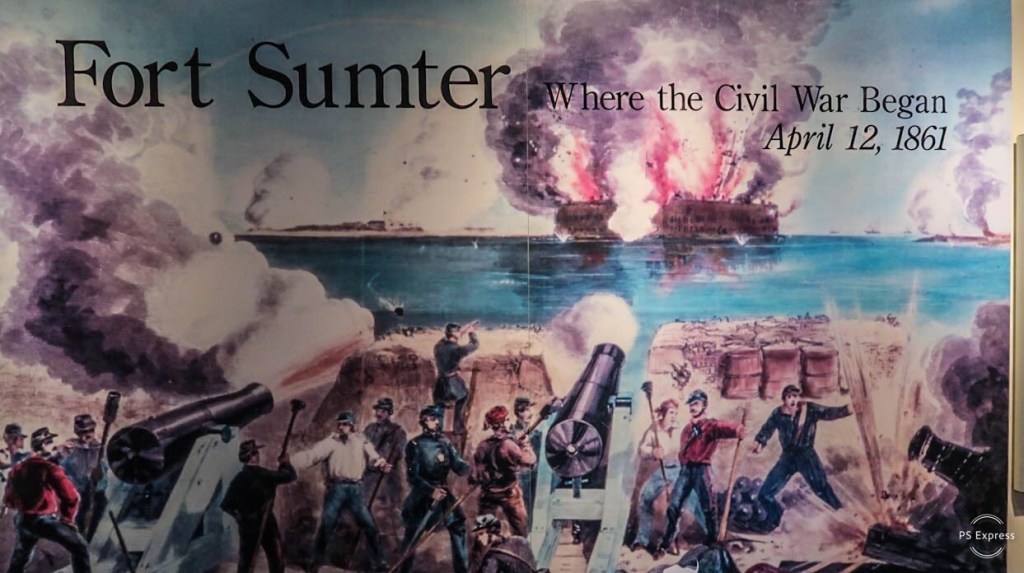
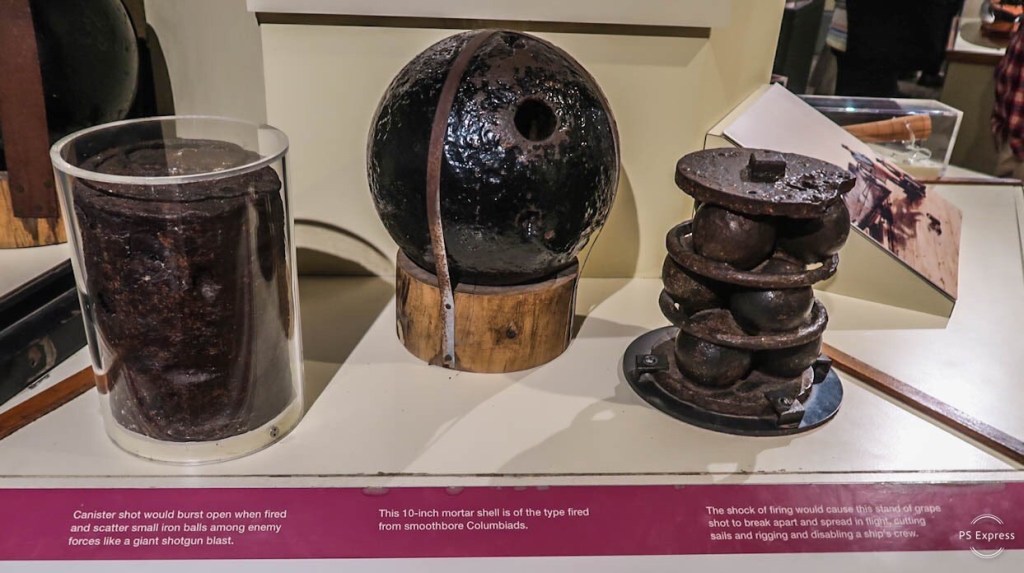
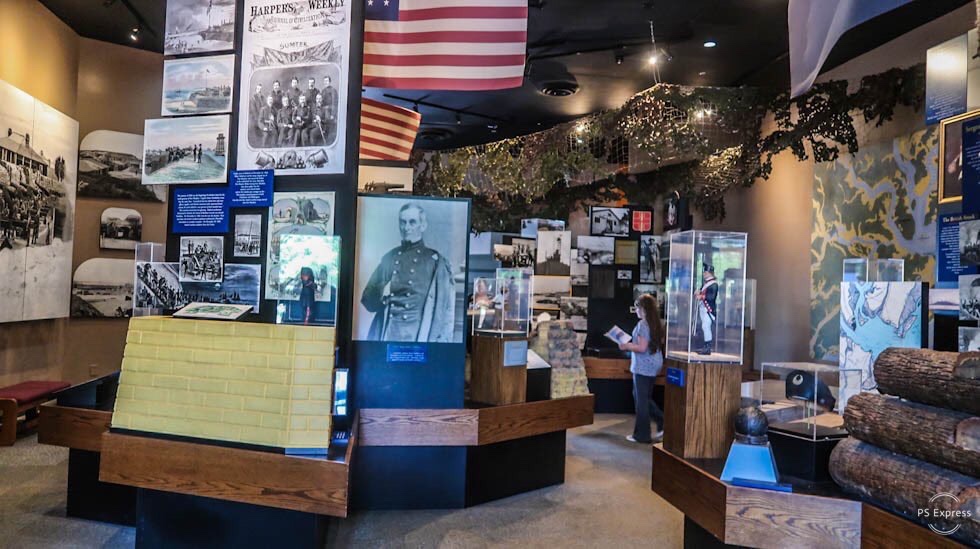
Charleston played a major part in the Civil War. As a pivotal city, both the Union and Confederate Armies vied for control of it. The Civil War began in Charleston Harbor 1861, and ended mere months after the Union forces took control of Charleston in 1865. The first full battle of the American Cilil War was on April 12, 1861, when shore batteries under the command of General P. G. T. Beauregard opened fire on the U.S. Army, held Fort Sumter in Charleston Harbor.After a 34-hour bombardment, Major Robert Anderson surrendered the fort. On December 11, 1861, an enormous fire burned over 500 acres of the city.
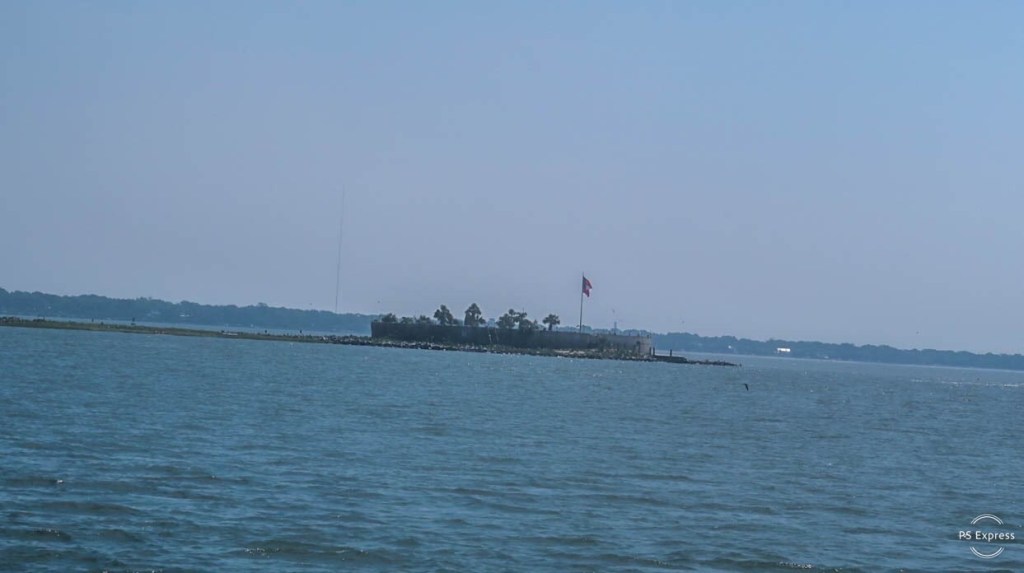
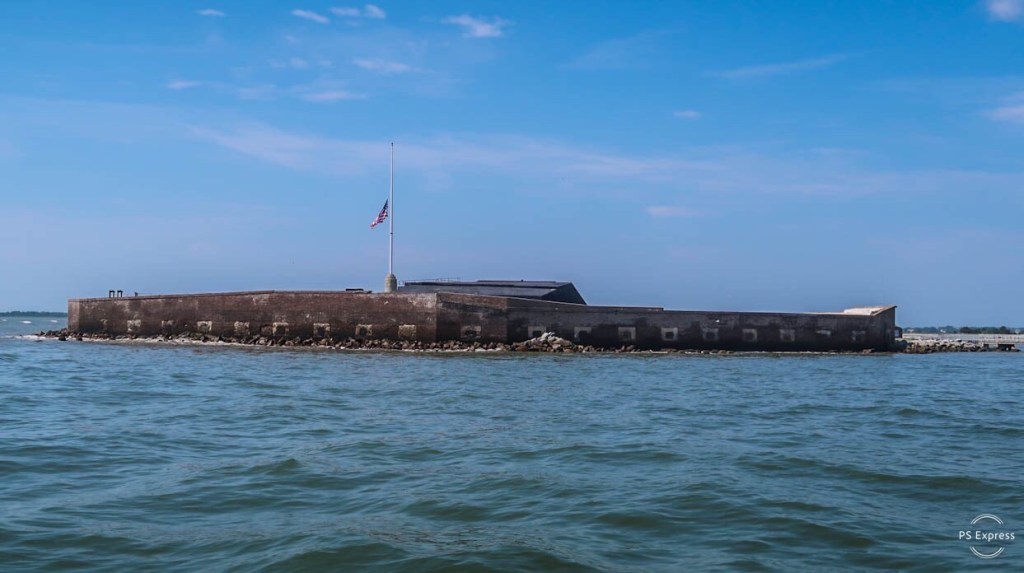
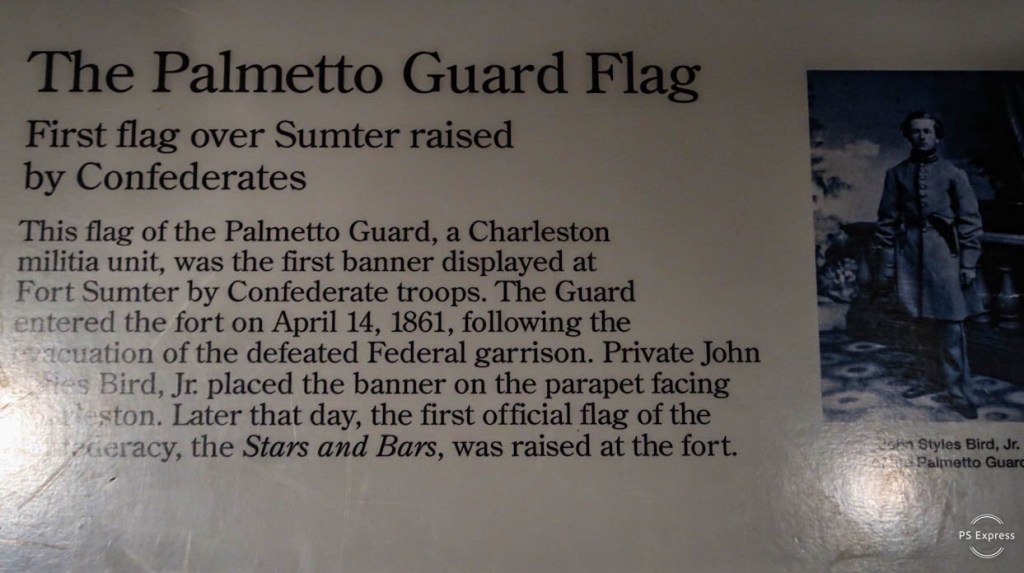
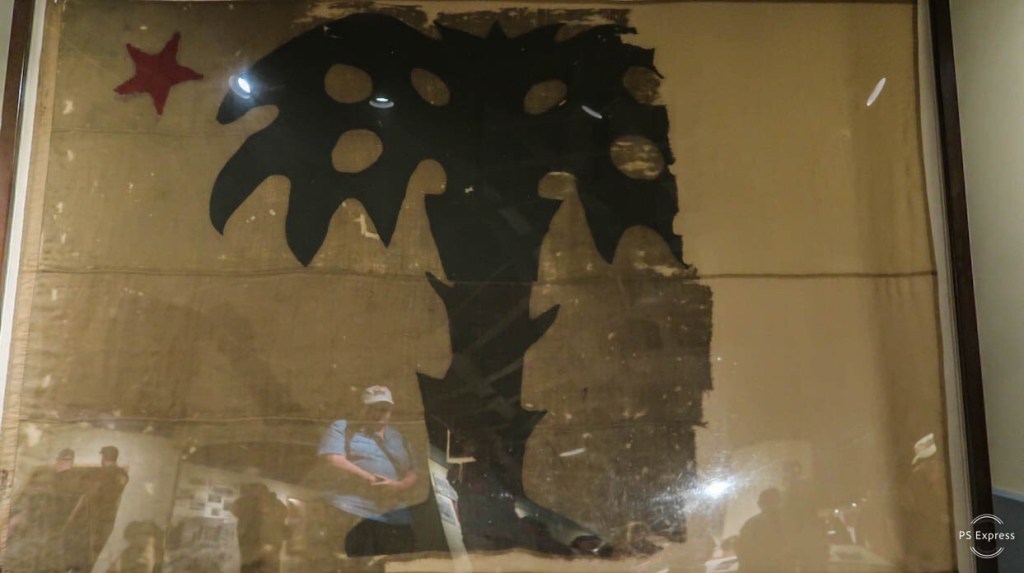
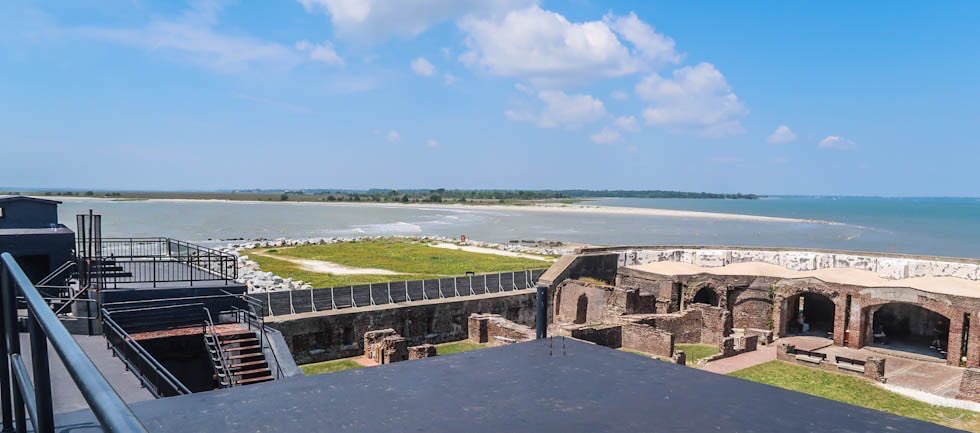
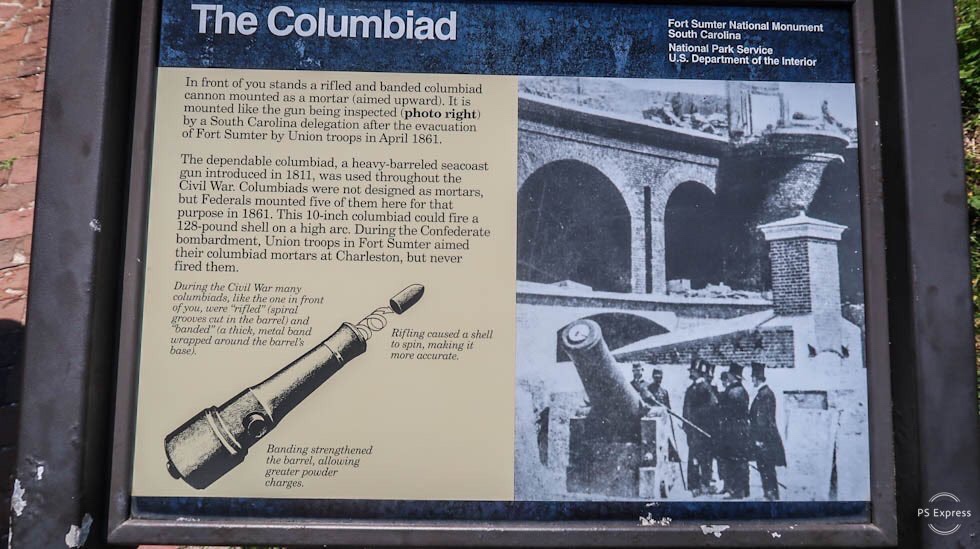
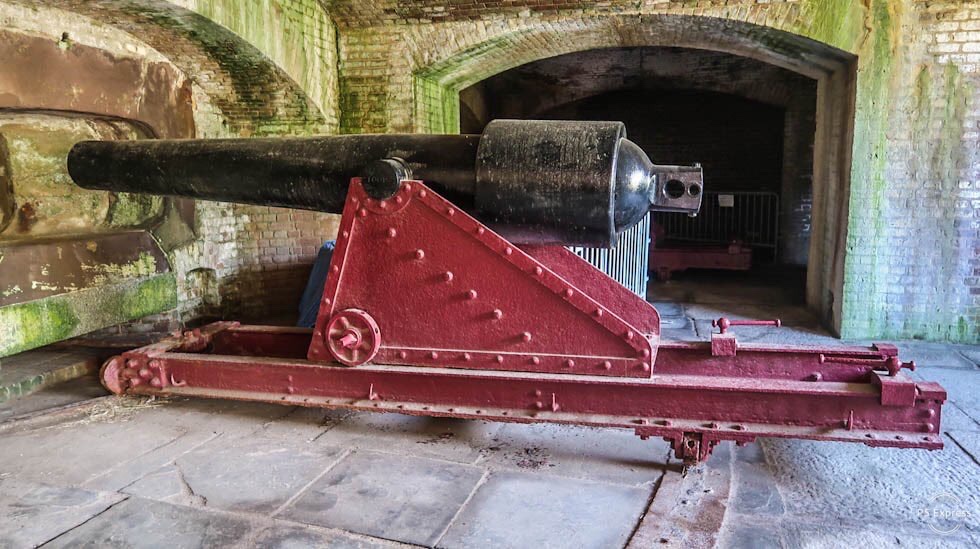
Fort Sumter is a sea Fort built on a sand bar protecting Charleston from naval invasion – site of the first shots fired in the Civil War. Since the middle of the 20th century, Fort Sumter has been open to the public & operated by the National Park Service.
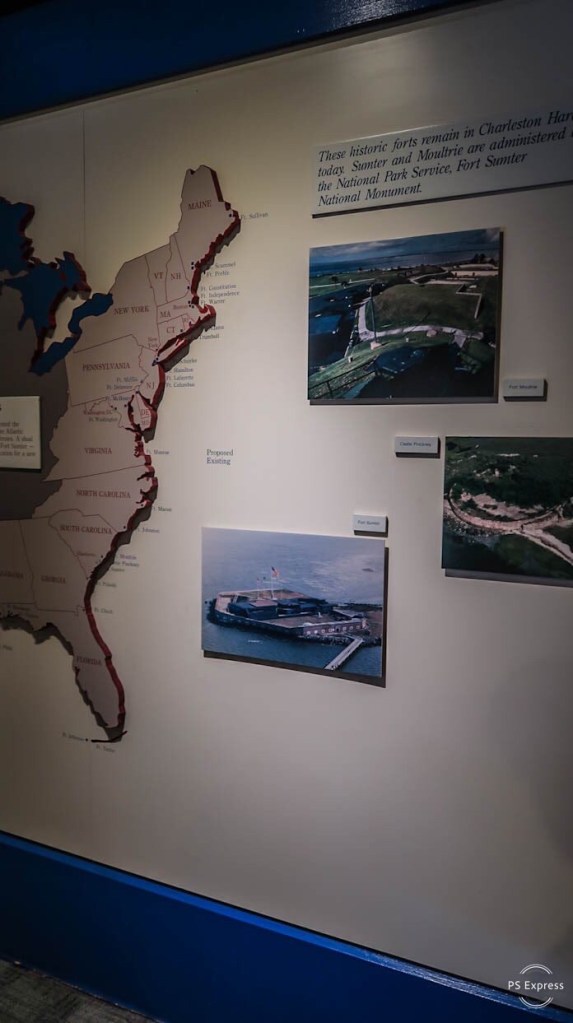
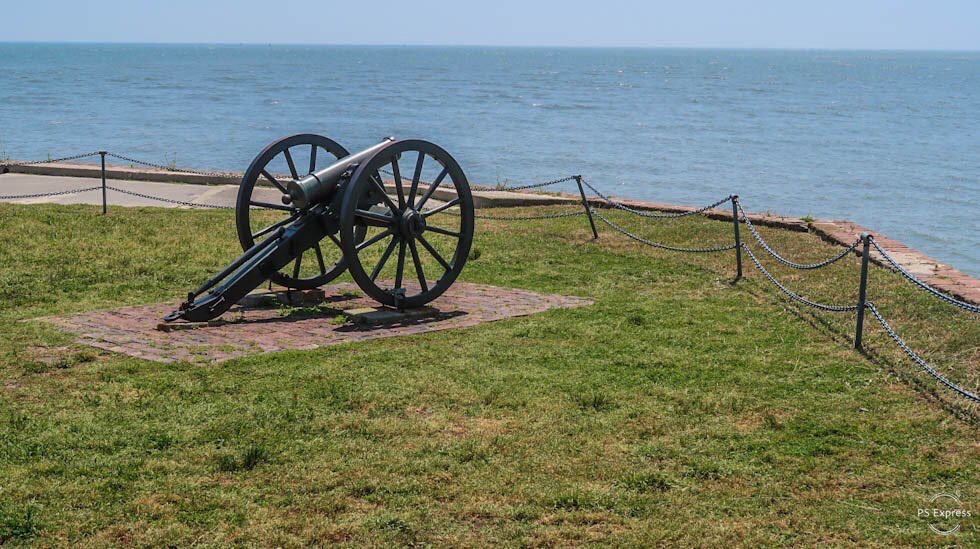
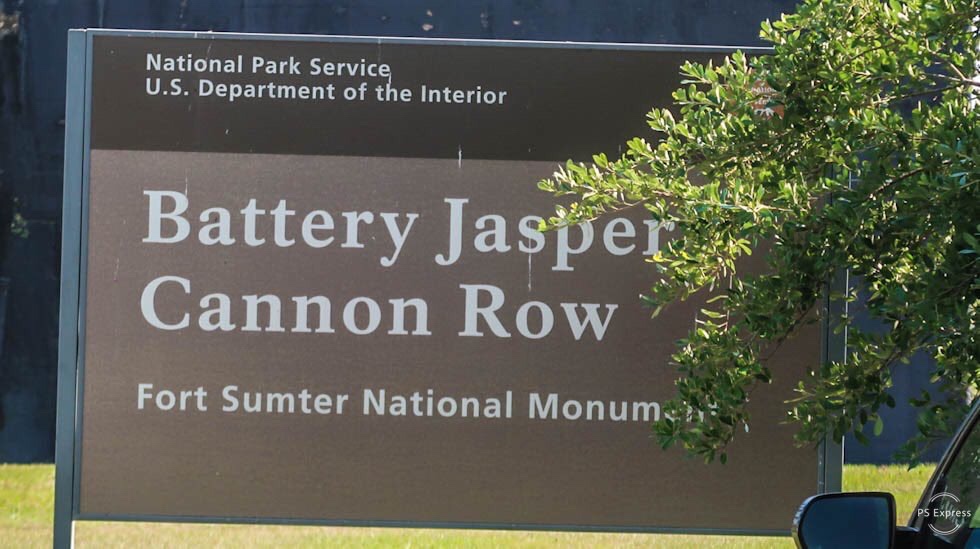
Named after General Thomas Sumter, a Revolutionary War hero, Fort Sumter was built after the 1814 Burning of Washington during the War of 1812 to protect American harbors from Britain. Built on an artificial island in the middle of the channel that provides Charleston with natural shelter, Fort Sumter would dominate the harbor, reinforcing the protection provided by the shore batteries , Ft Moultrie, Ft Wagner and Ft Gregg.
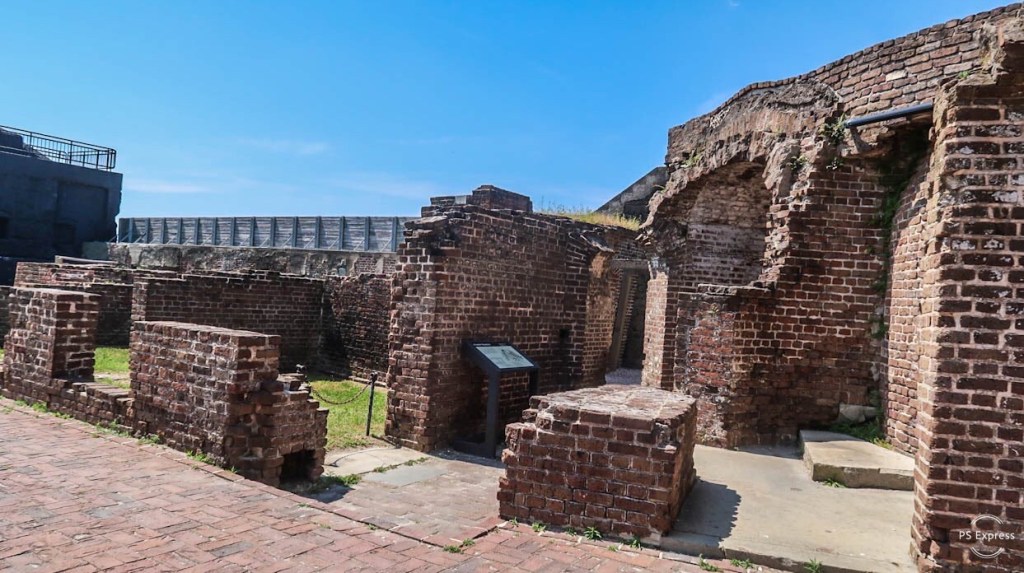
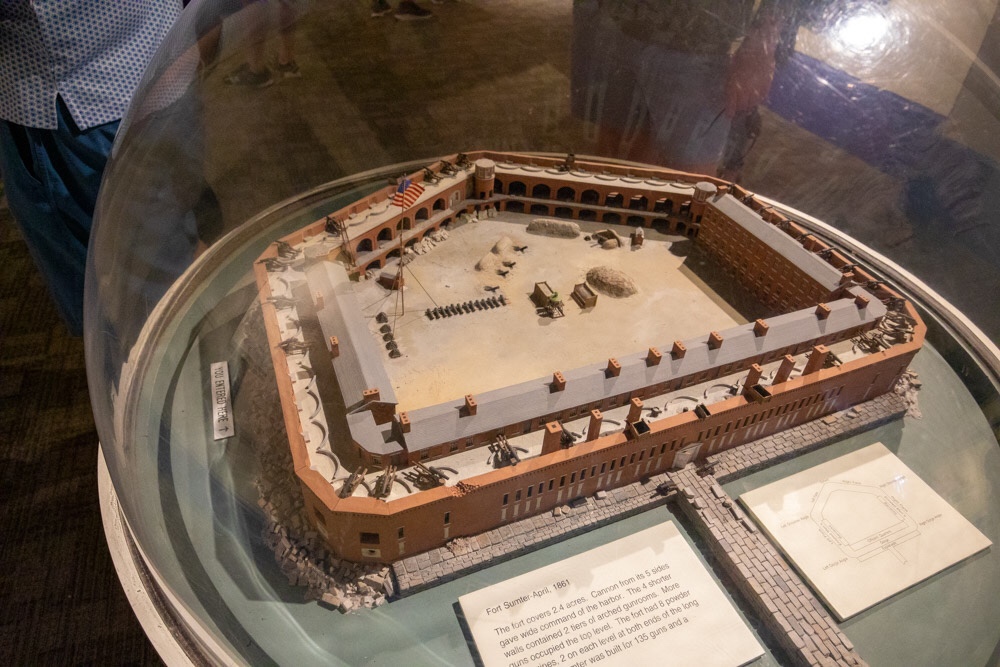
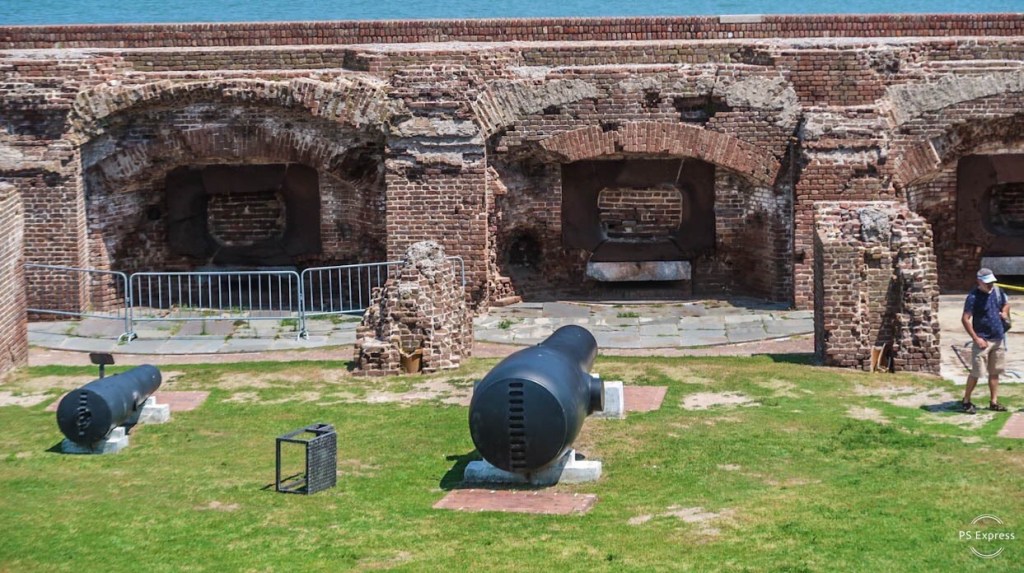
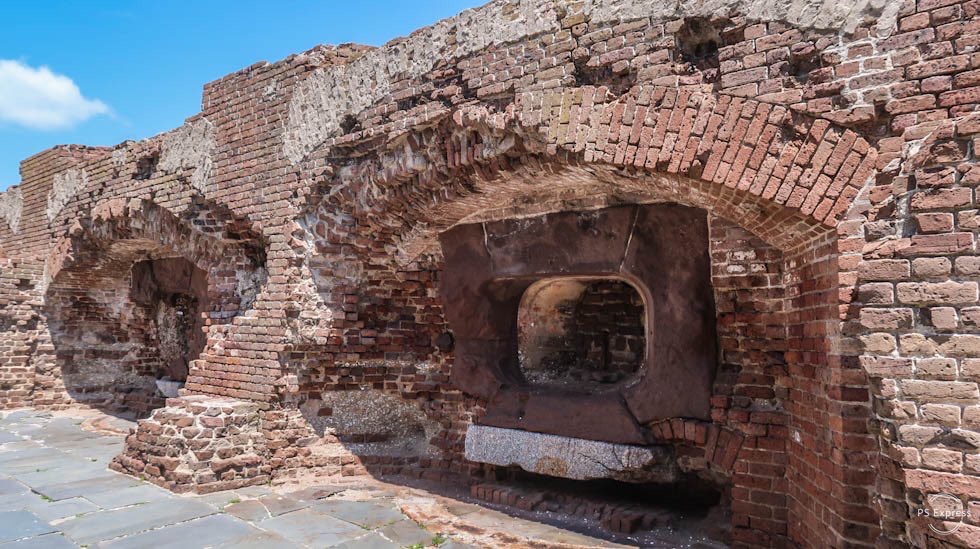
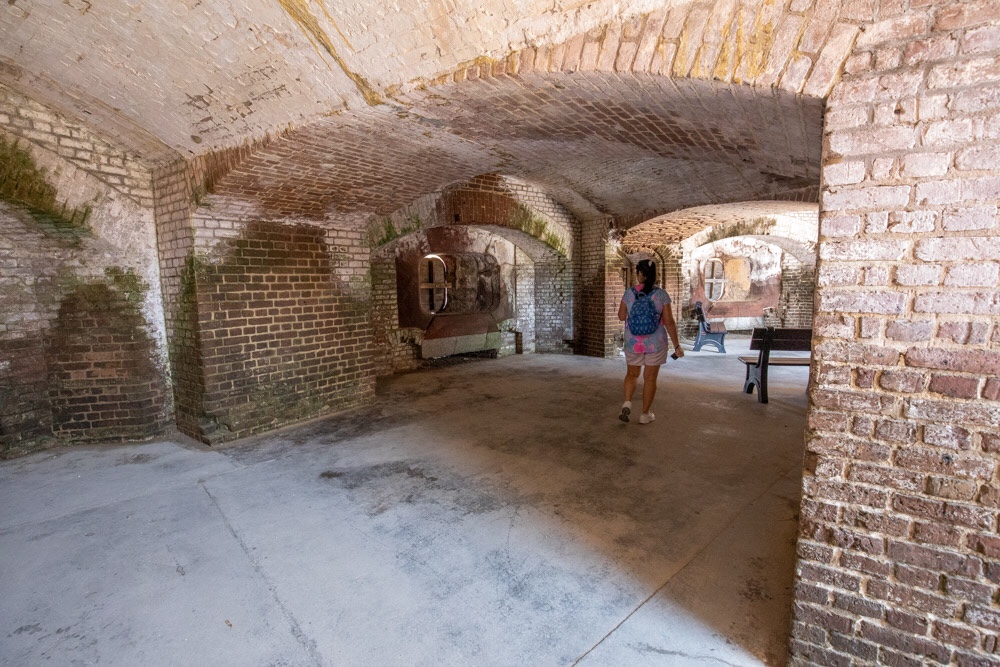
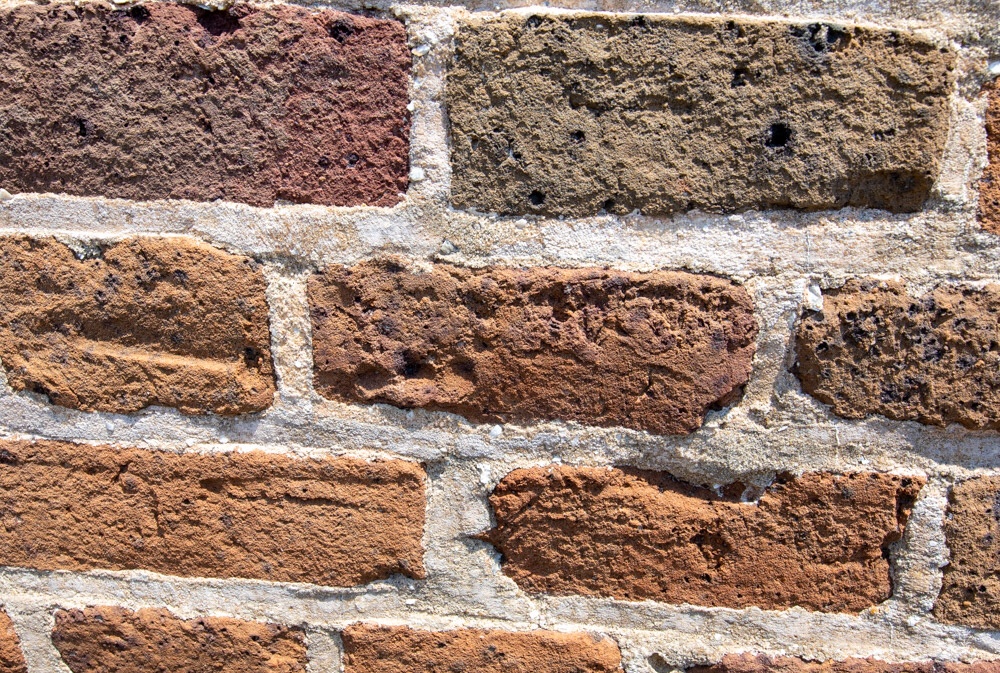
In 1827, engineers performed measurements of the depths and concluded that it was a suitable location for a fort. Construction began in 1829. Seventy thousand tons of granite were transported from New England to build up the artificial island. By 1834, a timber foundation that was several feet beneath the water had been laid. However, the decision was made to build a (stronger) brick fort. The brick fort is five-sided, 170 to 190 feet long, with walls five feet thick, standing 50 feet over the low tide mark. Although never completed, it was designed to house 650 men and 135 guns in three tiers of gun emplacements.
Fort Sumter is notable for two battles, the American Civil War April 12, 1861, when South Carolina Militia artillery fired from shore on the Union garrison. These were, both sides agreed, the first shots of the war. The bombardment continued all day, watched by many happy civilians.
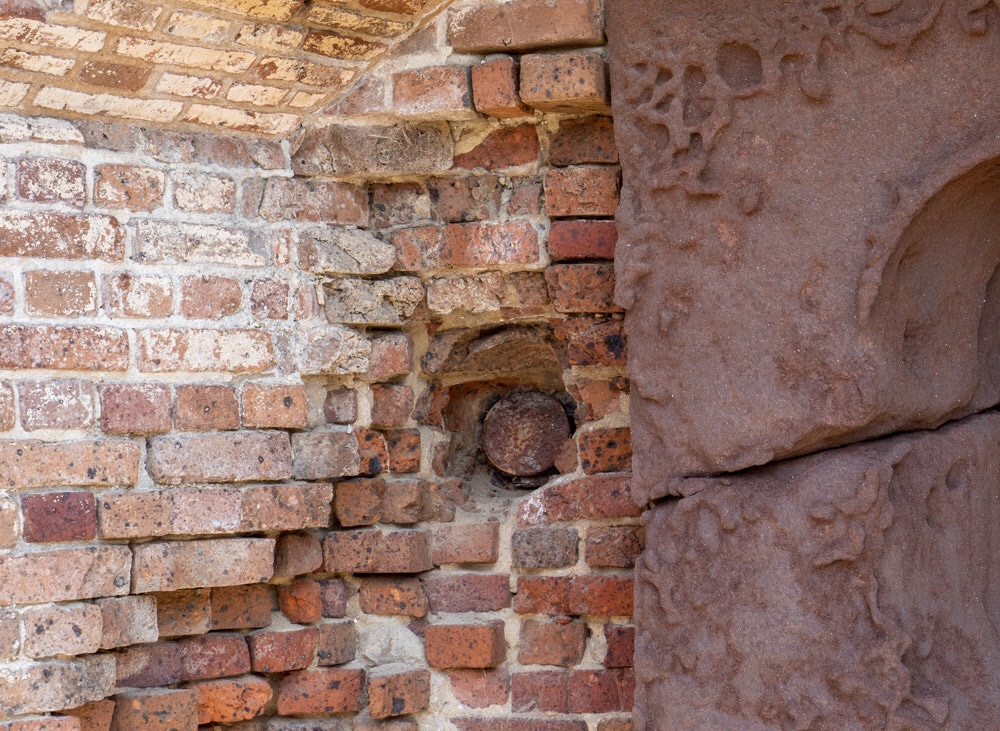
The Second Battle of Ft Sumter ( September 8, 1863) was a failed attempt by the Union to retake the fort, dogged by a rivalry between army and navy commanders. Although the fort was reduced to rubble, it remained in Confederate hands until it was evacuated as General Sherman marched through South Carolina in February 1865.
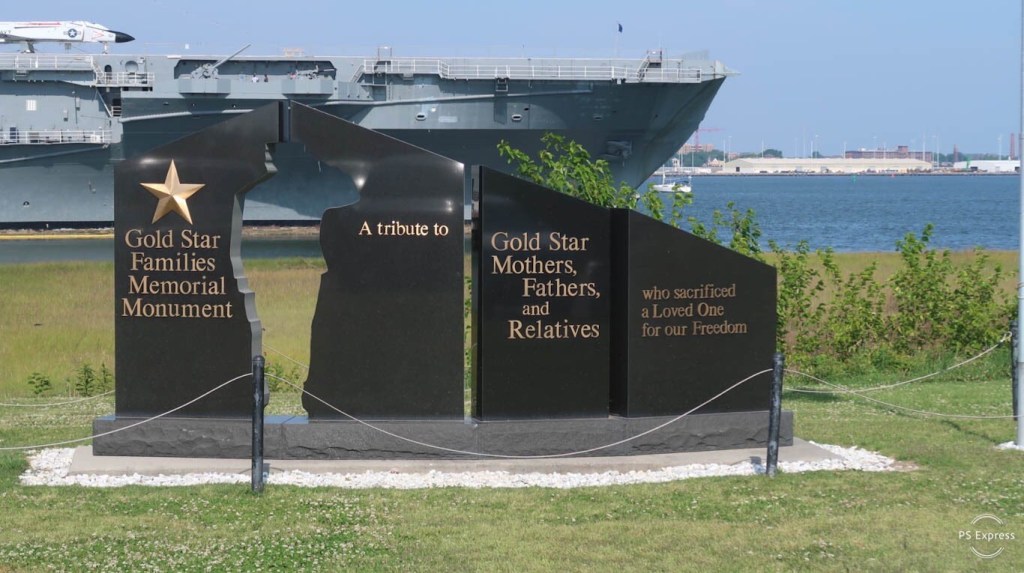
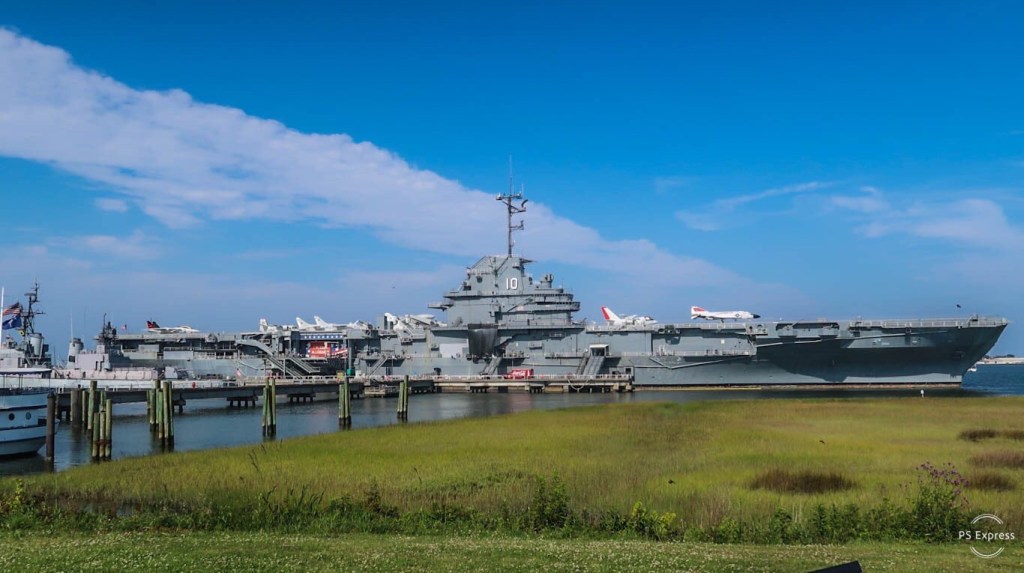
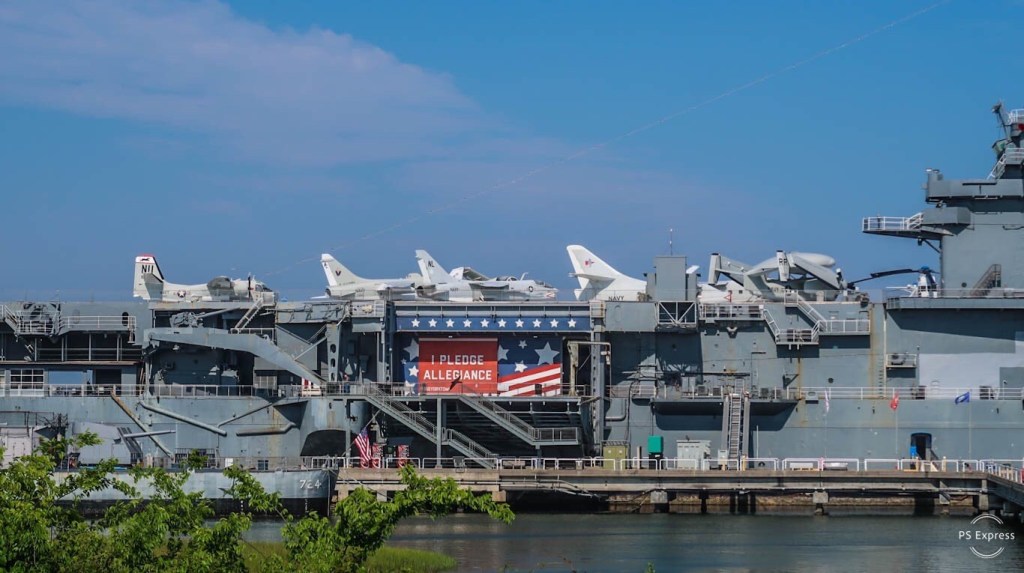
Patriots Point Naval & Maritime Museum is a naval museum located in Mount Pleasant, SC at the mouth of the Cooper River on the Charleston Harbor, across from Charleston. The museum was born out of an idea by former naval officer Charles F. Hyatt to develop create a major tourist attraction on what had been up to that time a former dump. Initial plans for the museum called for a large building onshore to display exhibits related to the history of small combatants ships in the U.S. Navy. On 3 January 1976, the aircraft carrier USS Yorktown Aircraft Carrier was opened to the public.
The USS YORKTOWN (CV-10) was the tenth aircraft carrier to serve in the United States Navy. Under construction as BON HOMME RICHARD, this new Essex-class carrier was renamed in honor of YORKTOWN (CV-5) sunk at the epic Battle of Midway (June 1942). Built in an amazing 16 ½ months at Newport News, Virginia, YORKTOWN was commissioned on April 15, 1943. World War II’s famous “Fighting Lady” would participate significantly in the Pacific offensive that began in late 1943 and ended with the defeat of Japan in 1945. YORKTOWN received the Presidential Unit Citation and earned 11 battle stars for service in World War II.
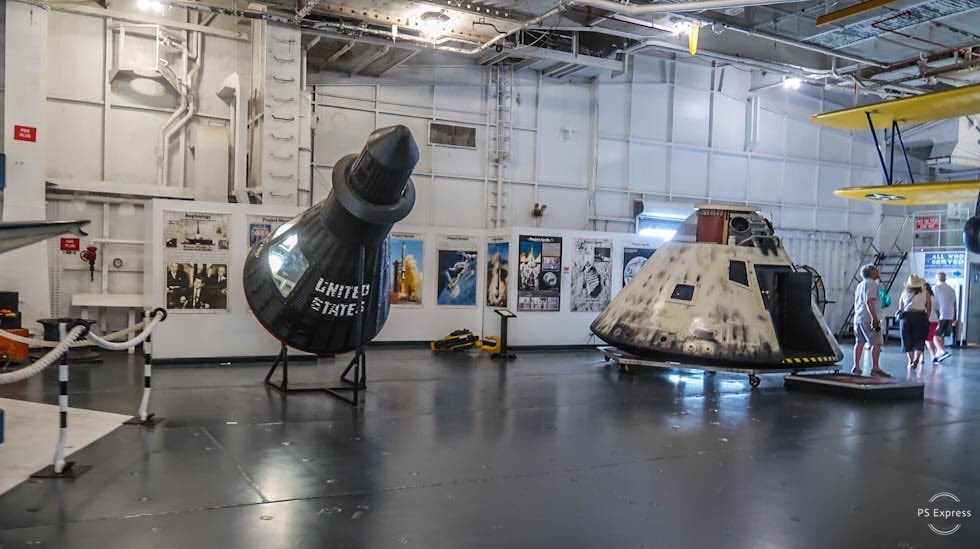
In the 1950s, YORKTOWN was modernized to operate jet aircraft as an attack carrier (CVA). In 1957, she was re-designated an anti-submarine aircraft carrier (CVS), and would later earn 5 battle stars for service off Vietnam (1965-68). The ship also recovered the Apollo 8 astronauts and capsule (December 1968). YORKTOWN was decommissioned in 1970 and placed in reserve. In 1975, this historic ship was towed from Bayonne, NJ to Charleston to become the centerpiece of Patriots Point Naval & Maritime Museum.
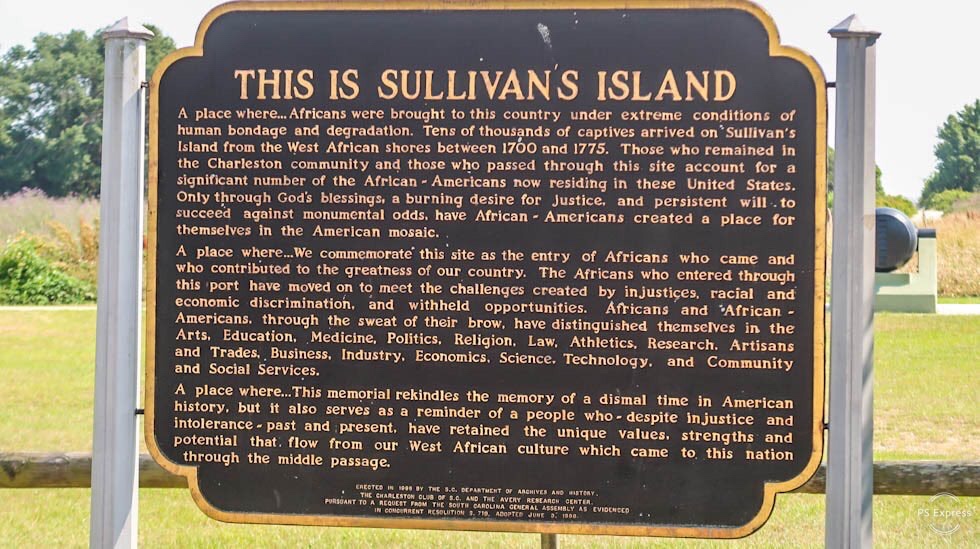
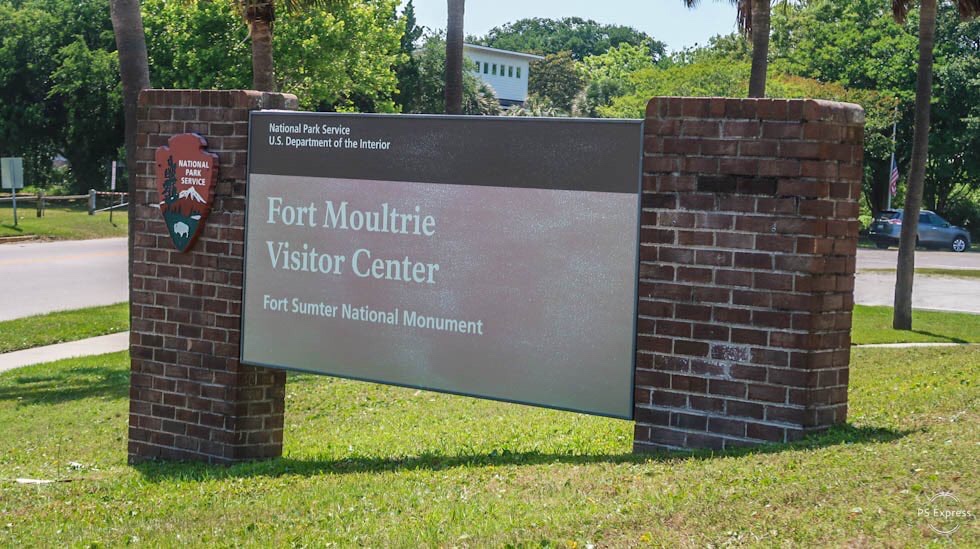
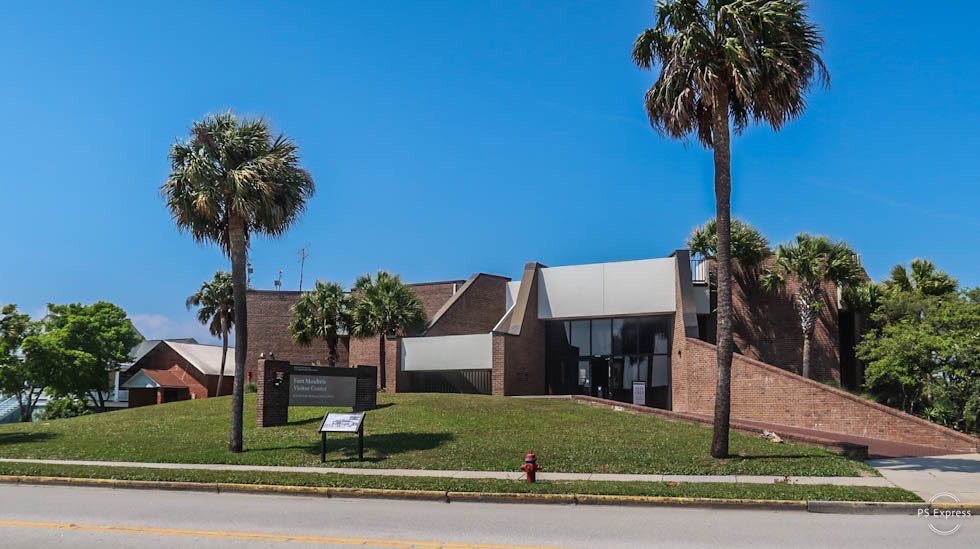
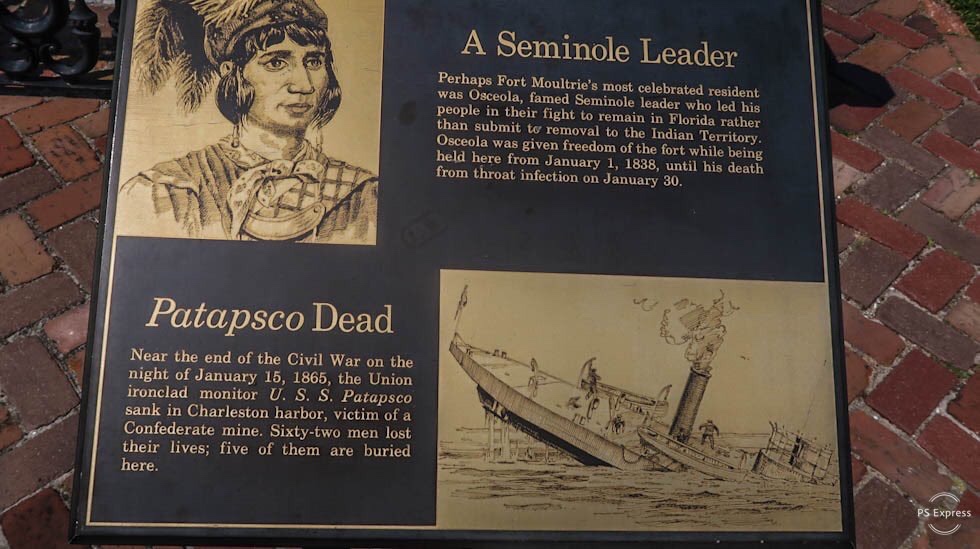
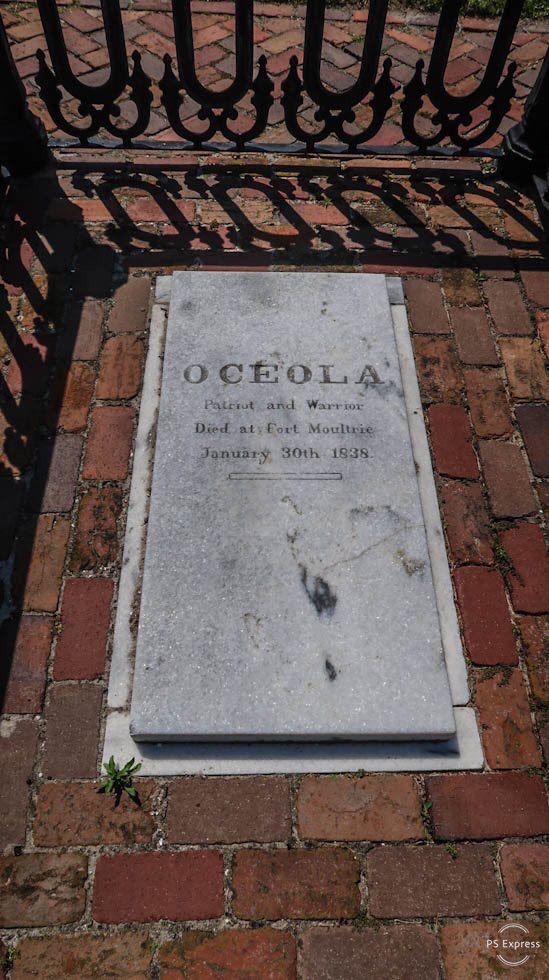
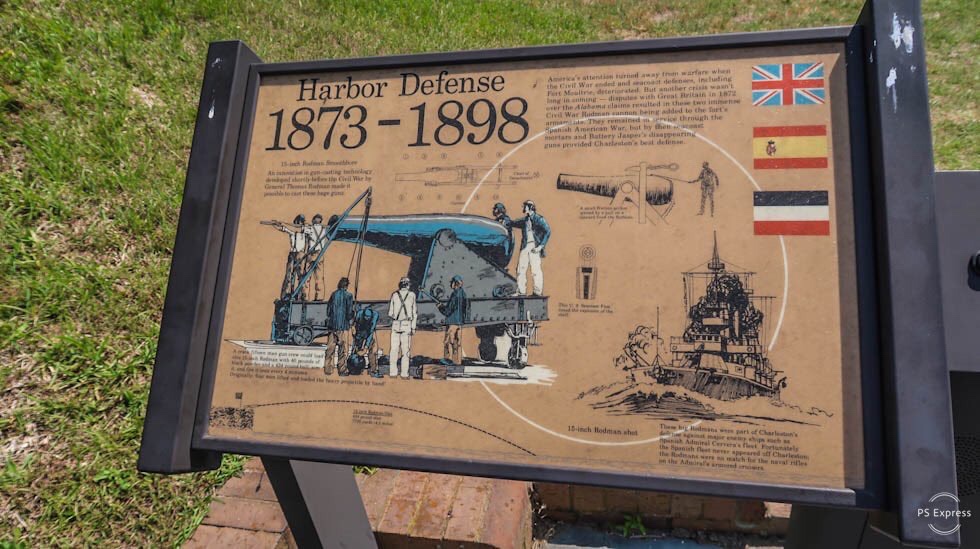
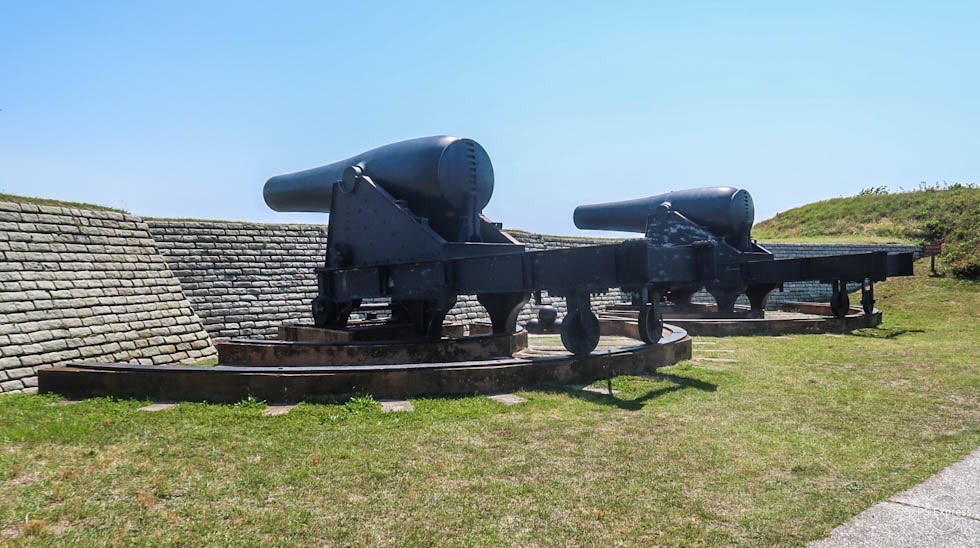
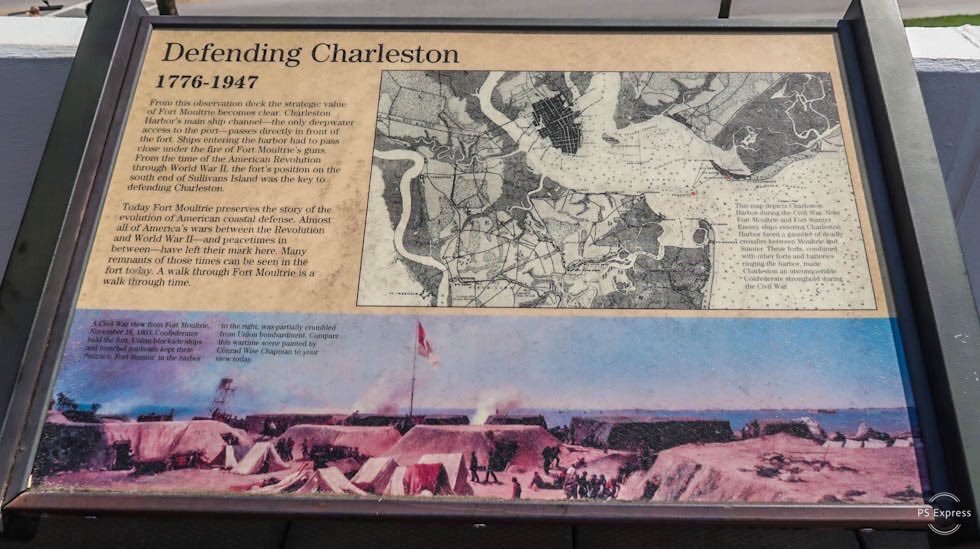
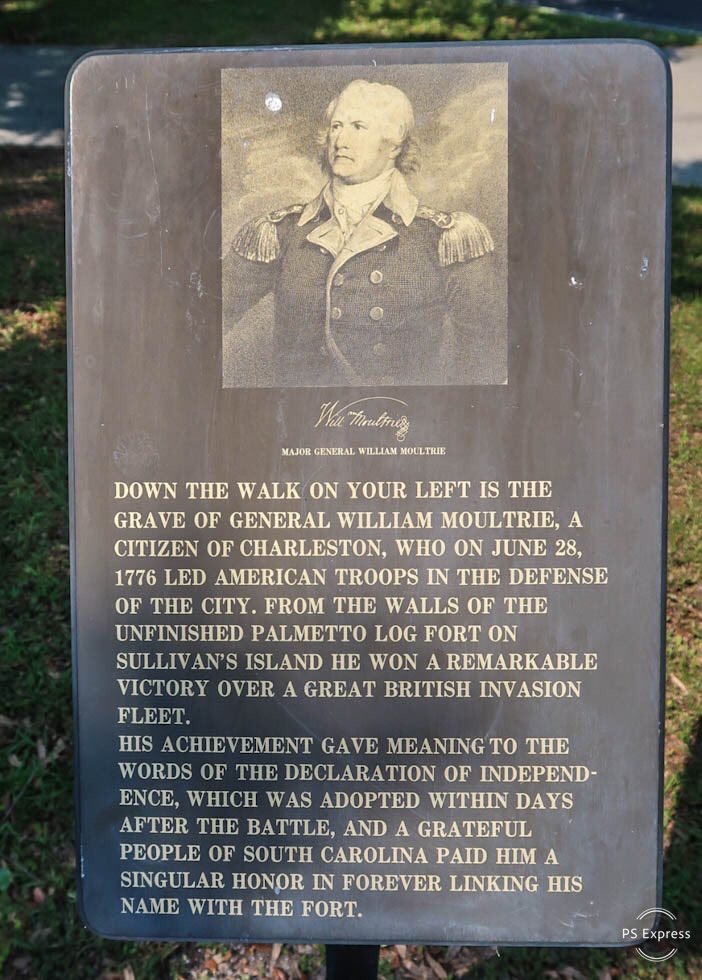
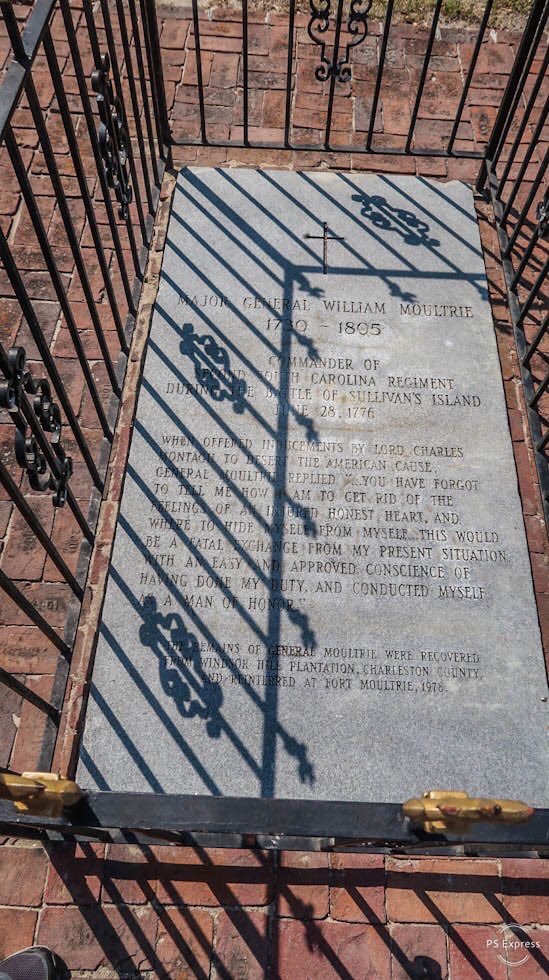
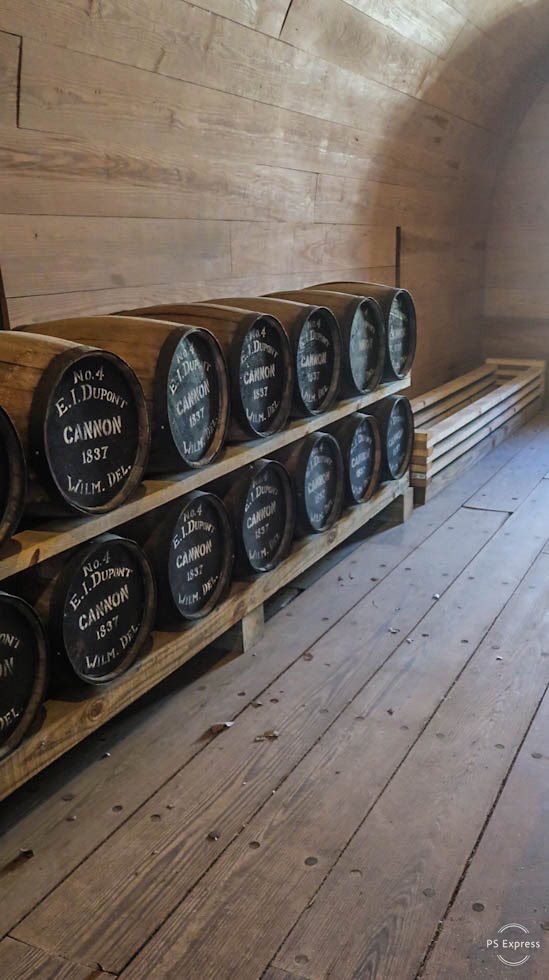
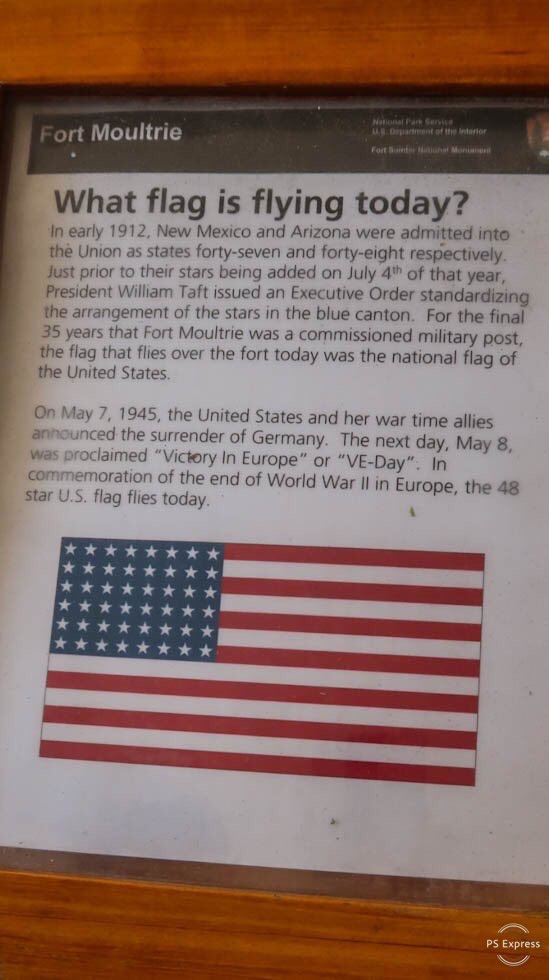
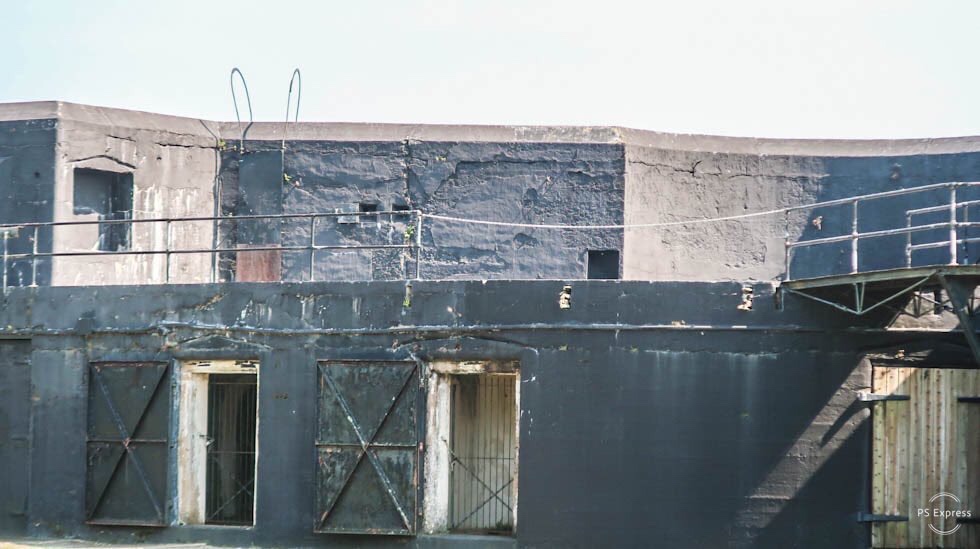
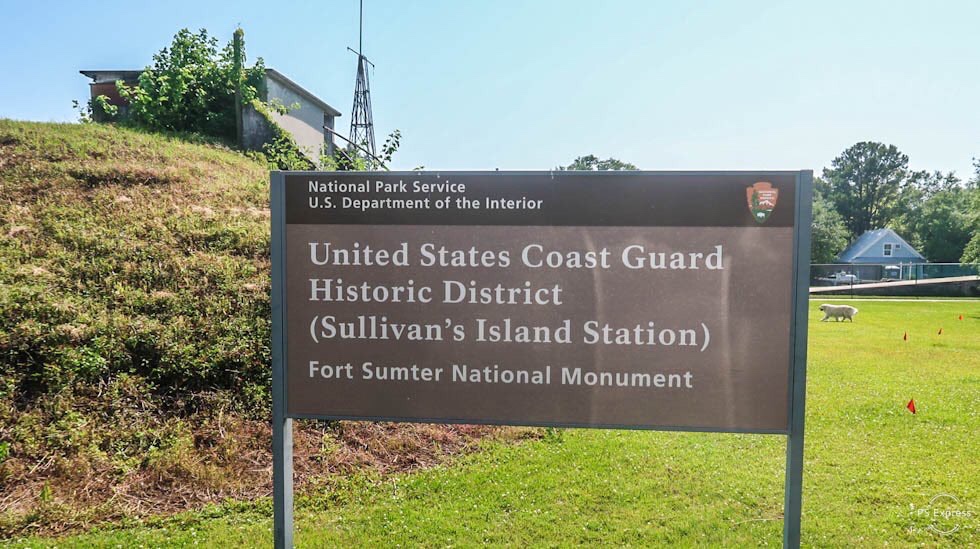
Fort Moultrie is a series of fortifications on Sullivans Island built to protect the city. The first fort, formerly named Fort Sullivan, built of palmetto logs, inspired the flag and nickname of SC as “The Palmetto State”. The fort was renamed for the U.S. patriot commander in the Battle of Sullivan’s Island, General William Moultrie. During British occupation, in 1780–1782, the fort was known as Fort Arbuthnot. The low-laying coastal structure, which encompasses a large parcel of Atlantic Ocean bordering beaches on the southern tip of Sullivan’s Island, began as a Revolutionary War defense before being transformed into a secondary Confederate stronghold during the Civil War.
Col. Moultrie took command of Sullivan’s Island on March 2, 1776, which included a garrison of 413 men of the 2nd SC Regiment of Infantry and 22 men of the 4th South Carolina Regiment, artillery. The island included a fort, still under construction at the southern tip, which was being supervised by Capt. De Brahm. The square design, with corner bastions, was supposed to have parallel rows of palmetto logs 10 feet high, filled in with 16 feet of sand. However, by June 28, only the front (the southeast and southeast curtain walls and bastions) was complete.
During the first battle of the Civil War (April 12-13, 1861), Confederates at Fort Moultrie fired on Union troops in Fort Sumter. Confederate forces successfully used both forts to protect Charleston from a combined Union navy and army siege from 1863 to 1865.
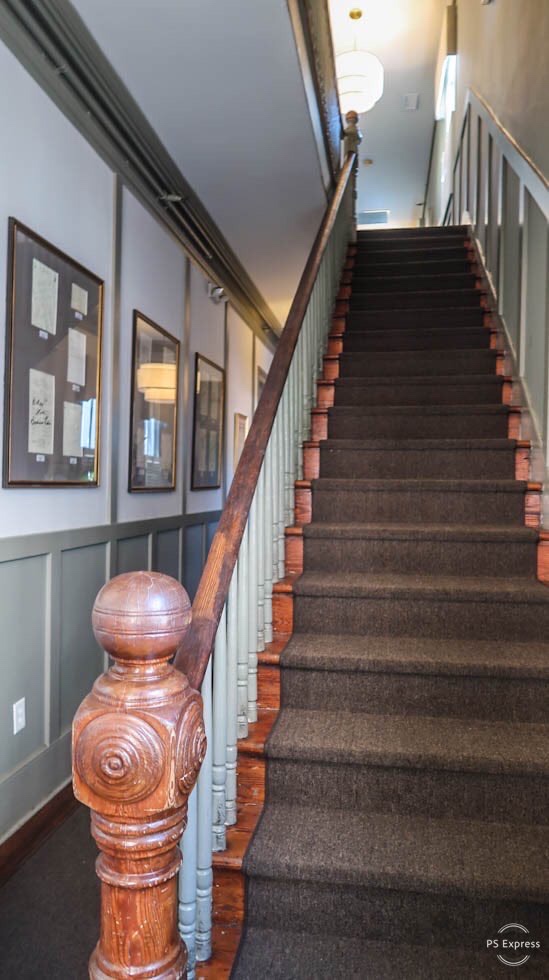
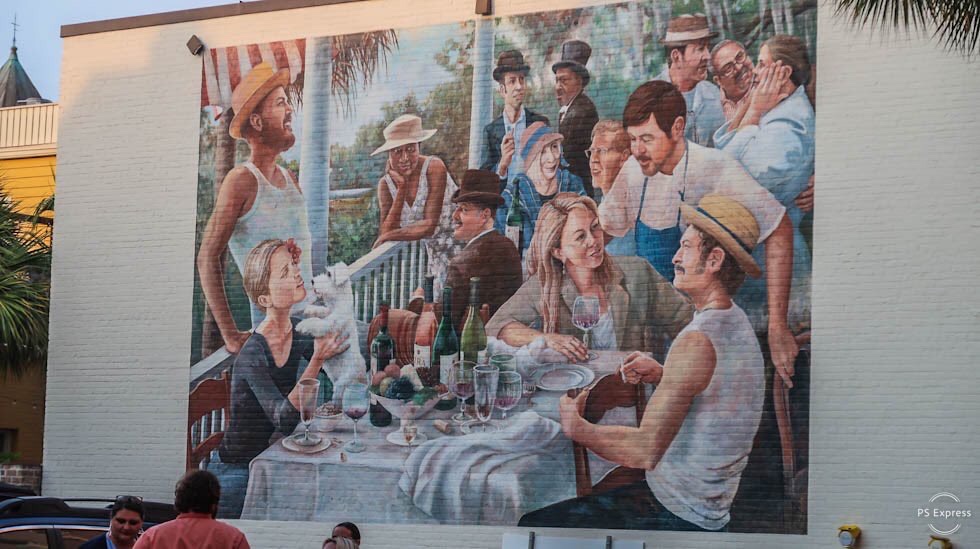
Poogan’s Porch – From the moment we stopped into the parlor of Poogan’s Porch, there is a pervasive sense of history: the knotted heart-of-pine floors, the dual staircases, and of course, the first and second-story porches all reflect the Charleston of days gone by.
Poogan’s Porch was originally a spacious, commodious home, erected in 1891. By 1976, the character of the neighborhood had changed suitably to allow for the conversion of the house into a restaurant. The last residential owners of the site sold their home and moved away, leaving behind the neighborhood dog that they had grown so accustomed to caring for over the years.
As far as the little dog was concerned, Queen Street was his terrain. He had been a neighborhood fixture, graciously accepting table scraps and back scratches from every family on the block. He was no purebred fluffy puppy; he was a good ol’, down-home Southern porch dog and the porch at 72 Queen had become his favorite spot over the years.
Poogan became the guardian of the fledgling restaurant. From his perch on the front porch, he presided over the renovation process, and when we opened our doors for business, he greeted our first guests warmly. The restaurant family cherished him. He became an institution.
Poogan died a natural death in 1979. This building is his monument.
 Follow Tim & Sandy's Adventures
Great article and photos !
Interesting historical notes.
LikeLiked by 1 person
Thank you Carol! ❤️ As we experience new adventures I like to share what we’ve learned and also document it so we remember!!!! 🤣So much out there to see! 🌸💕
LikeLike