

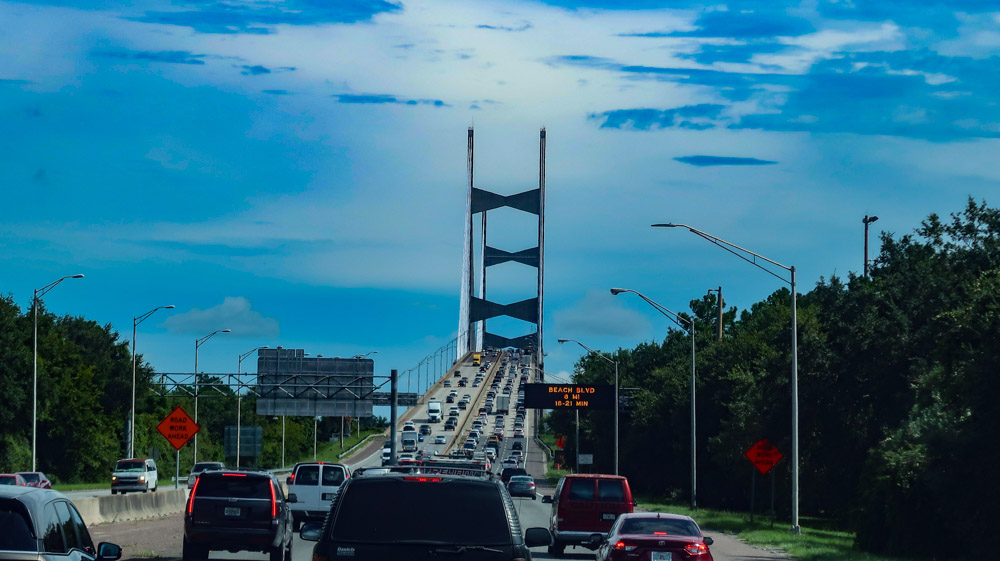
8am – Rise and shine campers! ☀️ Cooked breakfast outside….eggs & bacon today! Had breakfast with Matthew then got ready for yet another adventurous day! Matthew had to work remotely so off we go to Jacksonville to see 2 more National Parks!
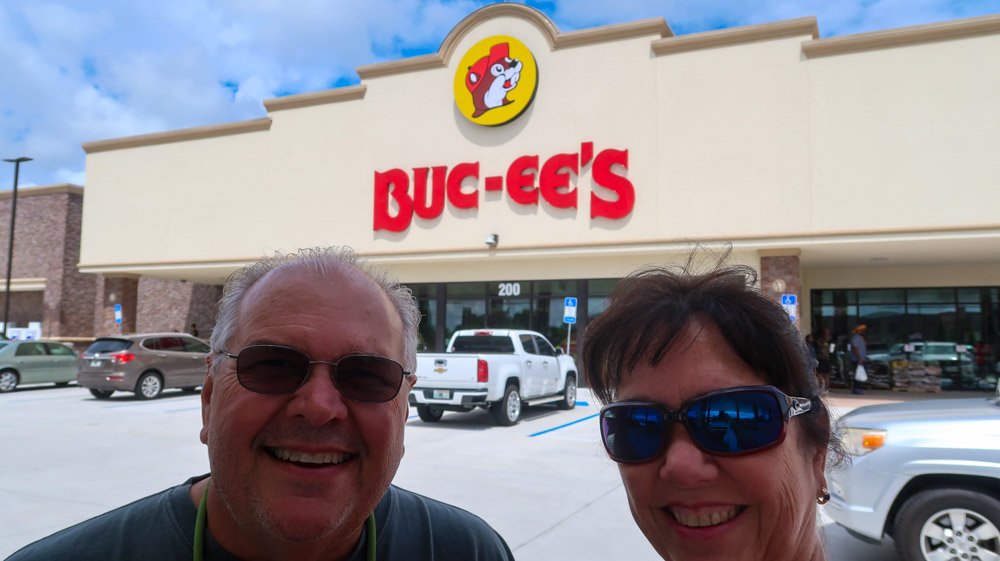
First stop Bucees to get sandwiches & yep Diet Coke! 🥤 Saved them for a picnic lunch at the Preserve.
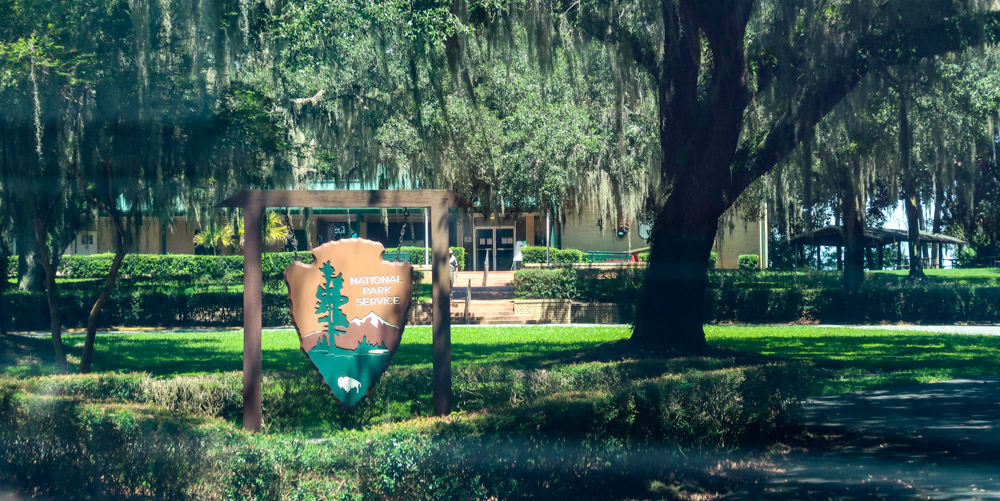
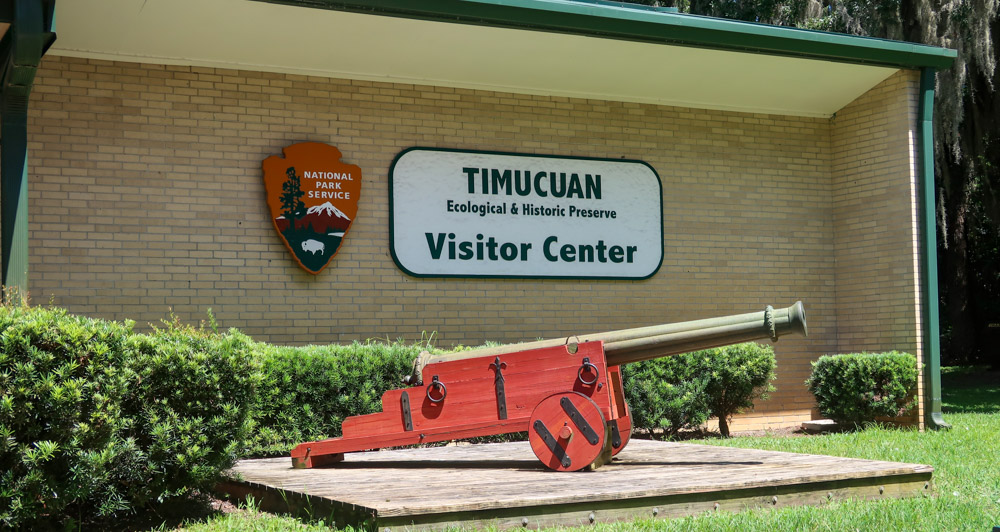
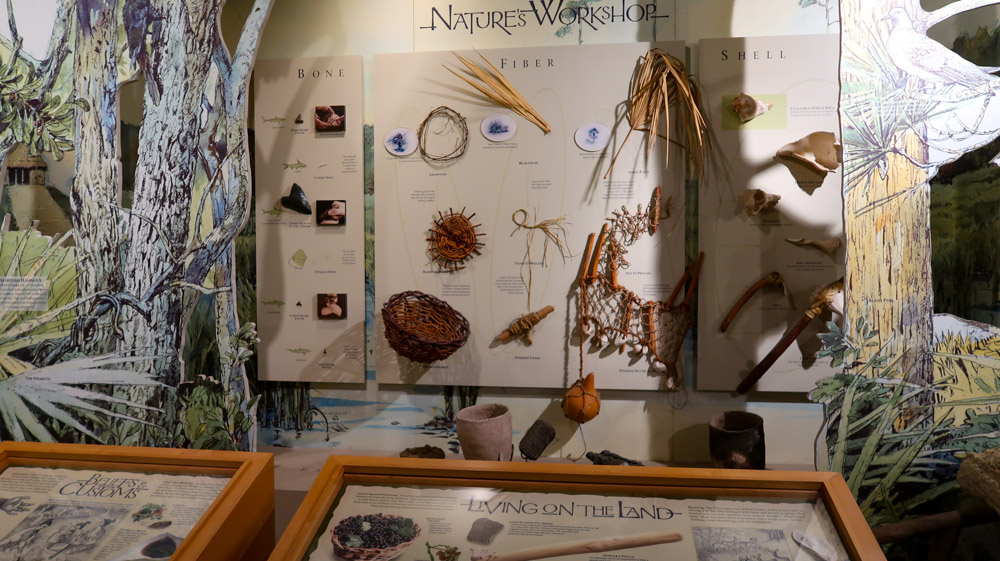
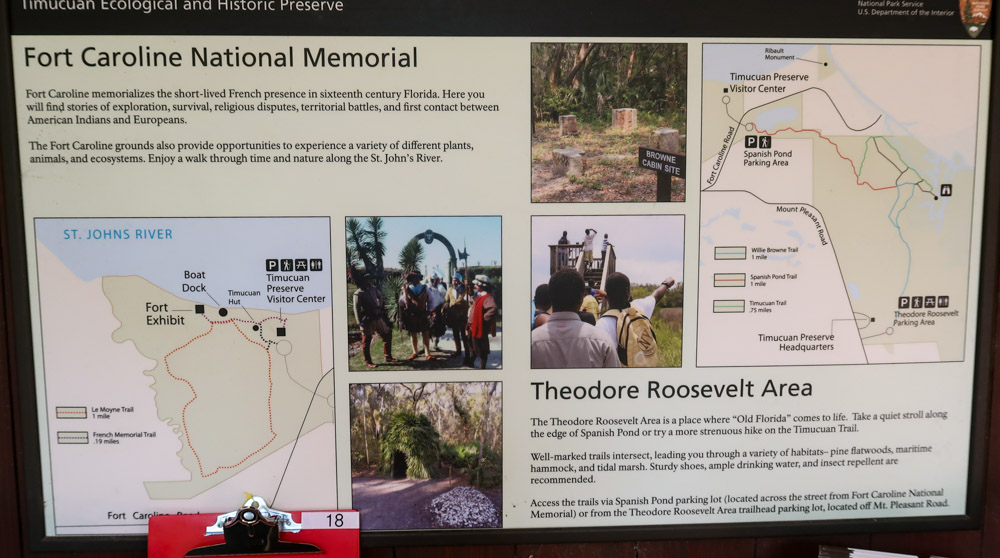
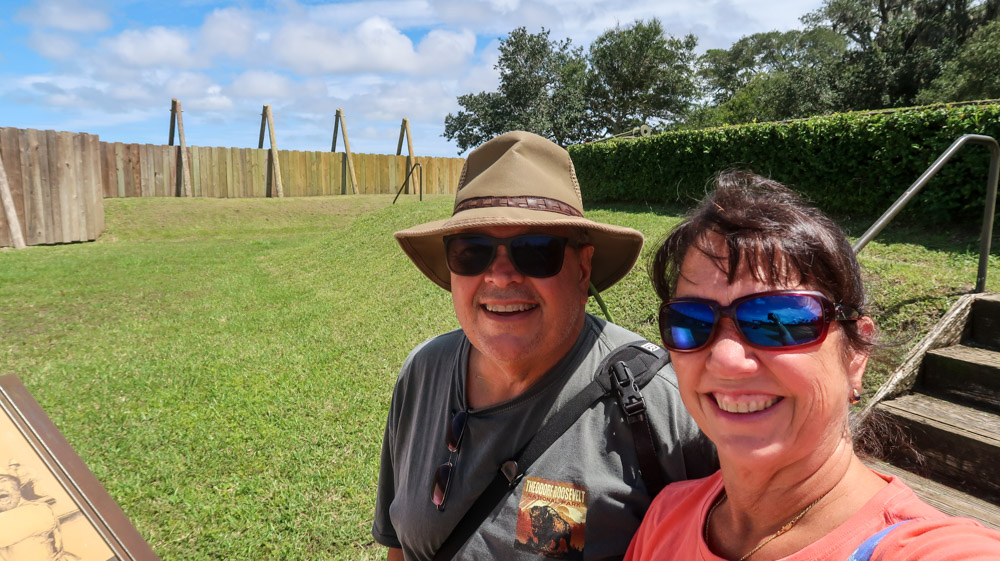
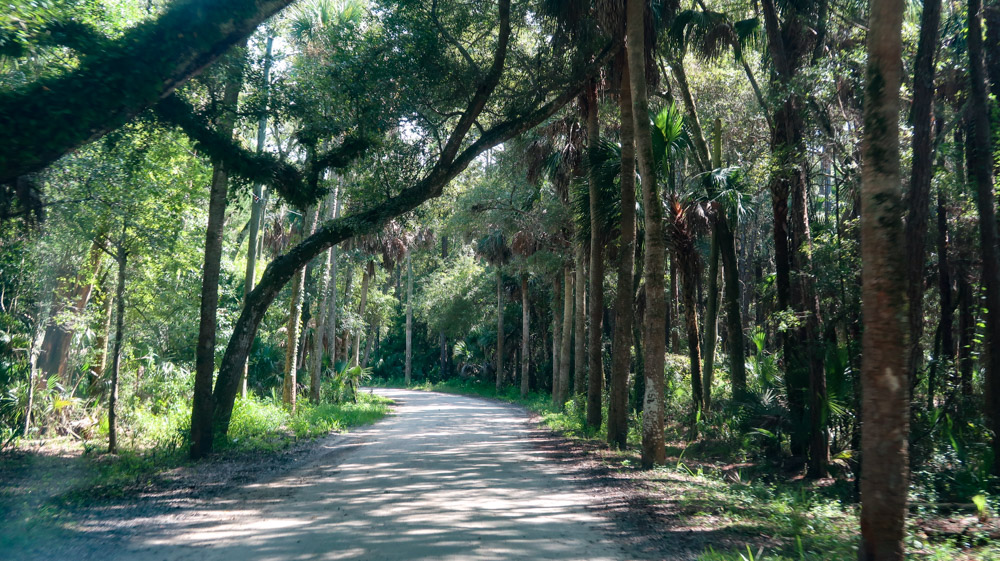
The Timucuan Ecological and Historic Preserve is a U.S. National Preserve in Jacksonville, Florida. It comprises 46,000 acres of wetlands, waterways, and other habitats in northeastern Duval County. The Timucuan Preserve – The Theodore Roosevelt Area is a place to “ indulge in the sights , smells, and sights of Old Florida “.
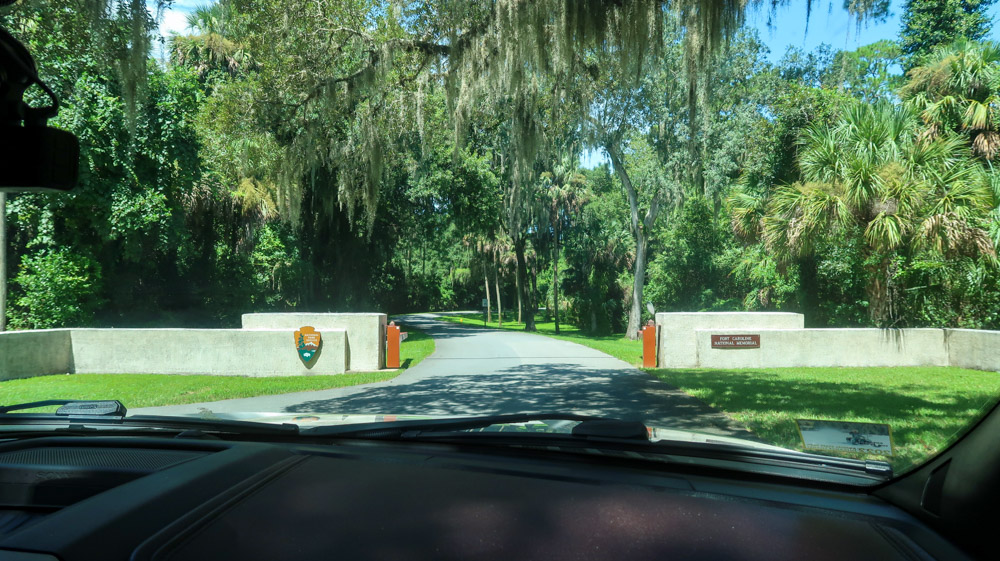
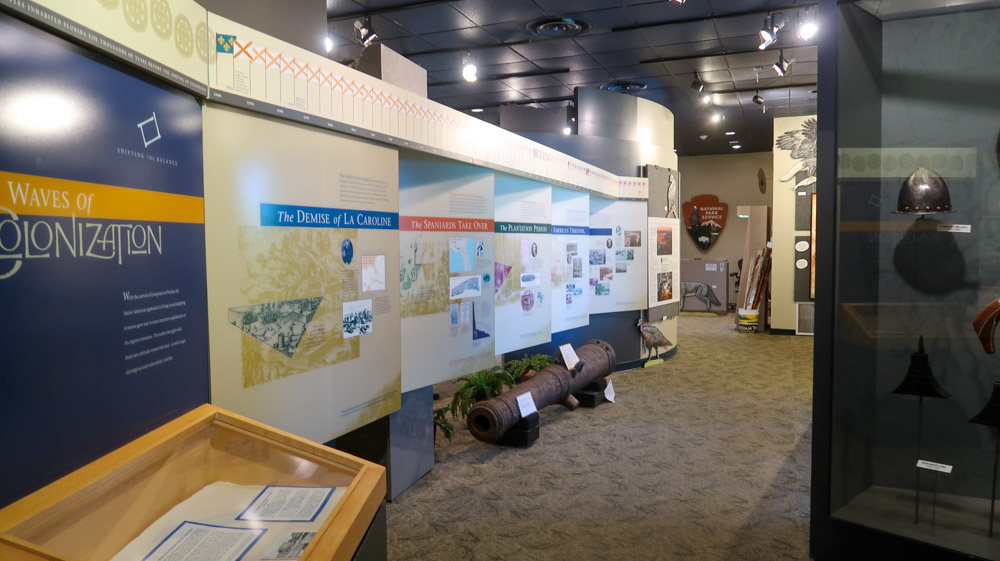
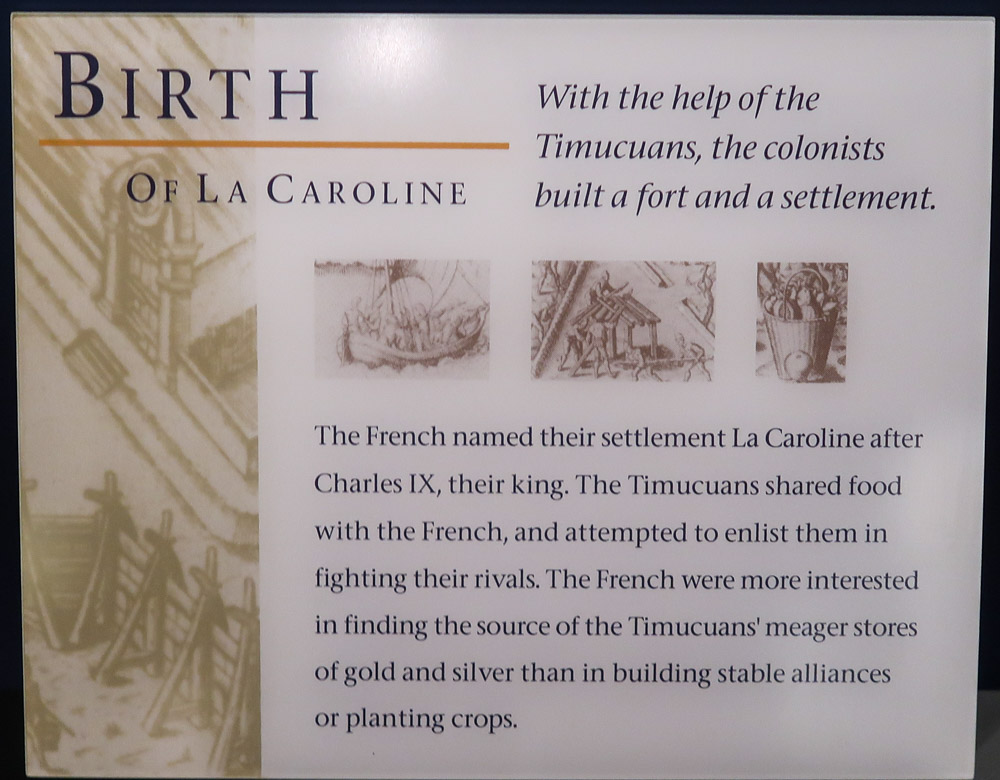
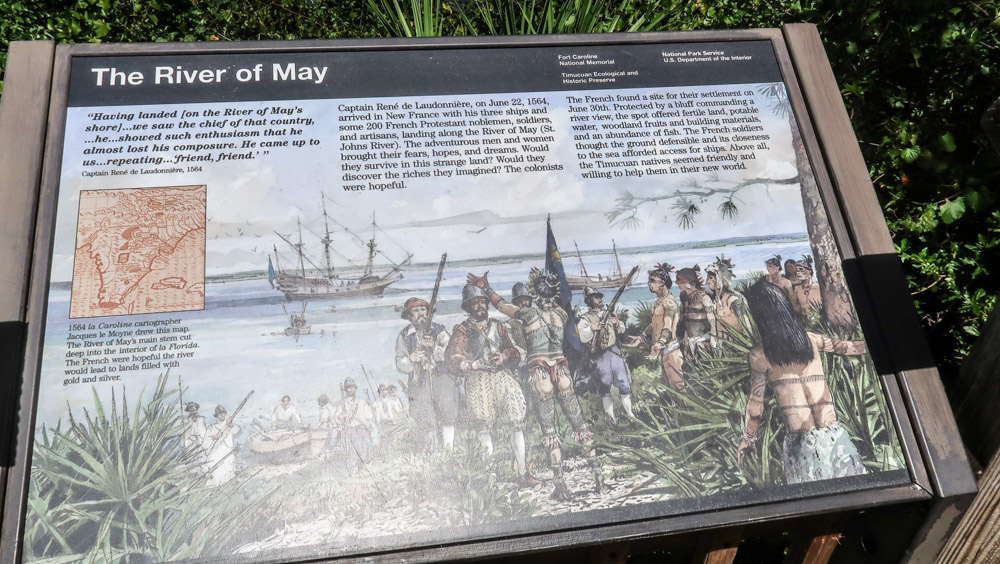
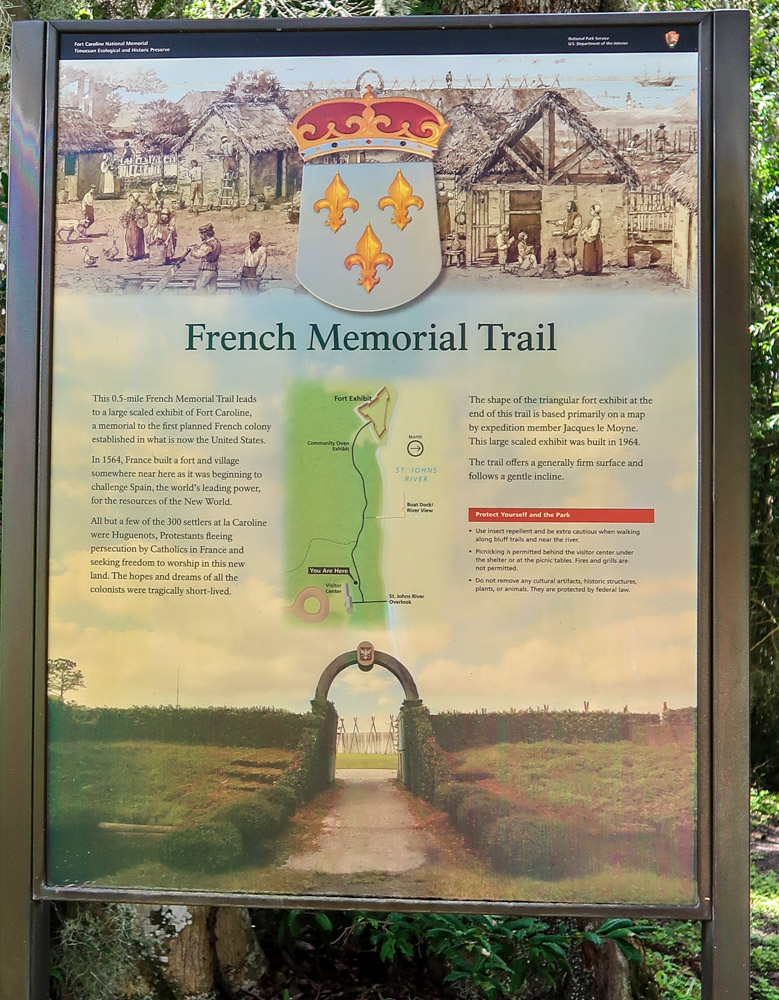
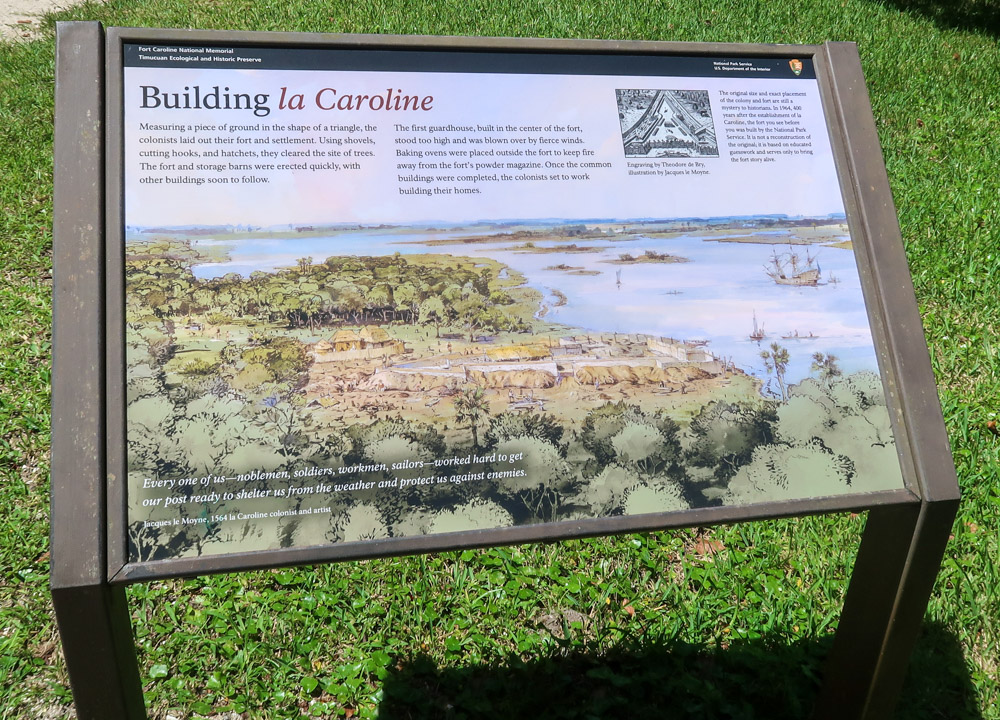
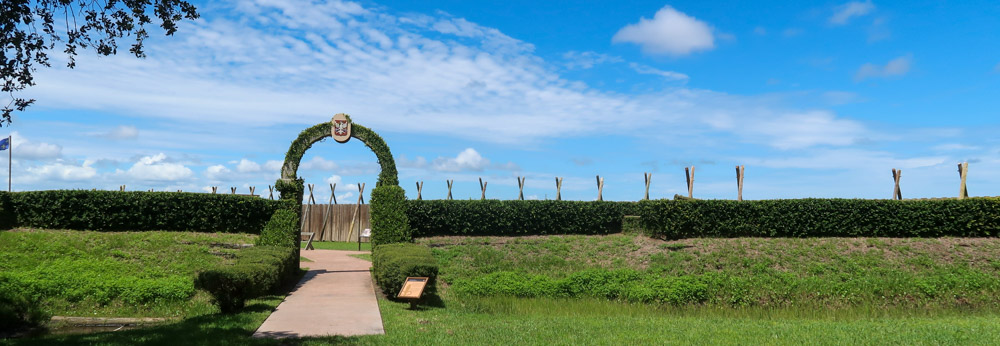
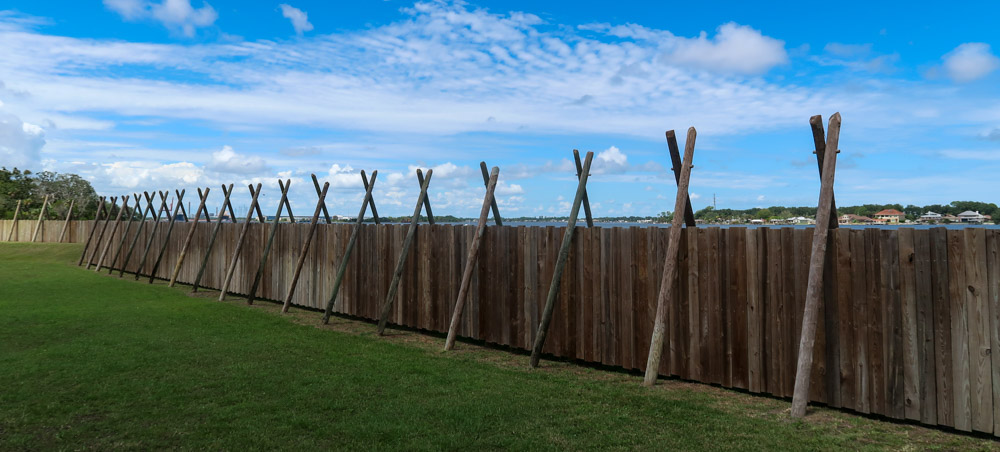
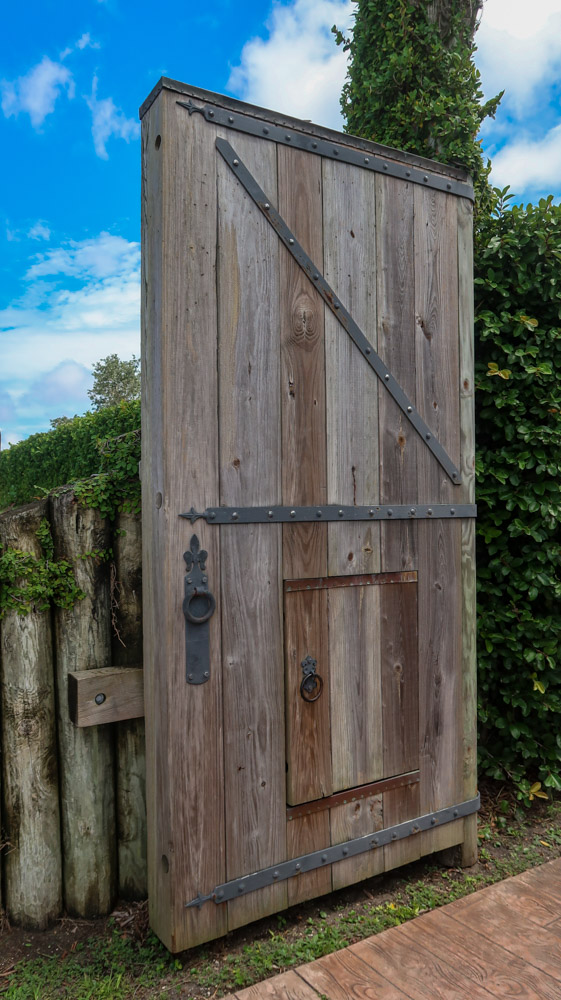
Fort Caroline was an attempted French colonial settlement located on the banks of the St. Johns River in Duval County. It was established under the leadership of Rene’ Goulding de Laudonnie’re on 22 June, 1564. Helped by the Indians, they built the fort and a village naming it after their king, Charles IX. The French colony came into conflict with the Spanish, who established St. Augustine in September 1565, and Fort Caroline was sacked by Spanish troops under Pedro Menendez de Aviles on September 20th. The Spanish continued to occupy the site as San Mateo until 1569.
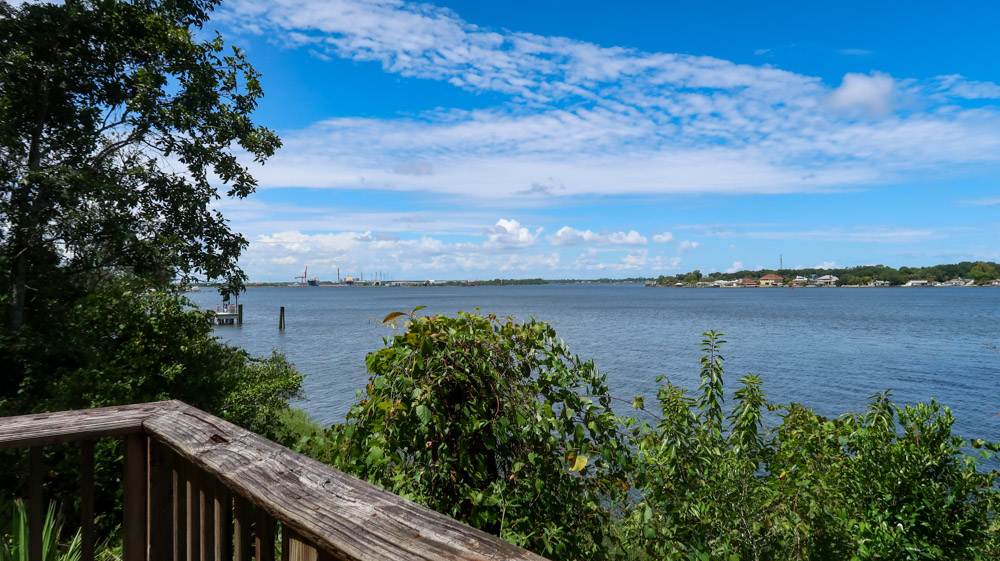
In 1953 the National Park Service established the Fort Caroline National Memorial along the southern bank of the St. John’s River near the point that commemorates Laudonnière’s first landing. 128 acres. This is generally accepted by scholars as being in the vicinity of the original fort, though probably not the exact location. The memorial is now managed as a part of the Timucuan Ecological & Historical Preserve, but it is also a distinct unit under administration of the National Park Service.
When the Spanish conquistador Pedro Menendez, who had black crew members in his fleet, founded St. Augustine in 1565, he wrote that his settlers had been preceded by free Africans in the French settlement at Fort Caroline. Together, Fort Caroline and the St. Augustine area represent some of the earliest points of history for the Black community of what would become the United States.
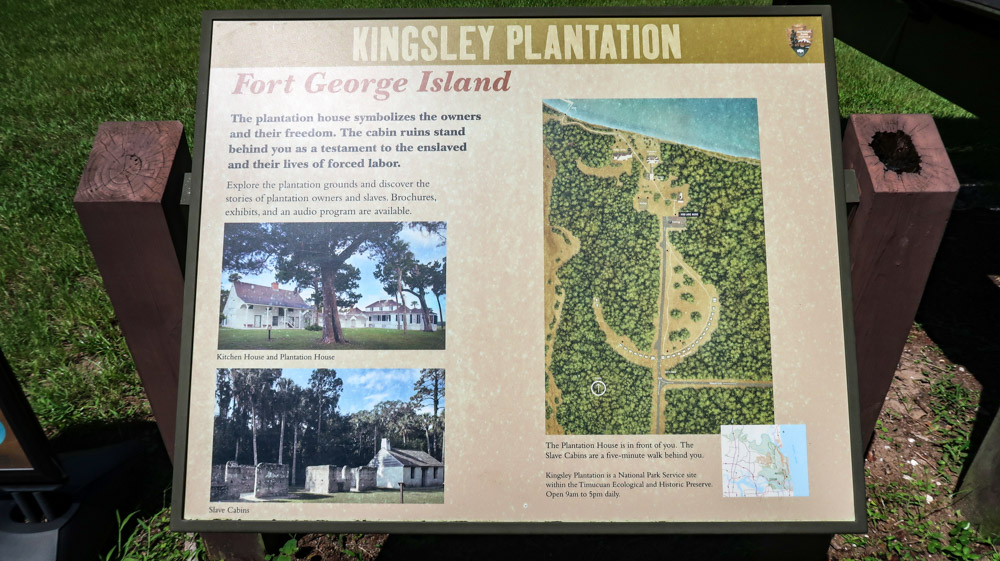
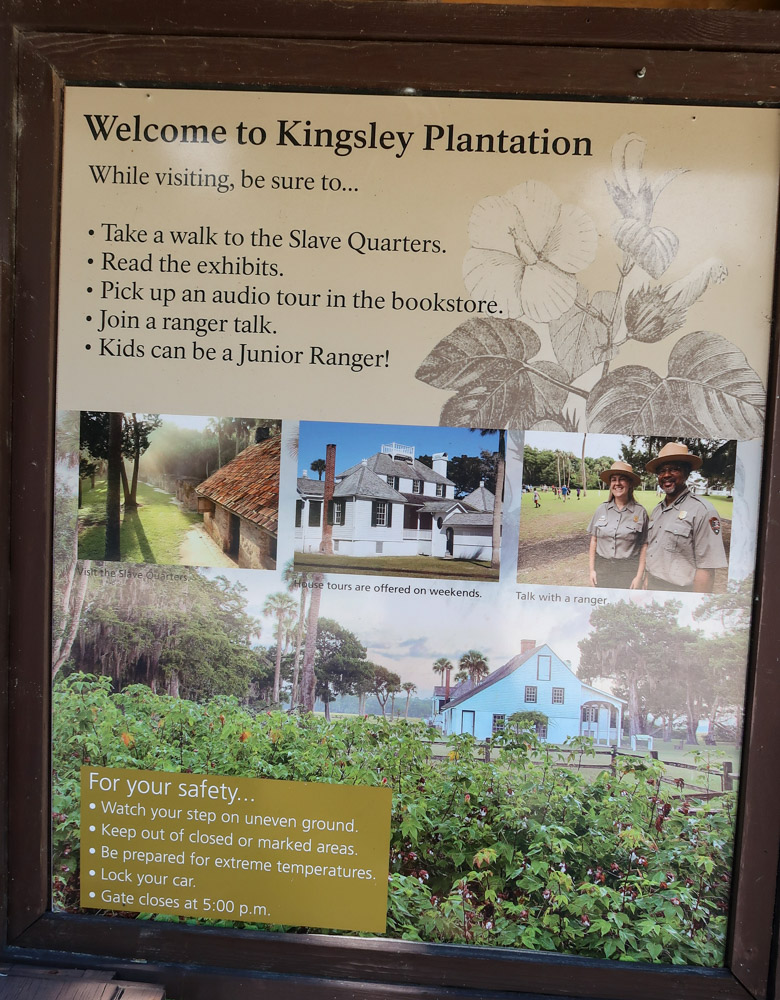
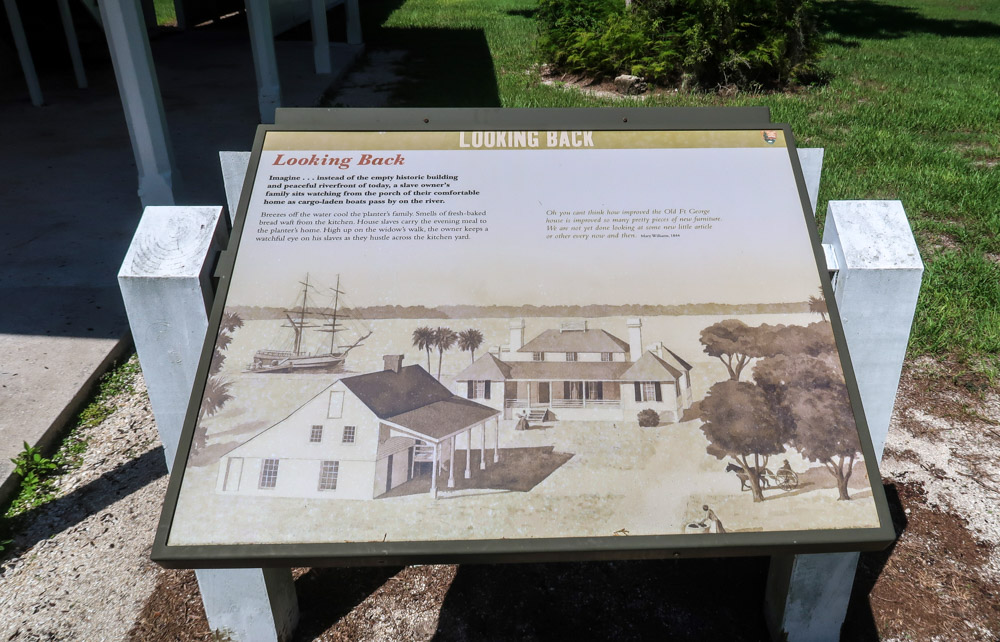
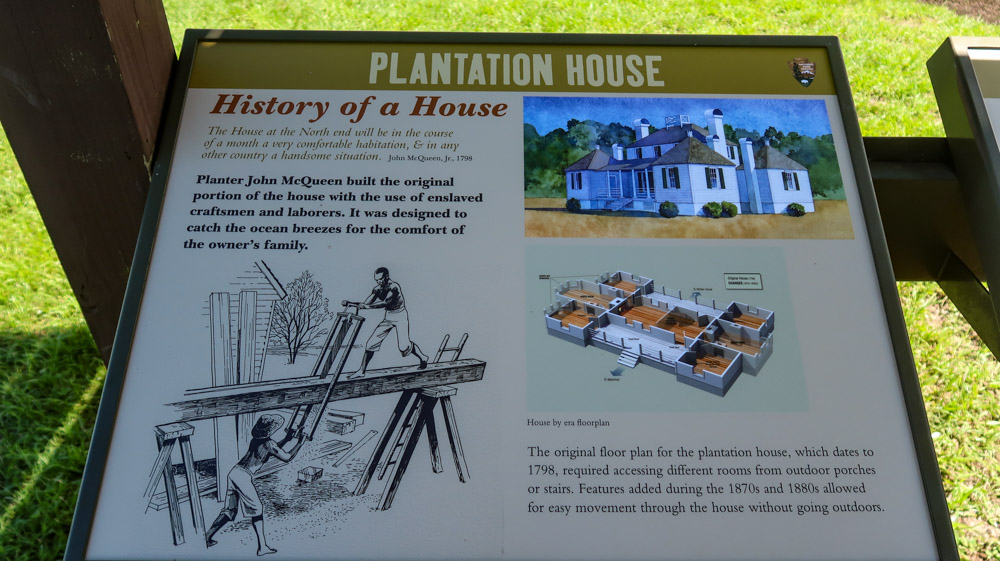
Kingsley Plantation was named for an early owner, Zephaniah Kingsley, Zephaniah Kingsley who spent 25 years there. The ever changing political, social, & economic climate affected the lives of both free and slave. Failed crops could bankrupt the owner, which often resulted in slave families being sold apart. Despite the harsh conditions of bondage, slaves not only preserved, but developed a richly diverse culture. It’s hard to image as we walked around this island that it was used for growing crops during the plantation period!
The plantation was originally 1,000 acres, most of which has been taken over by forest; the structures and grounds of the park now comprise approximately 60 acres. Evidence of Pre-Columbian Timucua life on the island, as are the remains of a Spanish mission named San Juan del Puerto. Under British rule in 1765, a plantation was established that cycled through several owners while Florida was transferred back to Spain and then the United States. The longest span of ownership was under Kingsley and his family, a polygamous and multiracial household controlled by and resistant to the issues of race and slavery.
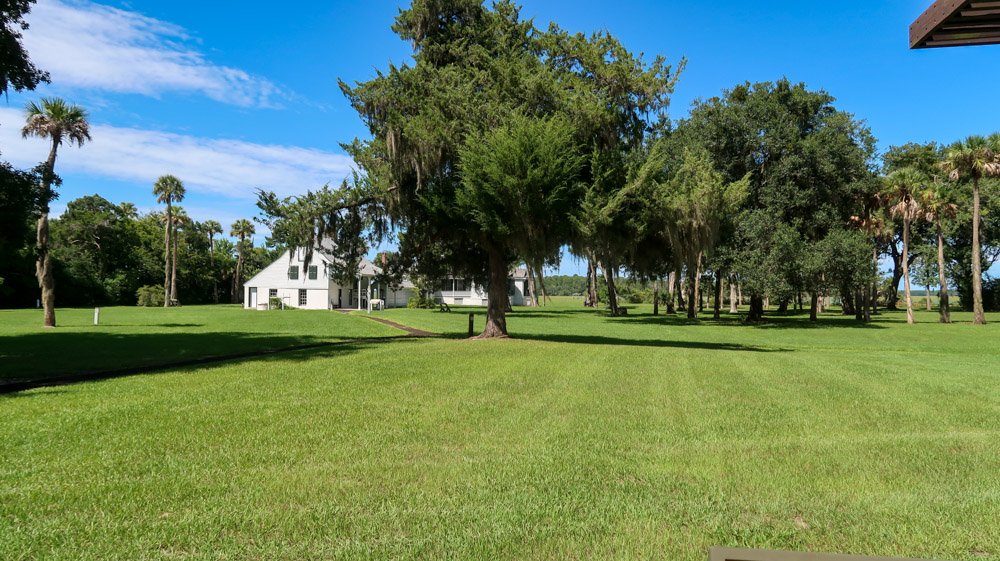
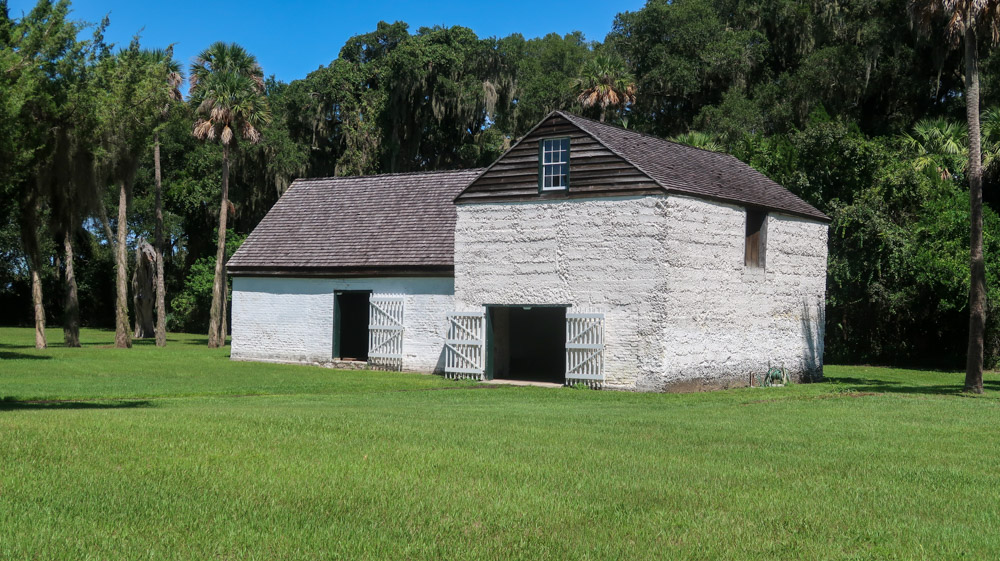
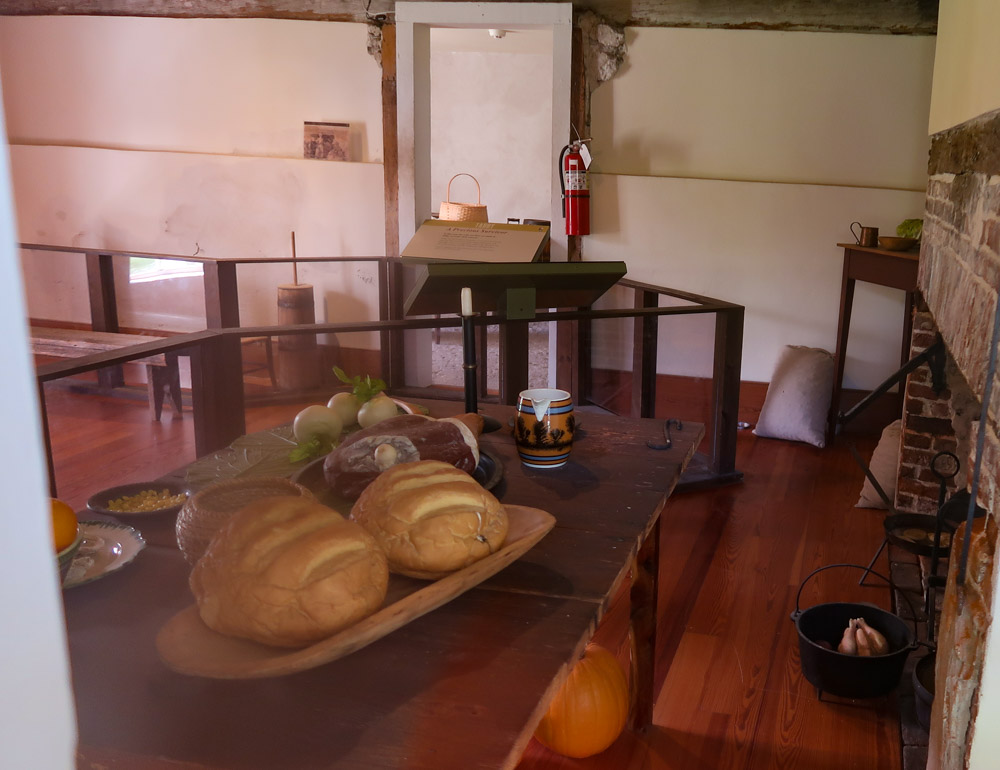
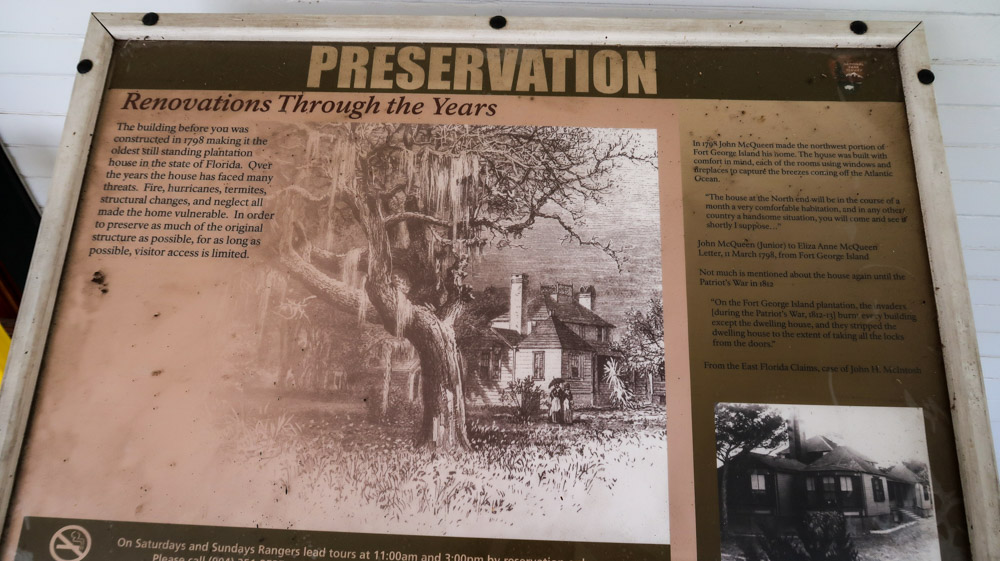
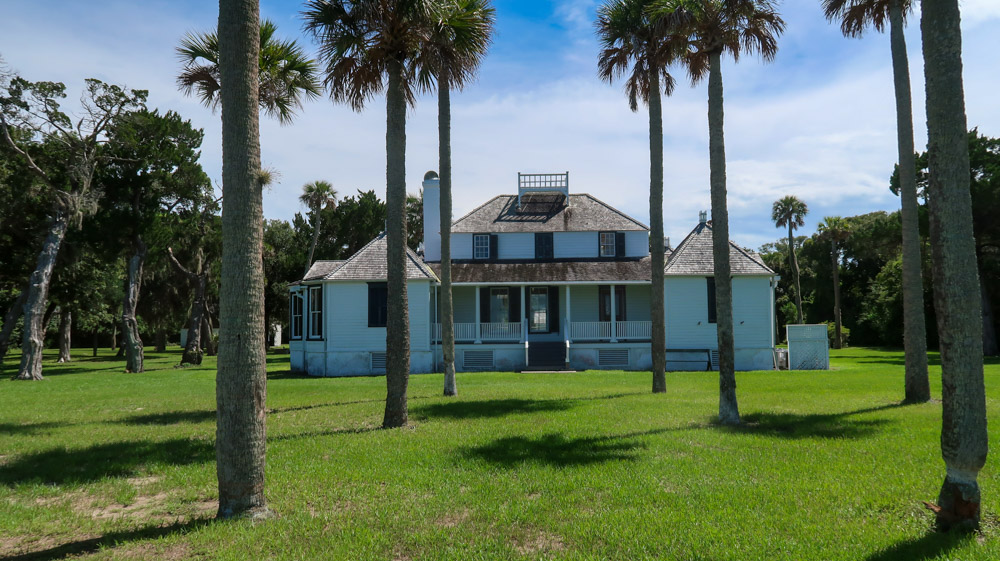
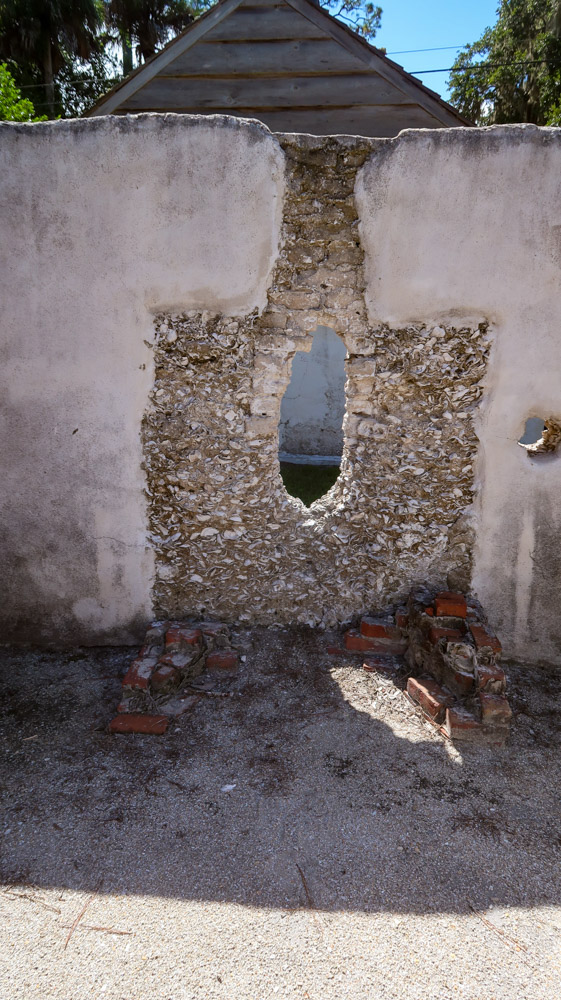
Free blacks and several private owners lived at the plantation until it was transferred to the State of Florida in 1955. It was acquired by the National Park Service in 1991. The most prominent features of Kingsley Plantation are the owner’s house—a structure of architectural significance built probably between 1797 and 1798 that is cited as being the oldest surviving plantation house in the state and an attached kitchen house, barn, and remains of 25 anthropologically valuable slave cabins that endured beyond the US Civil War (1861–1865). The foundations of the house, kitchen, barn and the slave quarters were constructed of cement tabby, making them notably durable. Archeological evidence found in and around the slave cabins has given researchers insight into African traditions among slaves who had recently arrived in North America.
Zephaniah Kingsley wrote a defense of slavery and the three-tier social system that acknowledged the rights of free people of color that existed in Florida under Spanish.
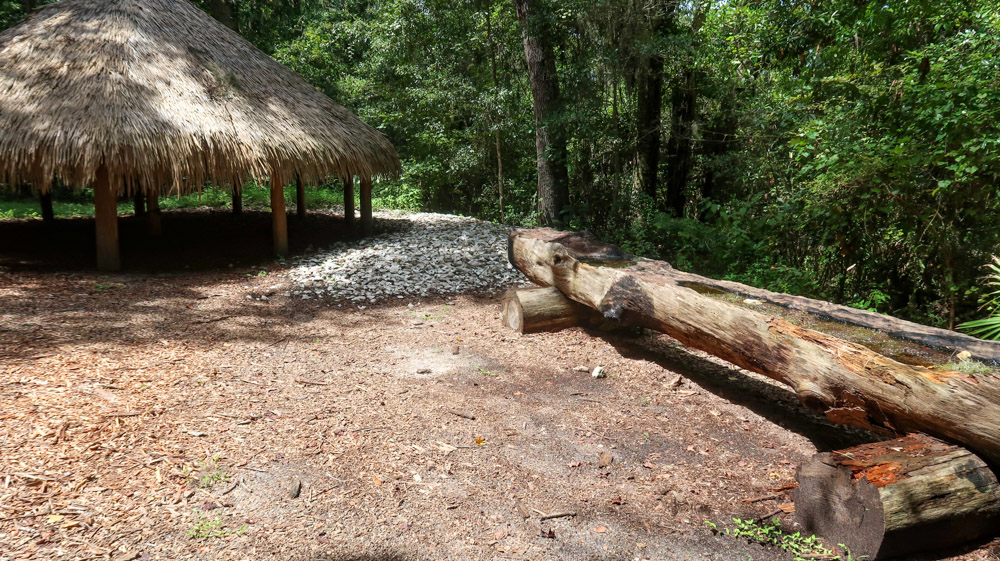
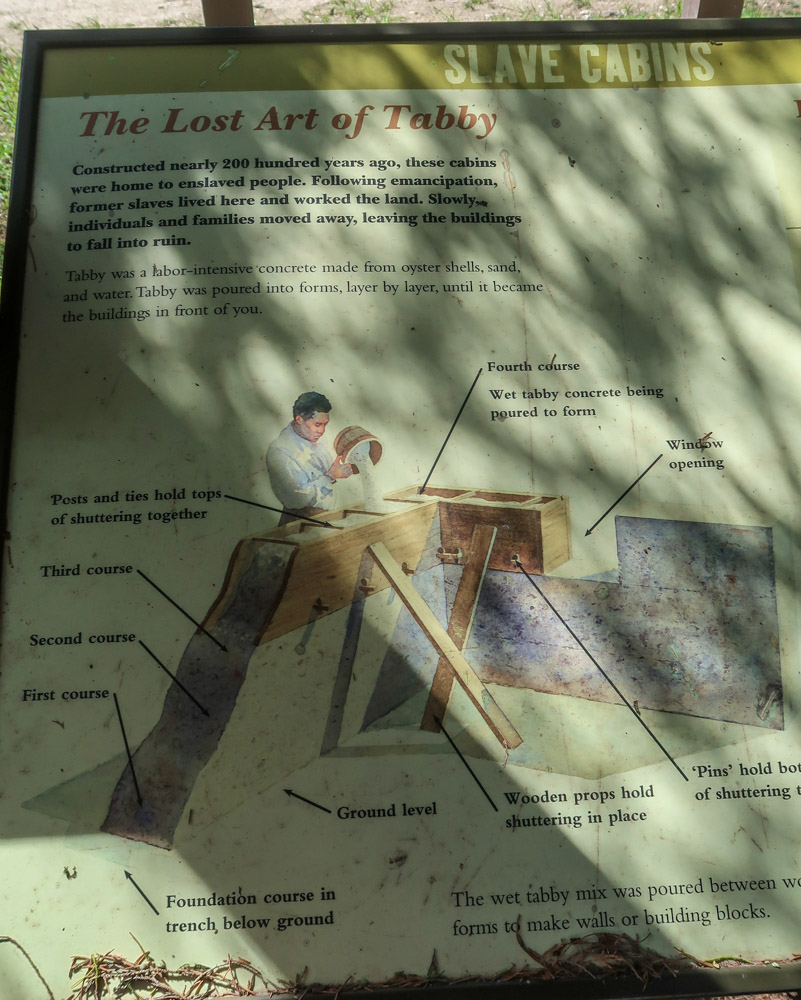
Tabby like concrete was made from cooking oyster shells in kiln for lime. The cooked shells dissolved in water, and sand was mixed in to make “concrete” which was then poured into forms and then layered to make the walls.
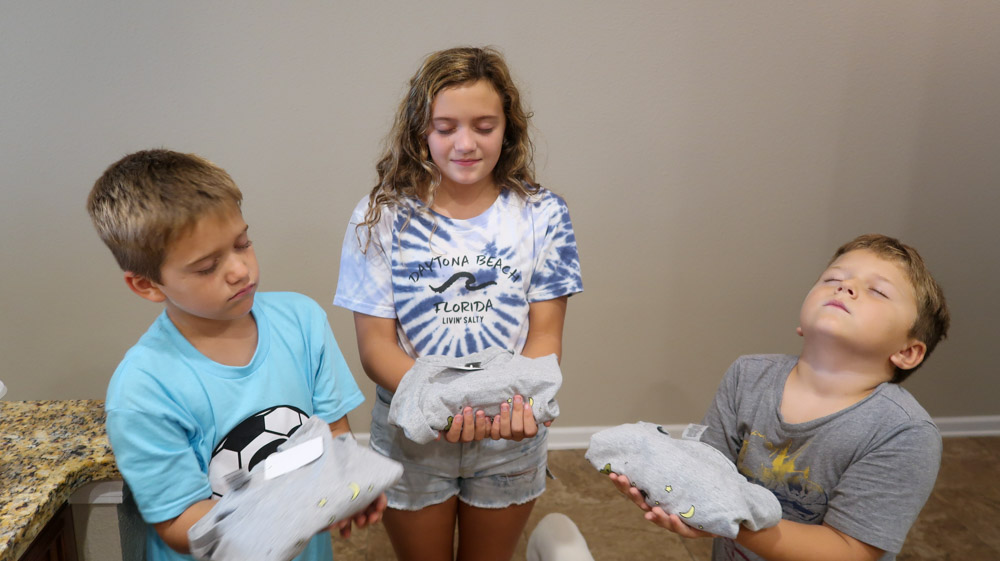
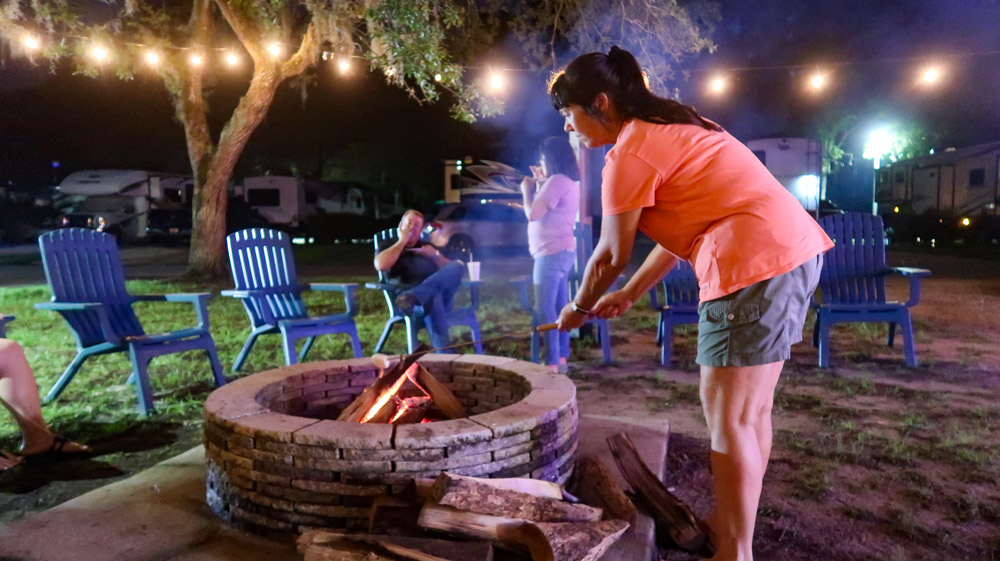
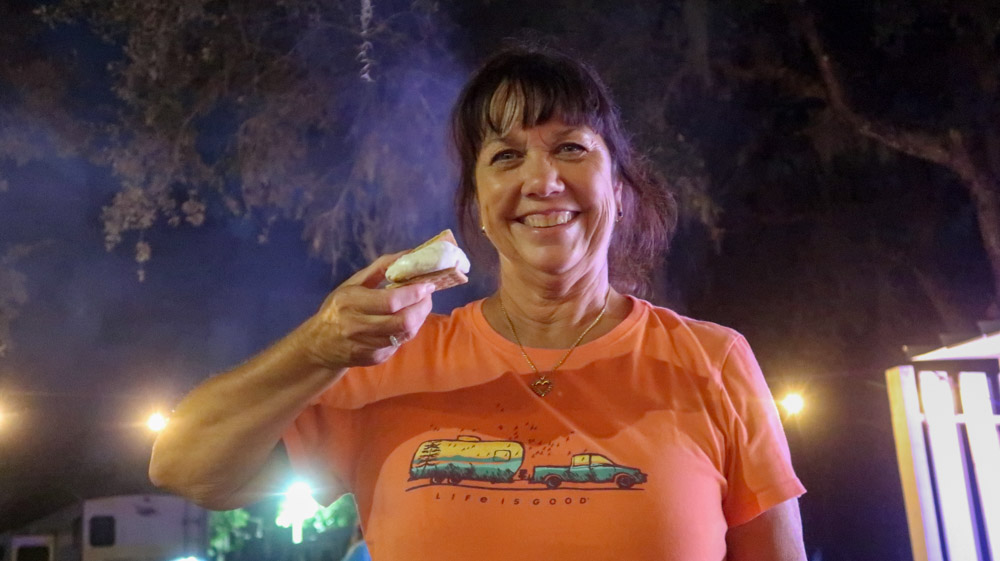
We enjoyed the trails at both sites. We even earned our Junior Ranger Badges for both National Parks! Then it was time to see the kids for they’re out of school now. Celebrated Jensen’s birthday then headed back to the campground. Enjoyed campfire program & s’mores! Had a relaxing night outside!
130 miles traveled today. Visited our 15th National Park for this trip!












 Follow Tim & Sandy's Adventures