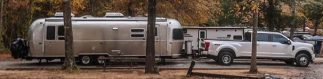

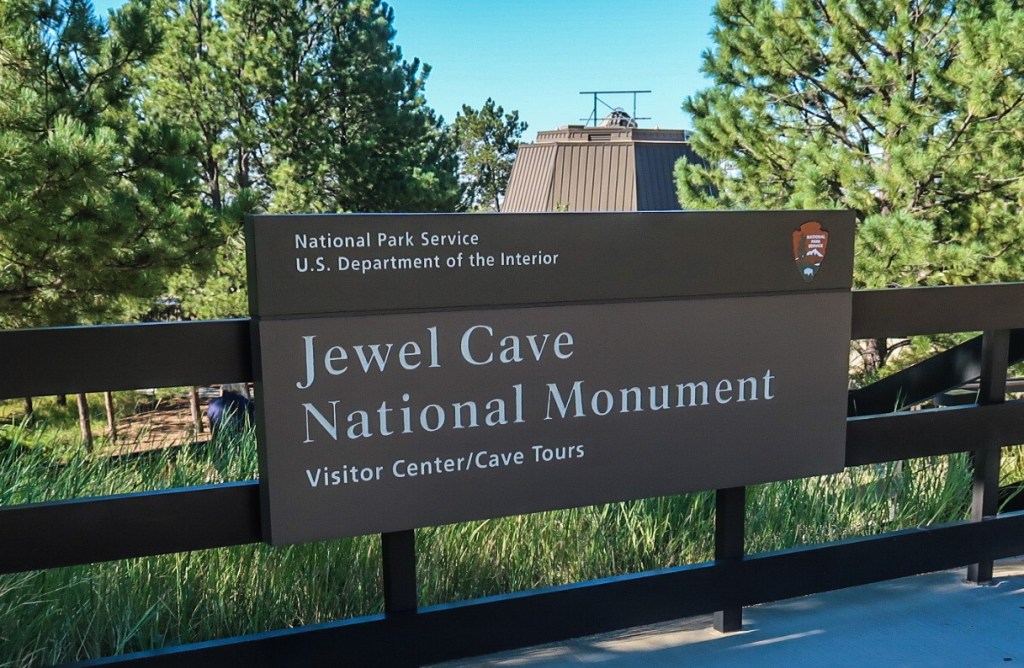
🥶 Brrr… 52* at 7am … 67*in camper at 8am! Enjoyed making breakfast inside today. It’s August & we just put on jeans, long sleeve shirts & carrying jackets, that’s because today’s adventure involves a colder cave! ❄️❄️ We left at 9 for our 9:30 checkin for our tour of Jewel Cave.
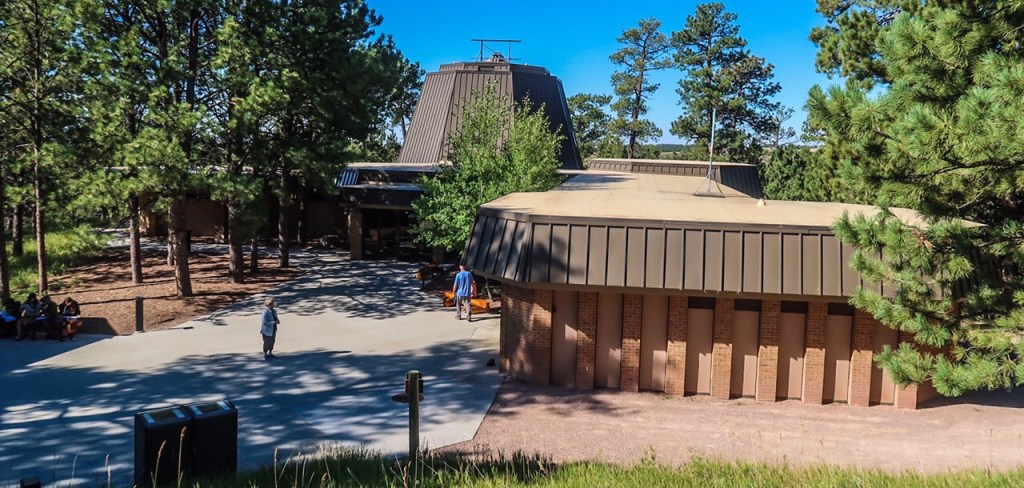
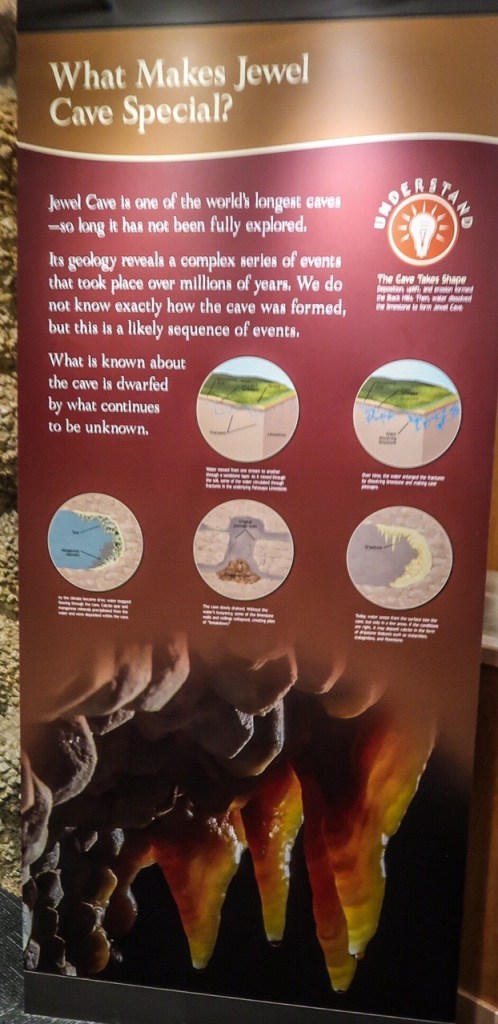
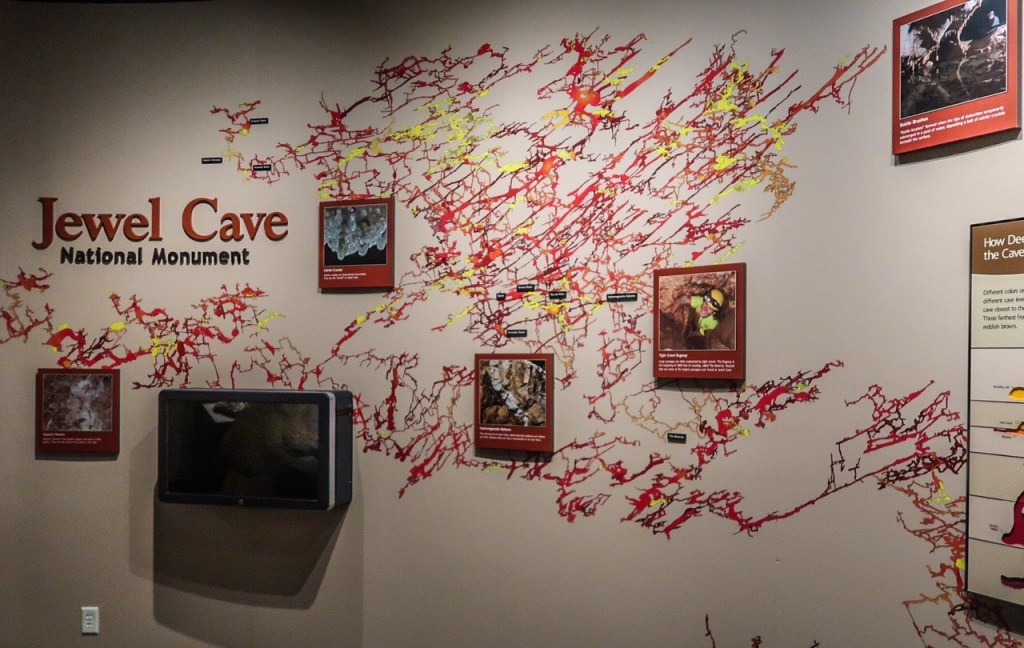
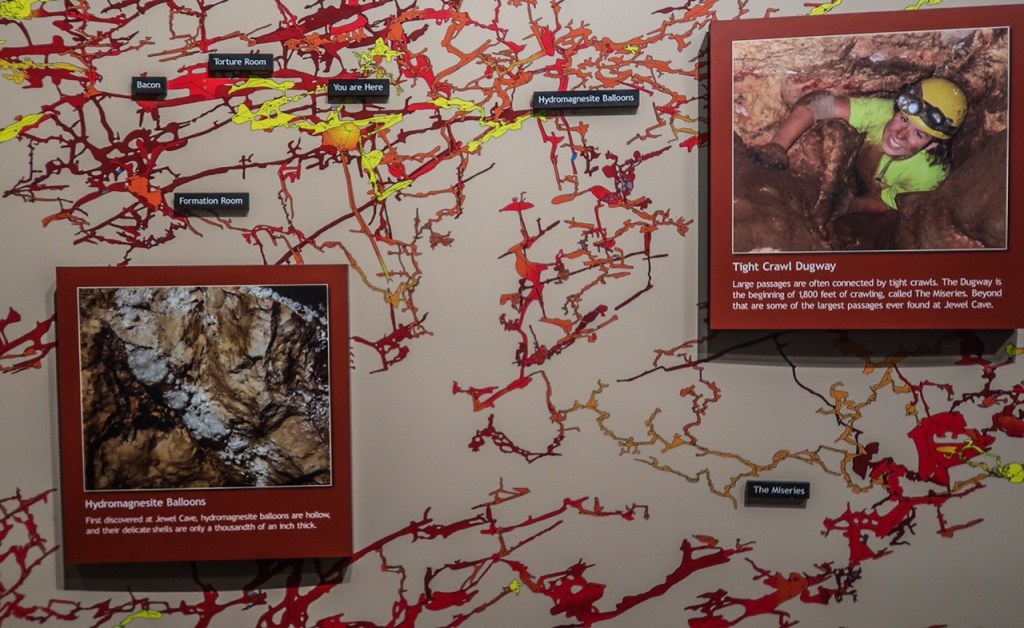
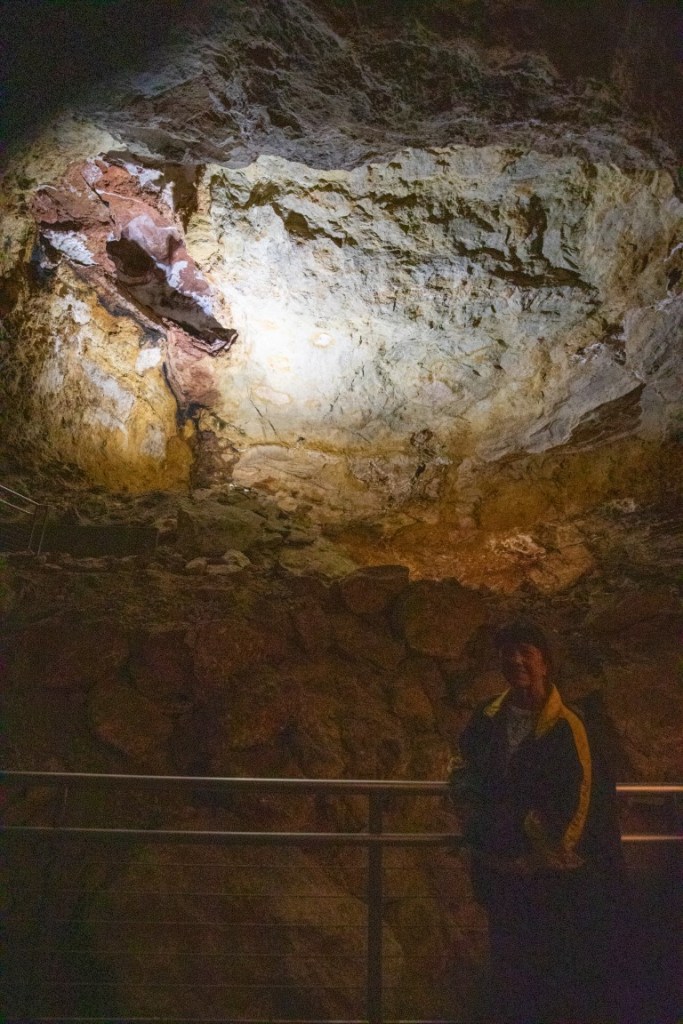
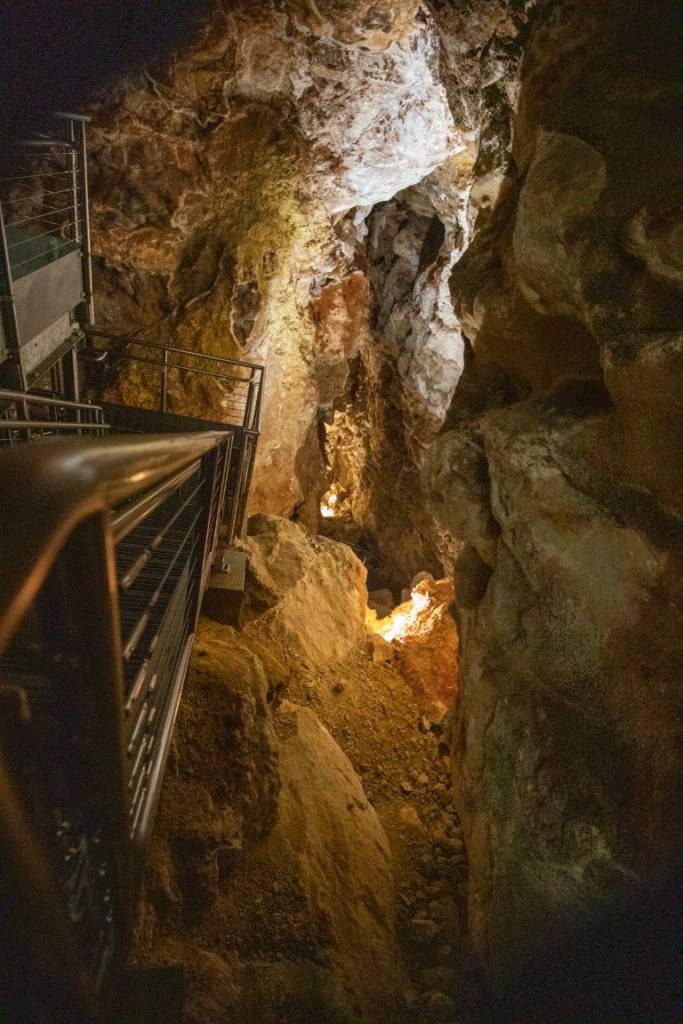
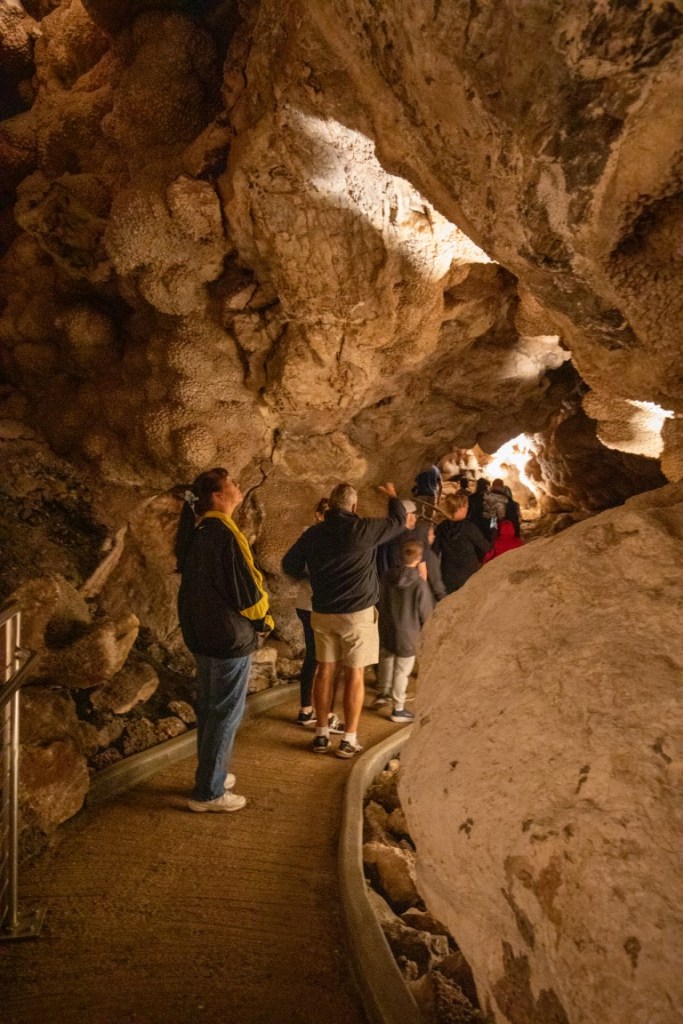
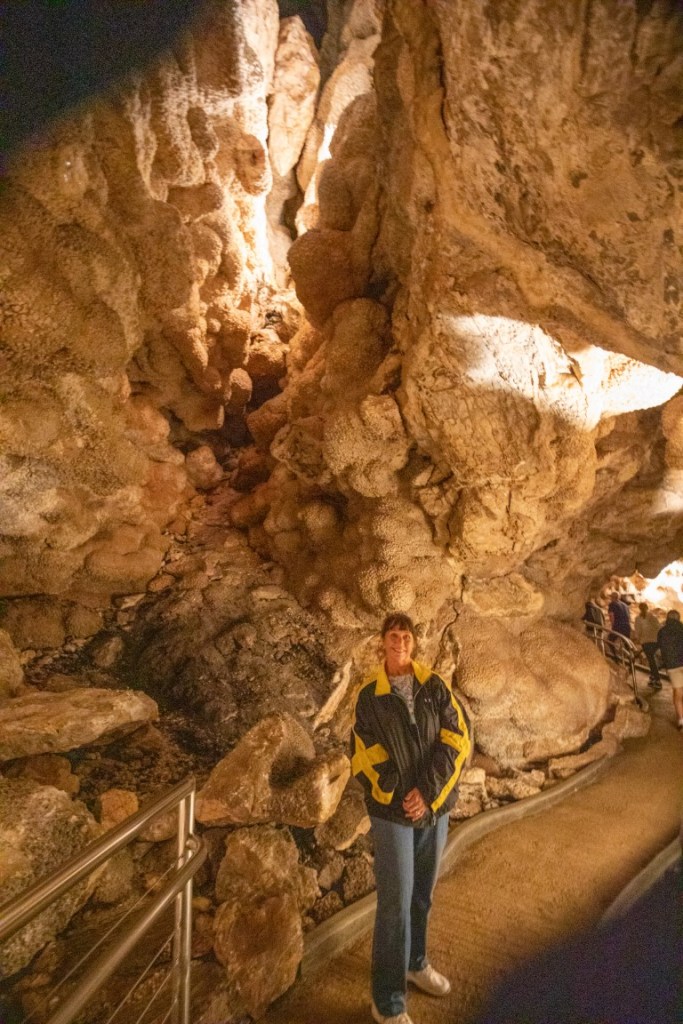
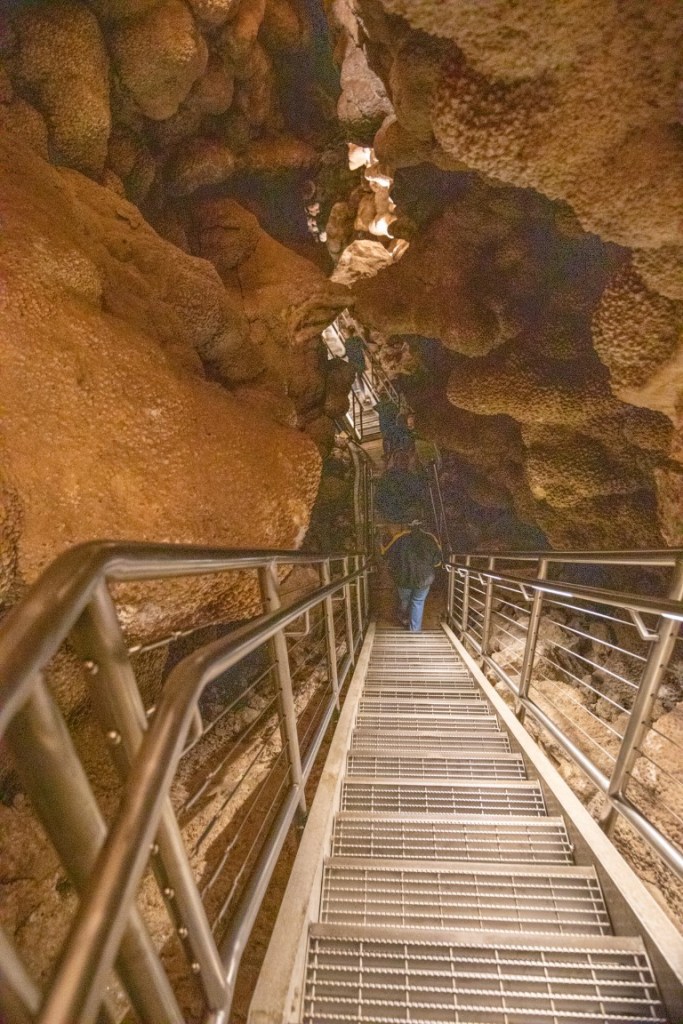
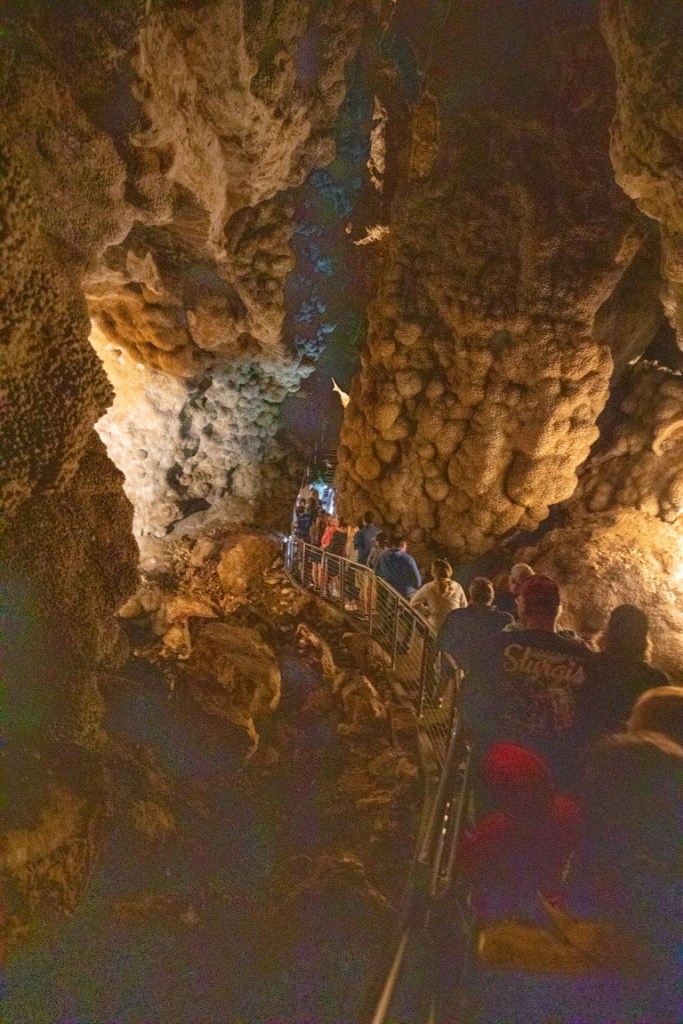
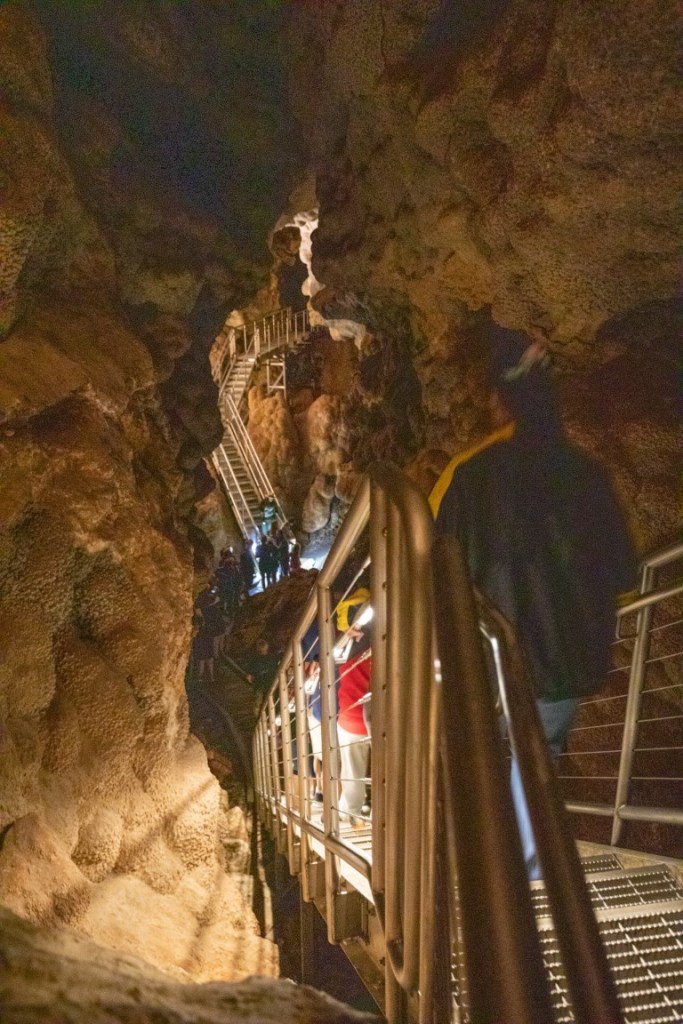
Jewel Cave is in Jewel Cave National Monument which is currently the 3rd longest cave in the world, with 209.32 miles of mapped passageways. It’s 35 miles from Wind Cave! The elevation ranges from 4,740 ft to 5,408 ft above sea level, 668 ft from the lowest to highest point. The deepest point in the cave is 749 feet below ground. Time for our tour! It’s 49* inside the cave! A constant temperature. Down 379 steps down we go!
Frank and Albert Michaud, two local prospectors, discovered the cave in 1900, when they felt cold air blowing out of a small hole in a canyon. It is unknown whether any previous inhabitants of the area were aware of the natural cave opening, which was not large enough for a person to enter.
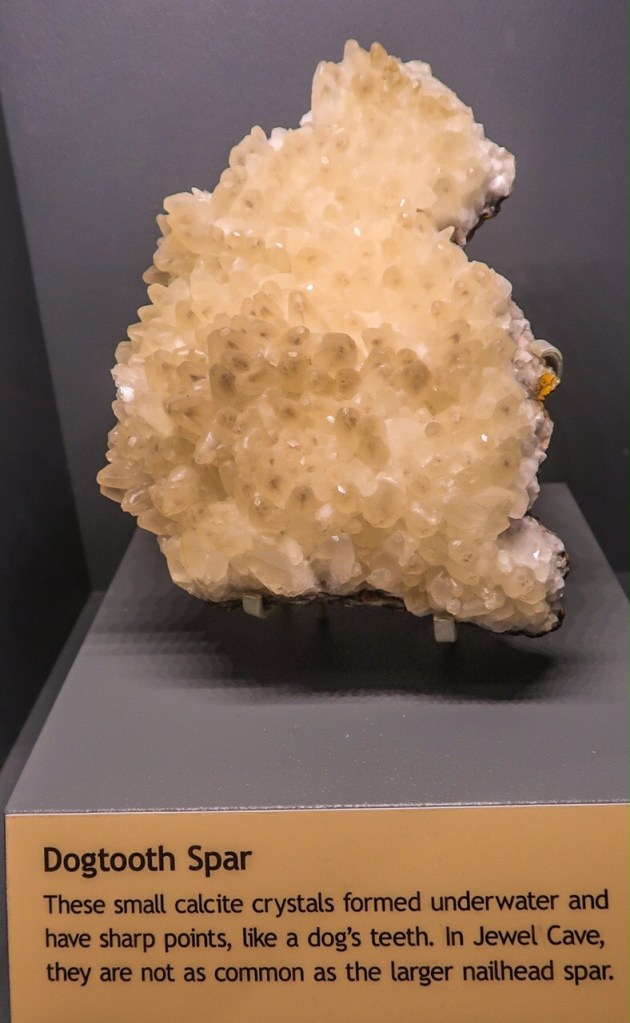
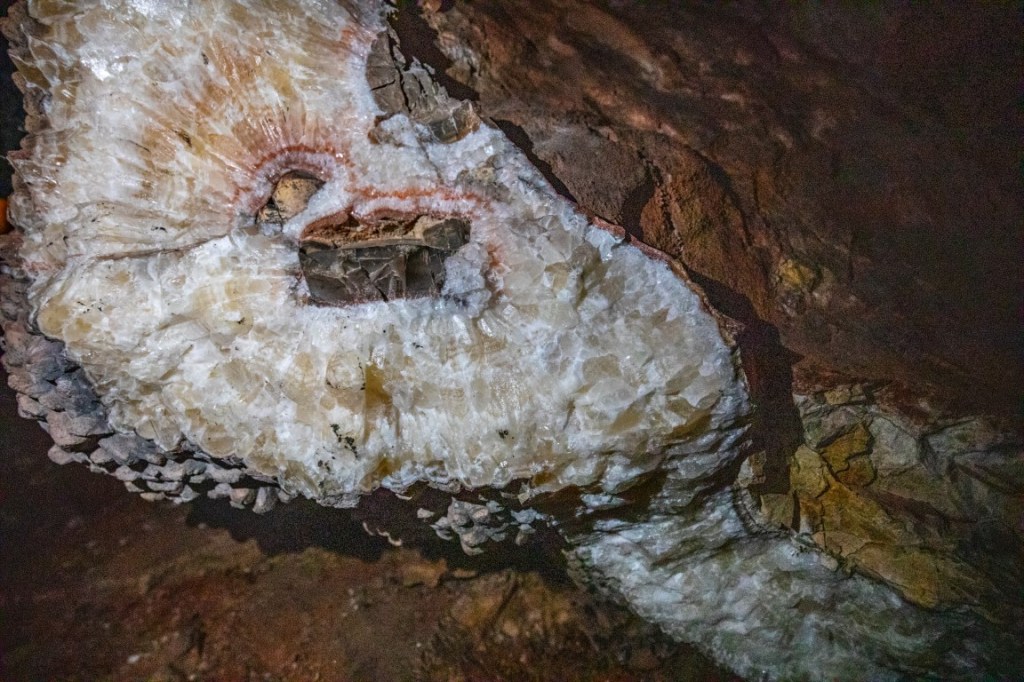
After enlarging the cave entrance with dynamite, the Michaud brothers found a cavern lined with calcite crystals, which led them to name it “Jewel Cave”. The brothers tried to capitalize on the discovery, widening the opening, building walkways inside, and opening it to tourists. Although their venture was unsuccessful, news of the discovery eventually reached Washington. President Theodore Roosevelt proclaimed Jewel Cave a National Monument in 1908.
Jewel Cave is a “breathing cave,” which means air enters or exits the cave with changes in atmospheric pressure from day to night or due to changes in the weather.
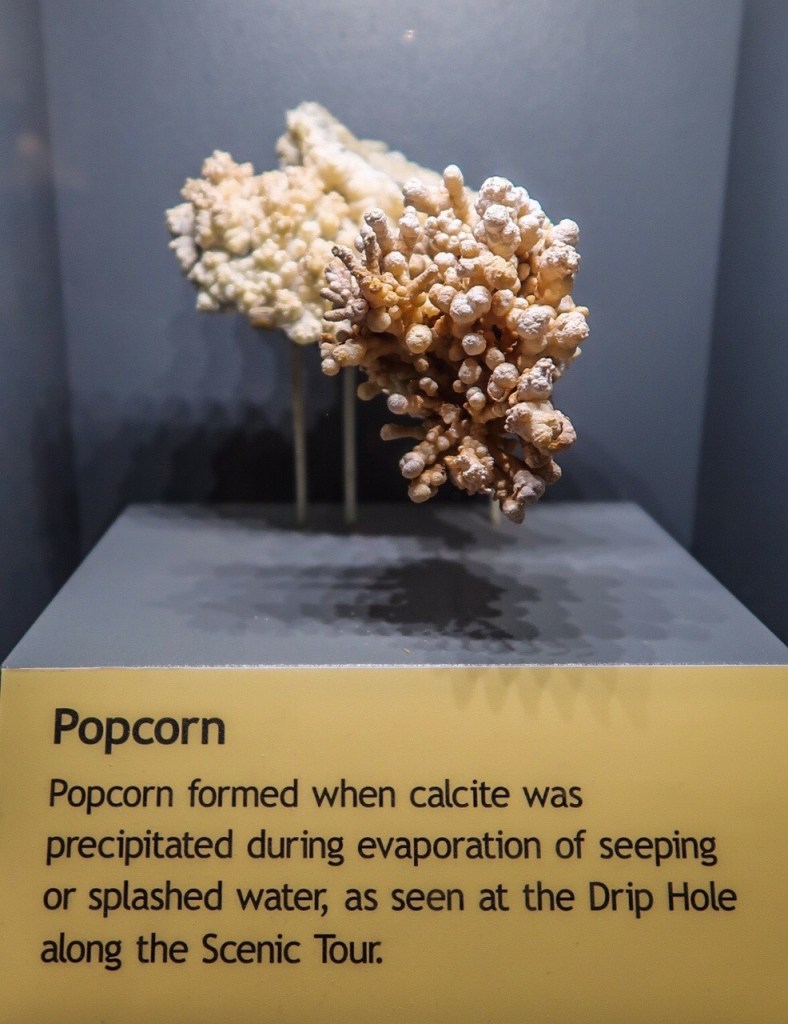
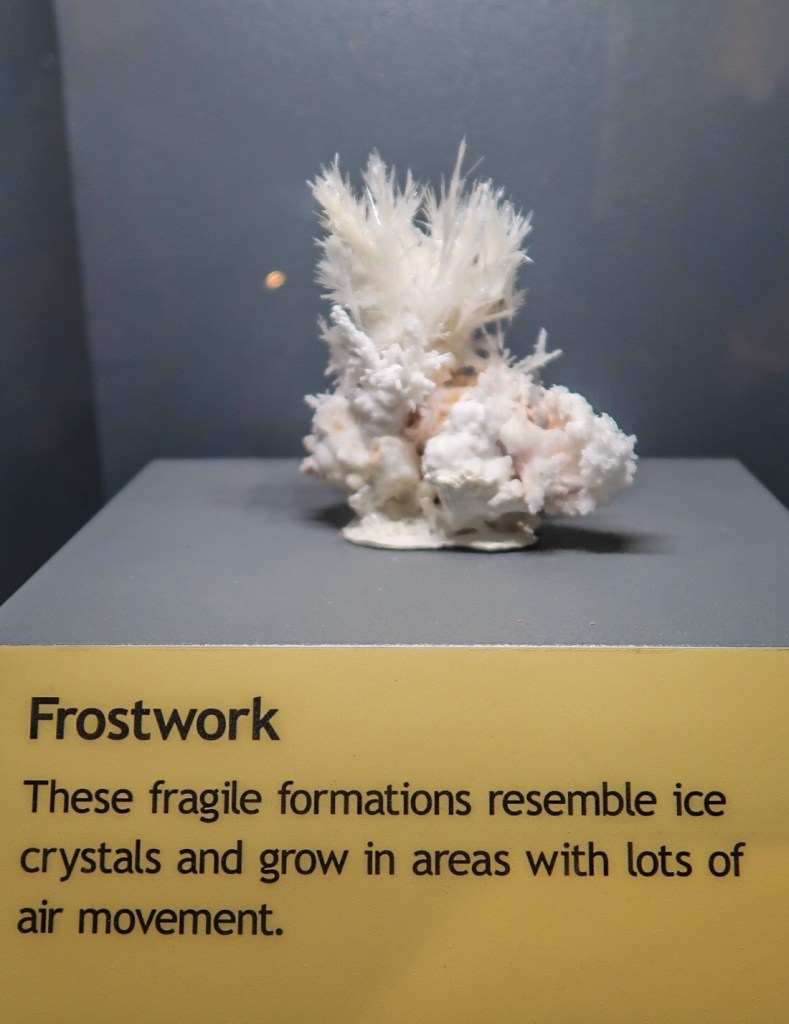
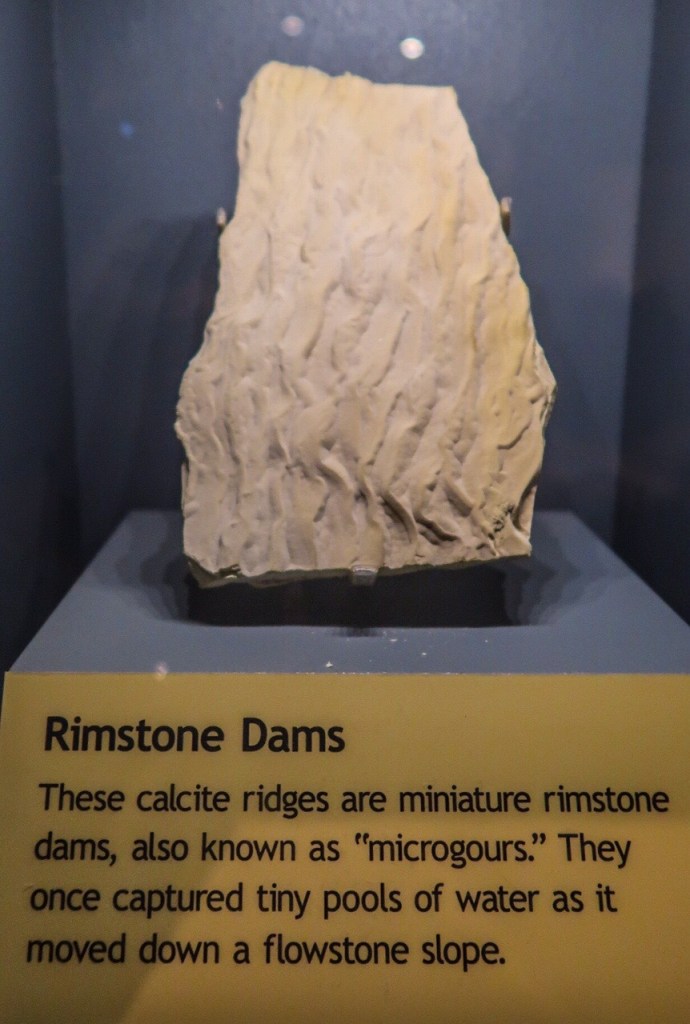
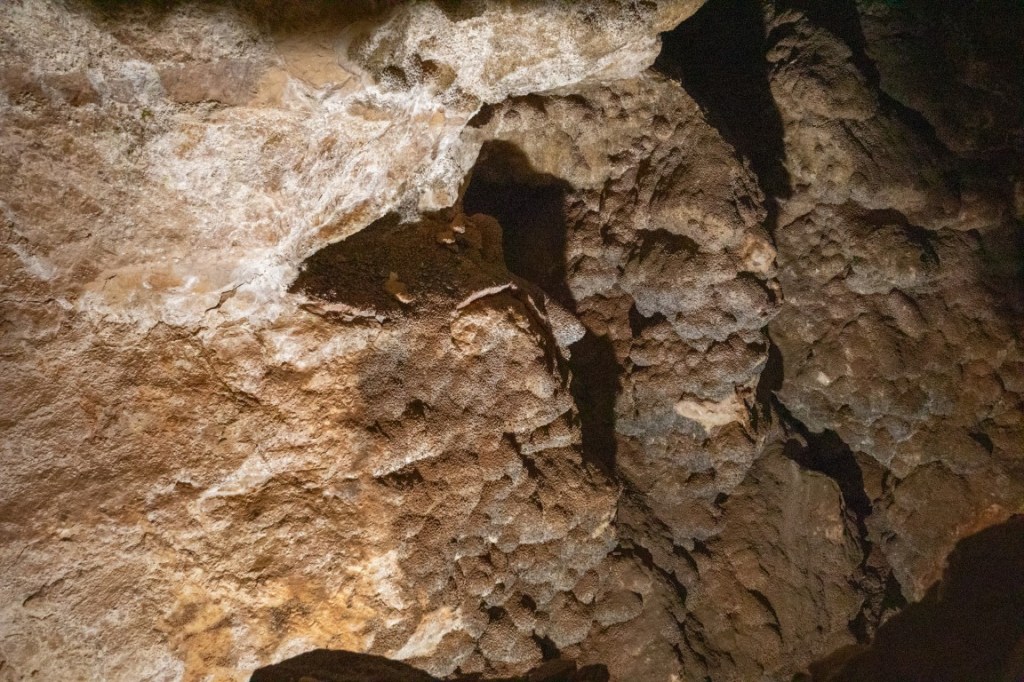
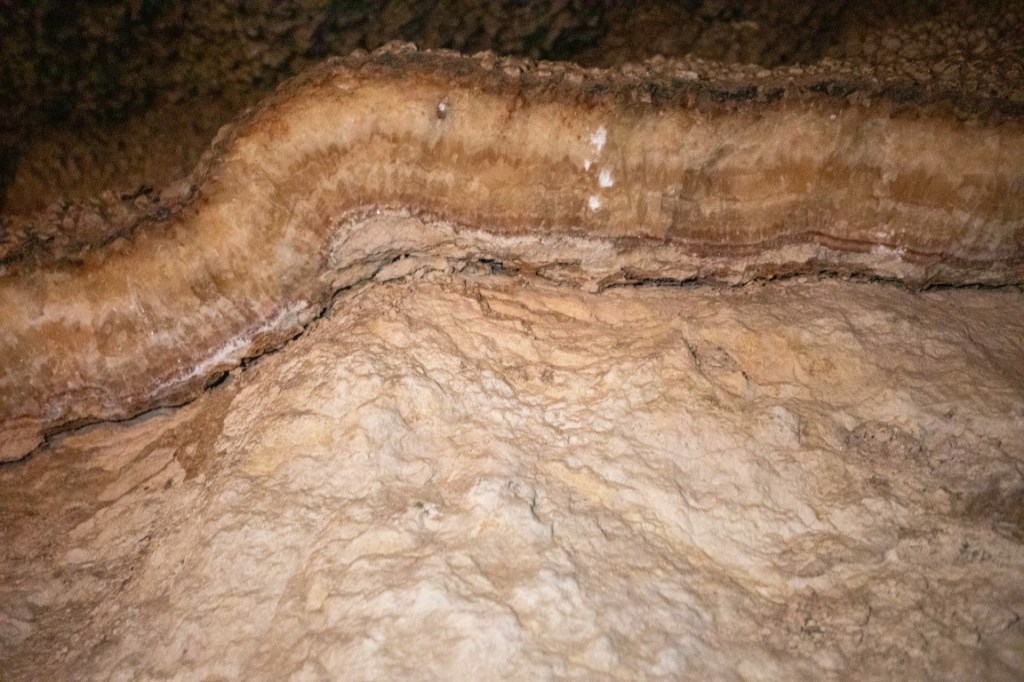
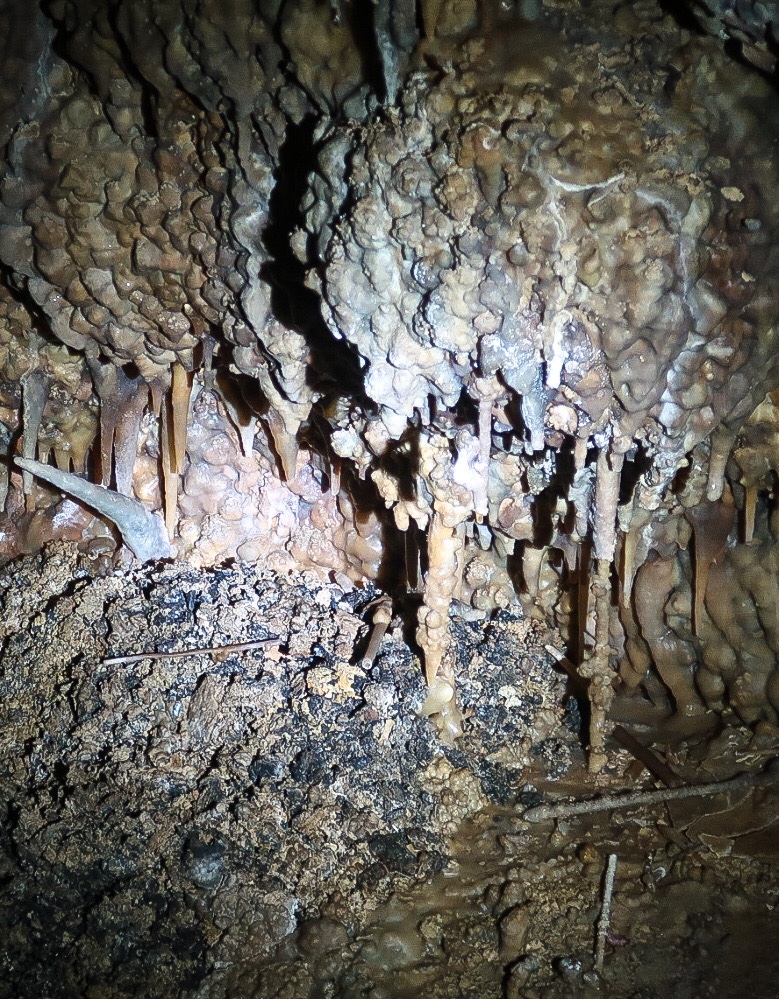
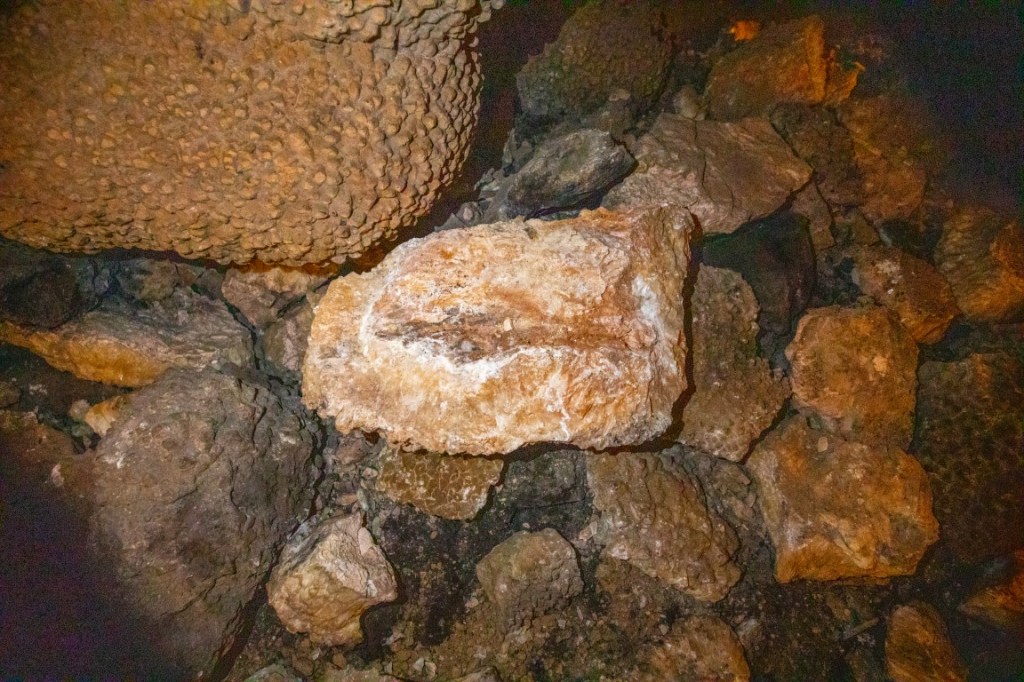
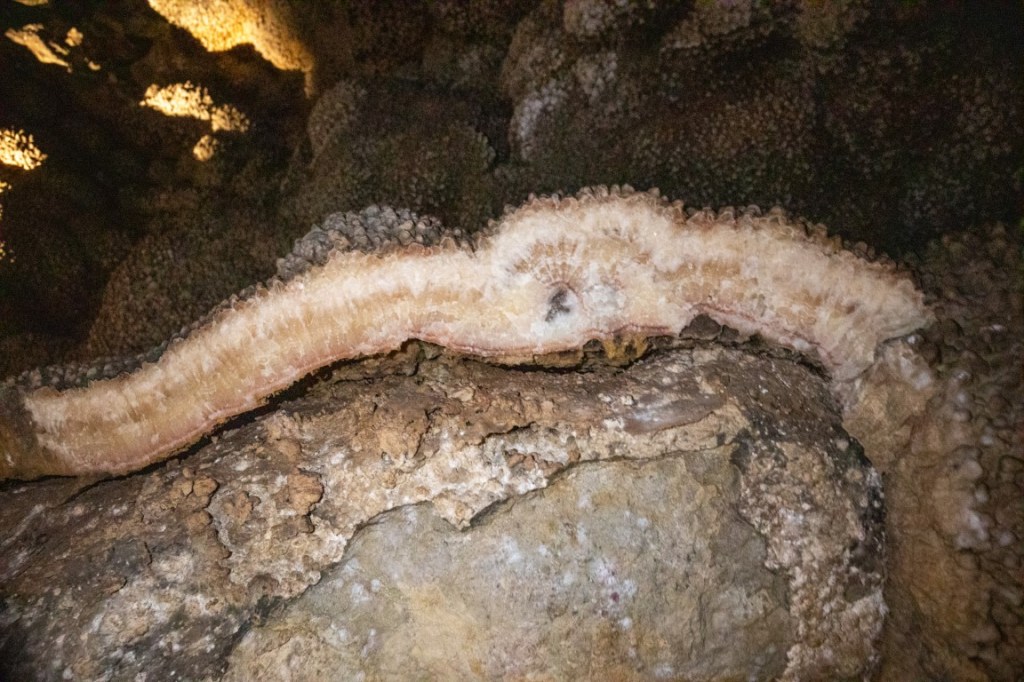
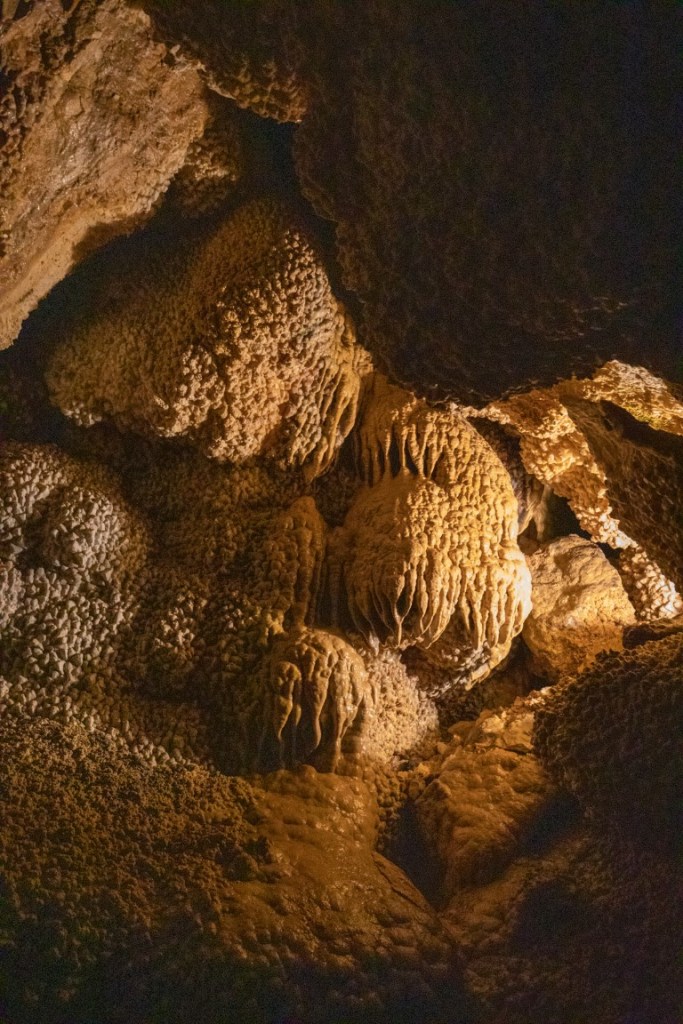
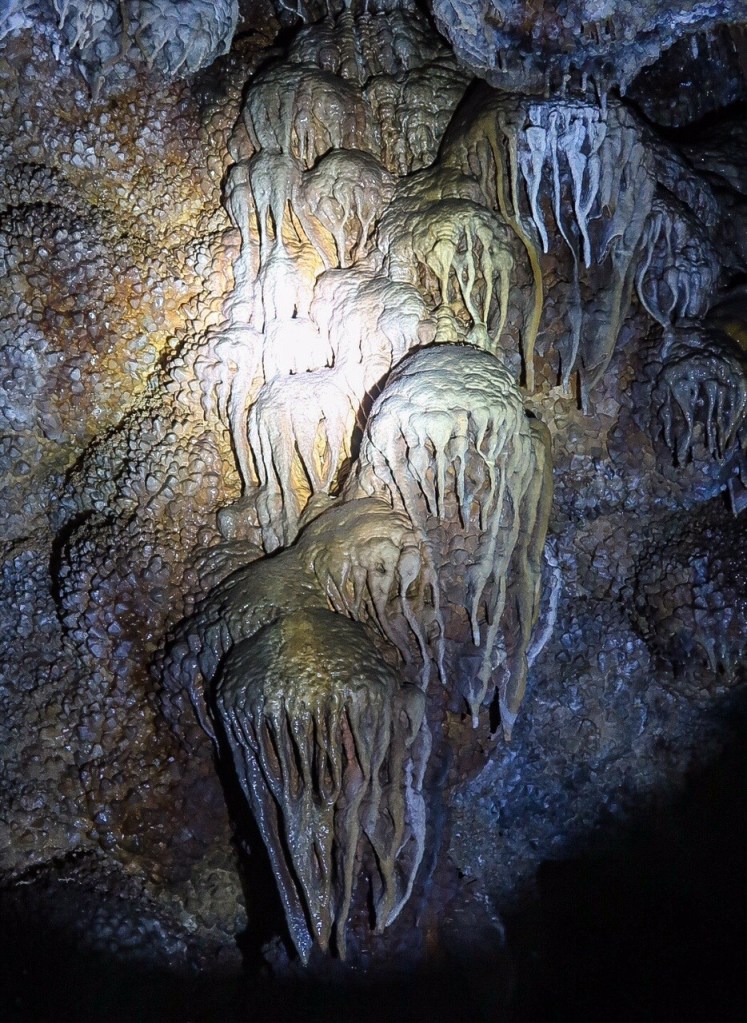
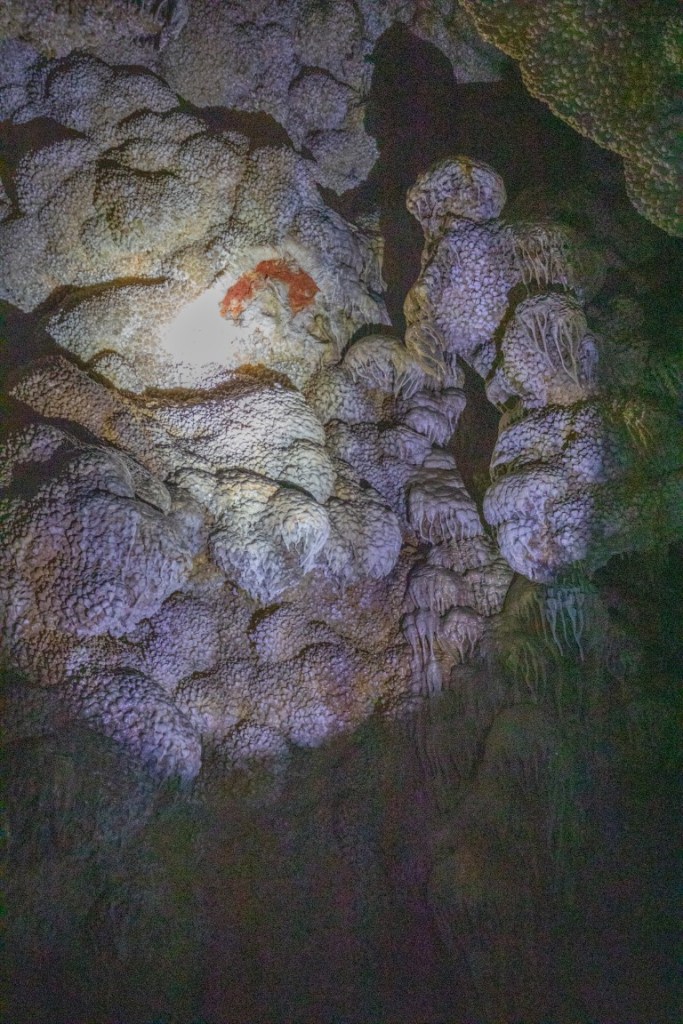
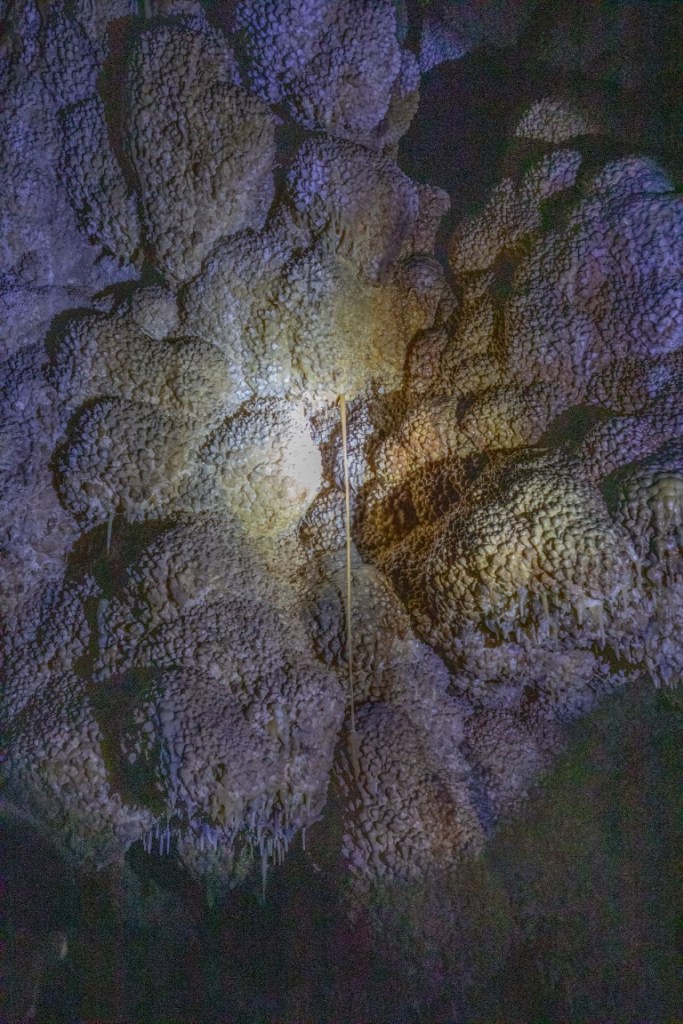
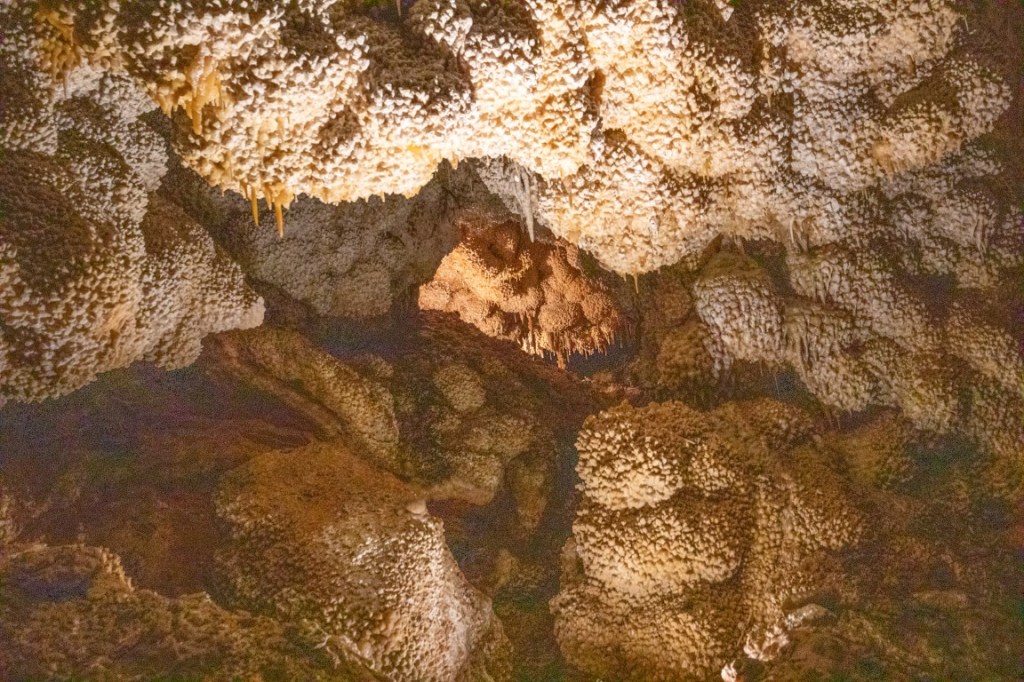
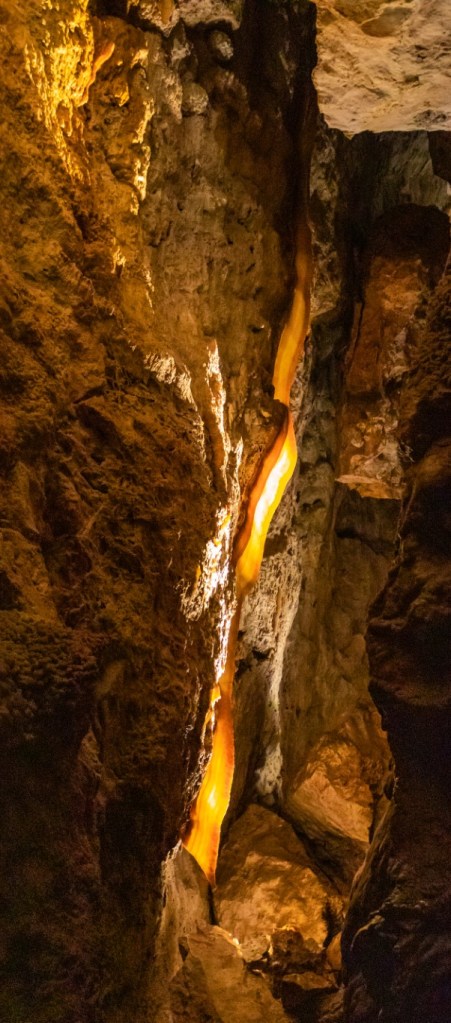
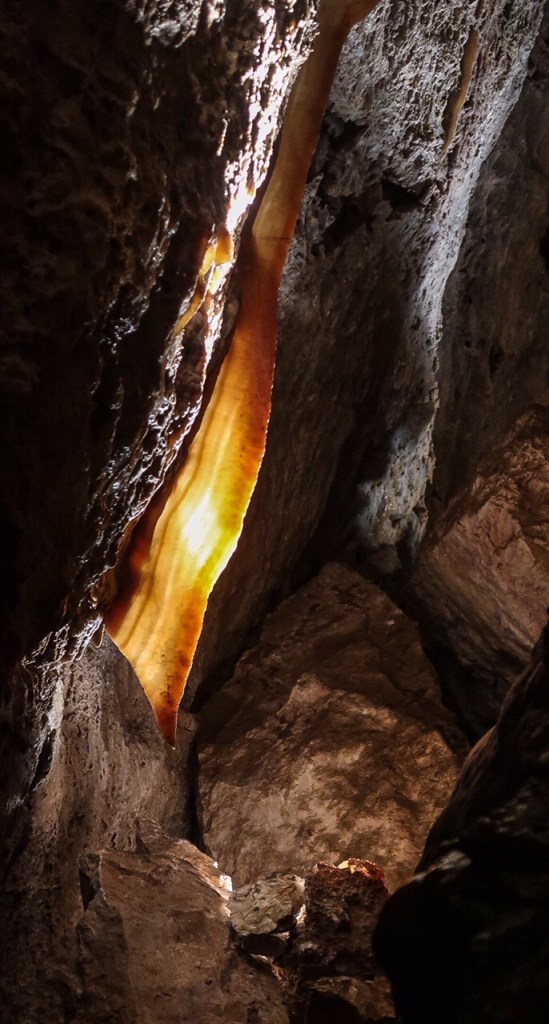
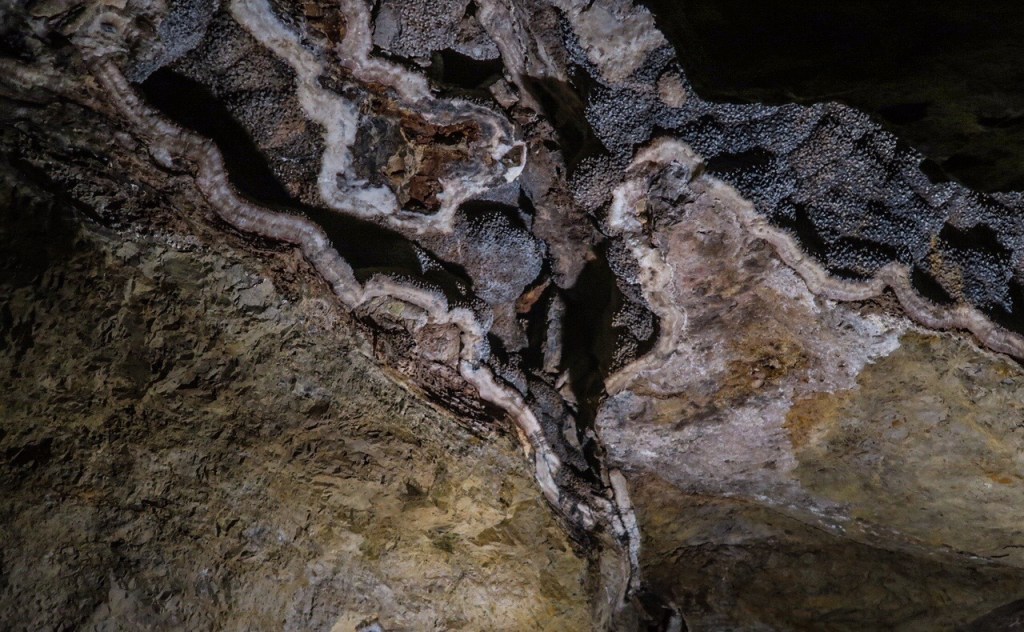
During cave development and afterwards, speleothems & speleogens formed, including the “jewels” or spar. We also saw stalactites, stalagmites, flowstone, cave popcorn, boxwork (like in wind cave), Draperies (looked like jellyfish), frostwork & gypsum flowers! And more but I can’t remember all the names of them! 😮 We saw a very rare formation called a hydromagnesite balloon. Those are created when gas of an unknown source inflates a pasty substance formed by the precipitation of the magnesium carbonate hydroxide mineral. We also saw a large formation of Cave “Bacon” (flowstone), a 6 ft piece! We finished about 12:20pm.
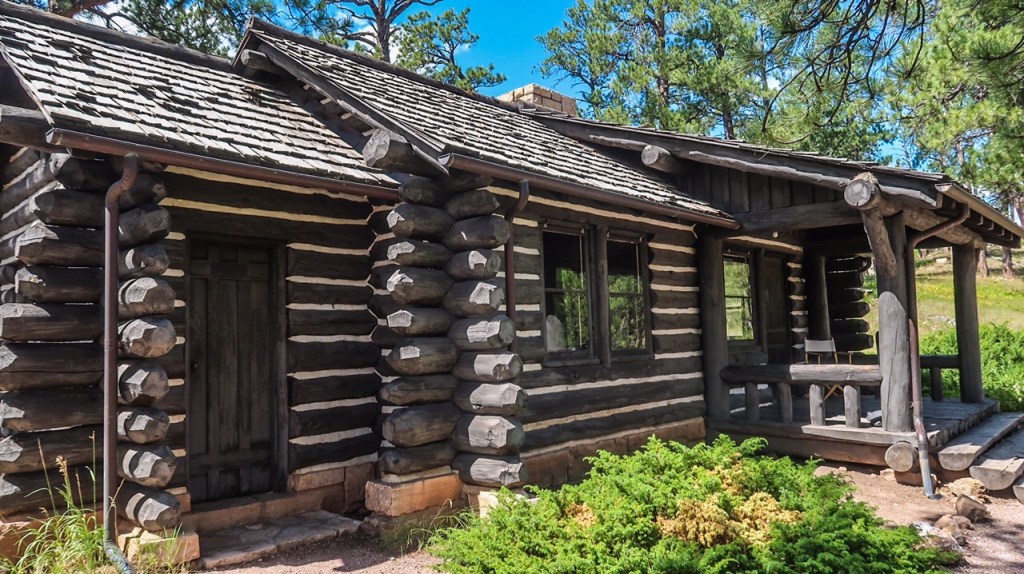
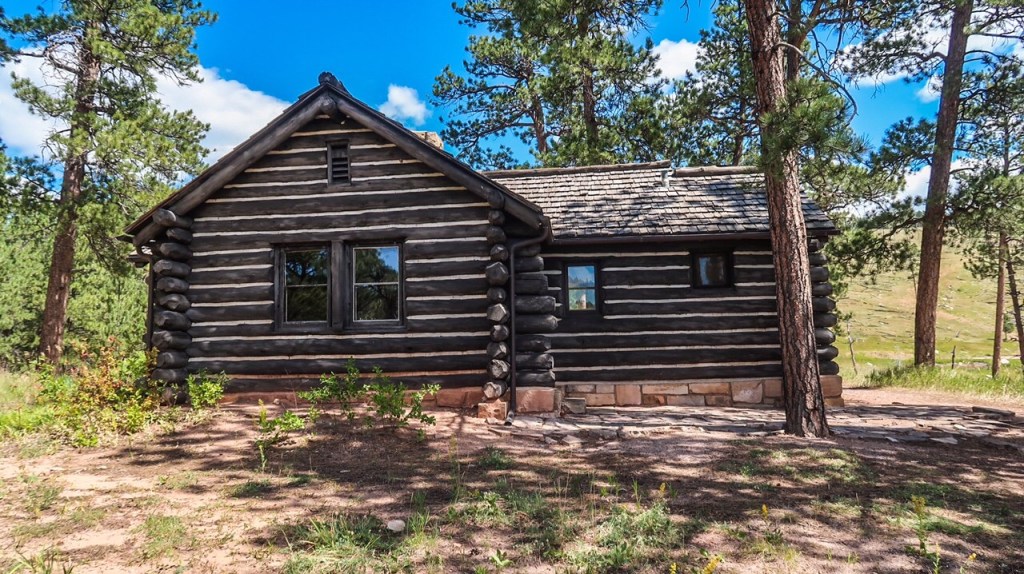
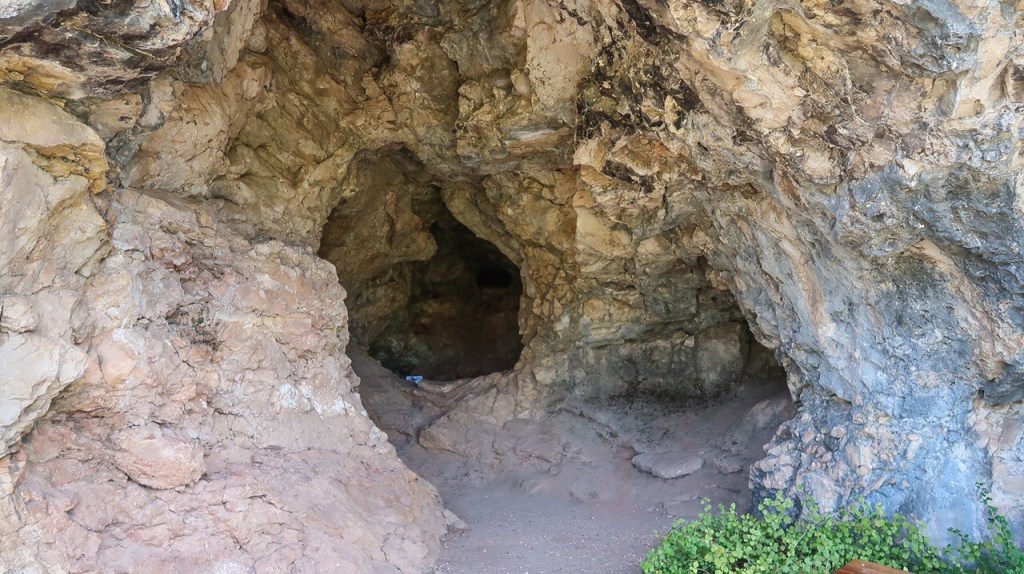
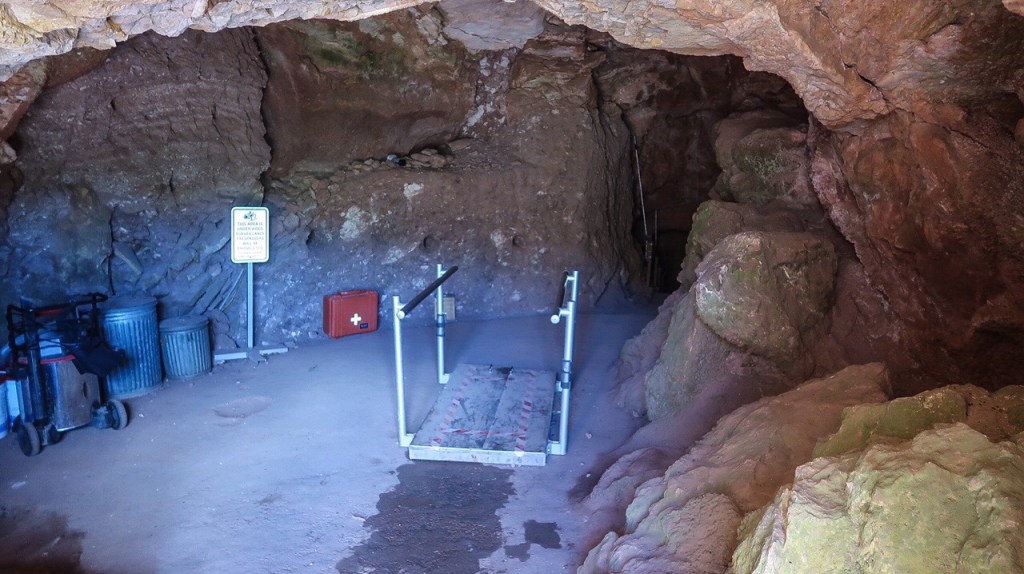
***Then drove to the historical Natural Entrance in Hell Canyon area, where we walked around log cabins & went down a trail to the Natural cave entrance! 🥶 Brrrr, we could feel the cold air coming out! There was a group getting ready to go in that way with Lanterns. It’s a strenuous path, so we passed on that one! 🙅🏻♀️
🥤Parched! Stopped in Custer at Sinclair Gas station for diet Coke’s! 🥰
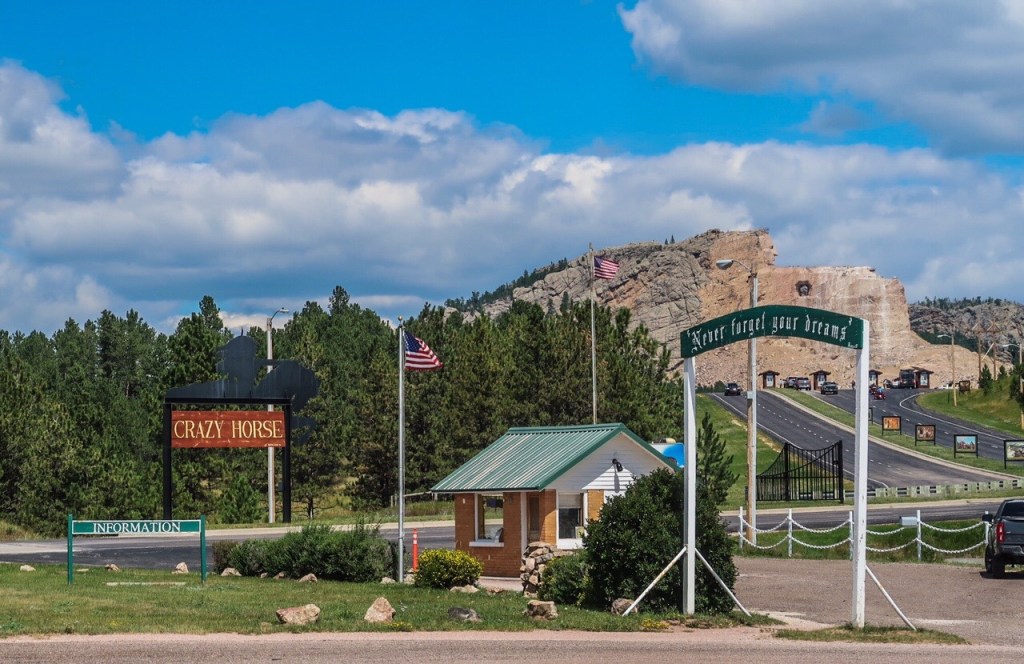
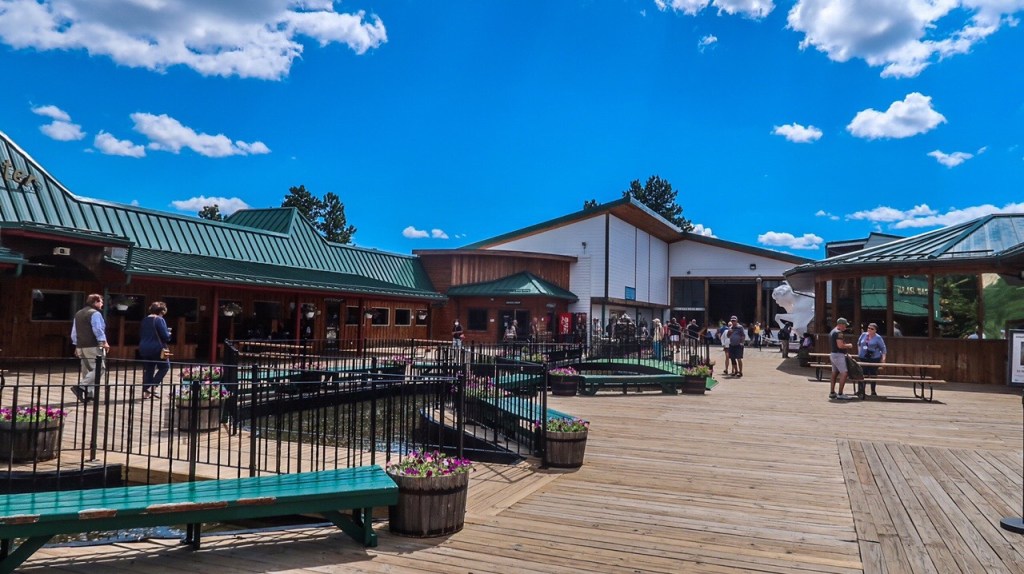
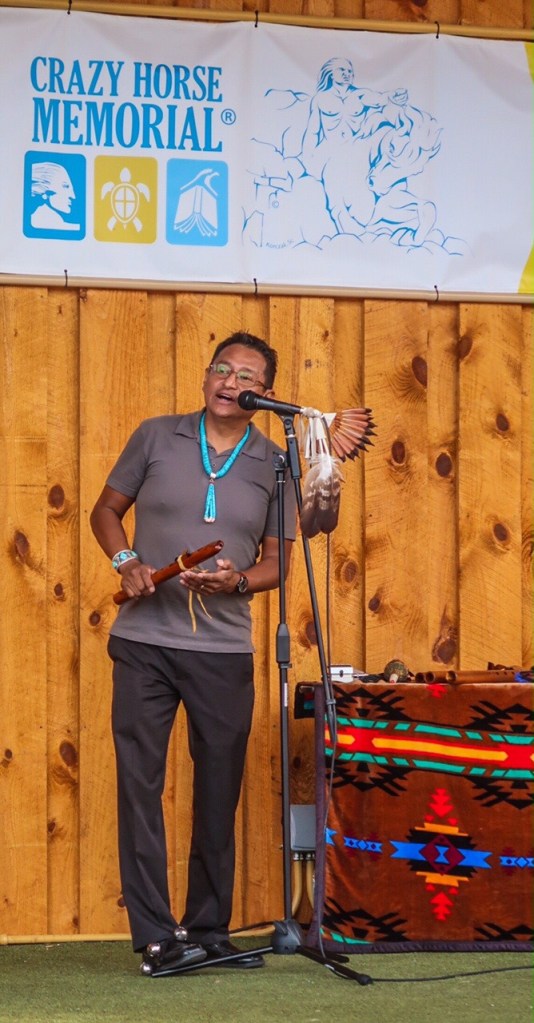
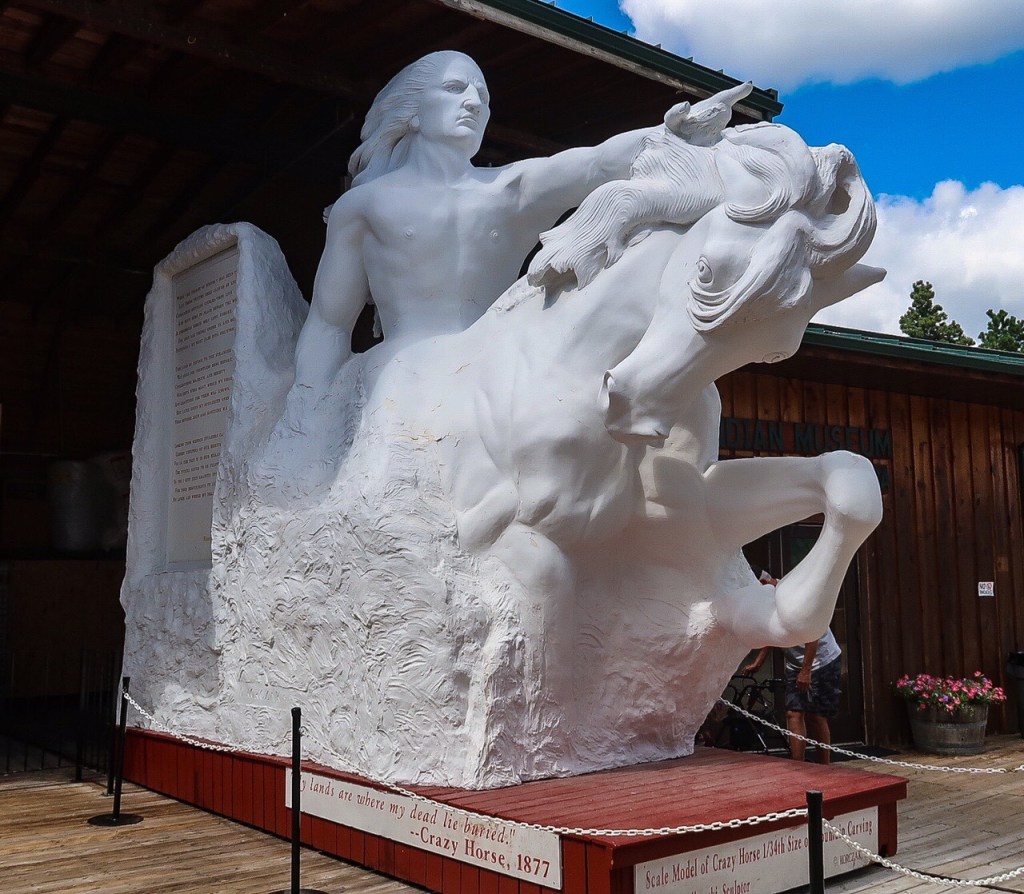
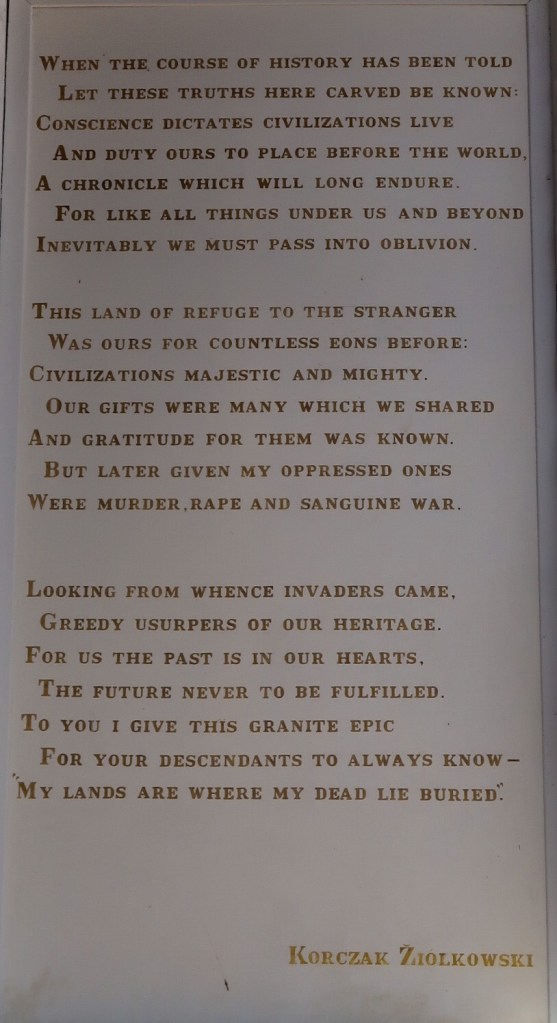
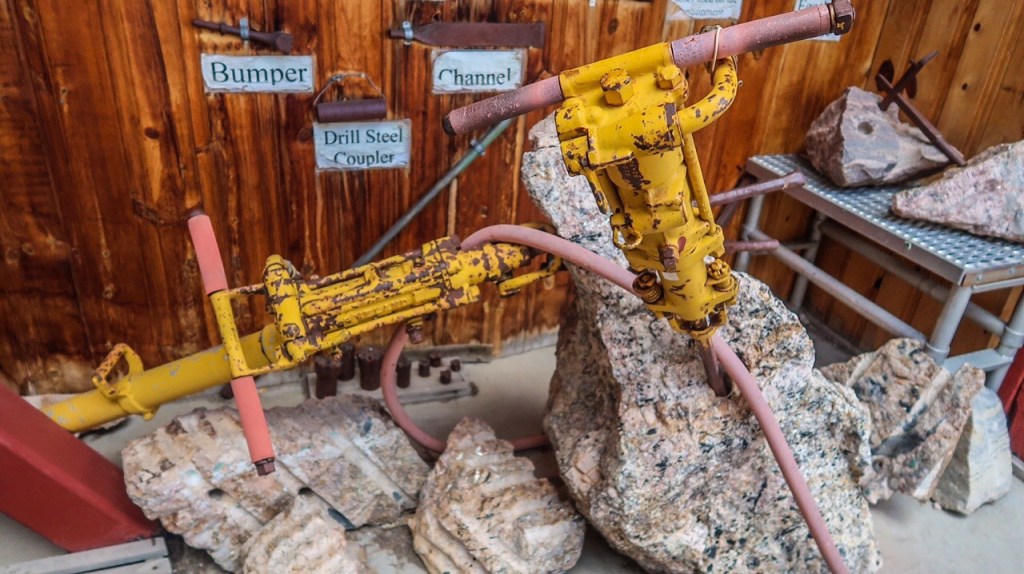
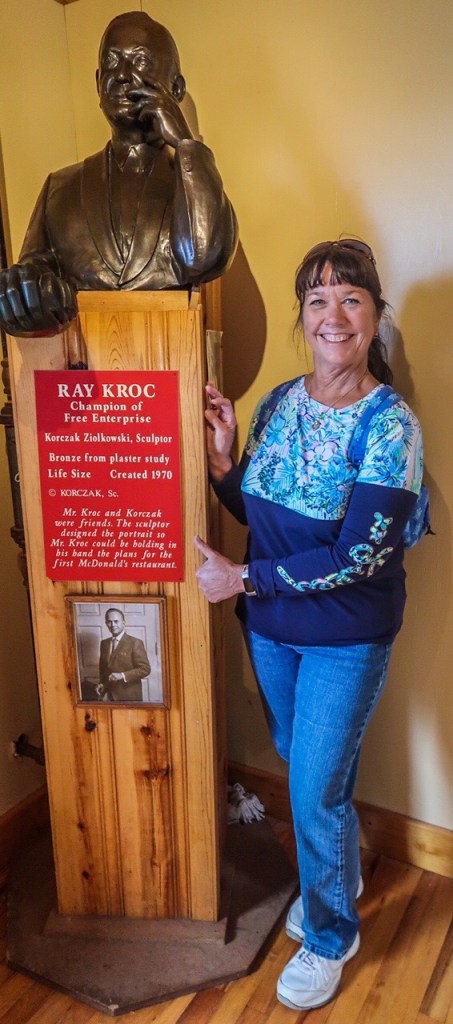
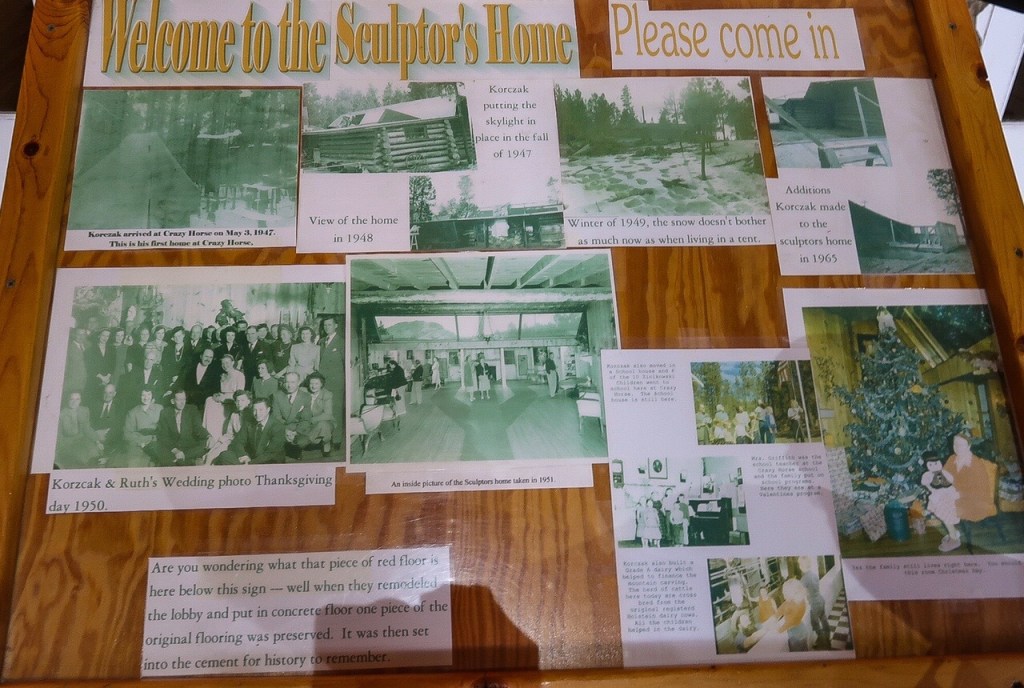
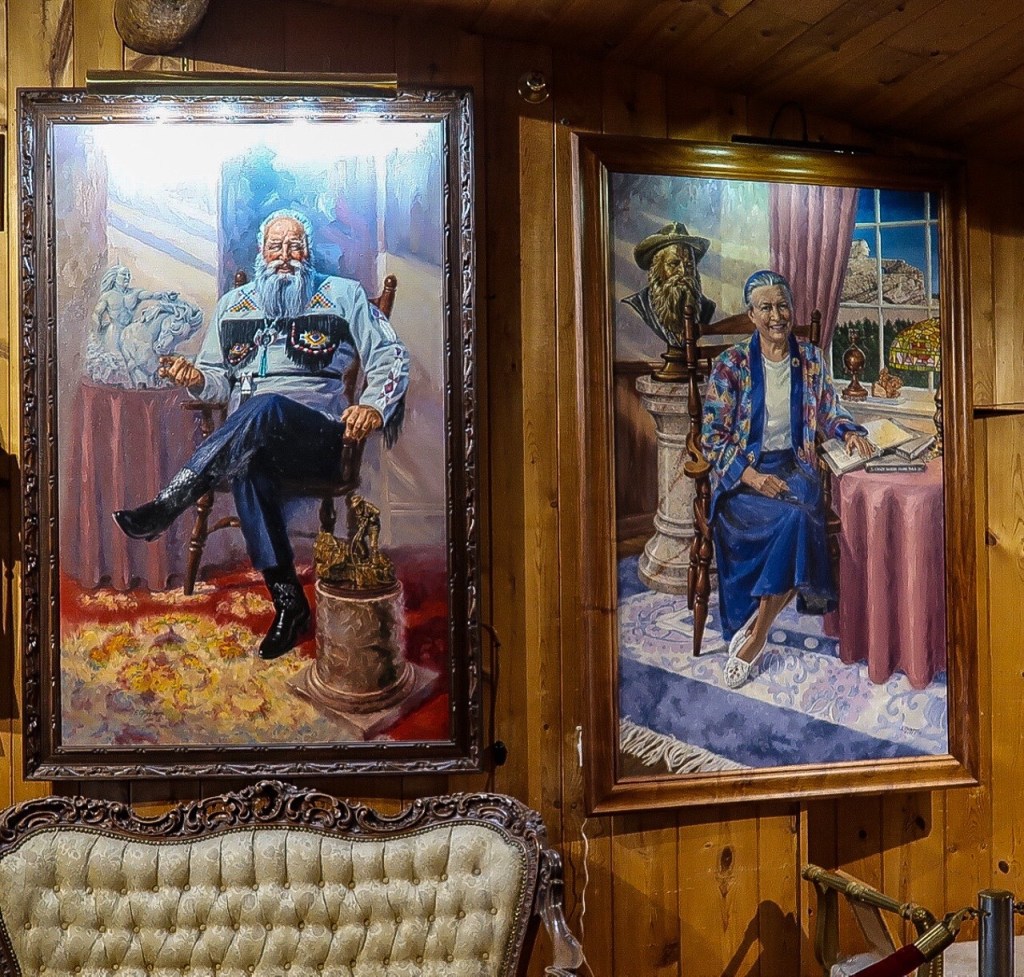
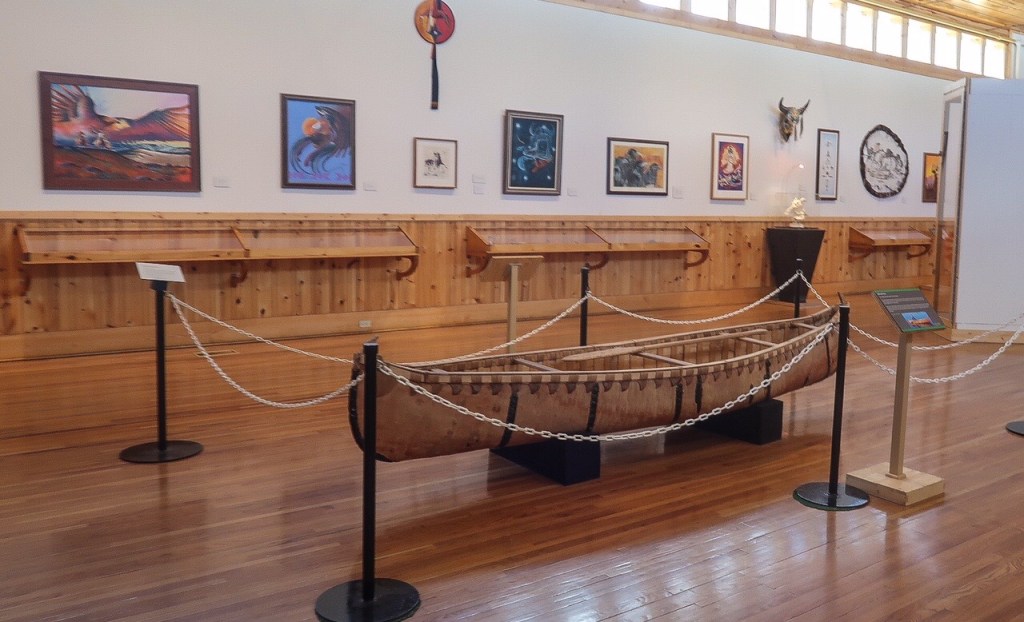
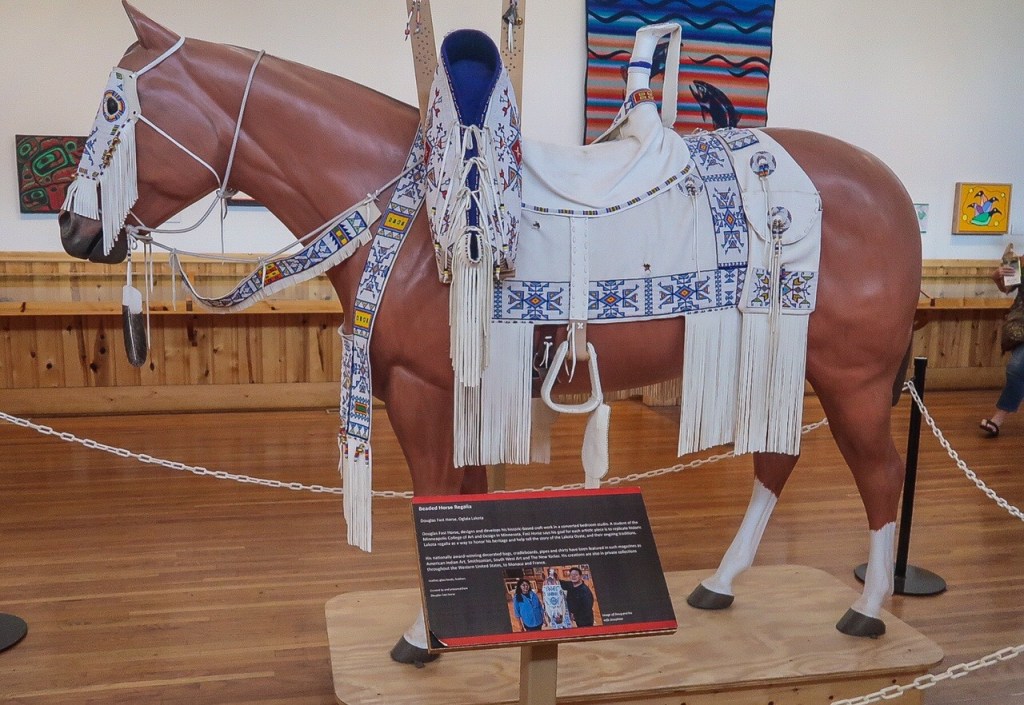
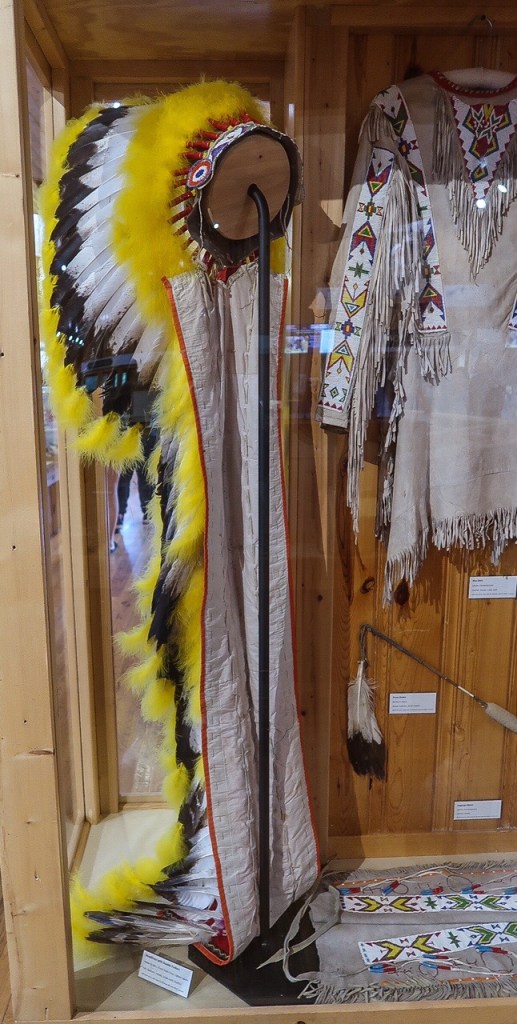
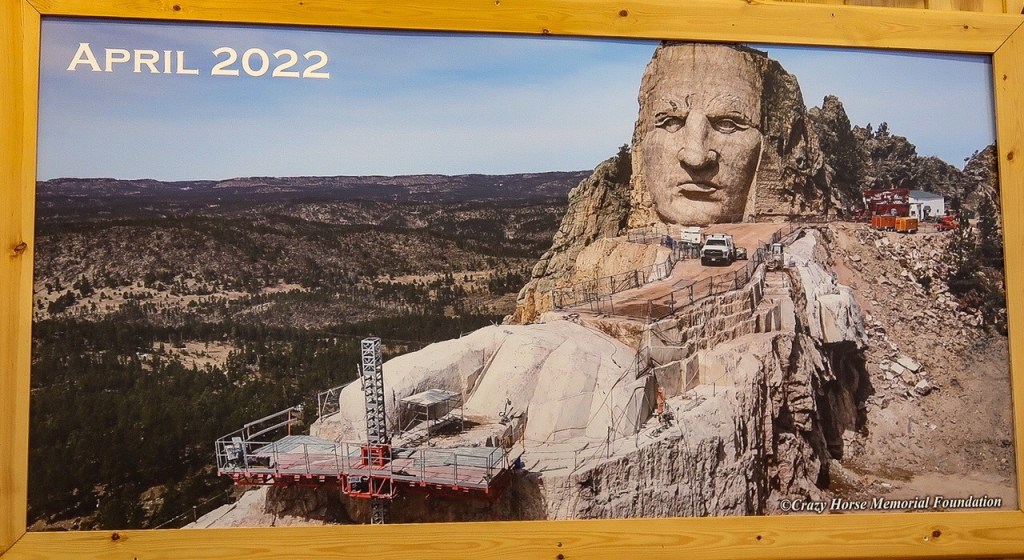
Our next adventure turned out to be such an eye opening experience for both of us! We visited Crazy Horse Memorial! This was so much more then another carving on a mountain! We learned so much about the history of the area, the cultures of over 300 Native Nations and the life of Korczak & Ruth and their 10 children. We were able to s a view of their log cabin and his studio on the property. Visited the visitor center, exhibits, watched a 15 minute movie, the Indian Museum of North America (which had a large collection of art & artifacts), and listened to an Indian flutist. The scale model of Crazy Horse is 1/34th size of the full size.
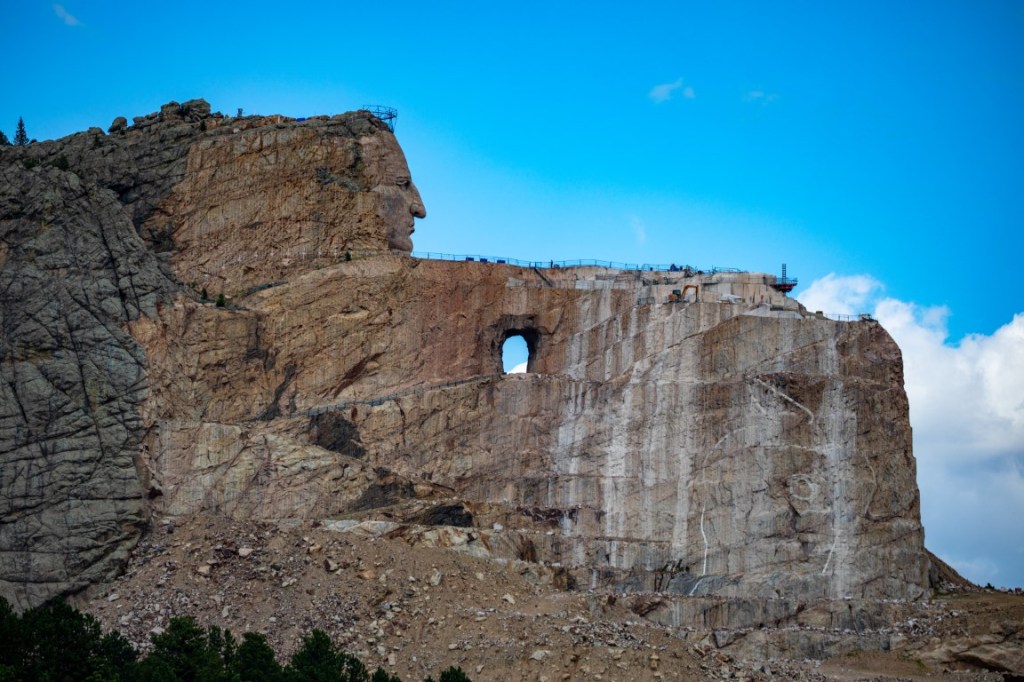
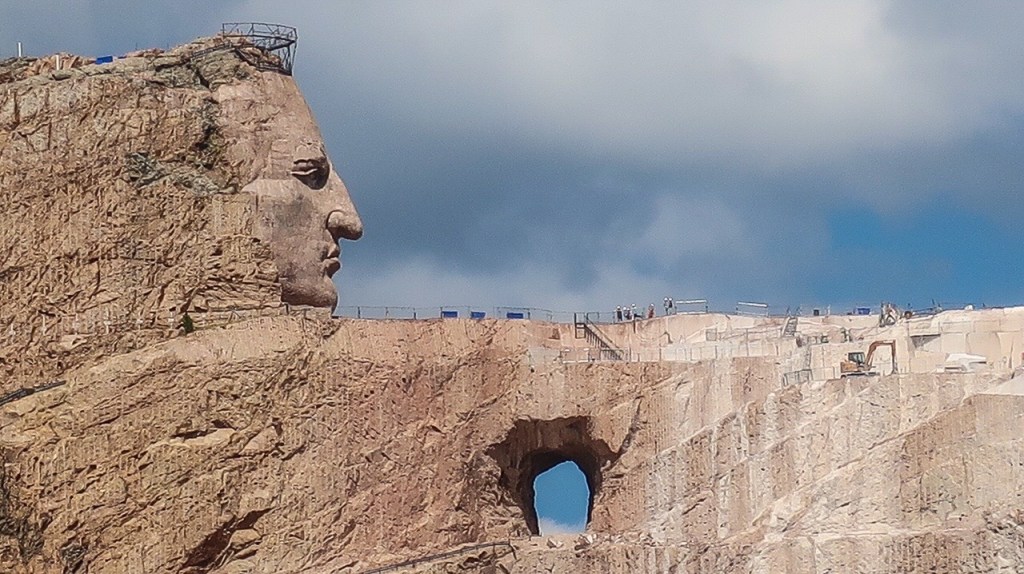
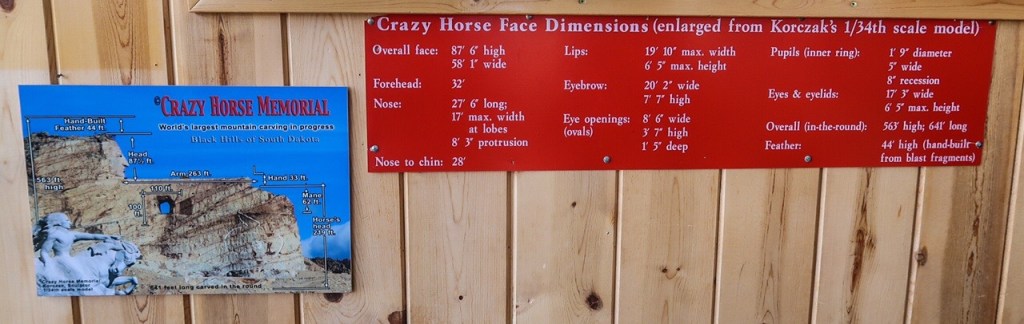
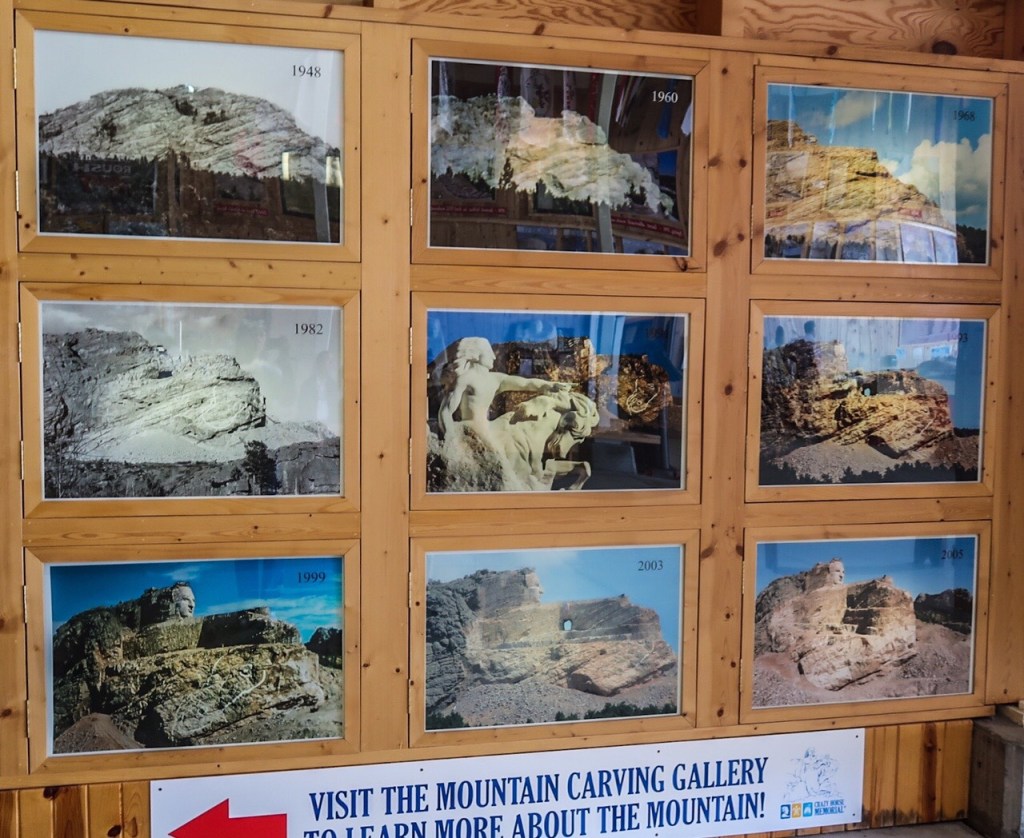
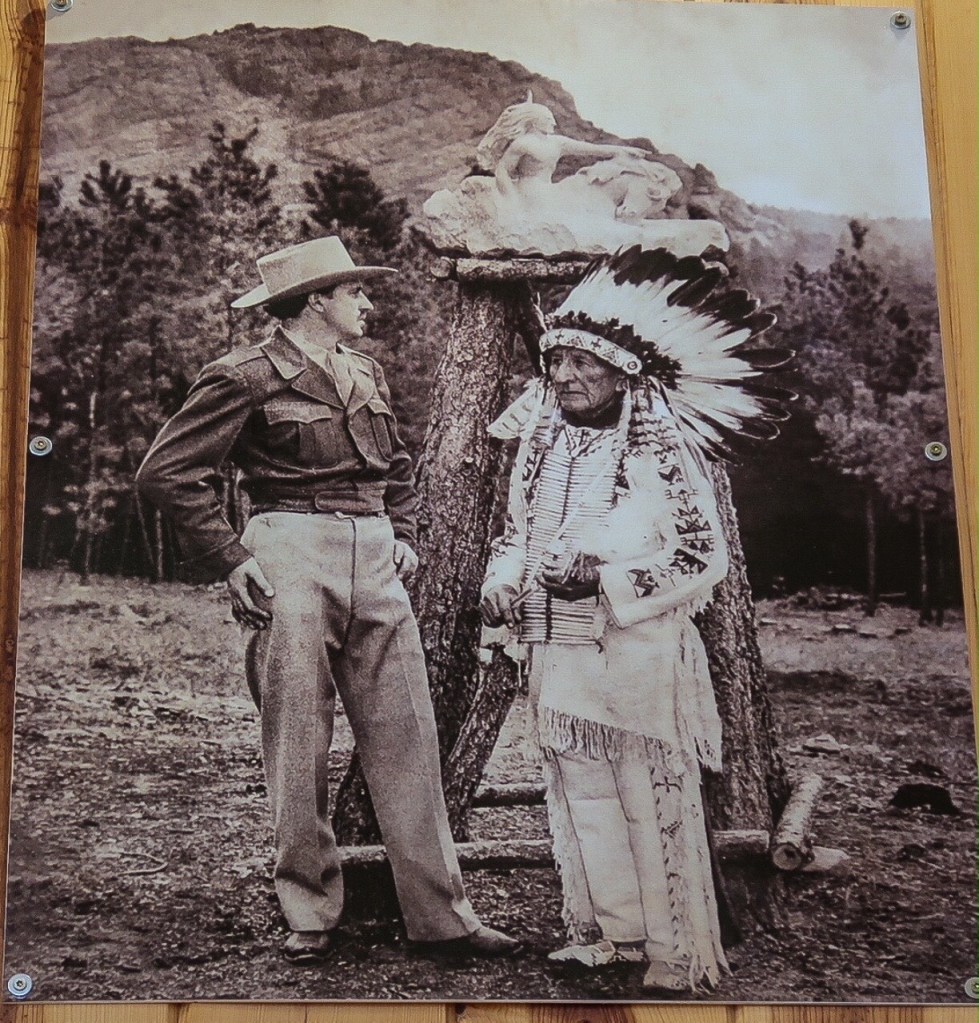
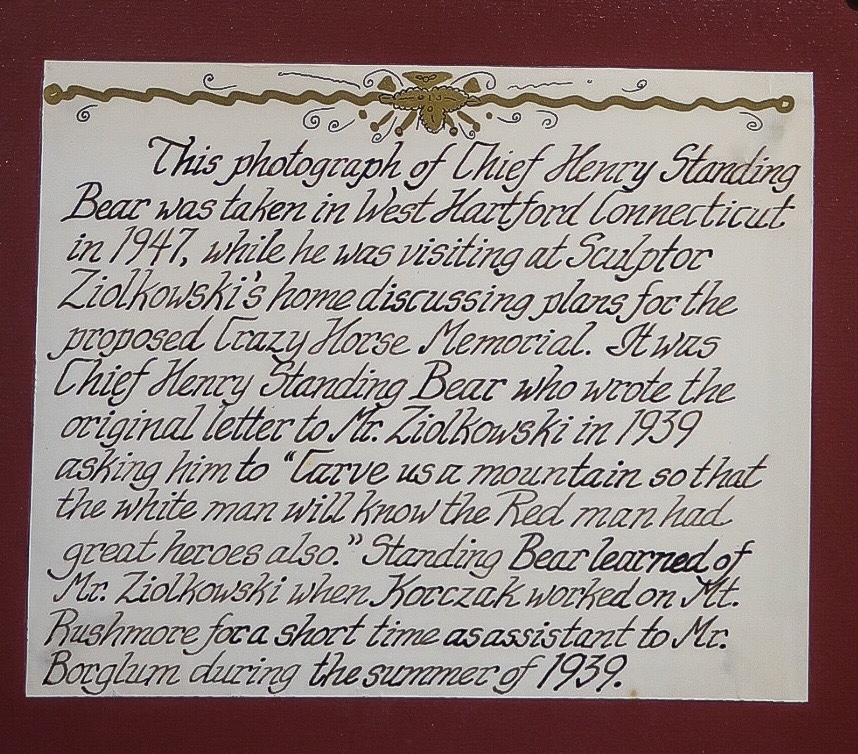
Crazy Horse Memorial – is the world’s largest mountain carving, still in progress in the Black Hills. 563 ft tall in the granite Thunderhead Mountain. Honoring all Indigenous people of North America. In 1939, Oglala Lakota Chief Henry Standing Bear wrote sculptor Korczak Ziolkowski and asked if he’d consider carving a statue dedicated to the American Indian. The Lakota warrior Crazy Horse was chosen as the subject. He was born in the Black Hills & is partially credited with Custer’s defeat at the Battle of Little Bighorn. On 1948, the 1st blast took place with 5 survivors of the Battle of Little Bighorn along with Korezak & Henry Standing Bear. Declared the project “for the people and by the people”.
Ziolkowski died in 1982 (age 74) but the family continues his dream solely on donations and charitable contributions, turning down government funding!
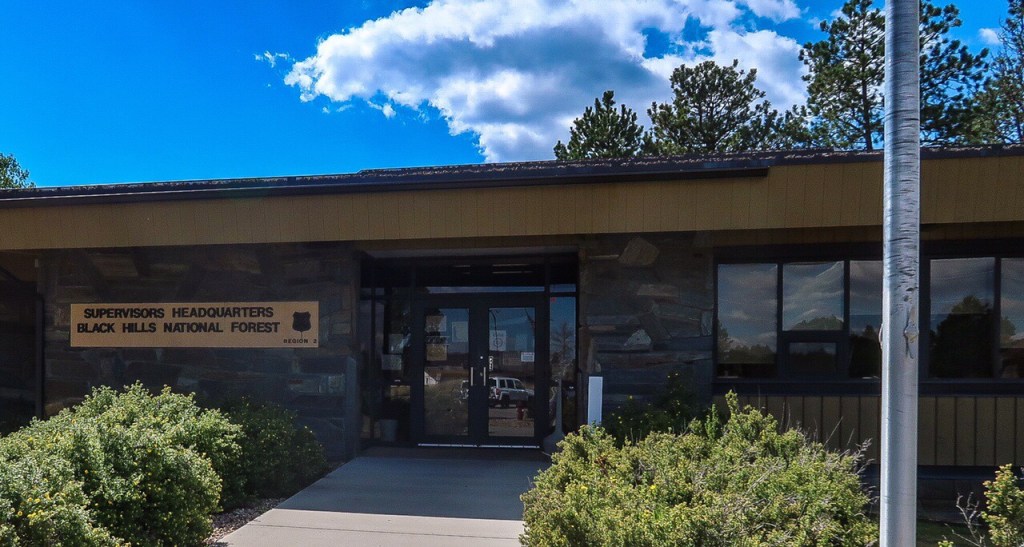
It’s that time….yup another adventure for the day is still young. Stopped at the National Forestry Office to get information and I got a Forest Service patch. Score! 🤣
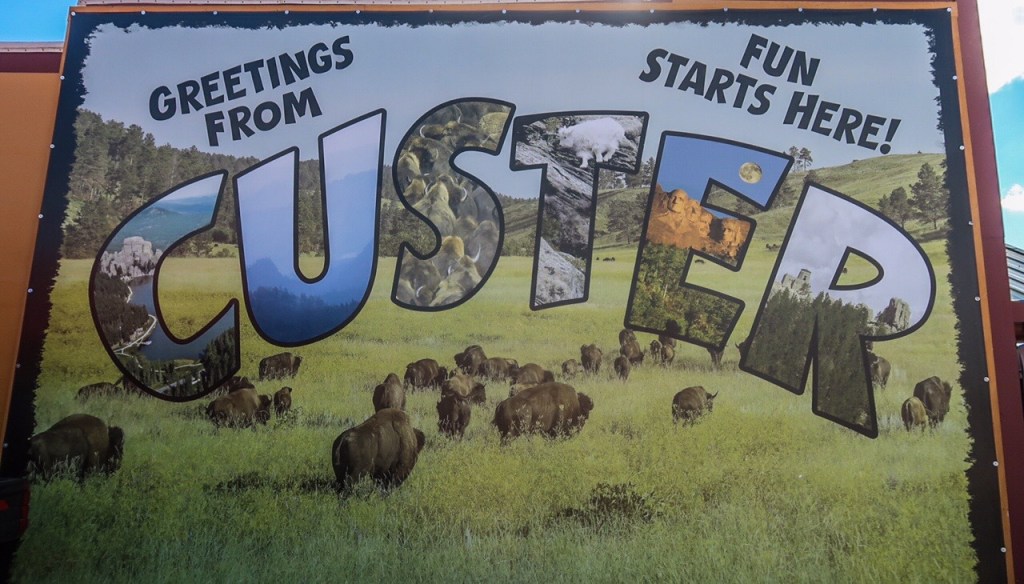
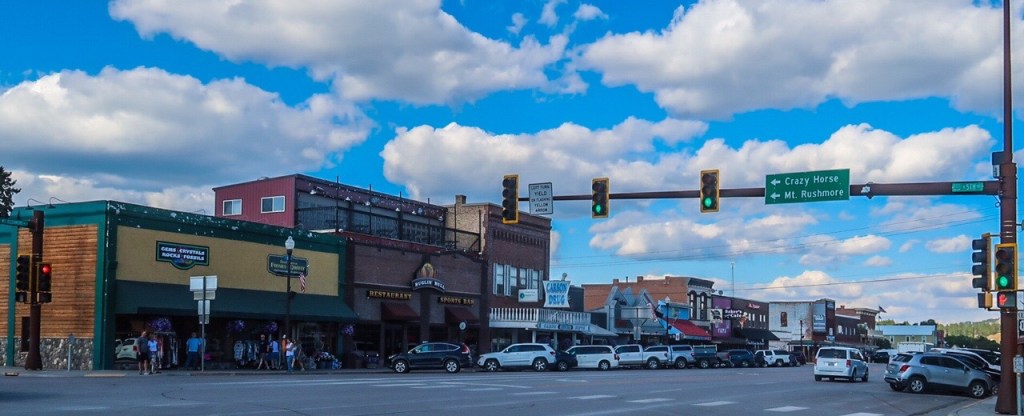
Tim’s ready to relax, so we headed to the town of Custer. Custer is the oldest town established by European Americans in the Black Hills. Elevation 5,315 ft, population of 1,919! Gold was discovered east of Custer during the Black Hills Expedition, conducted by the 7th Cavalry led by Lt. Colonel George Armstrong Custer, a discovery which initiated the Black Hills Gold Rush.
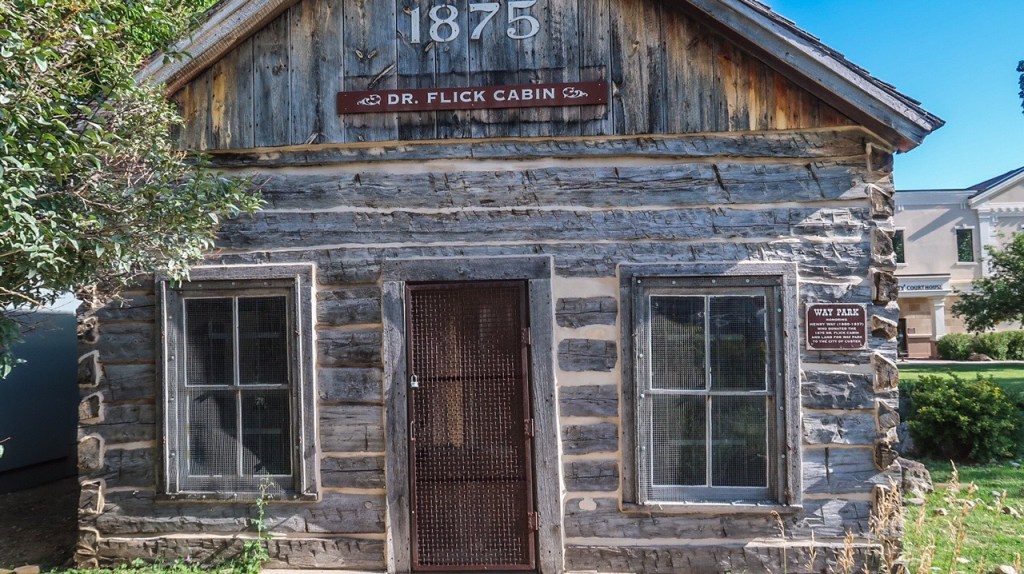
🚶🏻♀️ 🚶♂️ We walked the historical downtown area, browsing in & out of the stores. We came upon the Doctor Flick log cabin which was built in 1875 and is listed as the oldest building in the Black Hills. It sits in front of the Courthouse which is among the oldest places in the state.
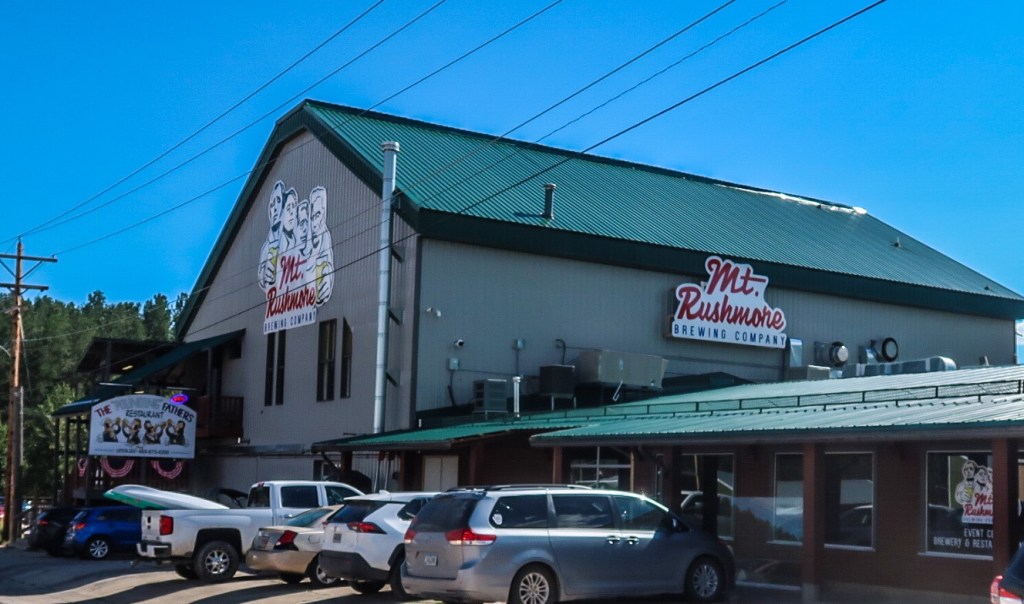
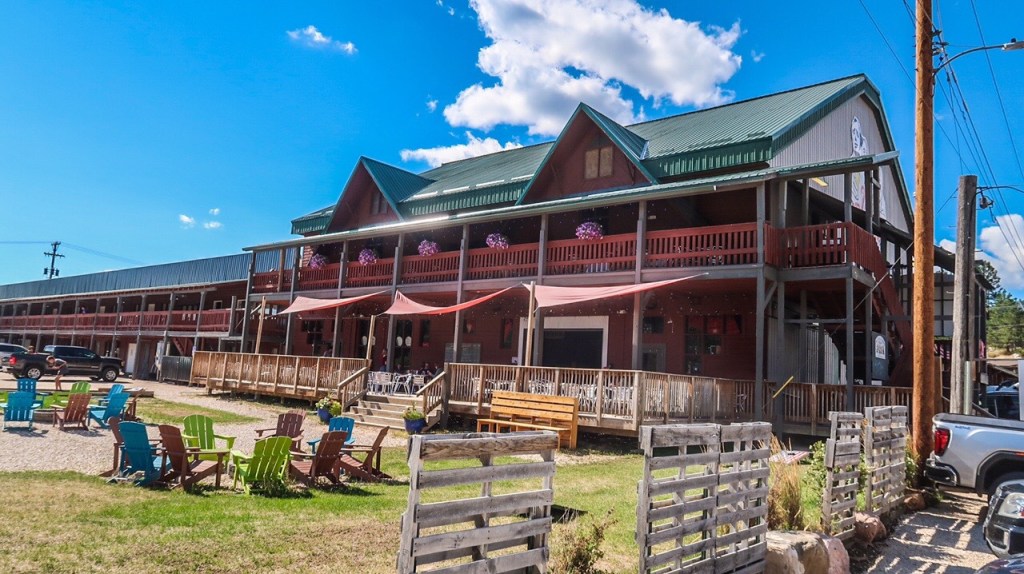
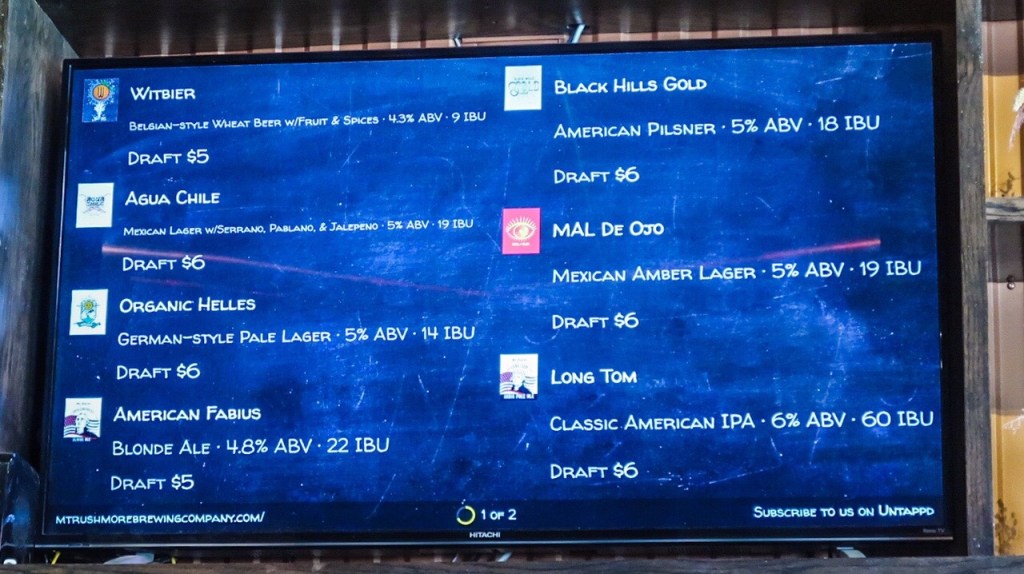
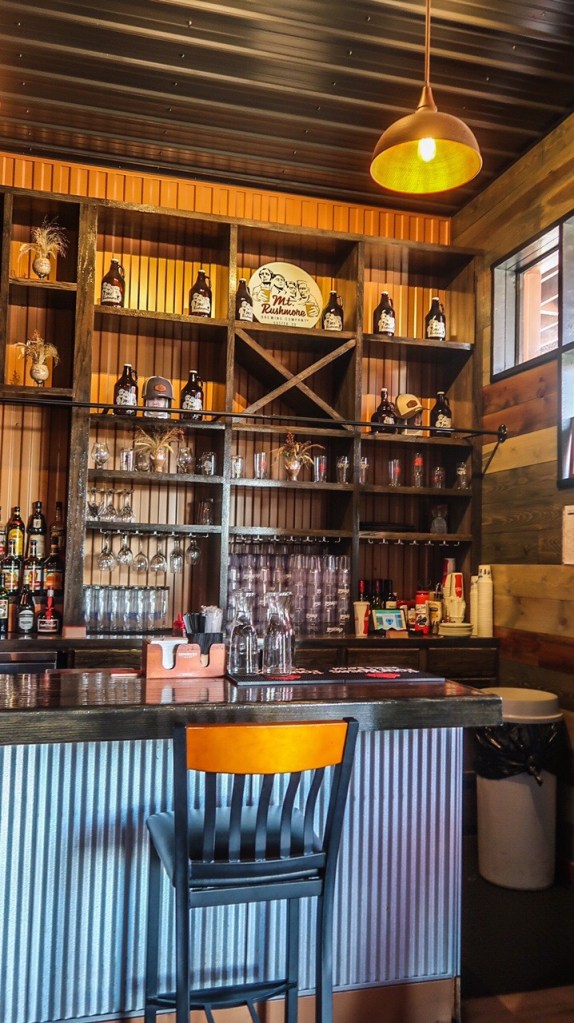
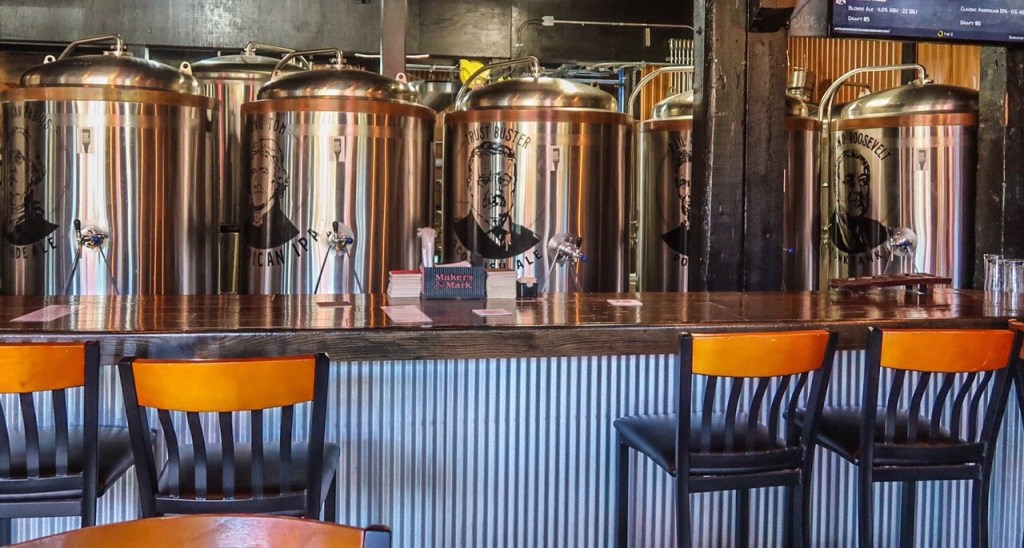
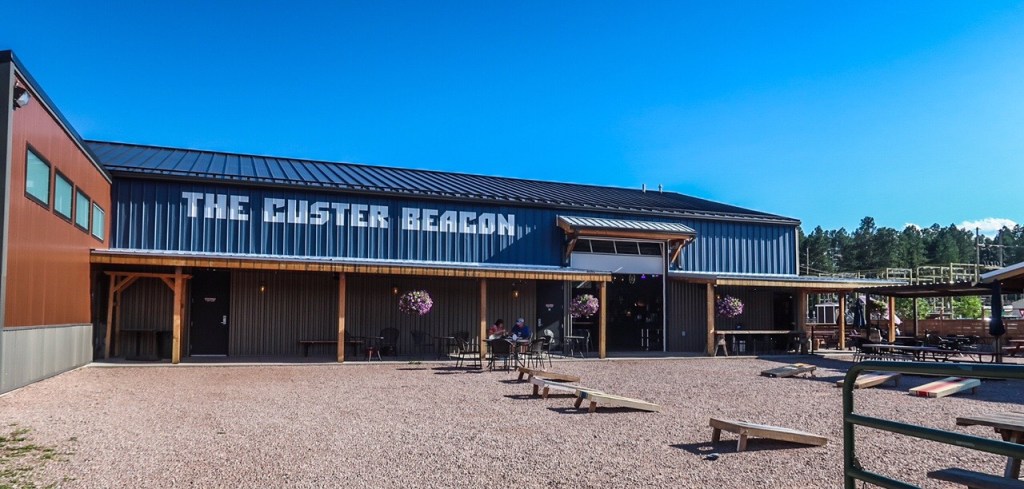
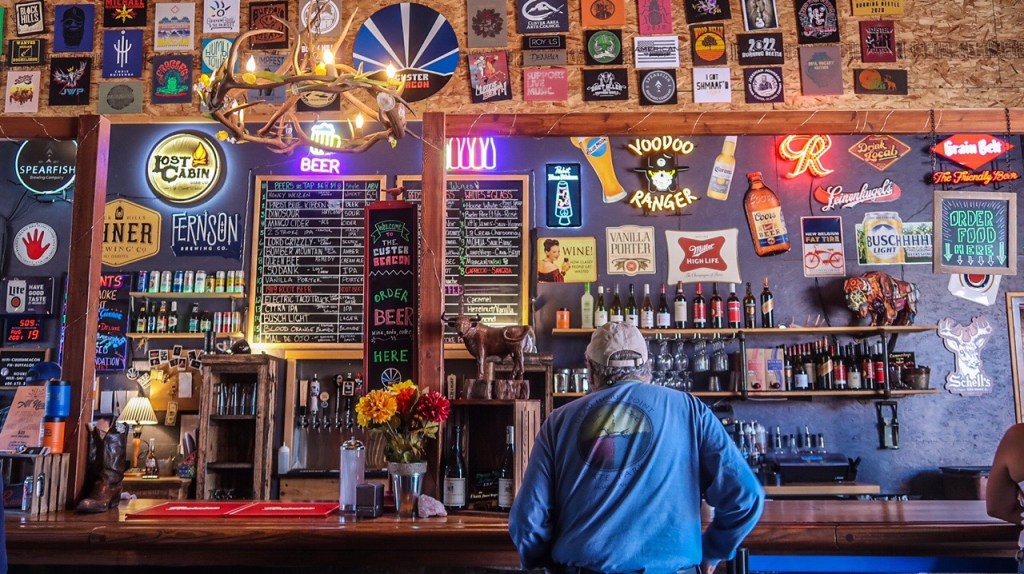
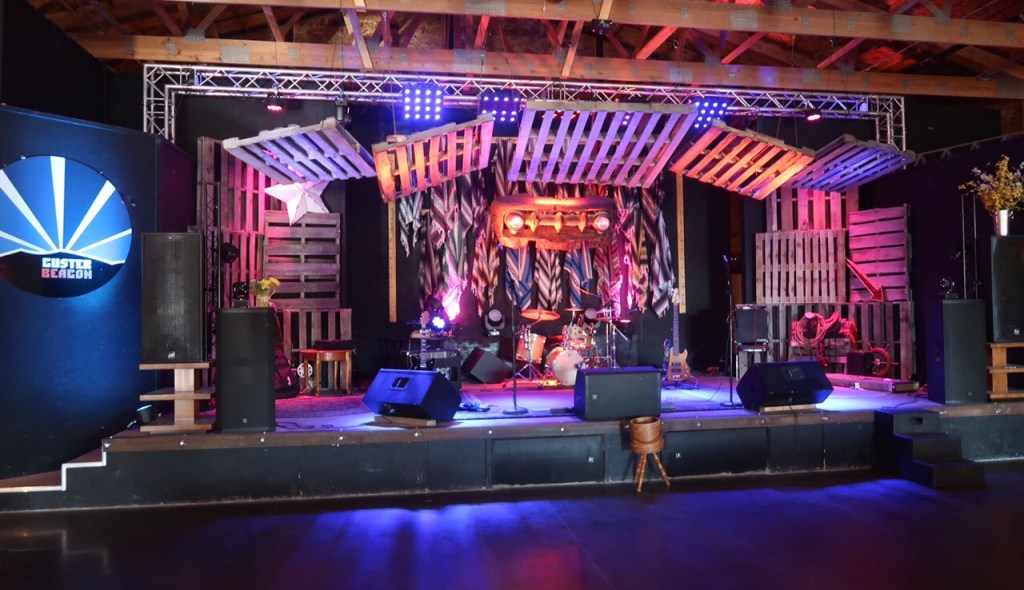
🍻 Ahhhh … found Mt Rushmore Brewing Company. Malt from small farmers and maltsters in North Dakota, and hops from family-owned and cooperative farms in the Midwest and Pacific Northwest. Pictured on the 4 fermenters are… American Fabuis/Blonde, Long Tom/IPA, Trust Buster/Scorrish Export, & Rail Splitter/Porter. We had a drink and appetizers then hit the streets again and came upon Custer Beacon! Live music going on brought us in! ** “The Custer Beacon is equal parts scratch-kitchen restaurant, craft beer and wine bar, dynamic gathering space and premier live music venue featuring local and national talent, indoor/outdoor patio, creative dining options, and a selection of classic yard and table games. The Beacon’s lively warehouse space in downtown Custer is perfect for large groups, families, pets, and travelers!”
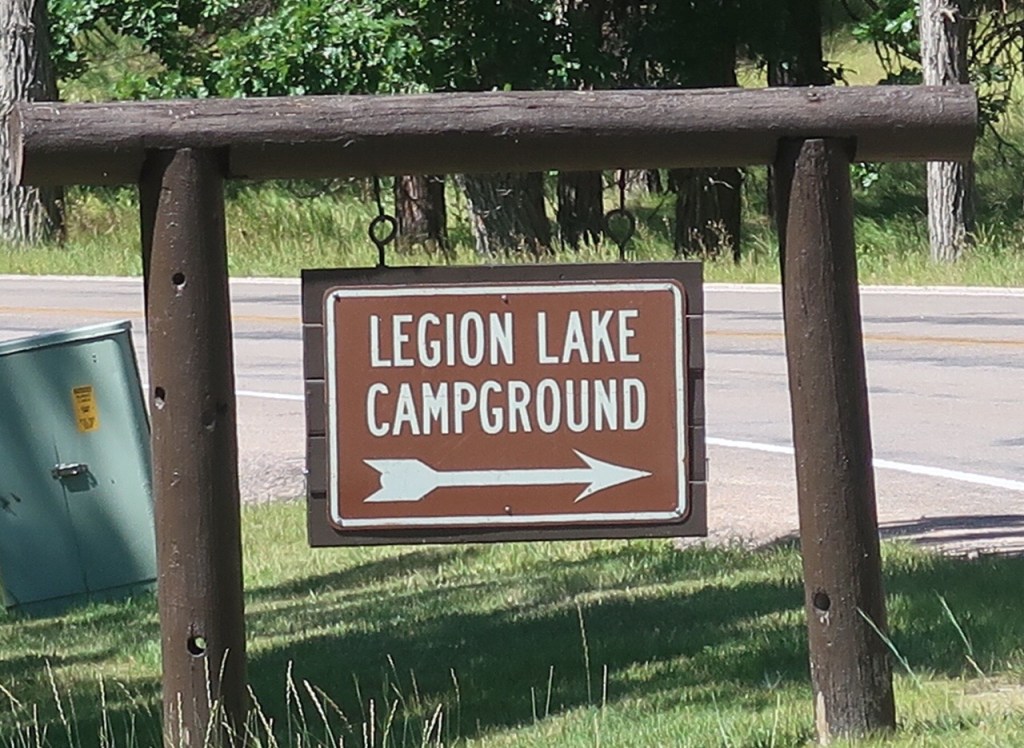
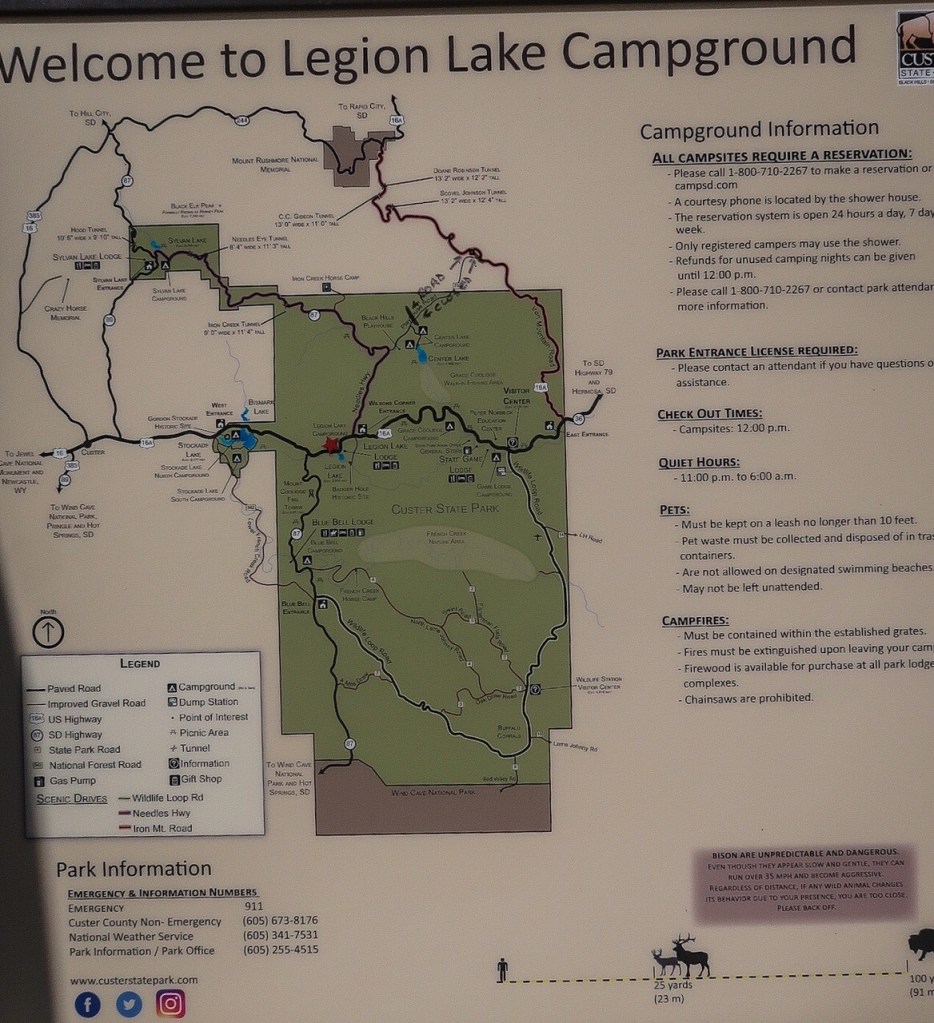
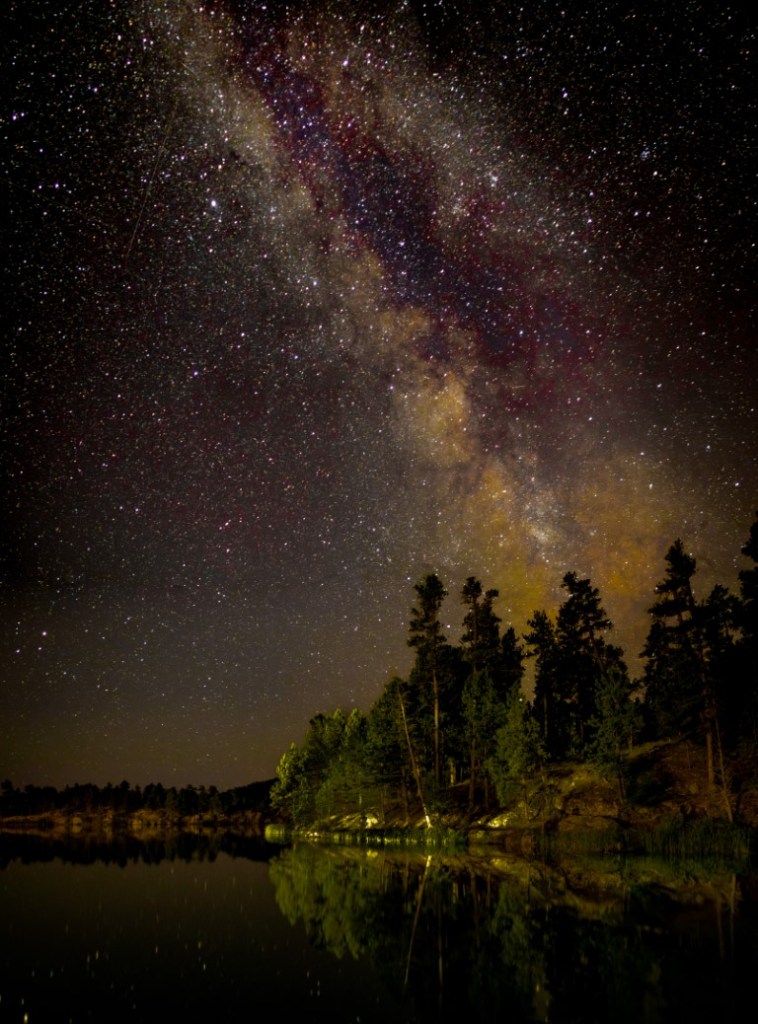
Time to finally unwind after all these adventures today. We drove 58 miles but it sure seemed a lot more! 😱 Went back to the campground, relaxed a bit but then walked across the street to Legion Lake and Tim took amazing night sky photos! Good night!

















 Follow Tim & Sandy's Adventures