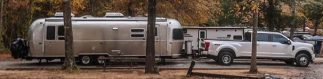

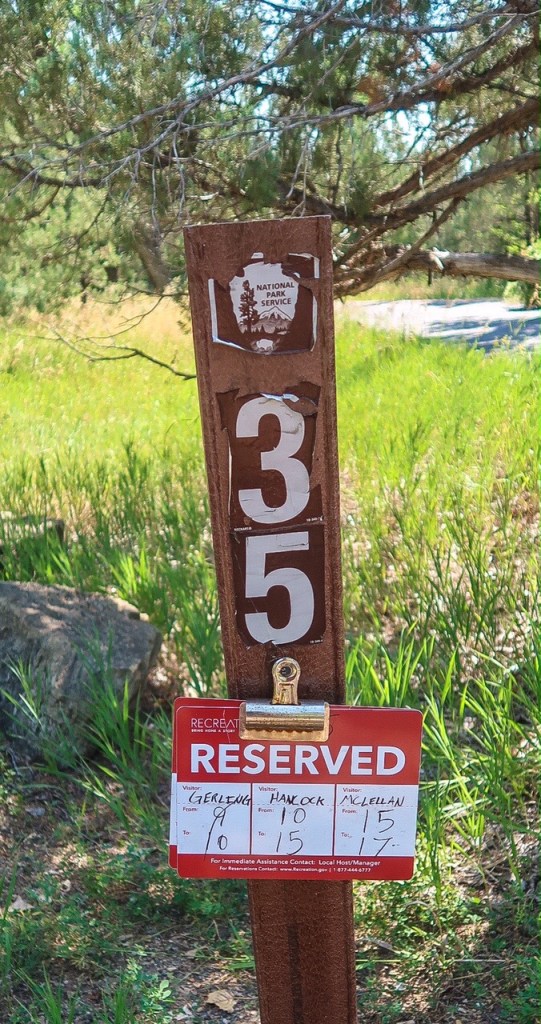
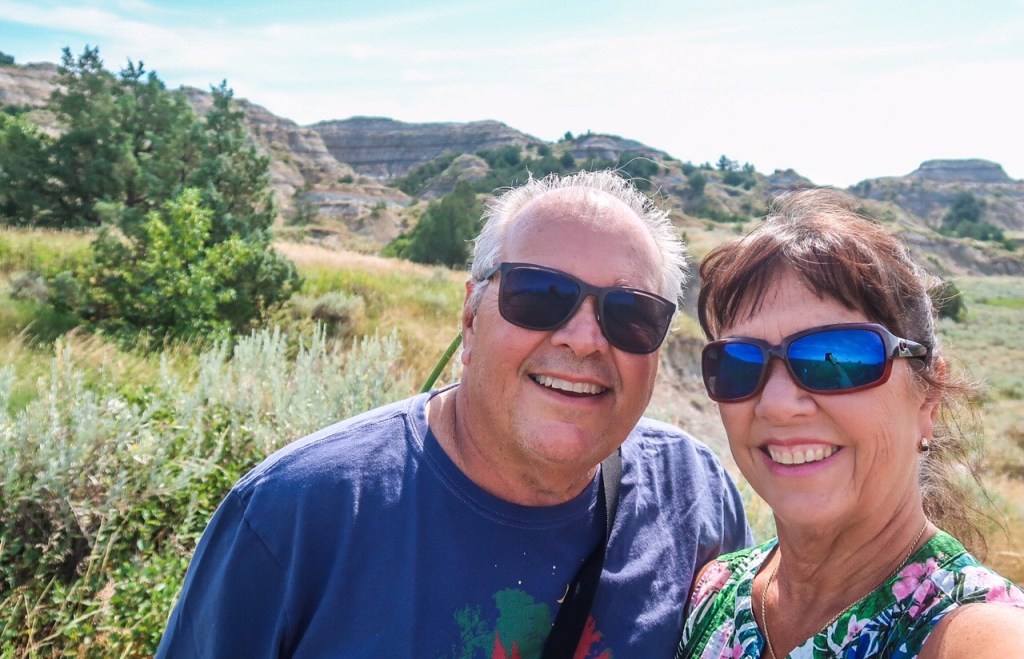
💗 Such a sense of euphoria to finally arrive here after talking about visiting here for 10+ years.
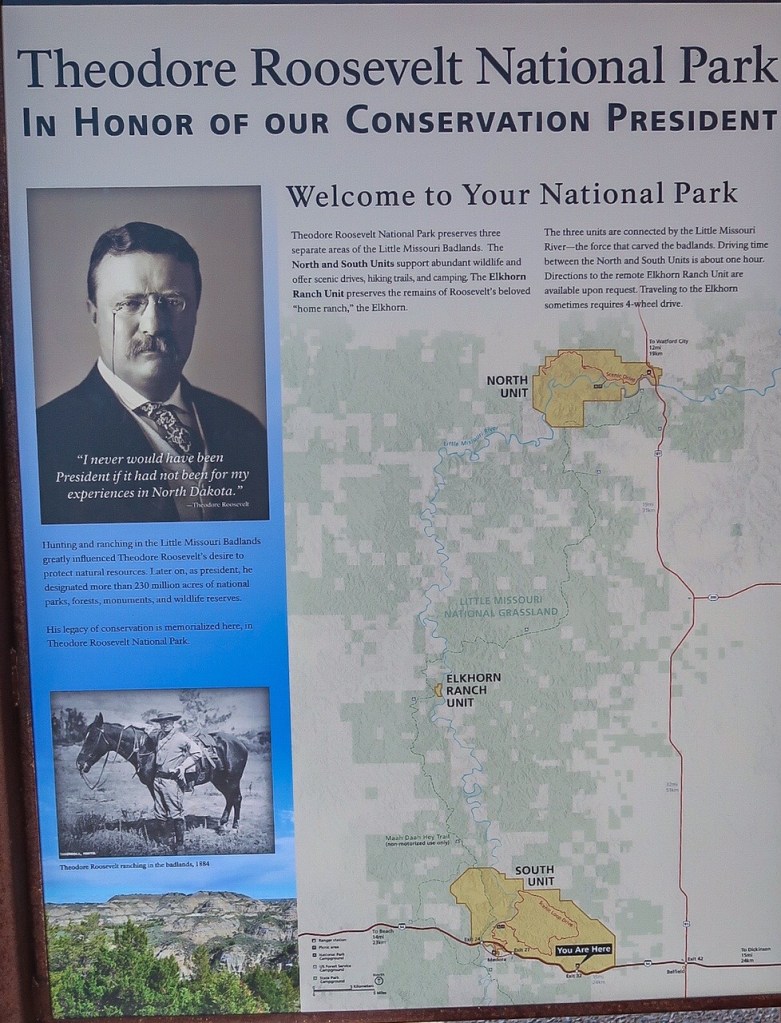
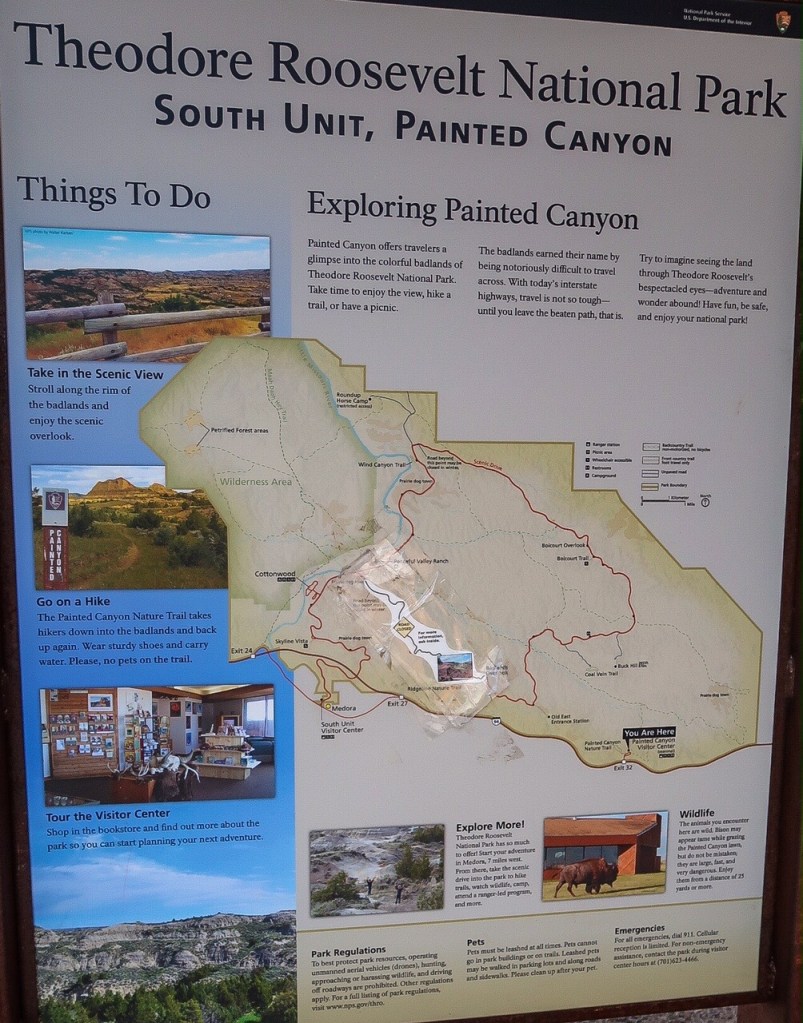
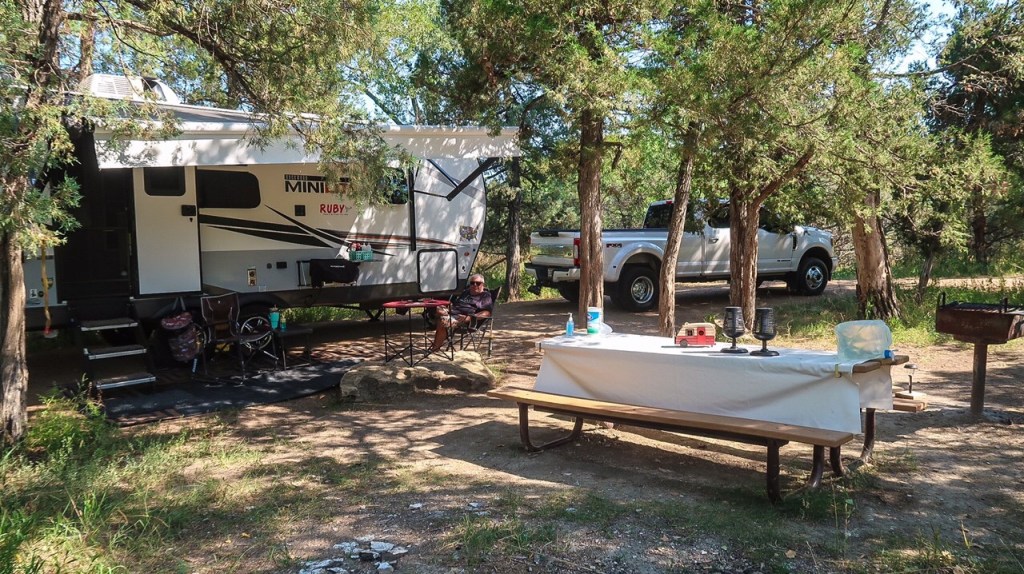
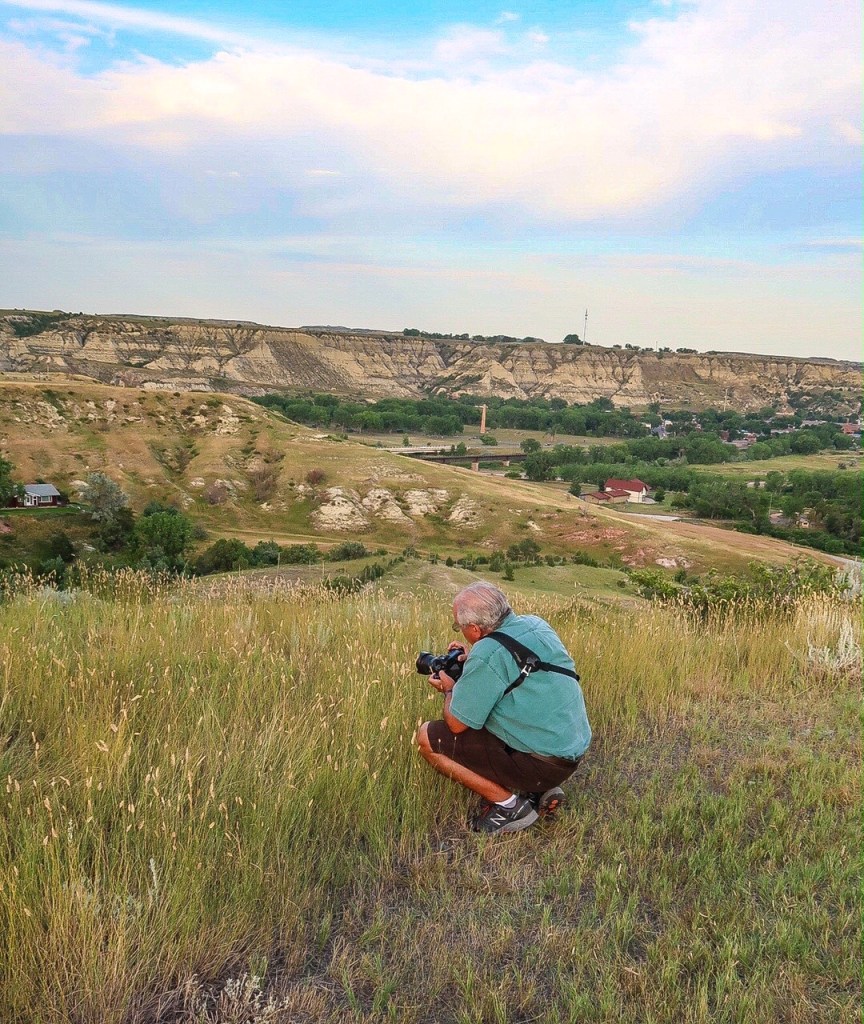
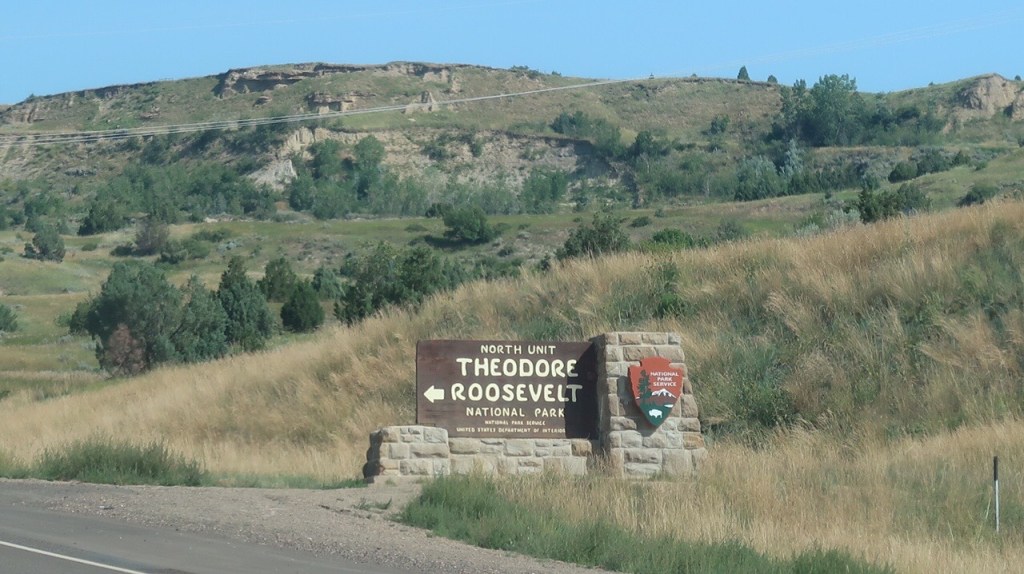
🦬 Theodore Roosevelt National Park is an American national park of the badlands in western North Dakota. Honoring US President Theodore Roosevelt, it is the only American national park named directly after a single person. The park covers 70,446 acres of land in three sections: the North Unit, the South Unit, and the Elkhorn Unit. The Little Missouri River flows through all three units of the park. The Mah Daah Hey Trail connects all three units. The park’s larger South Unit, where we are staying at Cottonwood campground is off I-94 near Medora, ND. The smaller North Unit is situated about 80 mi north of the South Unit, and Roosevelt’s Elkhorn Ranch is located between the North and South units.
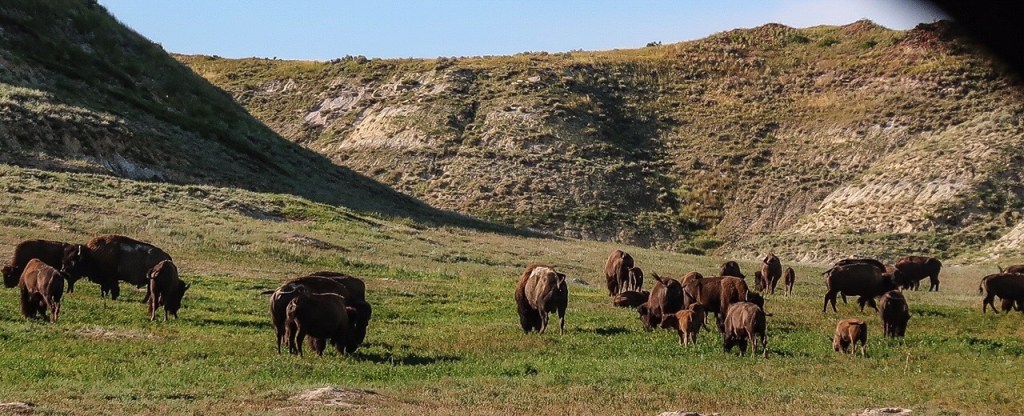
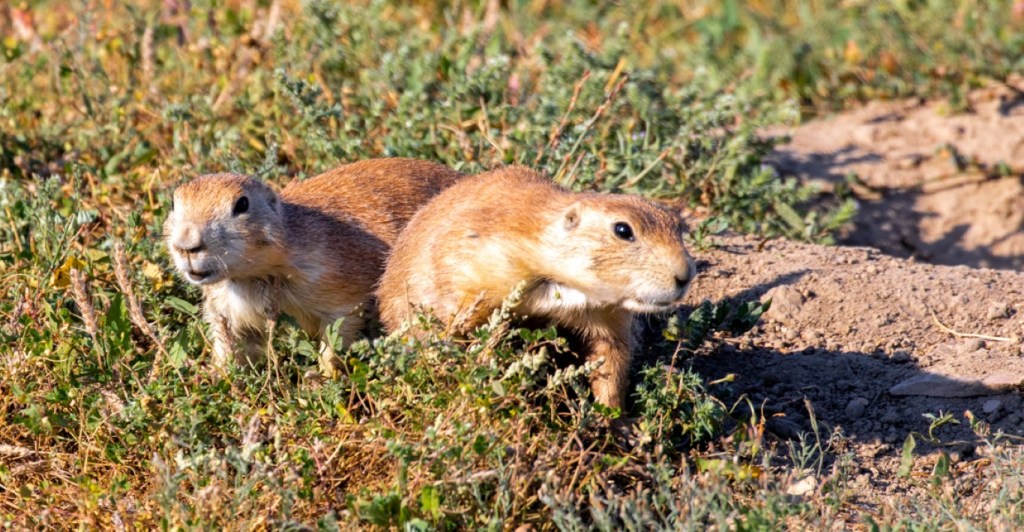
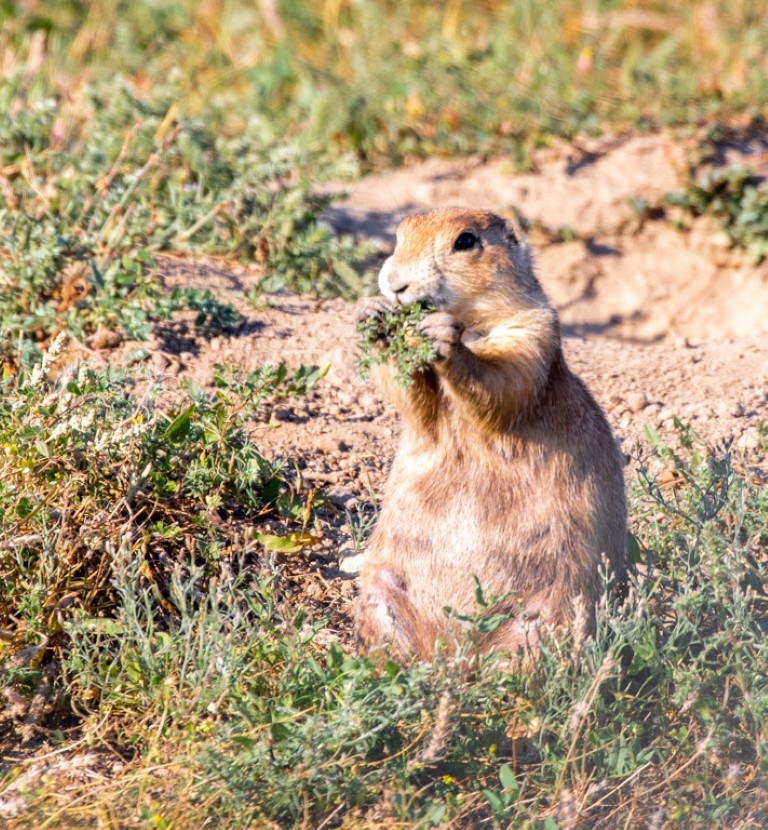
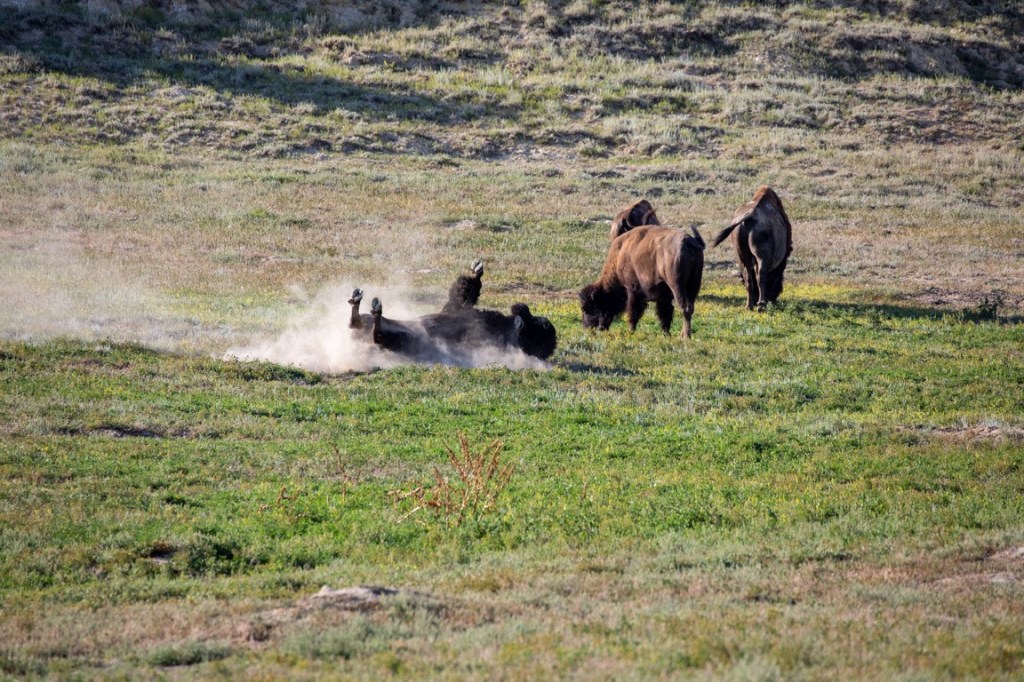
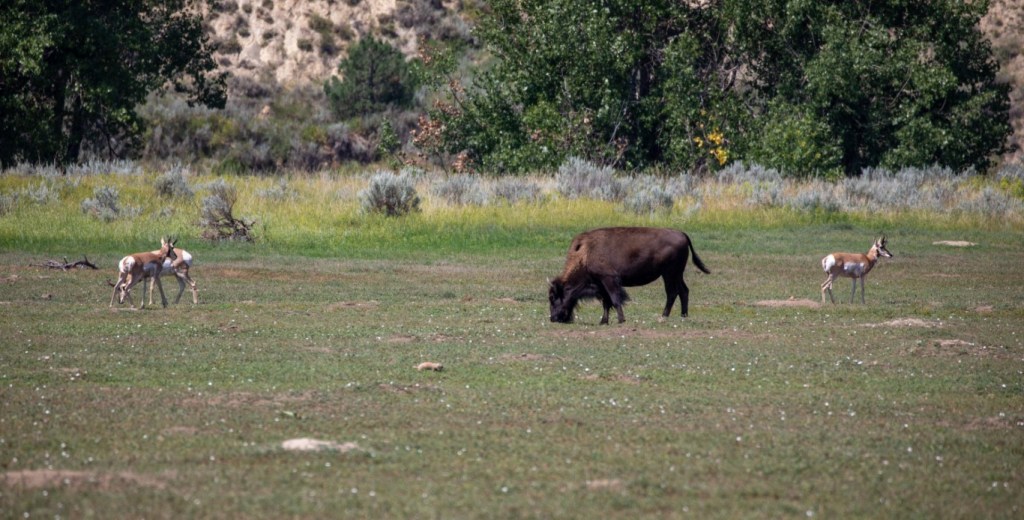
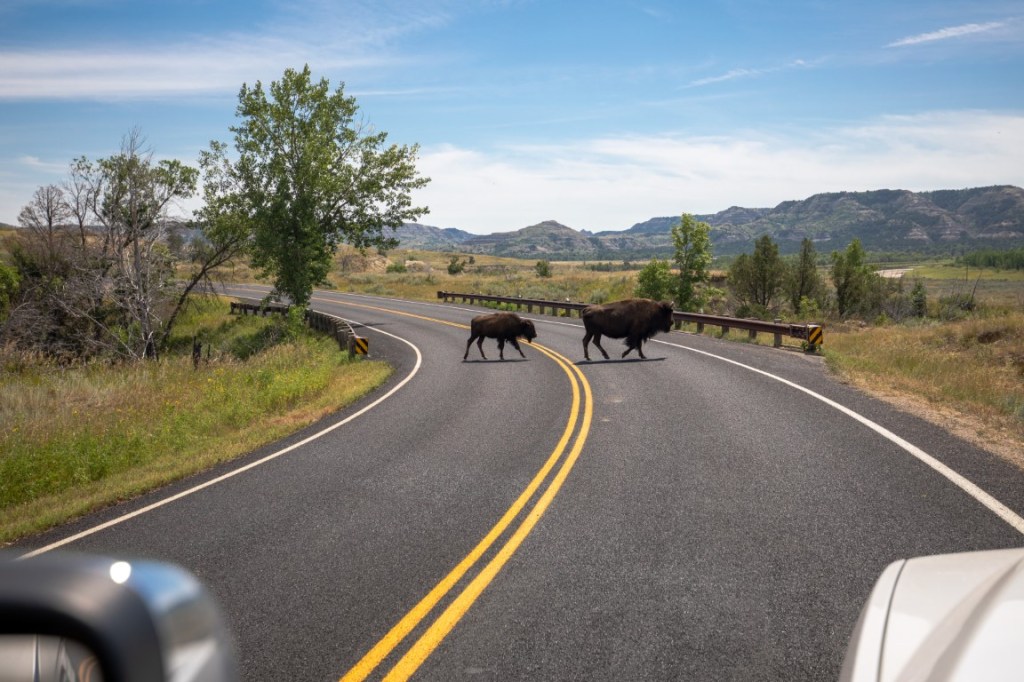
Both main units of the park have scenic drives, approximately 100 miles of foot and horse trails, wildlife viewing, and back country hiking and camping. Both areas have a large population of bison & prairie dogs. The park received 850,000 recreational visitors in 2021!
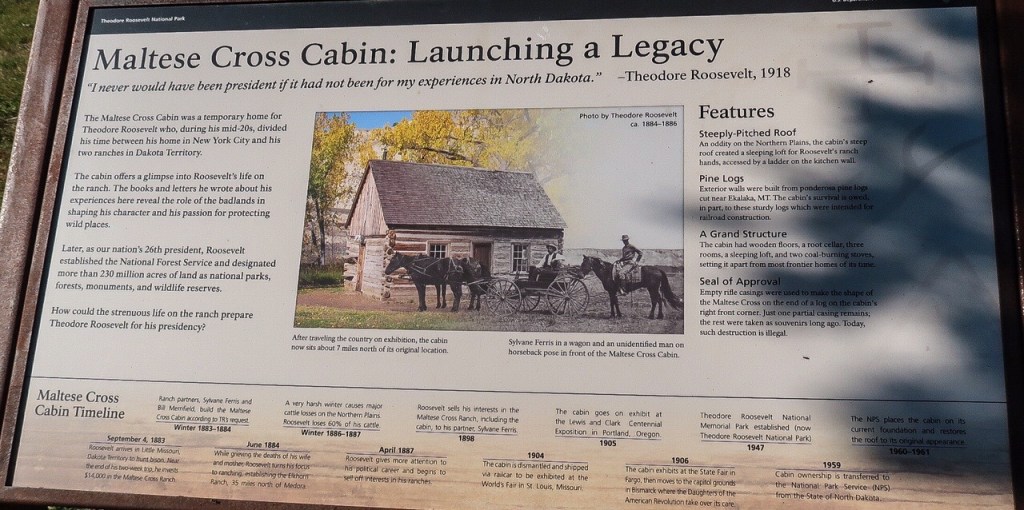
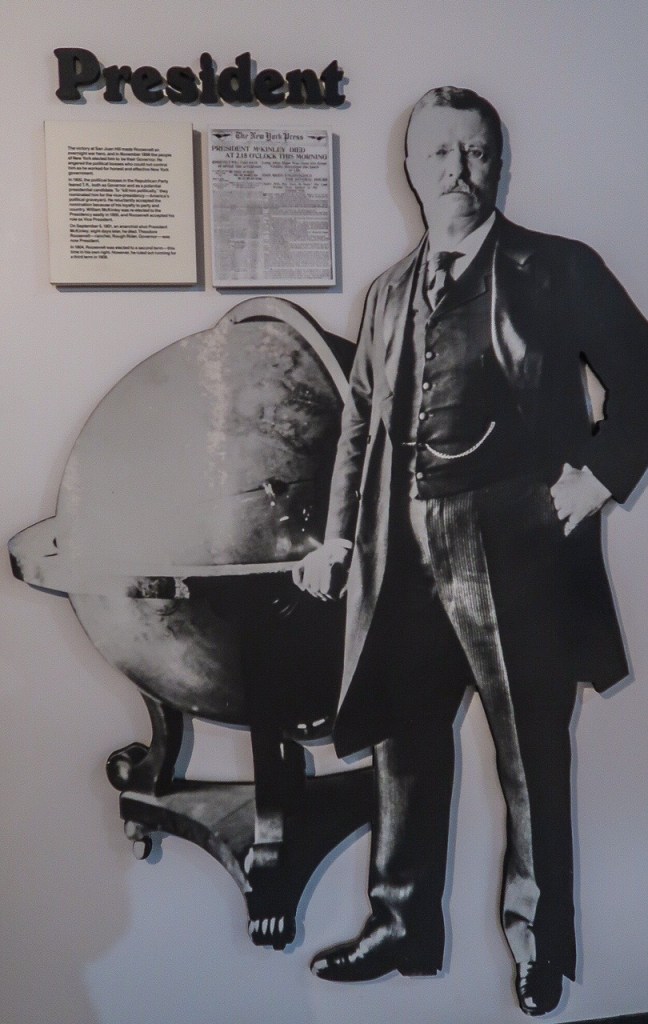
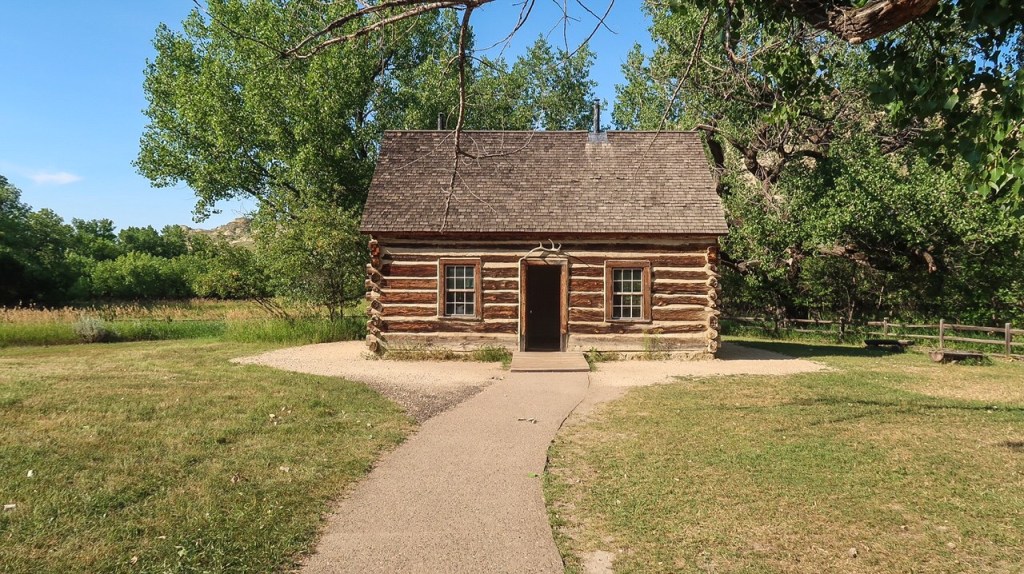
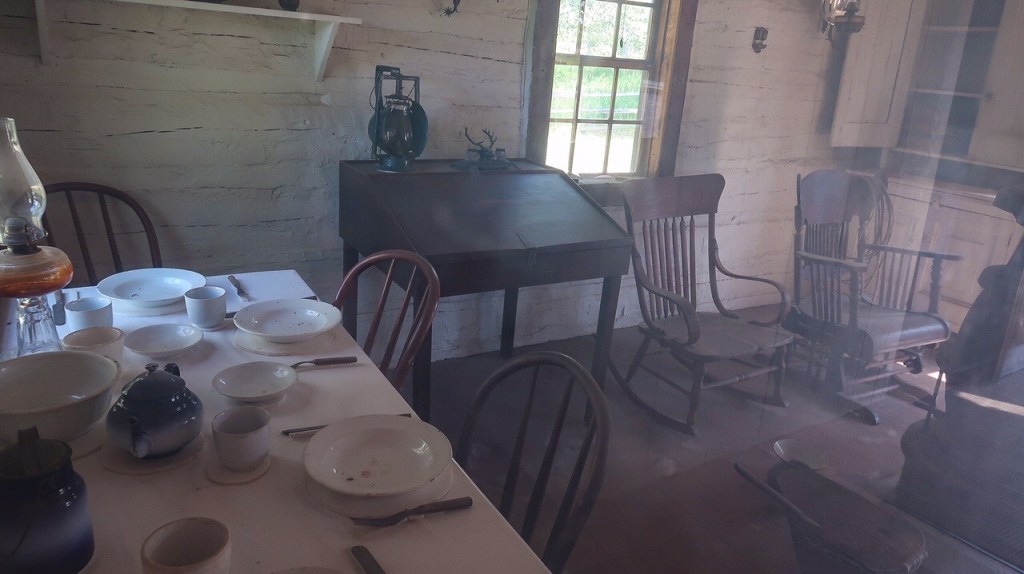
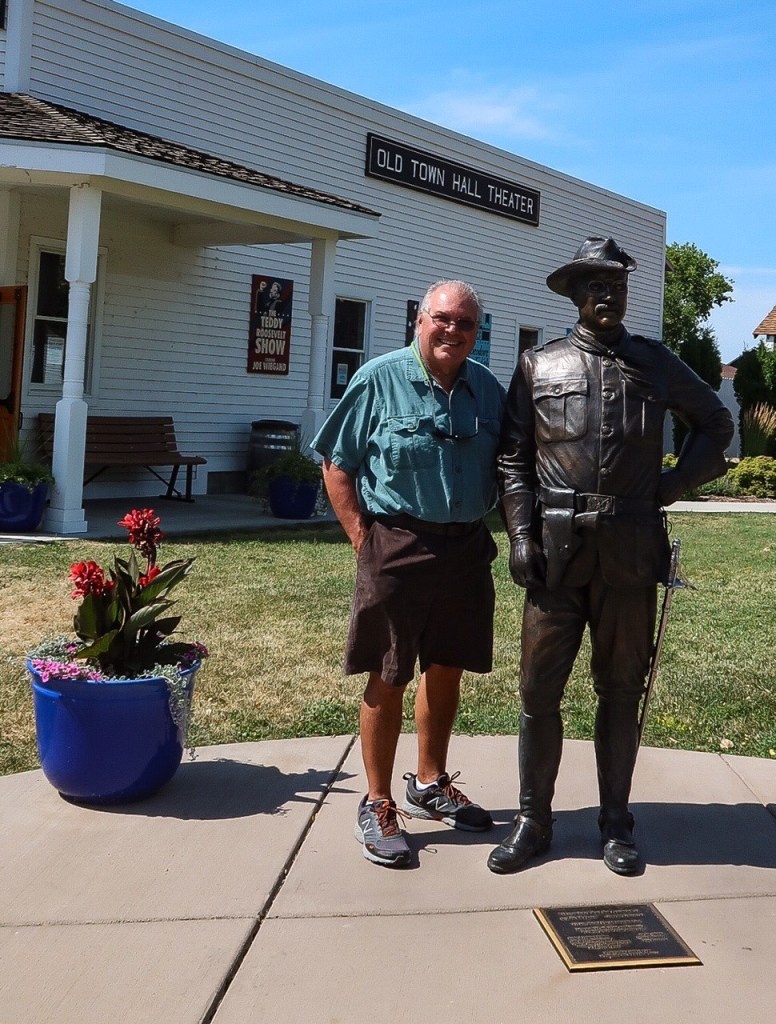
🇺🇸 Roosevelt first came to the North Dakota badlands to hunt bison in September 1883. During that first short trip, he got his bison and fell in love with the rugged lifestyle and the “perfect freedom” of the West. He invested $14,000 in the Maltese Cross Ranch, which was already being managed by Sylvane Ferris and Bill Merrifield, seven miles south of Medora. That winter, Ferris and Merrifield built the Maltese Cross Cabin. After the death of both his wife and his mother on February 14, 1884, Roosevelt returned to his North Dakota ranch seeking solitude and time to heal. That summer, he started his second ranch, the Elkhorn Ranch, 35 miles north of Medora, which he hired two Maine woodsmen, Bill Sewall and Wilmot Dow, to operate. Roosevelt took great interest in his ranches and in hunting in the West, detailing his experiences in pieces published in eastern newspapers and magazines. He wrote three major works on his life in the West: Ranch Life and the Hunting Trail, Hunting Trips of a Ranchman and The Wilderness Hunter. His adventures in “the strenuous life” outdoors and the loss of his cattle in the starvation winter in 1886–1887 were influential in his pursuit of conservation policies as President of the United States.(1901–1909).
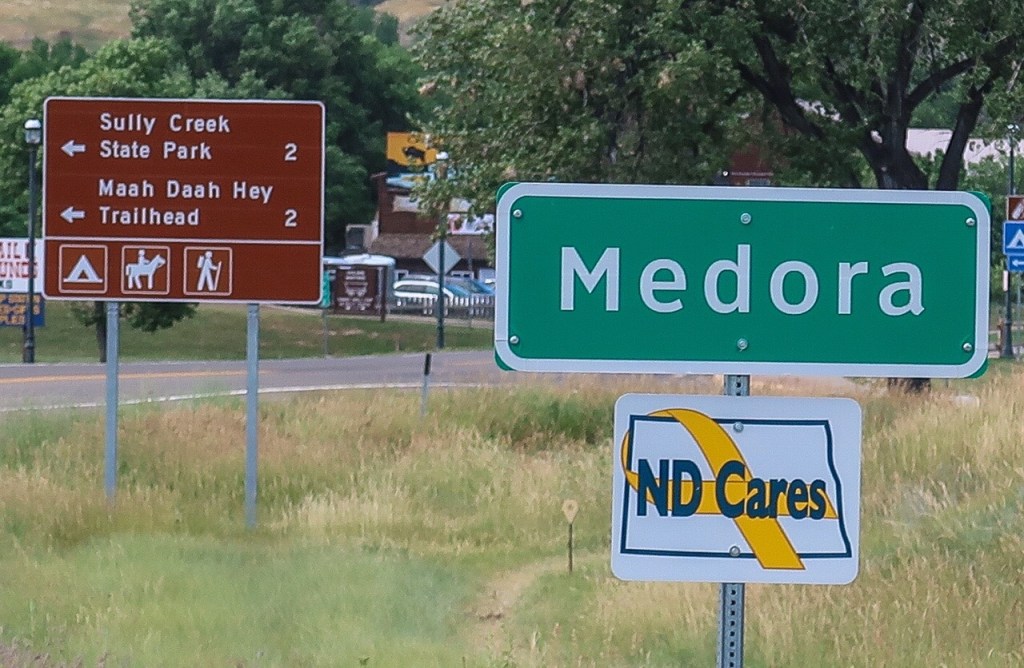
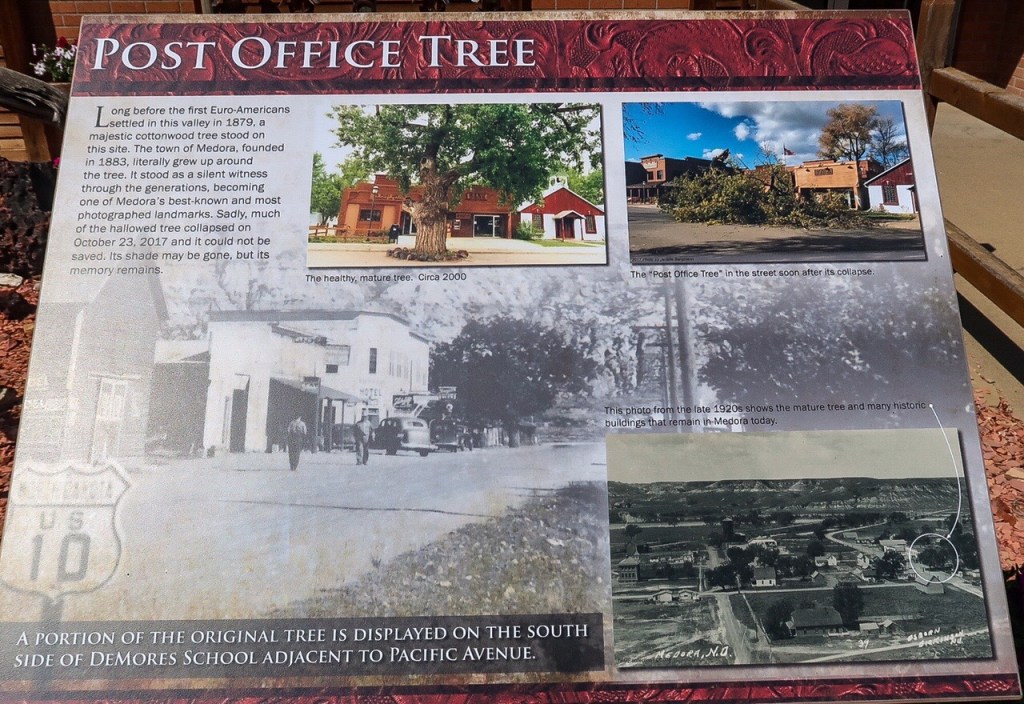
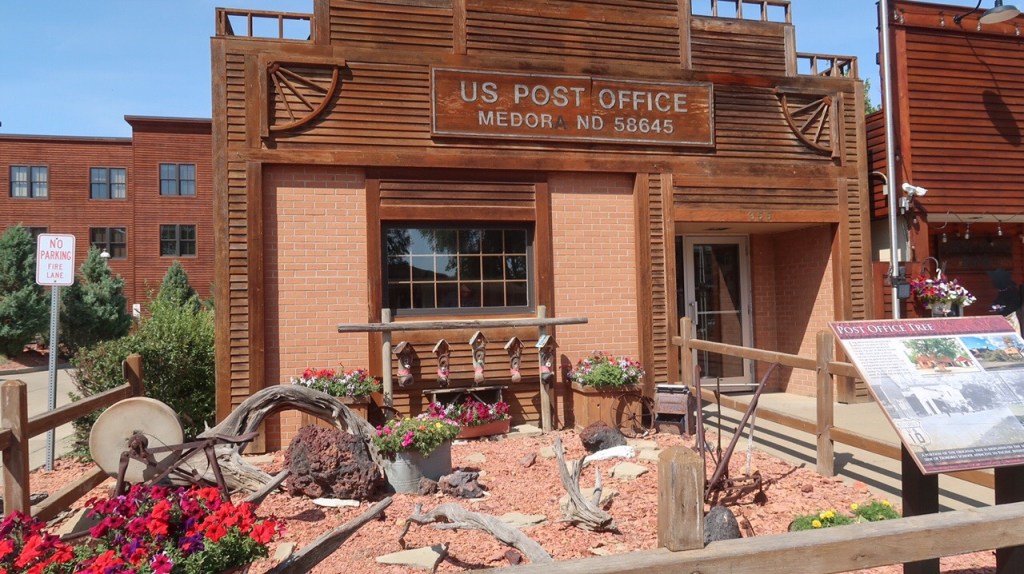
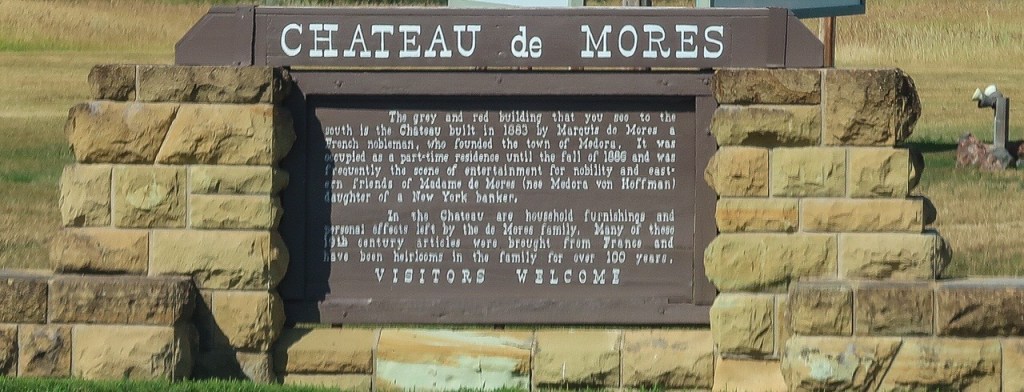
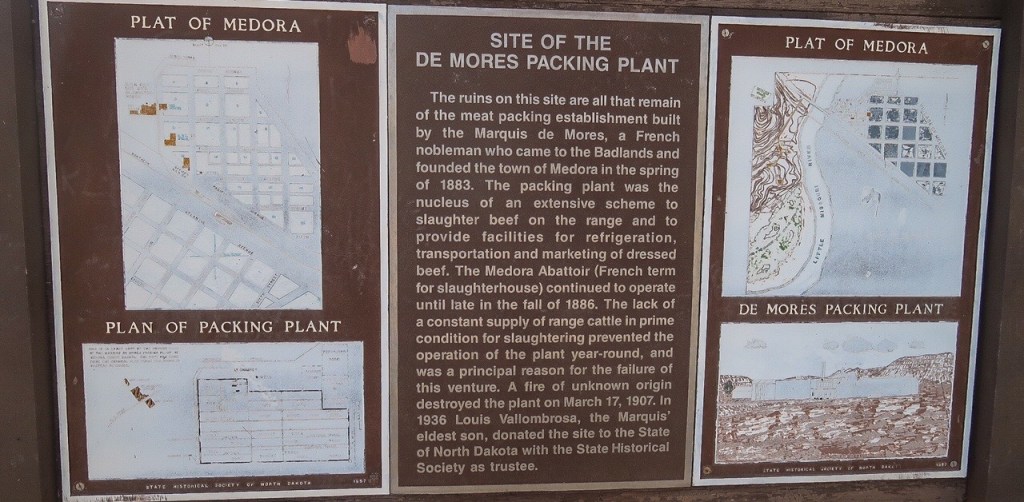
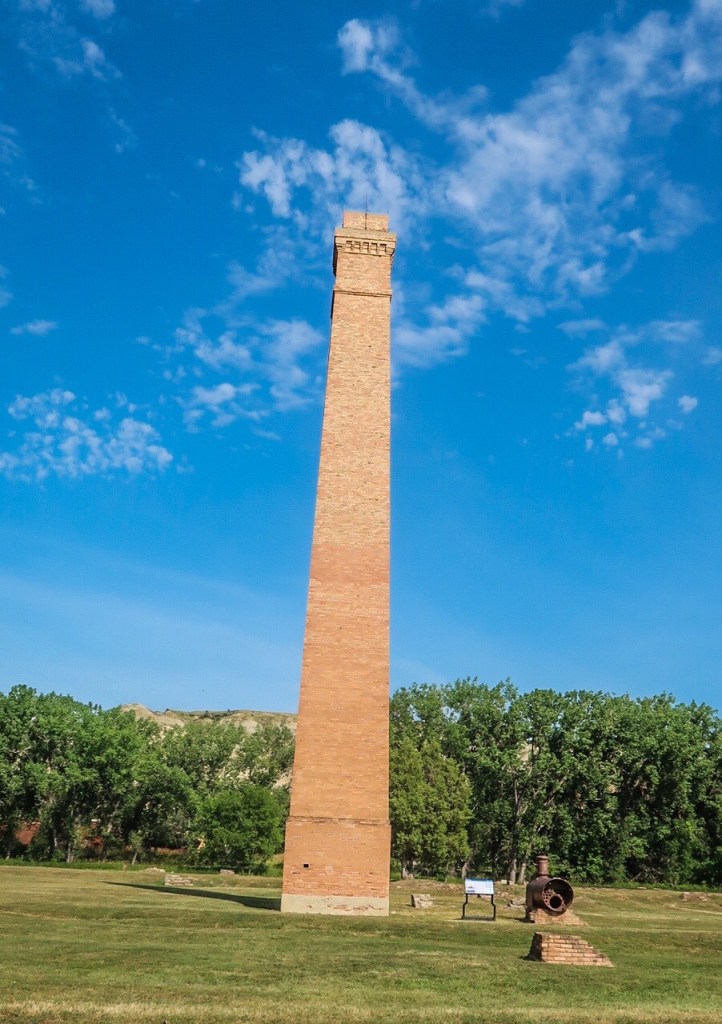
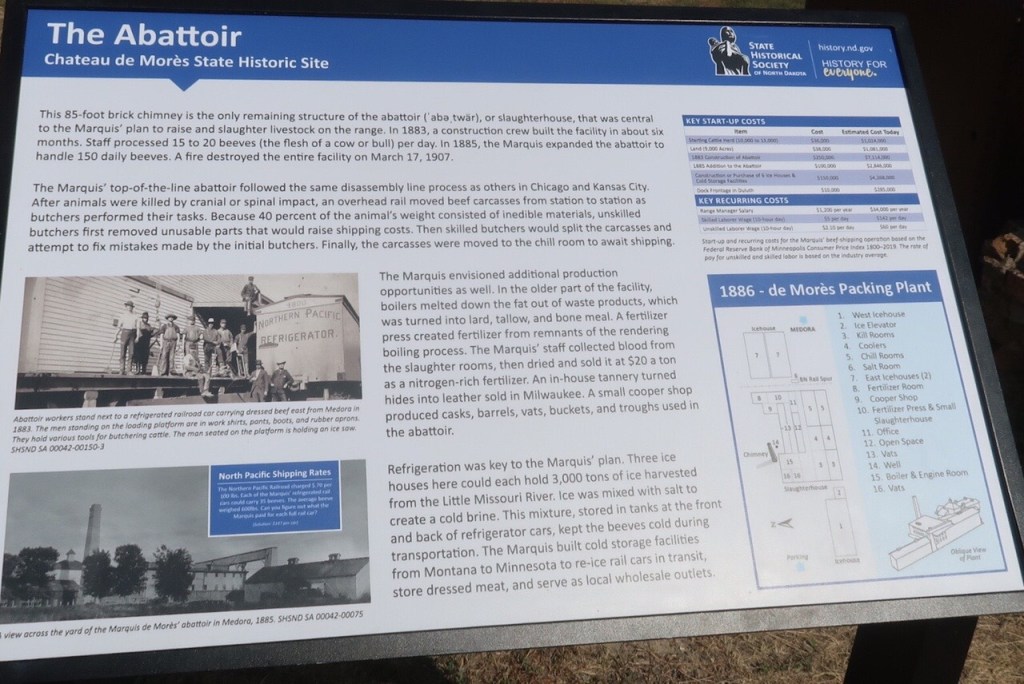
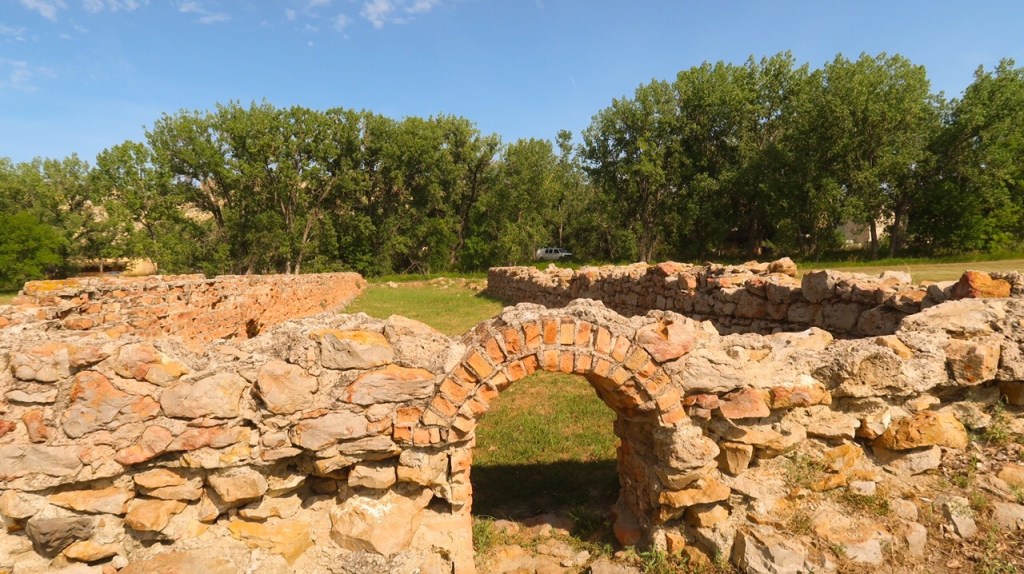
Medora is a quaint little town…population of 120….yup 120 people! It is surrounded by the Missouri National Grassland or Theodore Roosevelt National Park. Medora was founded in 1883 along the transcontinental rail line of the Northern Pacific Railway by a French nobleman Marquis de Morès who named the city after his wife Medora von Hoffman. He built a meat packing plant/slaughterhouse, or abattoir, where cattle and other livestock could be slaughtered, dressed and loaded onto refrigerated rails cars & shipped to markets in the east. All that stands now is the chimney, boiler and some foundations bricks. He built their house named the Chateau de Morès, which is now a museum.
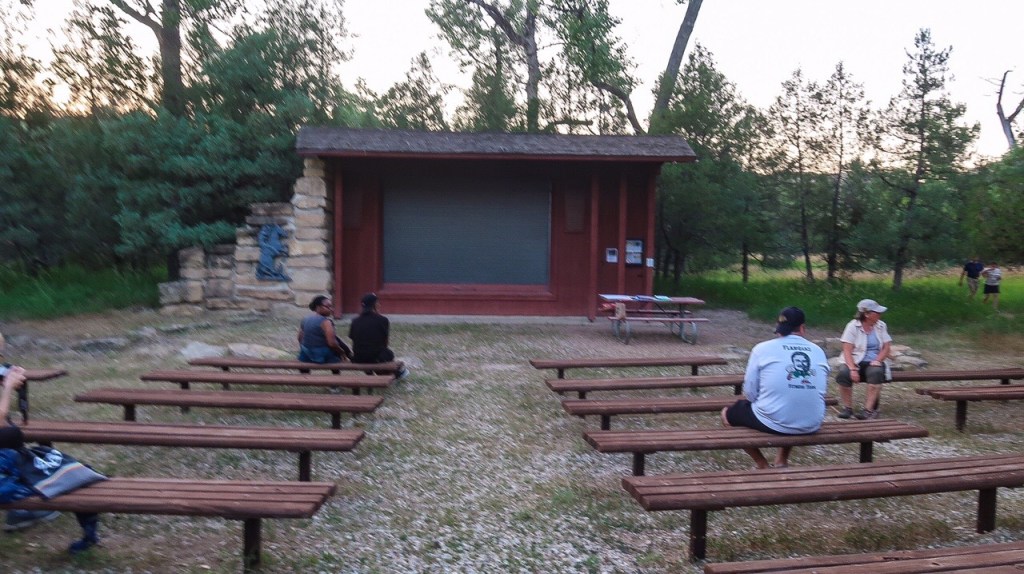
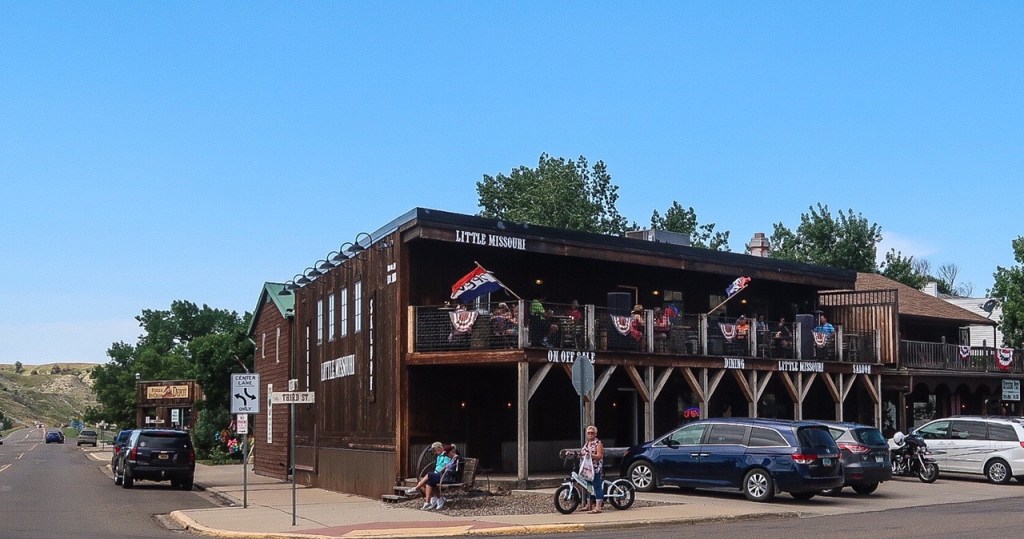
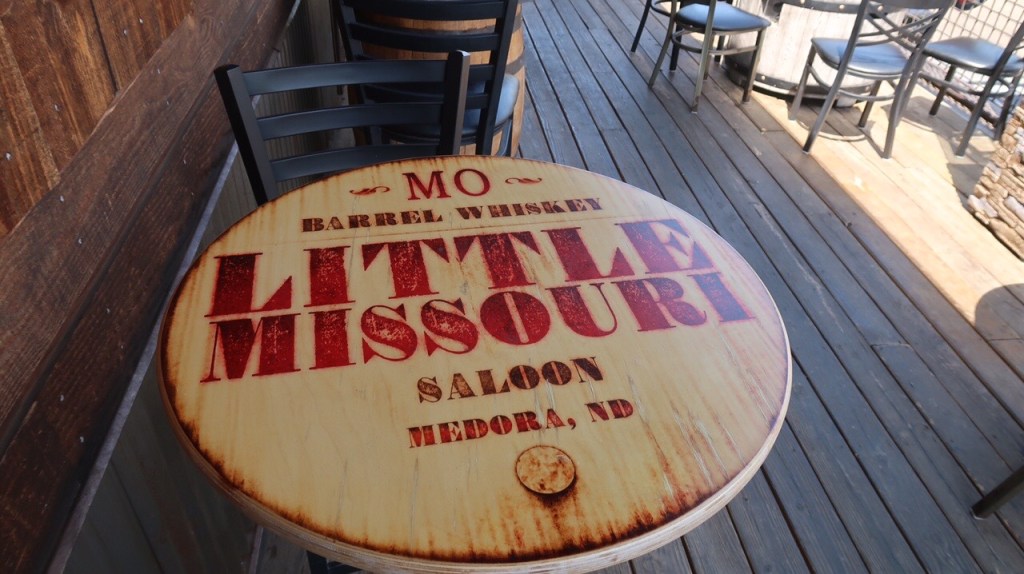
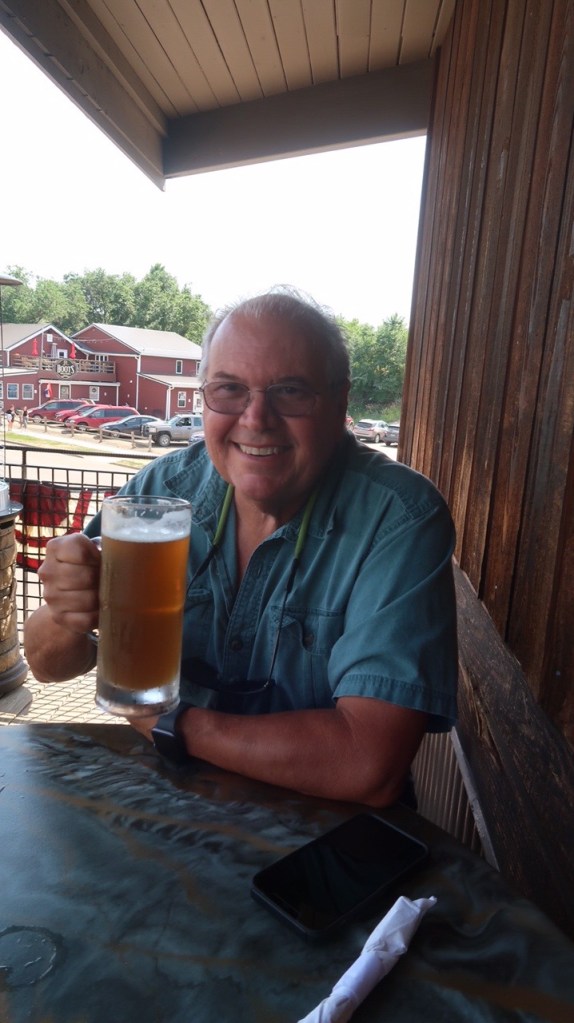
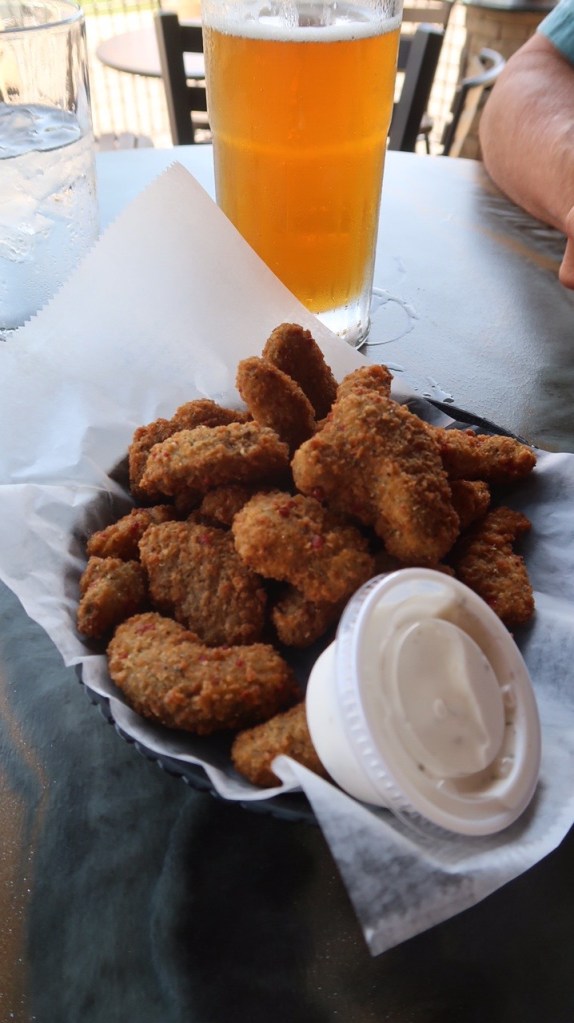
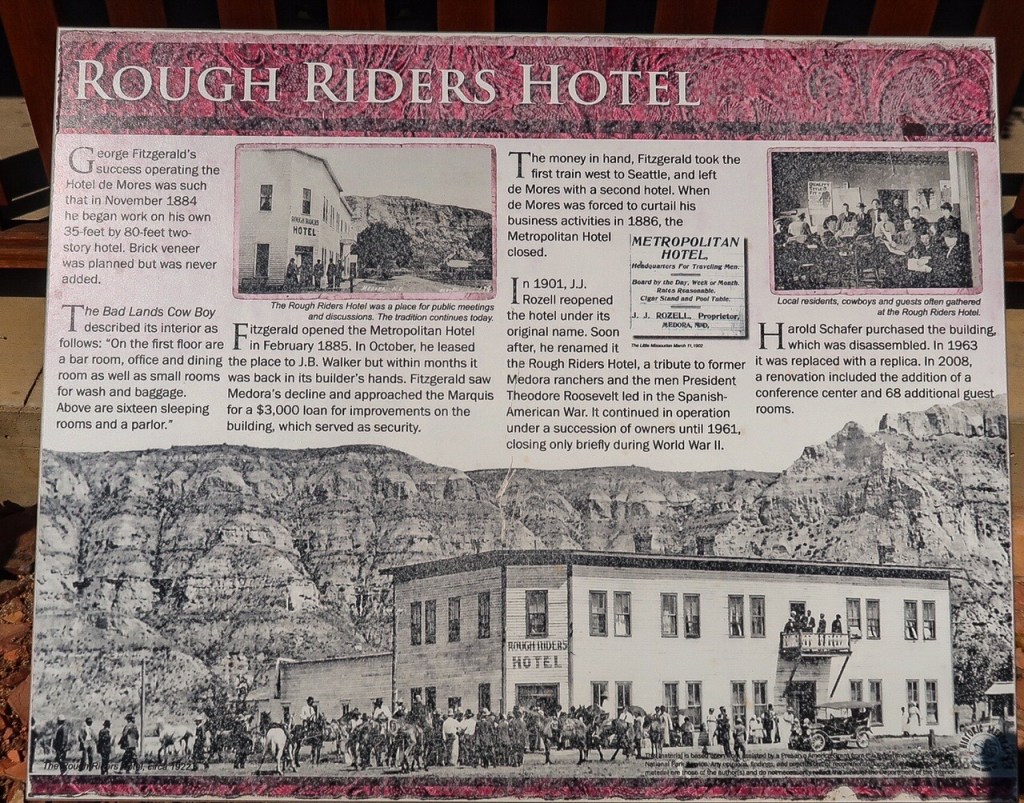
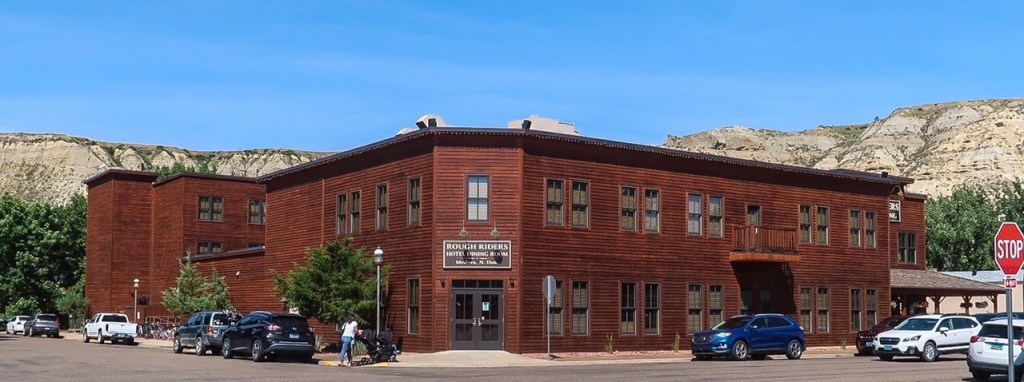
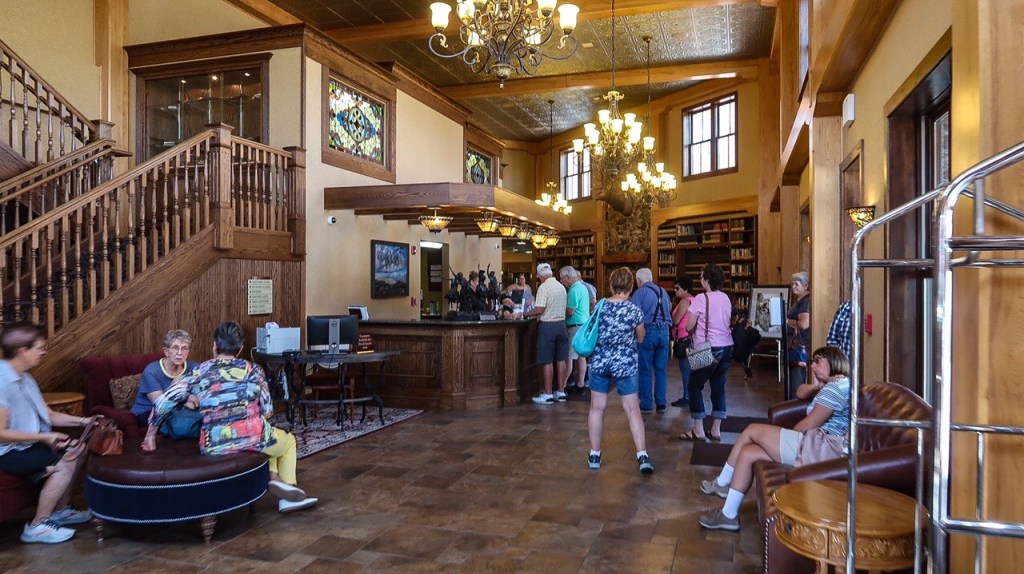
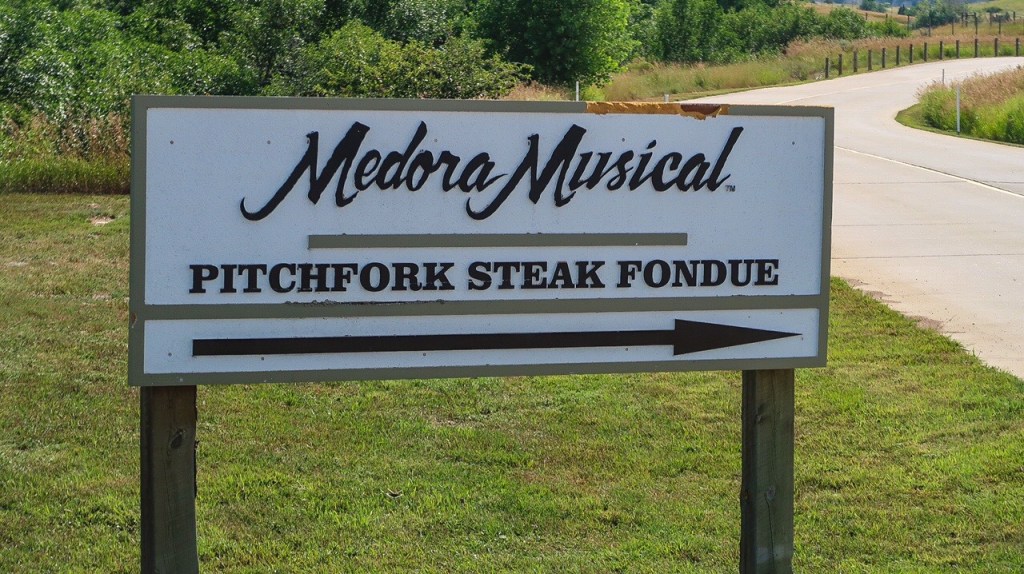
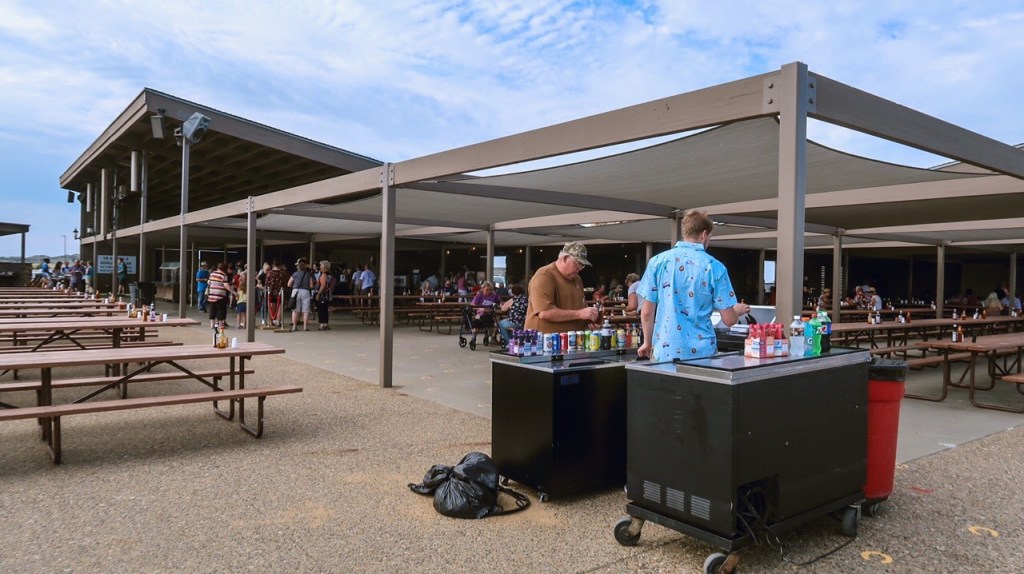
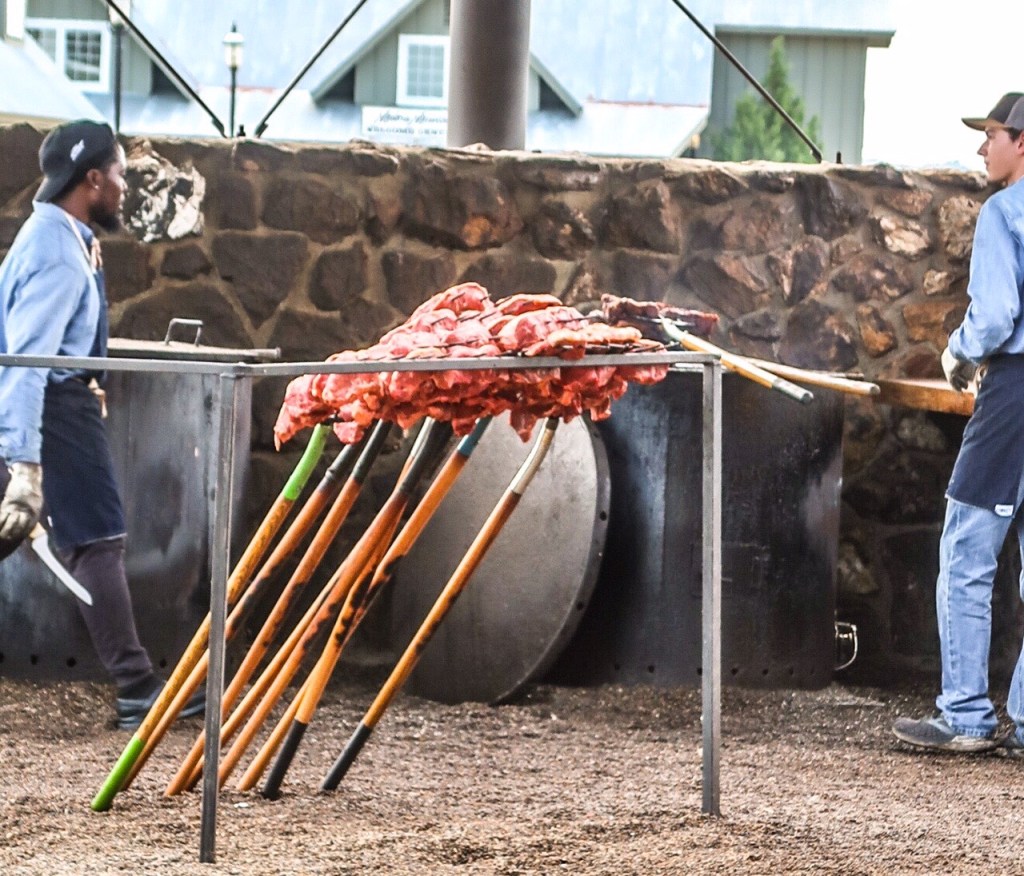
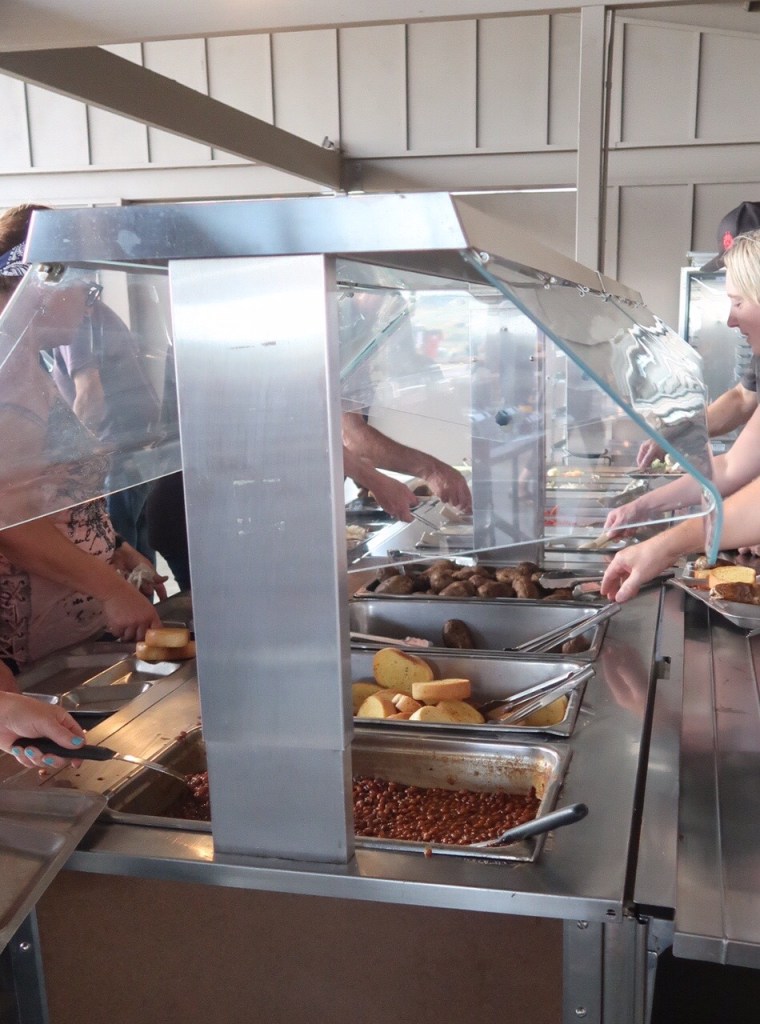
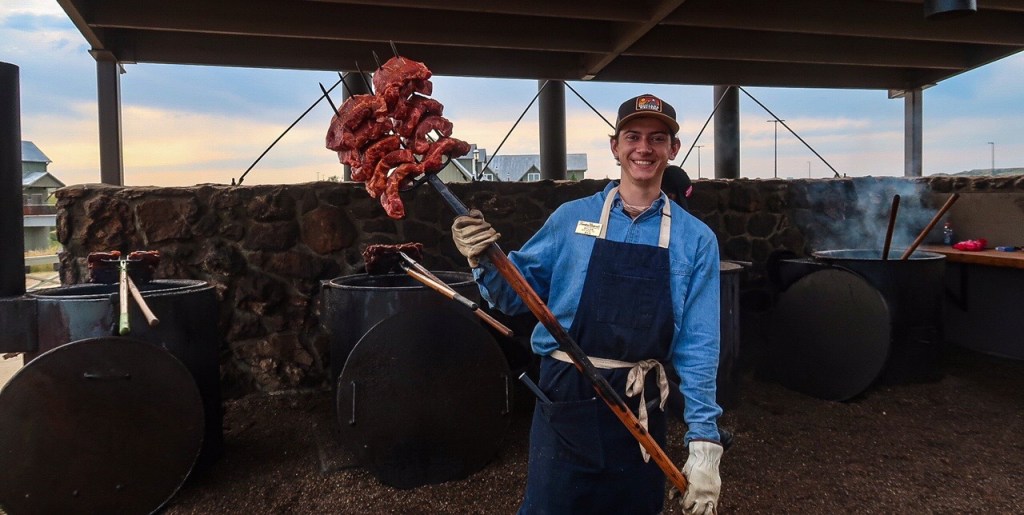
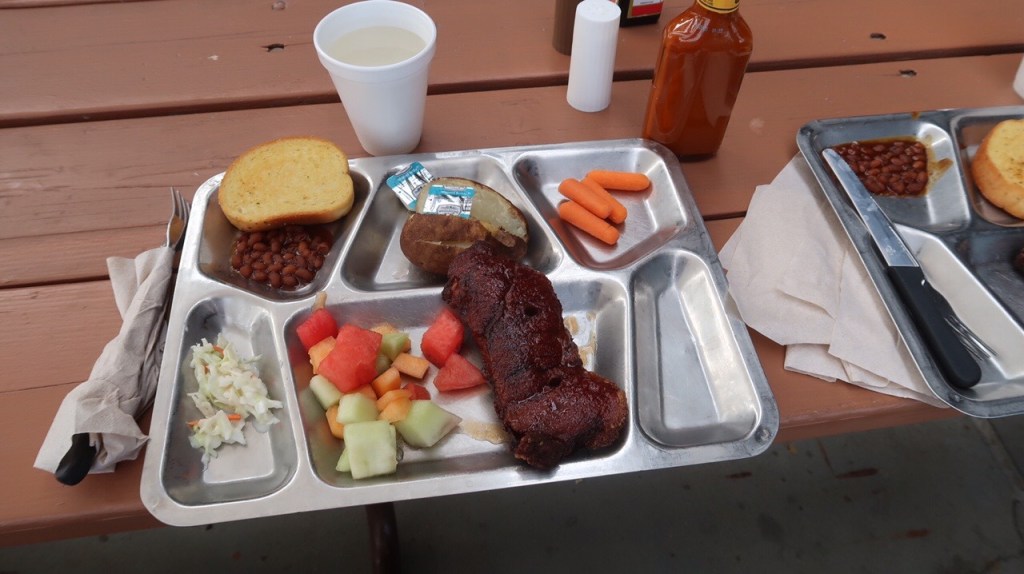
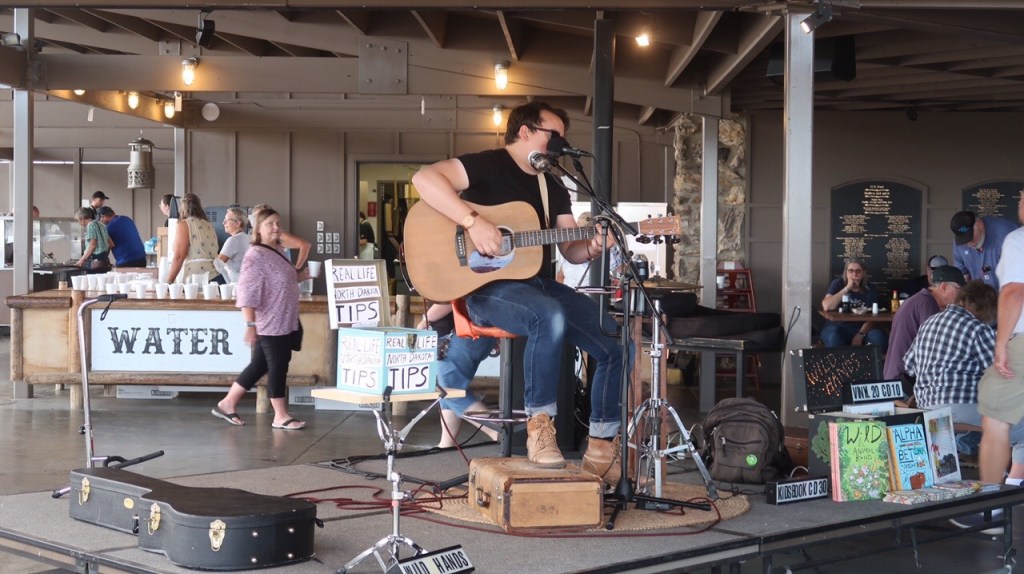
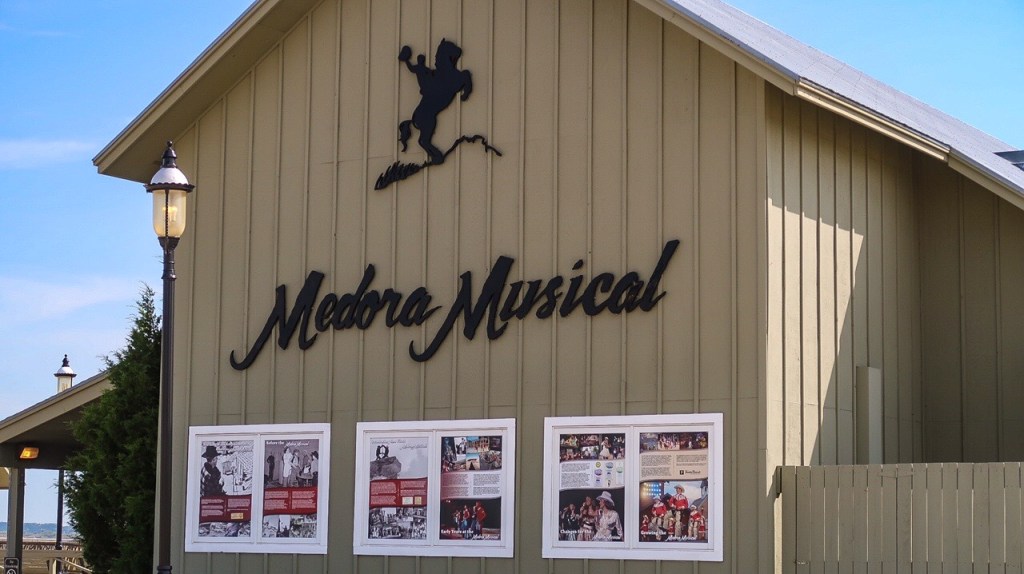
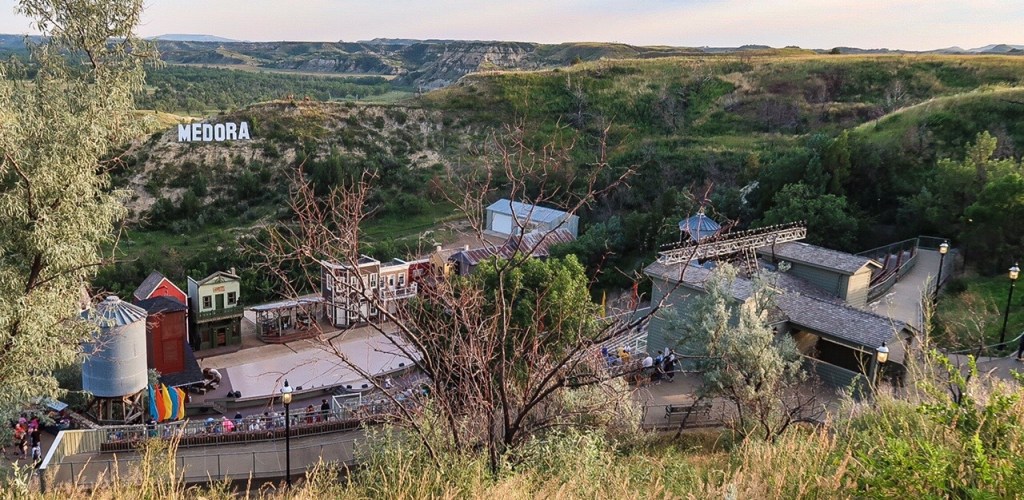
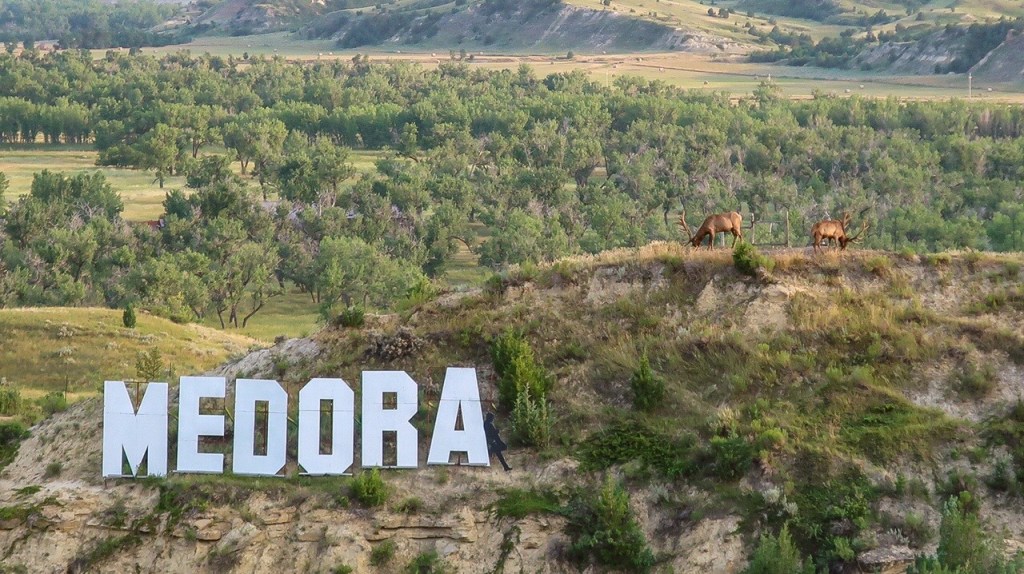
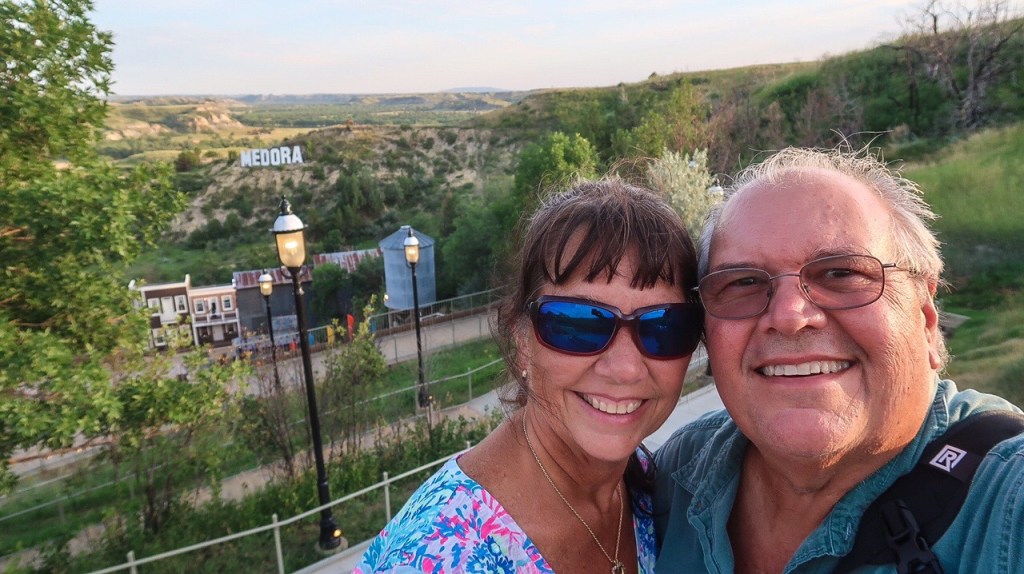
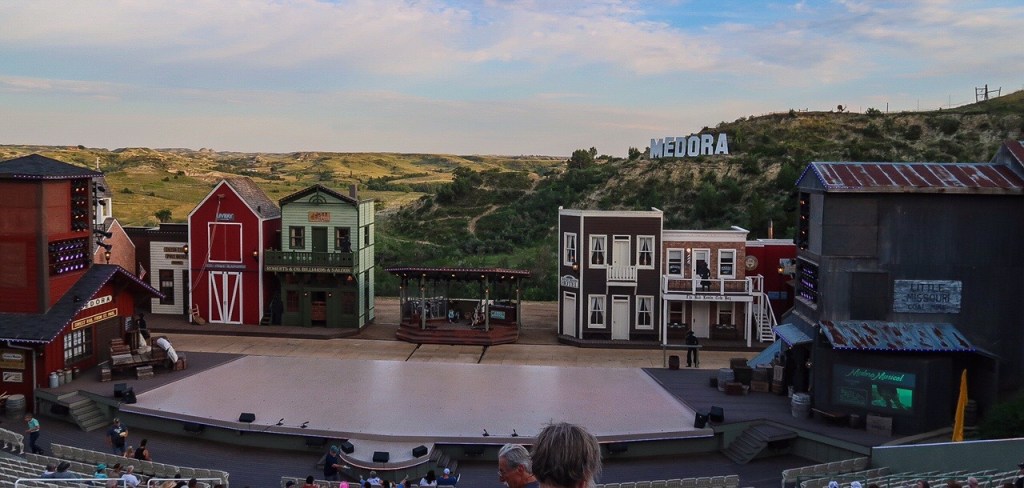
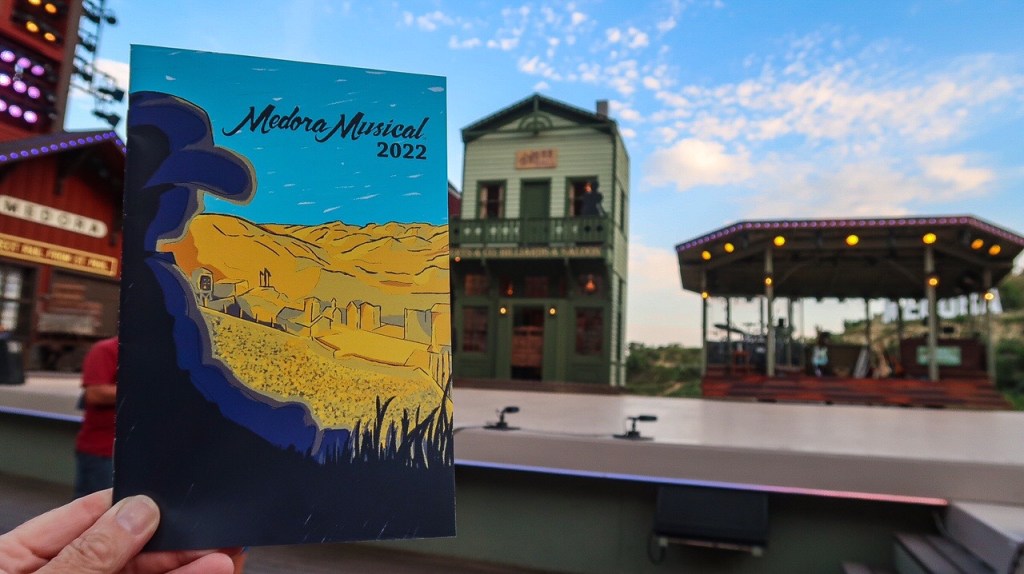
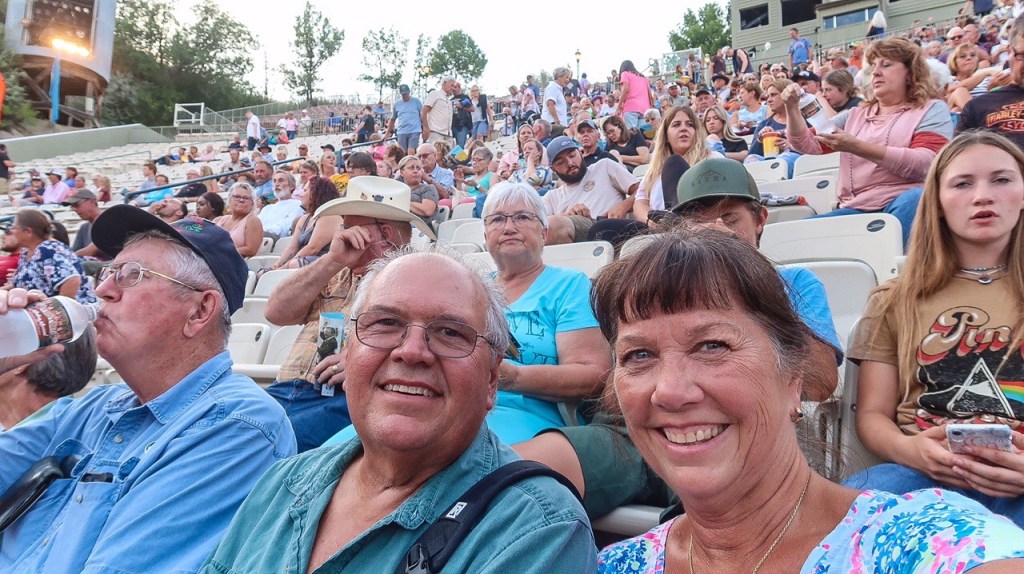
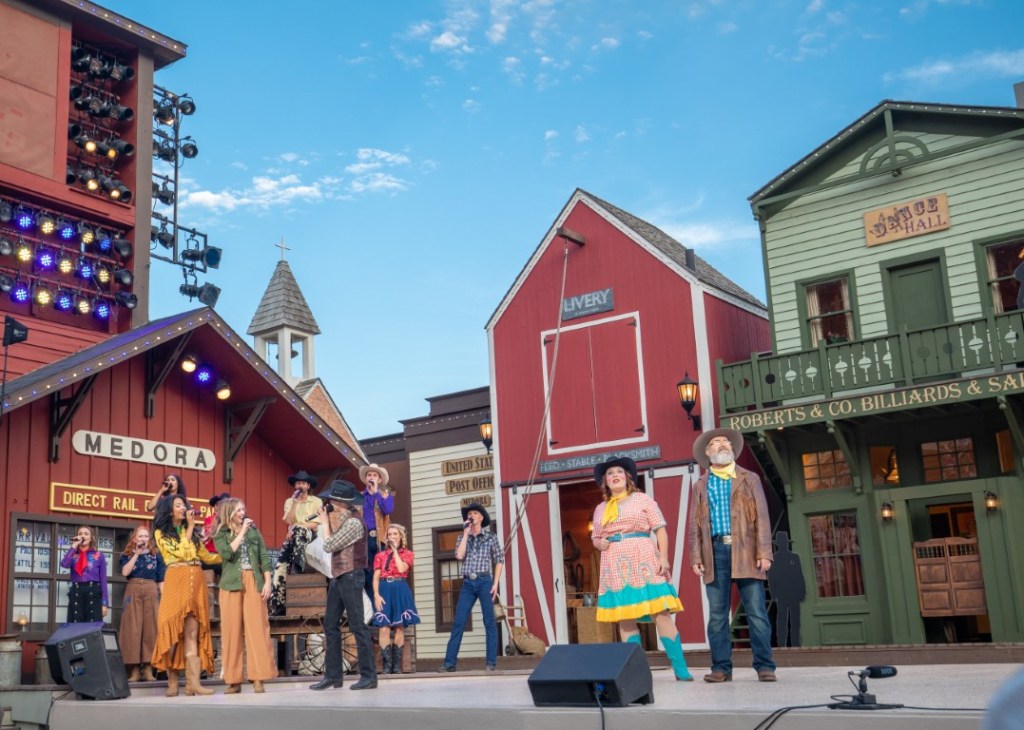
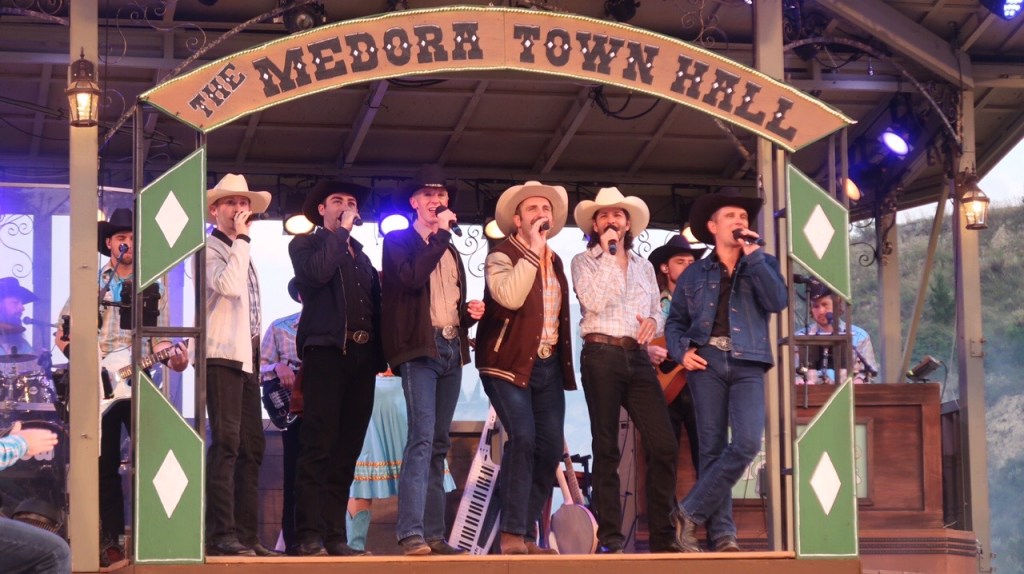
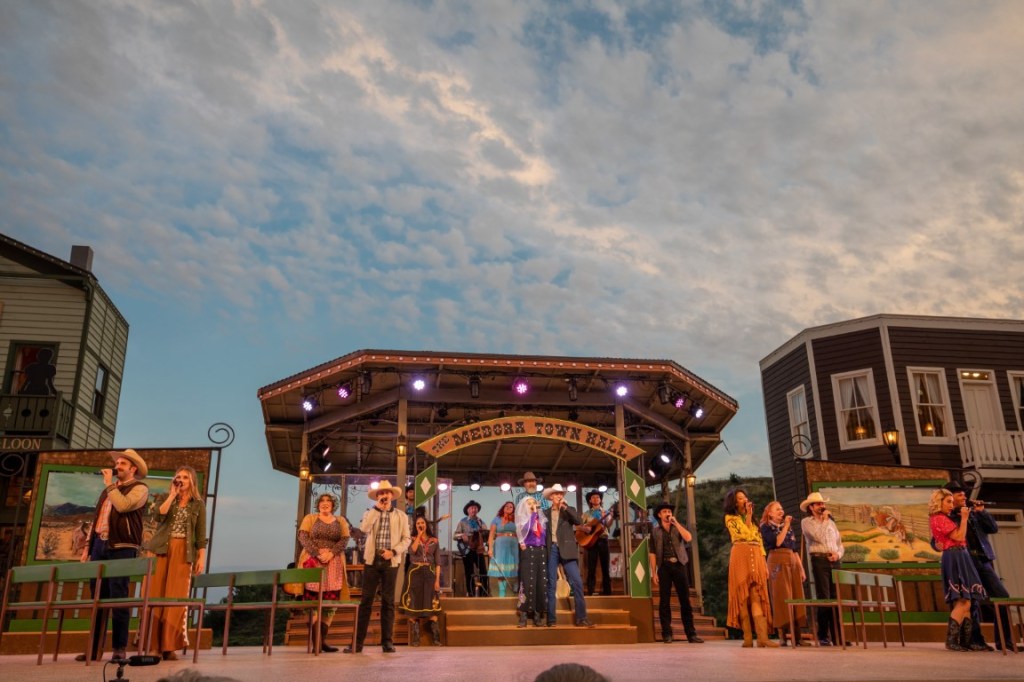
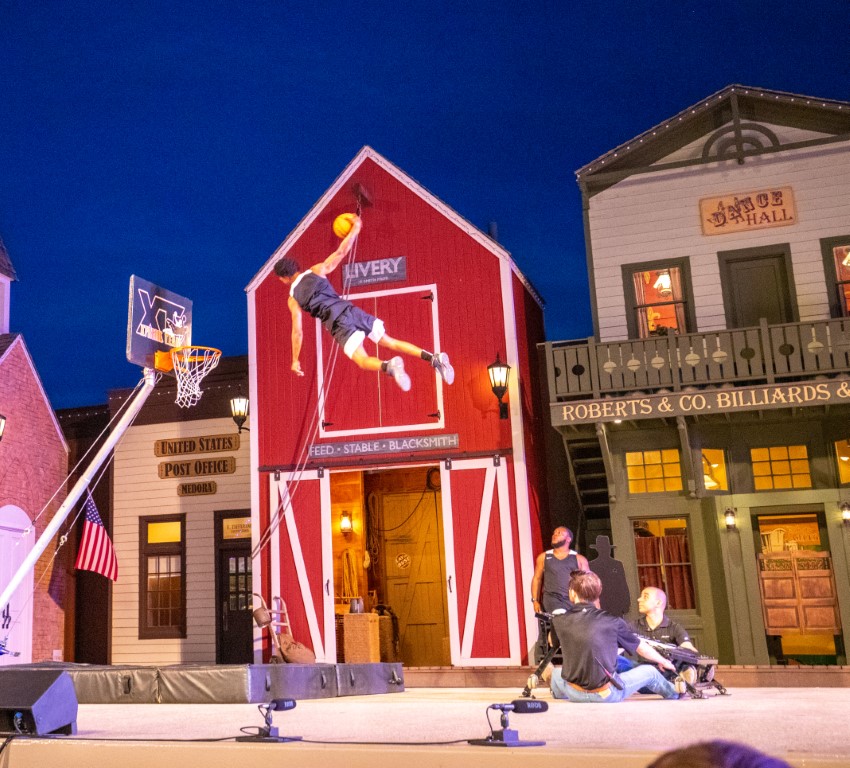
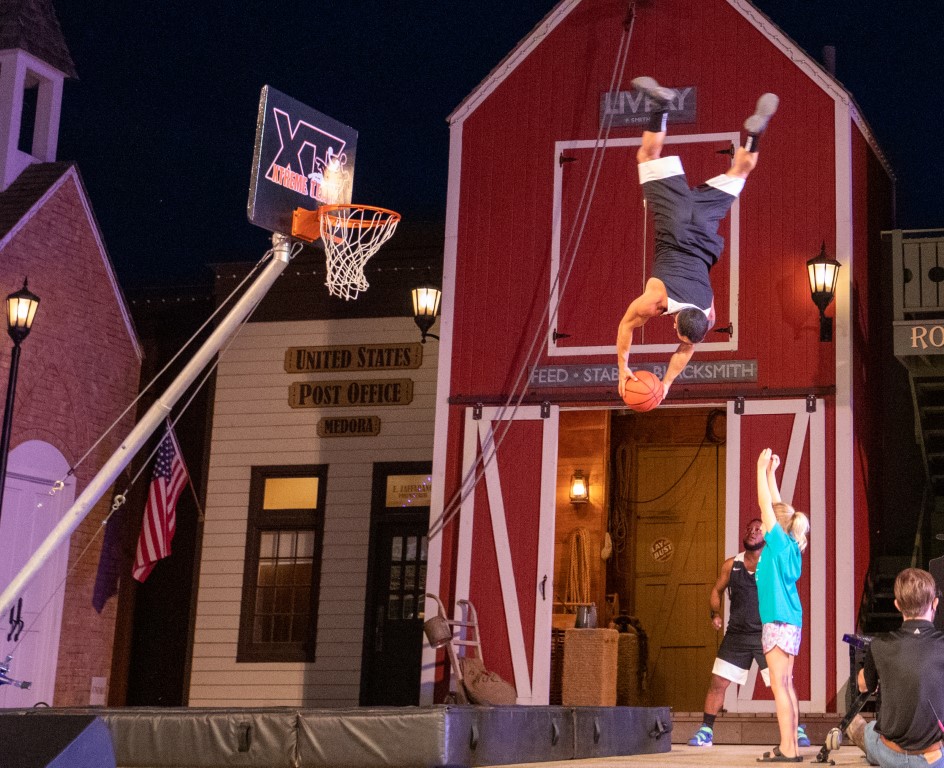
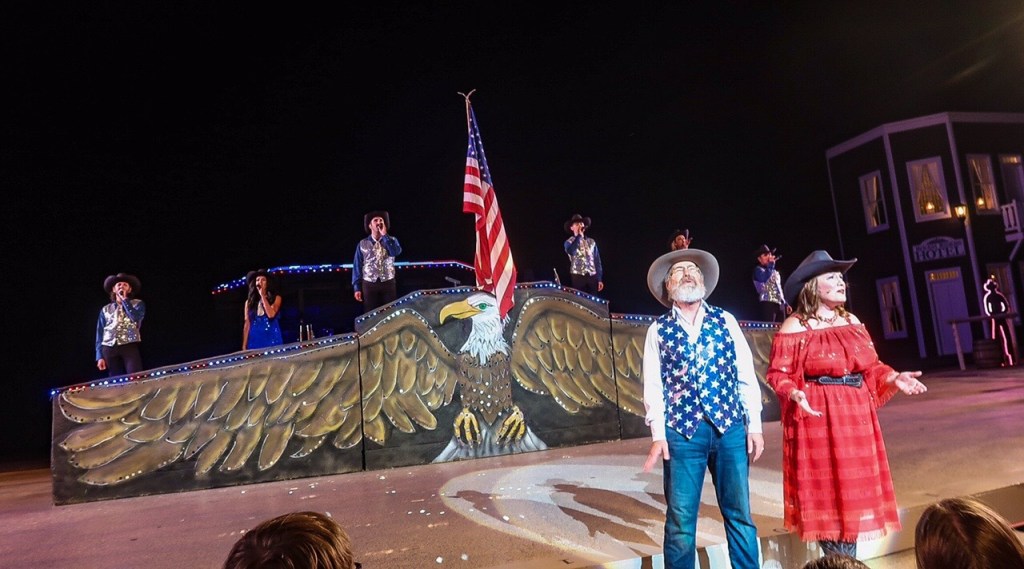
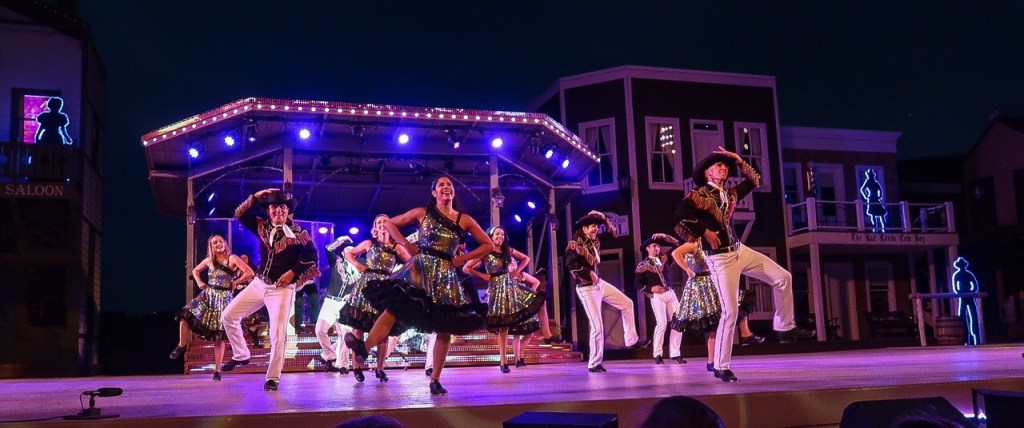
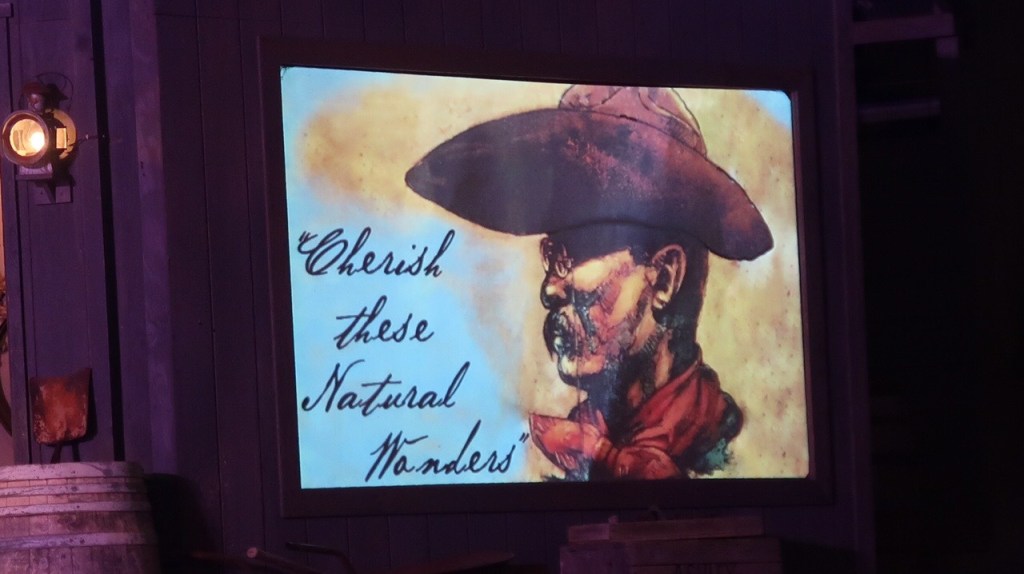
🎭🎼Also home to the popular Medora Musical, the city of Medora has become one of the most popular tourist attractions in the state. In 1965, Harold & Shelia Schafer created the Medora Musical to entertain families with a show dedicated to Theodore Roosevelt’s legacy. We ordered our tickets 3 months in advance, along with a Pitchfork Fondue Dinner. So now on day 2, we spent the day exploring the park, all the trails in our area, then had lunch in Medora at the Little Missouri Saloon! Great avocado bites and the cranberry bread made in Bismarck was phenomenal. Walked the town, in and out of shops, historic landmarks and the Rough Riders Hotel and then headed over to our dinner/ show area. Sitting on top of this mountain, a cool breeze blowing, sun-setting, a drink in hand, dinner and listening to live music…..this is living life to the fullest right here! 💗Eating steak, cooked on a pitchfork in oil was a new experience for Tim! We then walked over to where the musical amphitheater was. It was a lot of stairs down to the stage but as we looked out at the Medora sign, there were 2 elks standing on top of the mountain. Breathtaking moment. Our seats were center stage row 3 which was amazing! The performers & talented musicians put on a great show honoring Theodore Roosevelt’s life and his love for the area. Highly recommend dinner & the show if you visit the area.
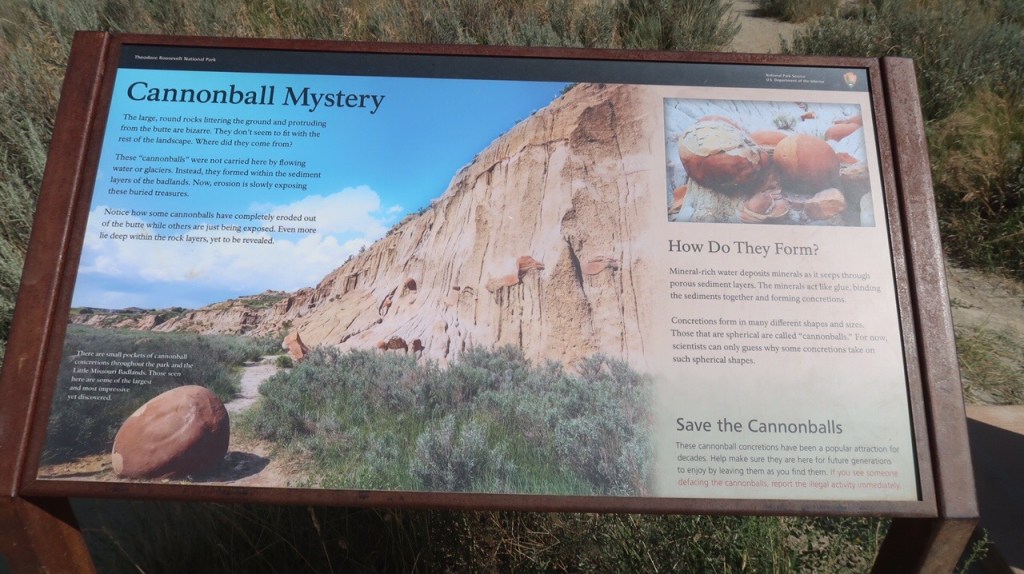
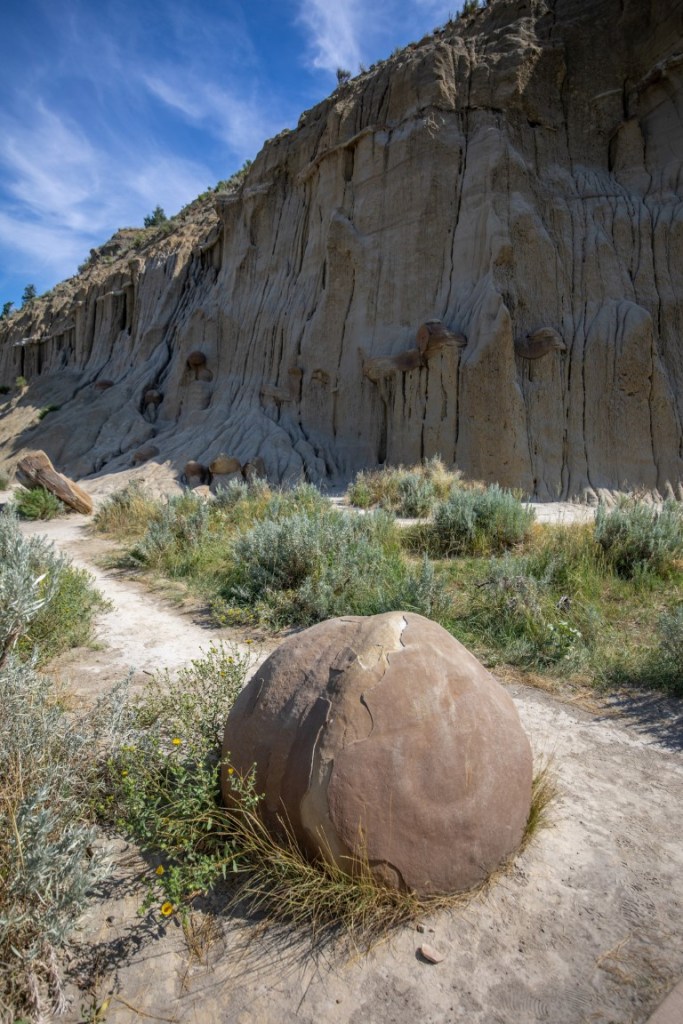
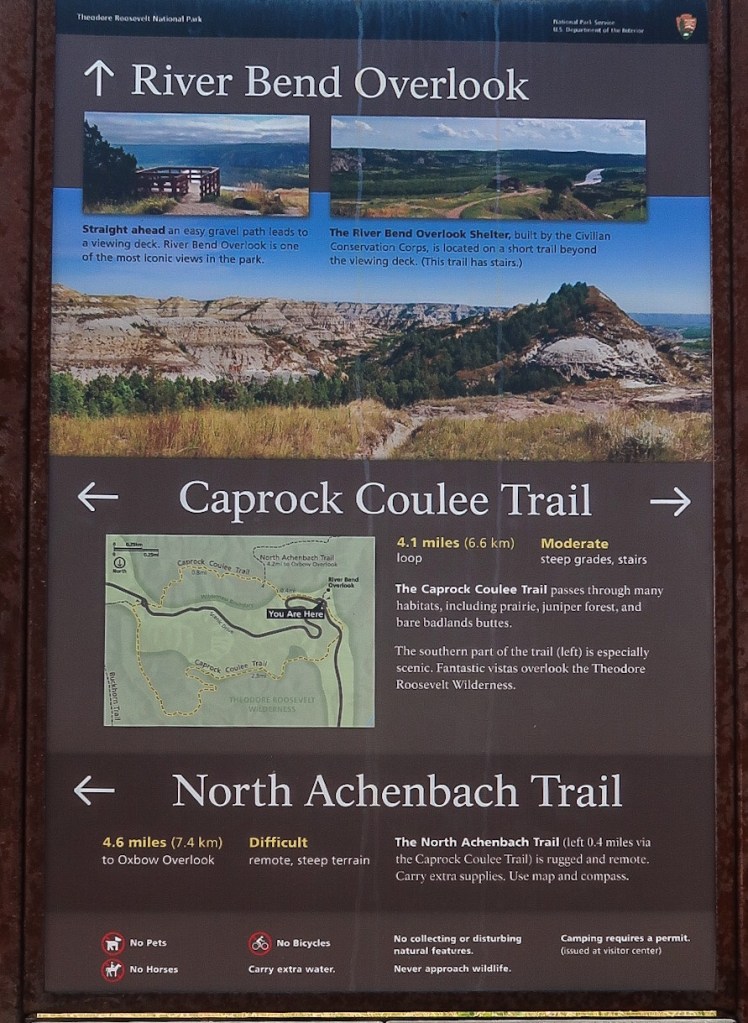
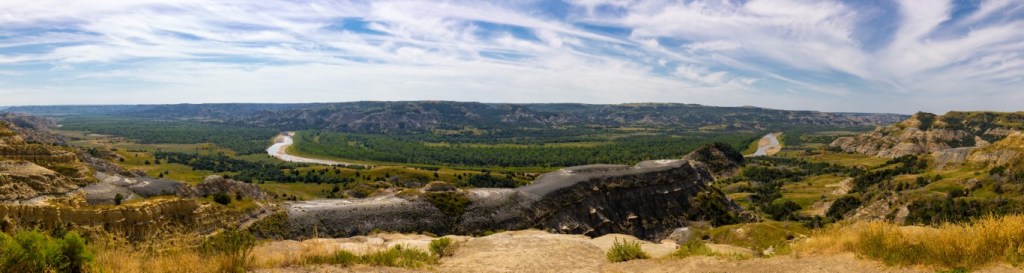
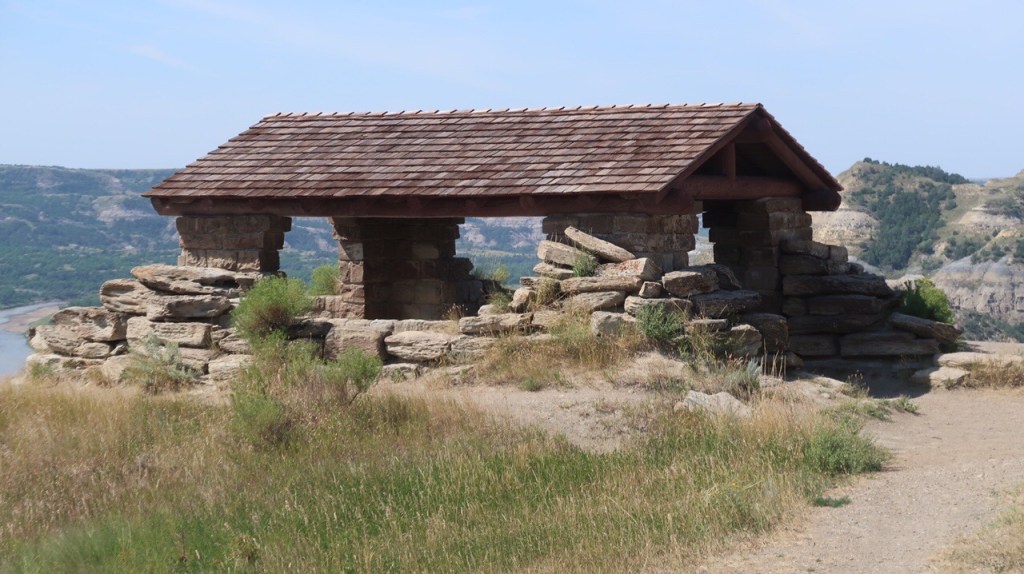
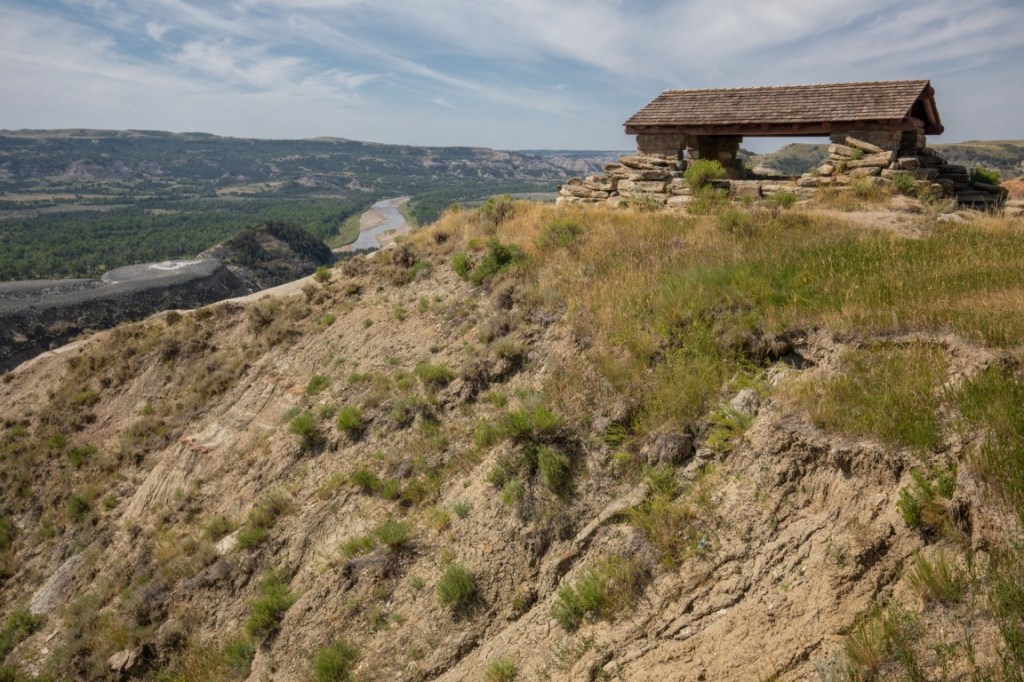
*****So on our 3rd day , we planned a full day of adventures. Starting with driving up to the North Unit part of the park. Bison all over the hills. Stopped to hike and see the Cannonball Concretions, which are round geological rocks. Stopped at all the scenic pull offs. River Bend Overlook was spectacular. We hiked out to a viewing deck, then an overlook shelter, then ending up by the edge of a cliff to see the Missouri River winding around the area and even saw a large herd of bison in the water. Beautiful clear blue skies made for a picturesque setting. At the end of the park is Oxbow Overlook to see the rim of the badlands.
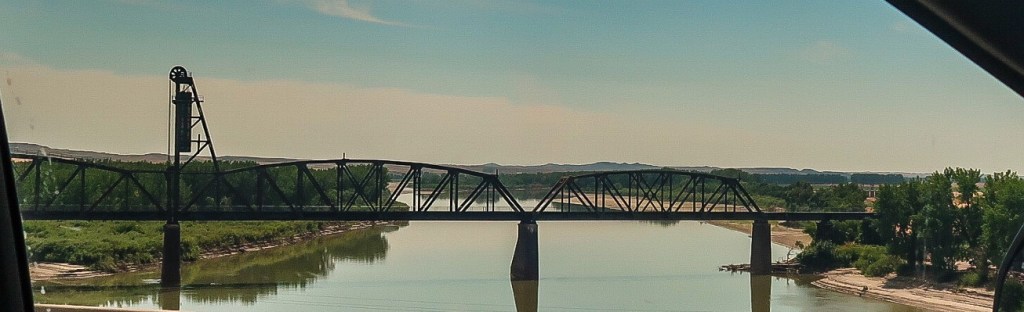
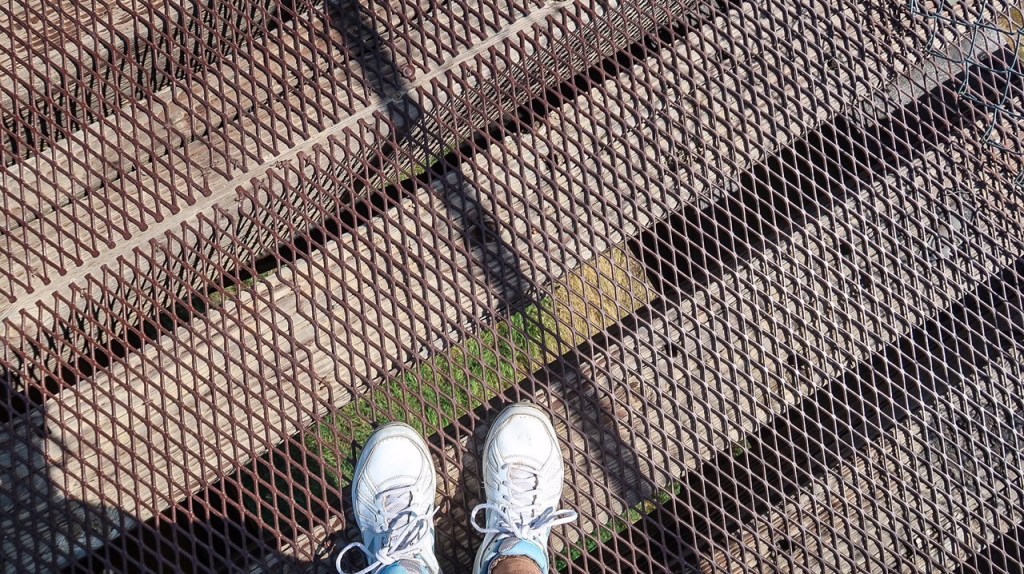
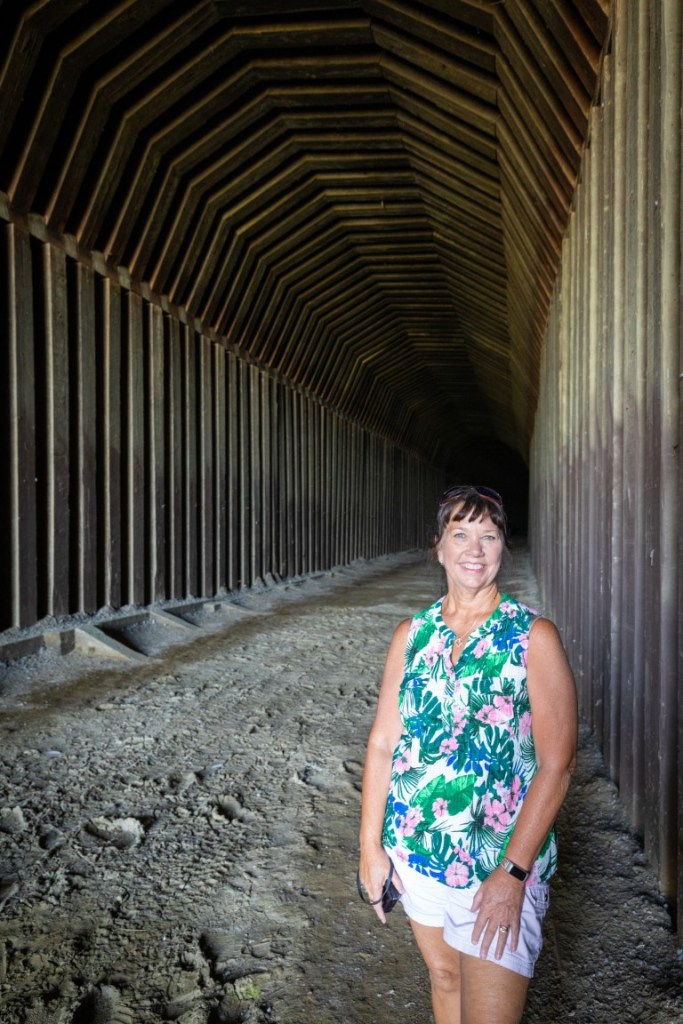
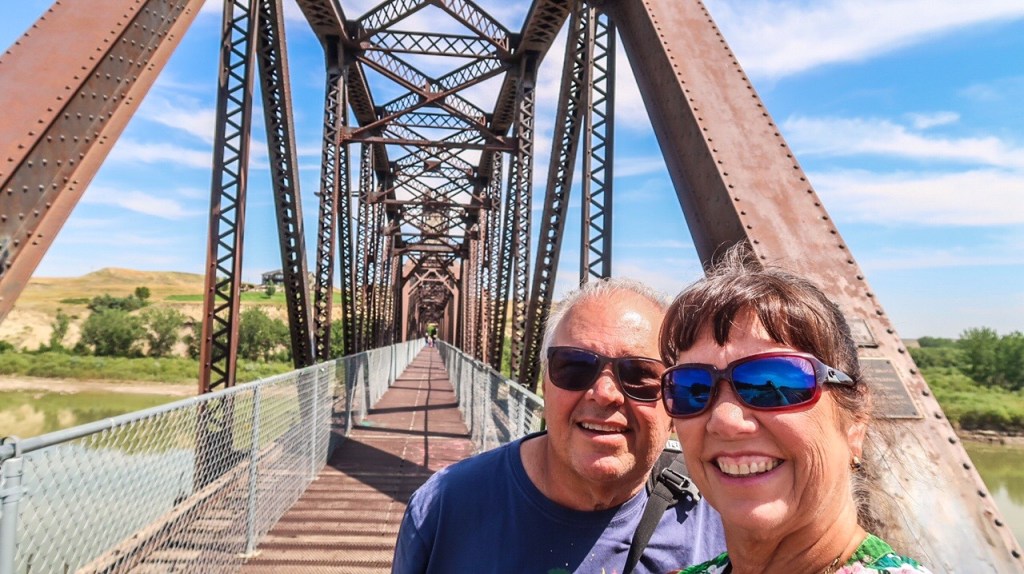
👂 As we traveled, we listened to the travel app….Autio. Kevin Costner is one of the originators and narrates some of the podcasts. We listened to one about the Fairview Lift Bridge & Tunnel and low and behold we saw the bridge to our left! So being the adventurous couple, we turned left and went up this sketch road. Yup we walked across this old bridge and into this tunnel! 😱🤷🏻♀️🙅🏻♀️🤦🏻♀️
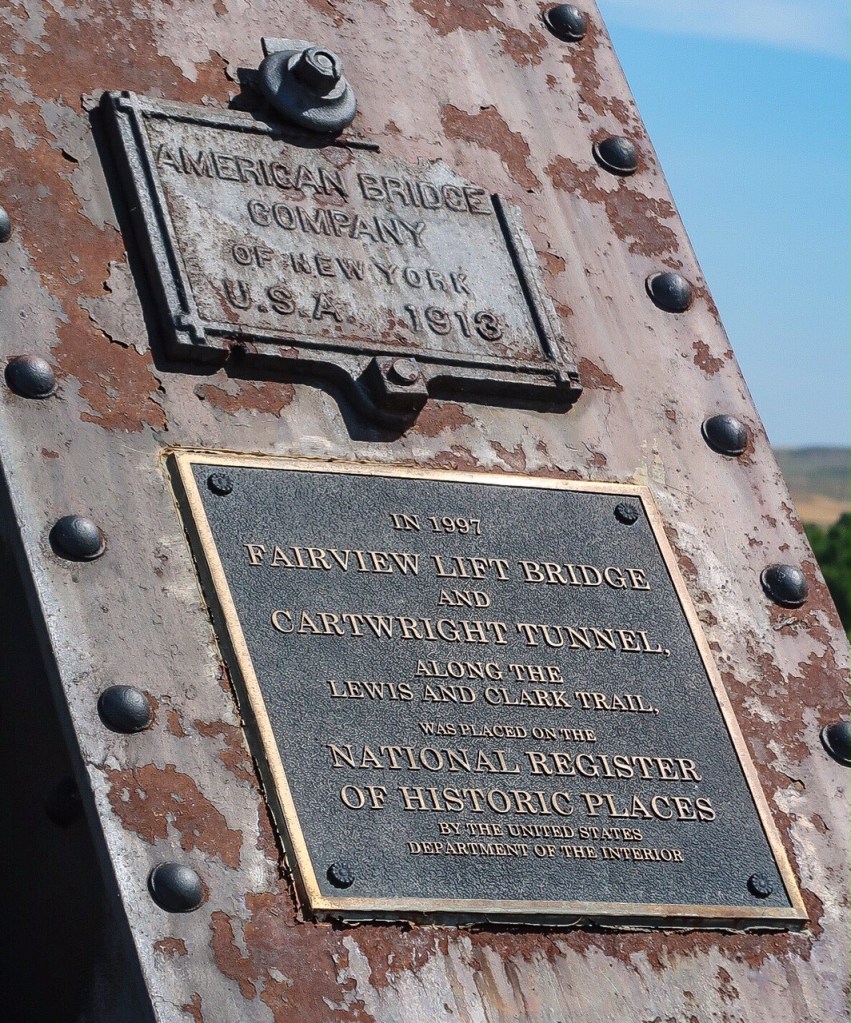
This Great Northern Railway Bridge was built in 1913 and is listed on the National Register of Historic Places in 1997. It was built over the Yellowstone River. The only time the ‘lift’ span on the Fairview Bridge over the Yellowstone River was raised was in 1914, shortly after it was constructed as part of an ambitious plan by the Great Northern Railroad for its never-completed Montana Eastern Railway.
The Fairview Bridge also has another claim to fame-it adjoins the only train tunnel in North Dakota. The 1,456 foot long tunnel was built in 1912 and 1913. Most of the digging was done by hand, although horse and mule-drawn scrapers and blasting powder were used in building the approaches. Both the Fairview Bridge and Cartwright Tunnel have been developed into a walking trail by the Fairview Chamber.
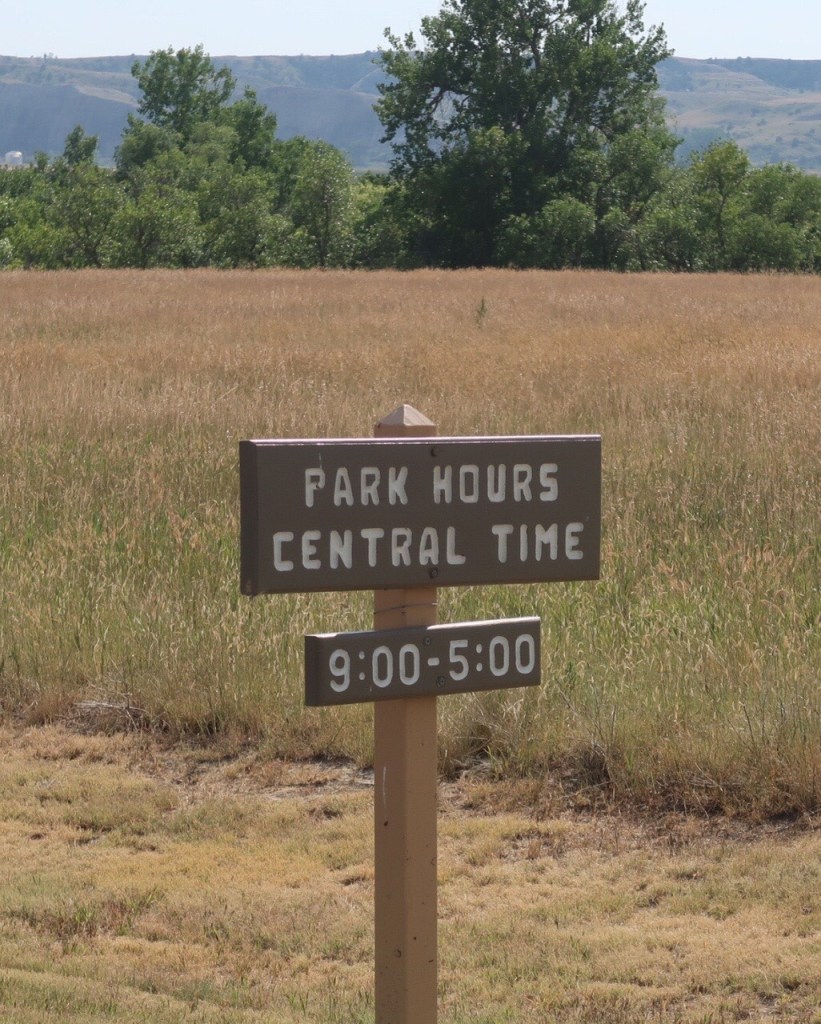
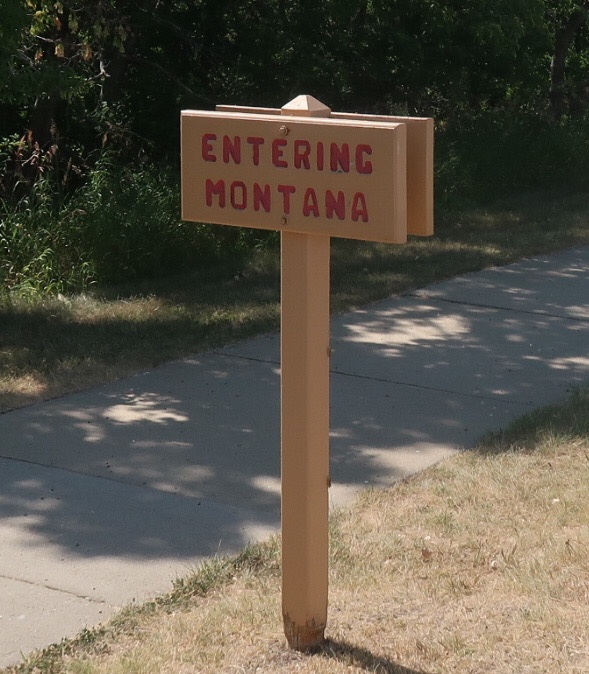
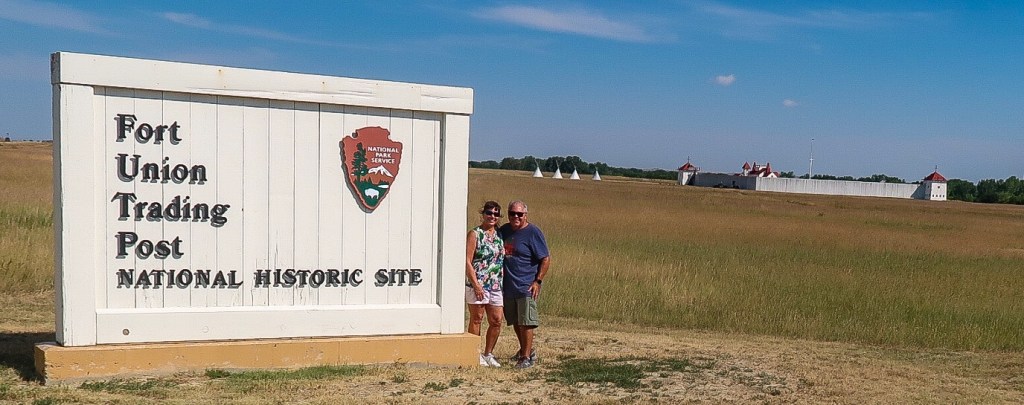
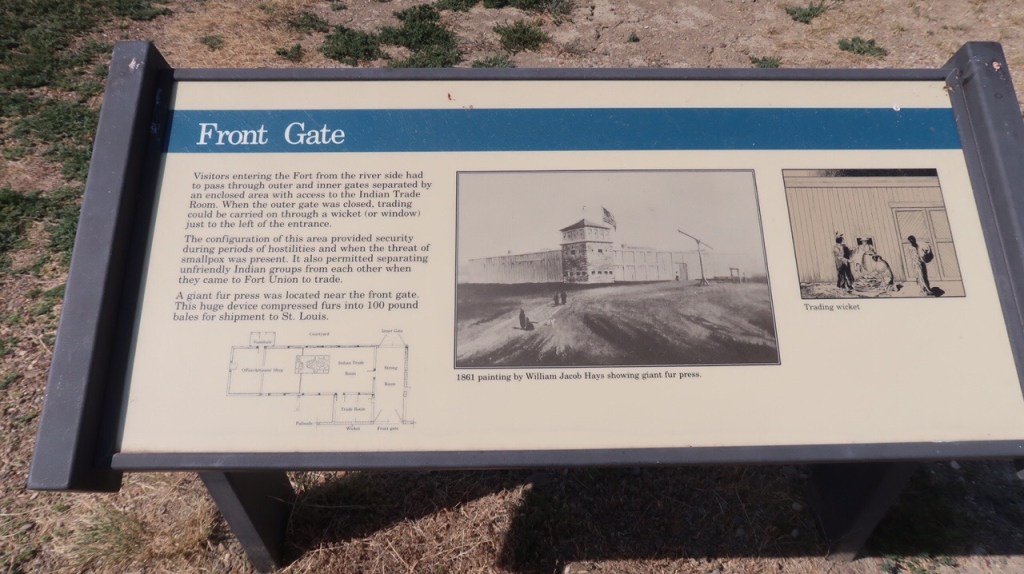
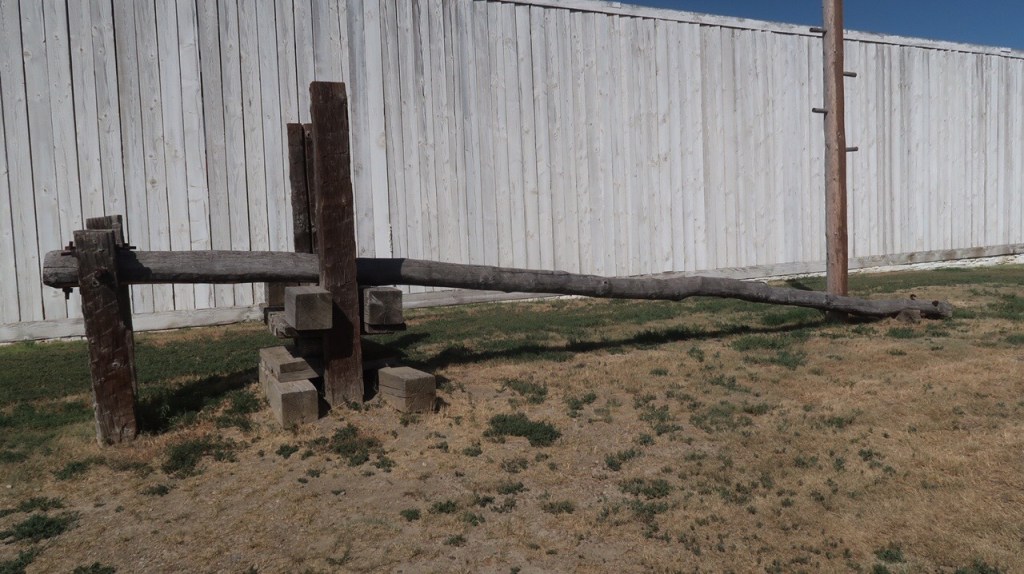
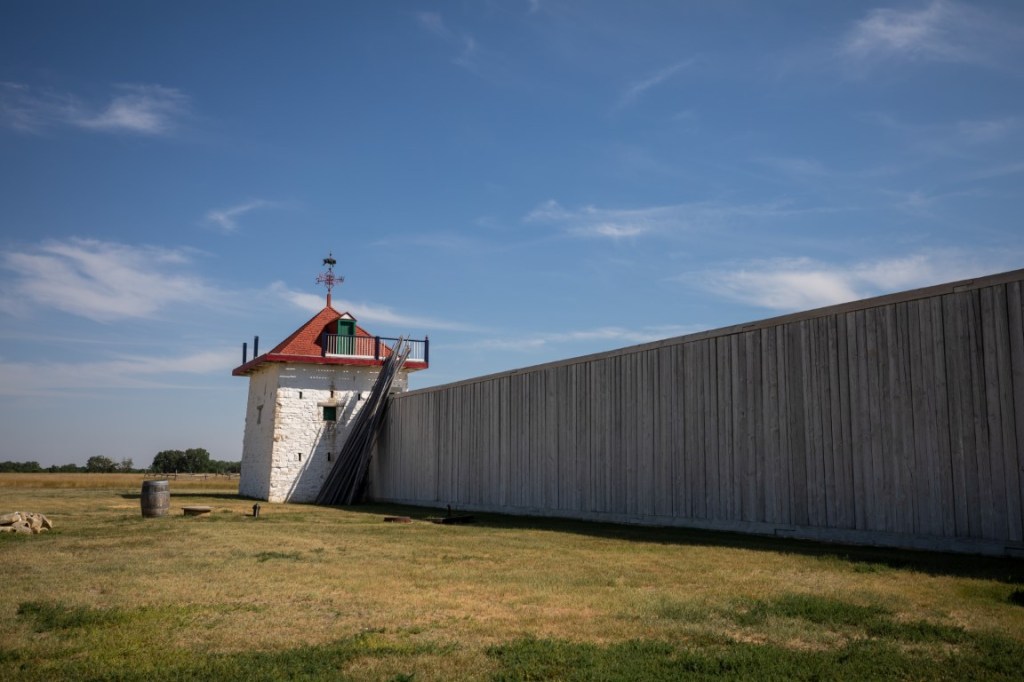
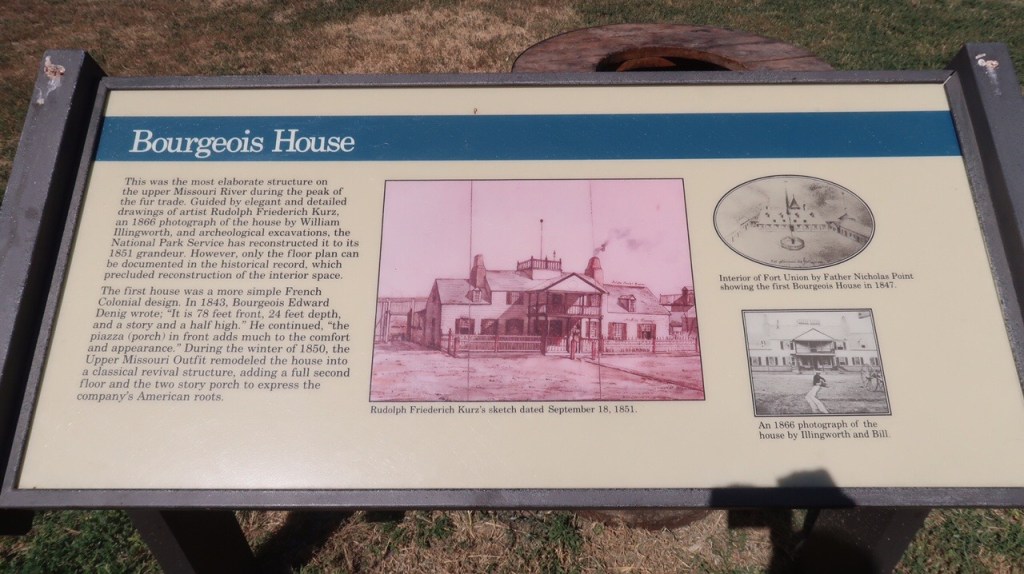
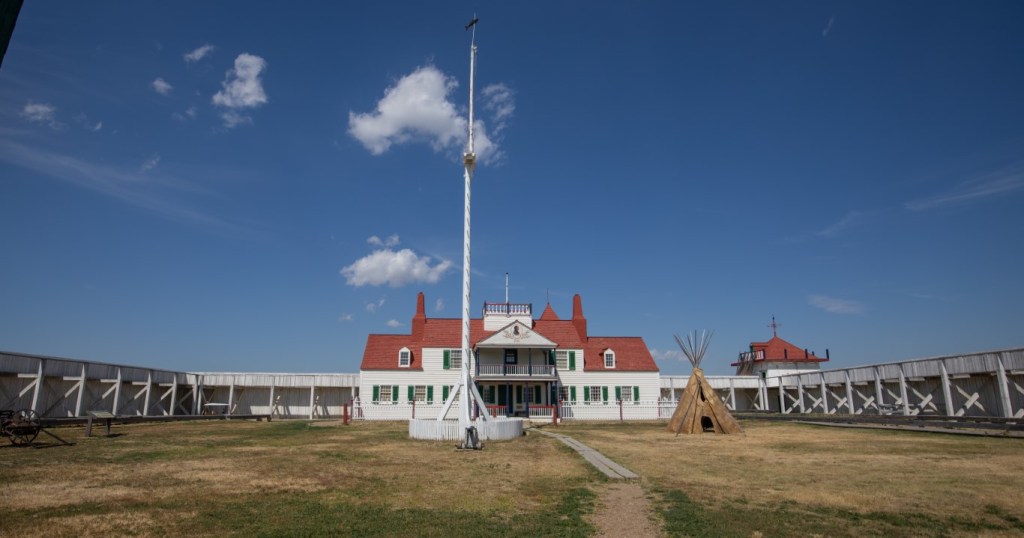
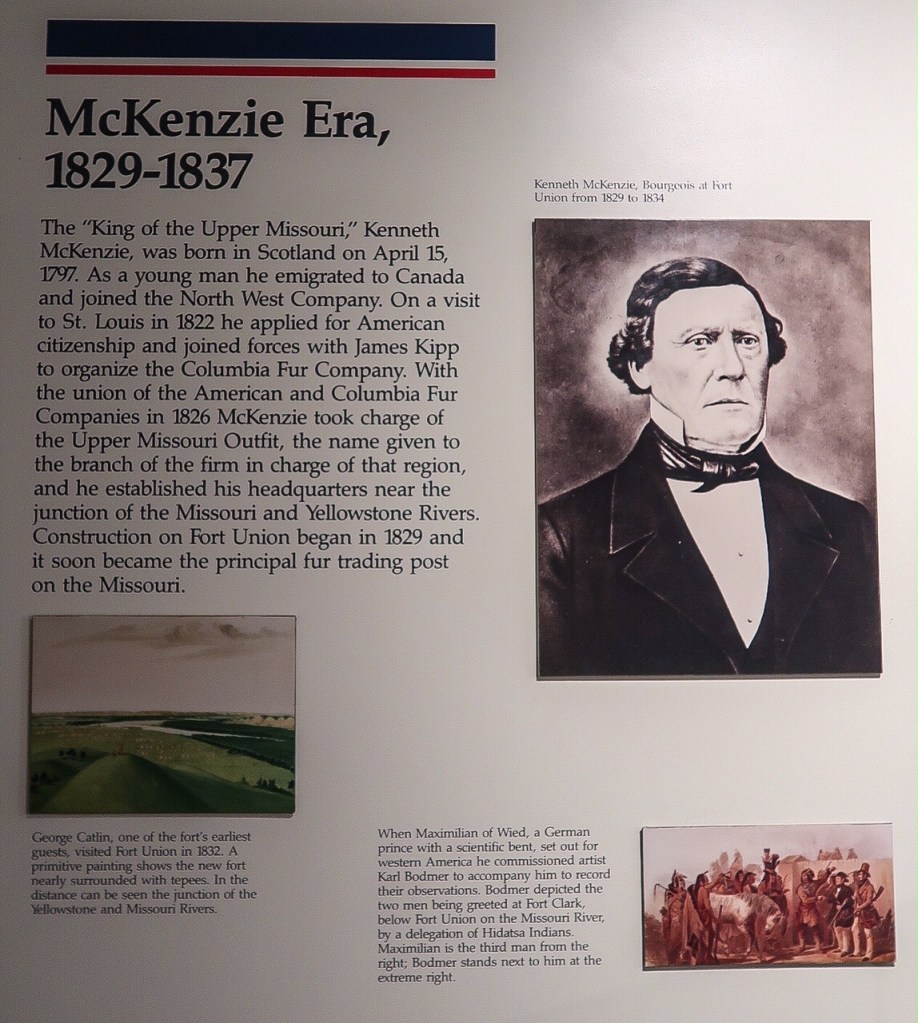
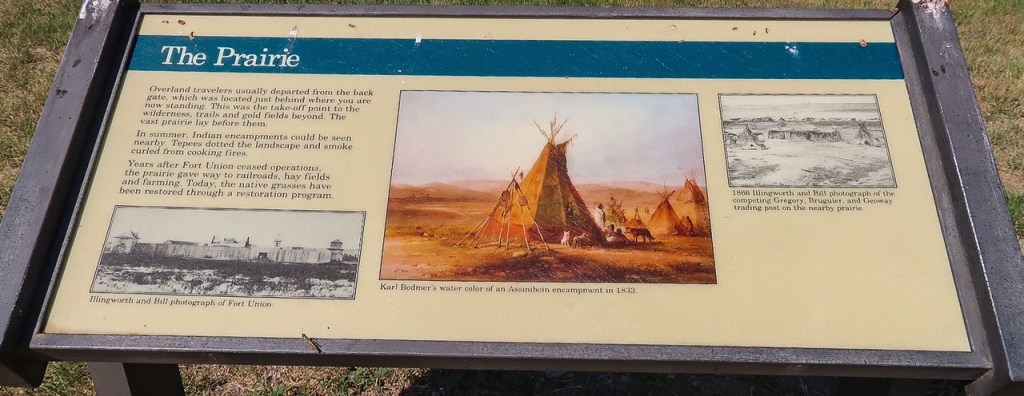
Now it’s on to our furthest most traveled destination of this trip….2400 miles from home! Fort Union Trading Post National Historic Site is a partial reconstruction of the most important fur trading post on the upper Missouri, 1829-1867. The entrance is in Montana…Mountain time, and the Fort is in North Dakota, Central time! I’m so confused ! 🤔 ⏰
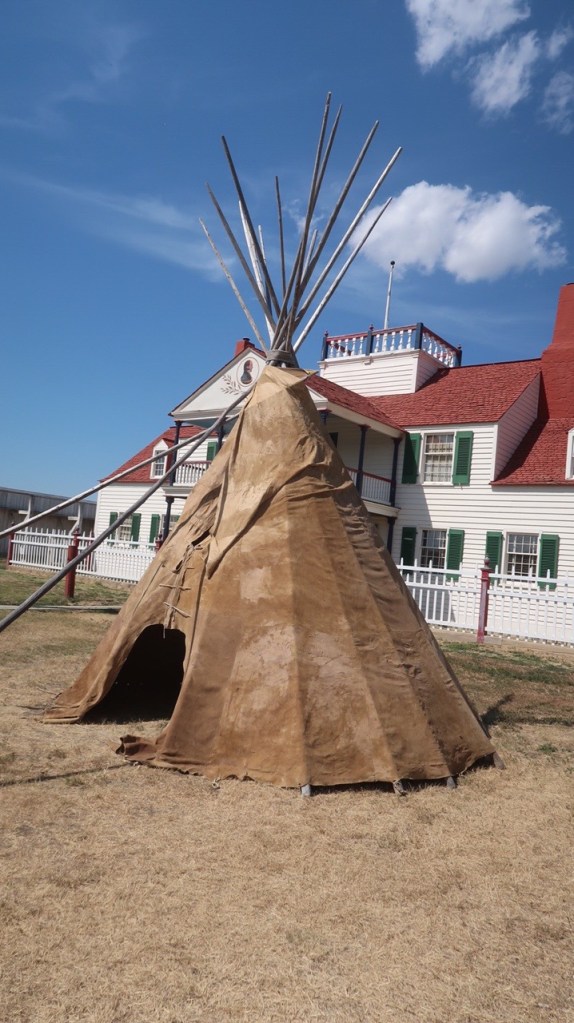
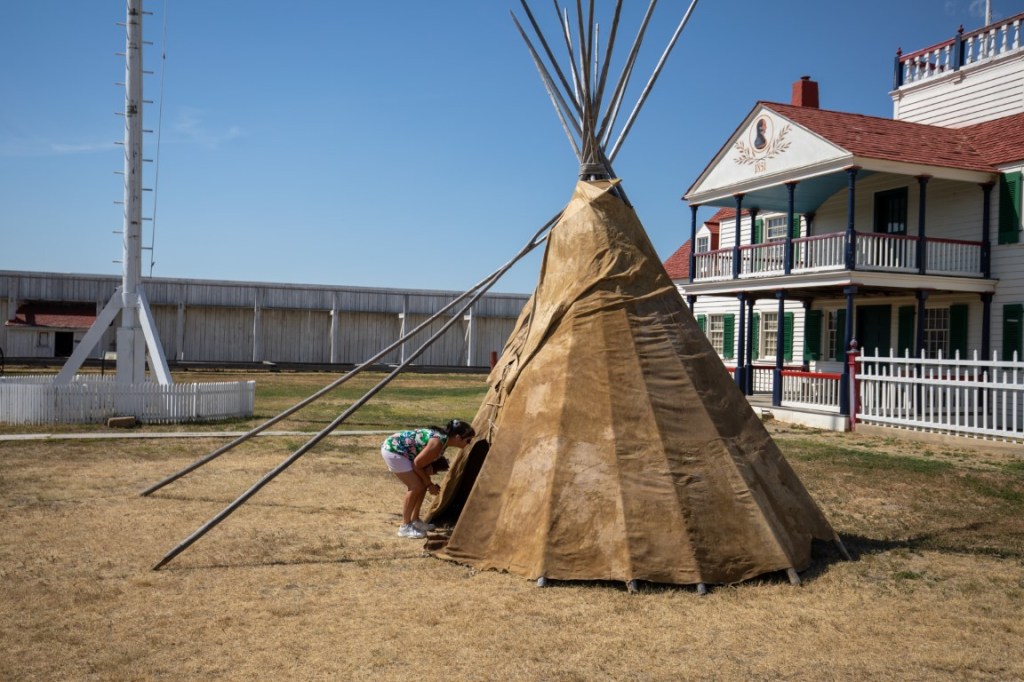
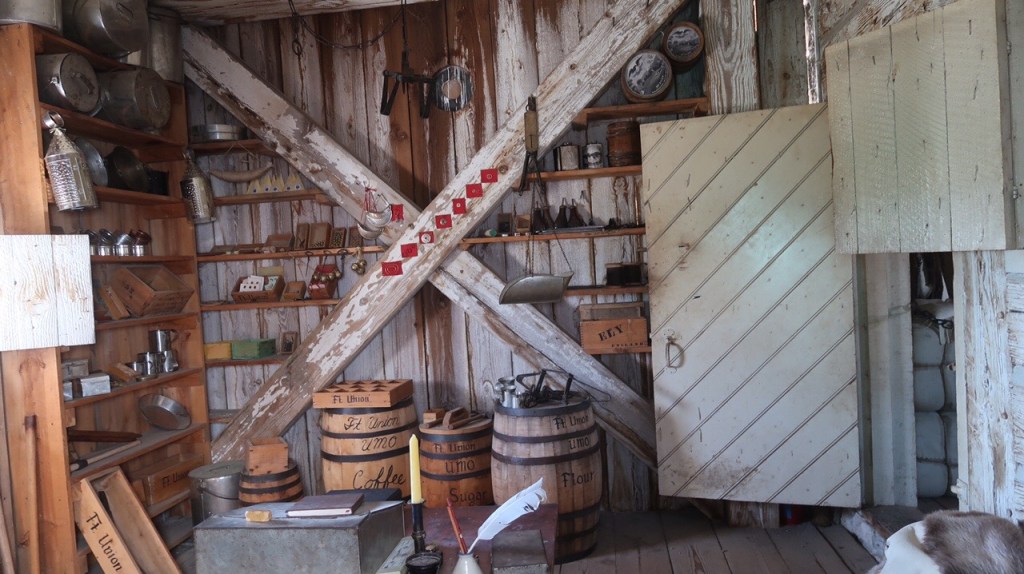
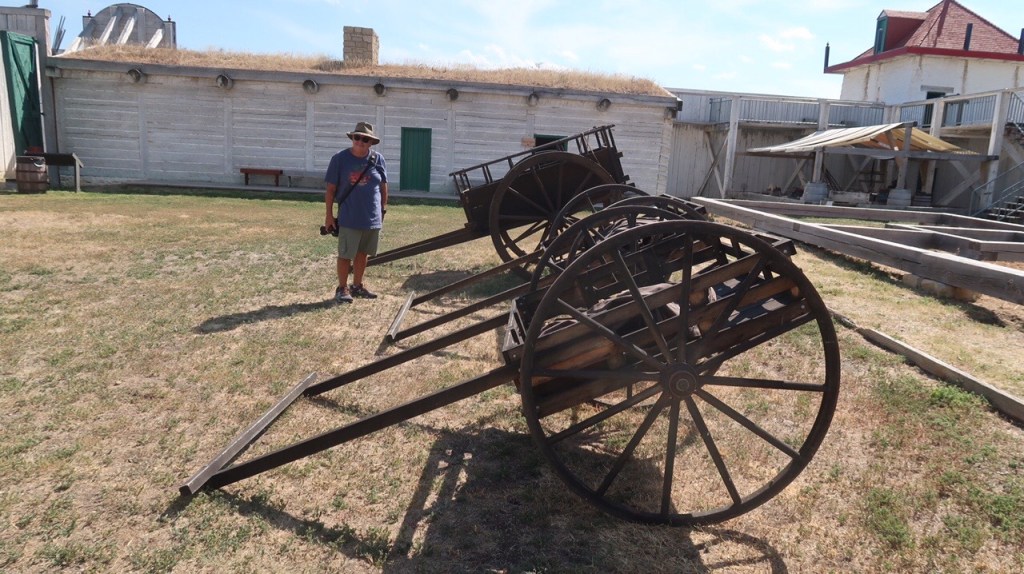
In 1961 it was declared a National Historic Landmark. The historic site interprets how portions of the fort may have looked in 1851, based on archaeological excavations and contemporary drawings.
Fort Union, possibly first known as Fort Henry or Fort Floyd, was built in 1828 or 1829 by the Upper Missouri Outfit managed by Kenneth McKenzie. Fort Union was the central, and busiest, trading post on the upper Missouri, instrumental in developing the Fur trade in Montana for 39 years. The Assiniboine, Crow, Cree,Ojibway, Hidatsa, Blackfoot, Lakota and Mandan traded Buffalo robes, animal furs, meat, corn, beans,and other materials. There was a market in manufactured beads, clay pipes, guns, blankets, knives, cookware, cloth, and alcohol.
At first, Indians traded beaver pelts for Euro-American goods because there was demand for beaver hats in the East and in Europe. During the 1830s, silk and woolen hats became more popular and demand for beaver pelts decreased. During the historical period, Fort Union served as a haven for many frontier people and contributed to economic growth on the American northwestern frontier. As headquarters for the American Fur Company, it played a primary role in the growth of the fur trade.
😋 🧺 After all this traveling, it’s time for a picnic lunch. I enjoyed our turkey & cheese lettuce wraps and a bottle of wine! Now off to explore Montana. First stop Lakeview for a bathroom and Diet Coke! 🥤 This small town sits in the foothills of the Continental Divide in the breathtaking Centennial Valley ninety miles southeast of Dillon. Established in 1935 to protect the winter habitat of the rare trumpeter swan, 🦢 the Red Rock Lakes National Wildlife Refuge is a haven for bird watchers and photographers alike as the rugged Centennial Mountains provide a stunning backdrop for viewing the over 200 species of birds that call the refuge home. Who knew! 😂
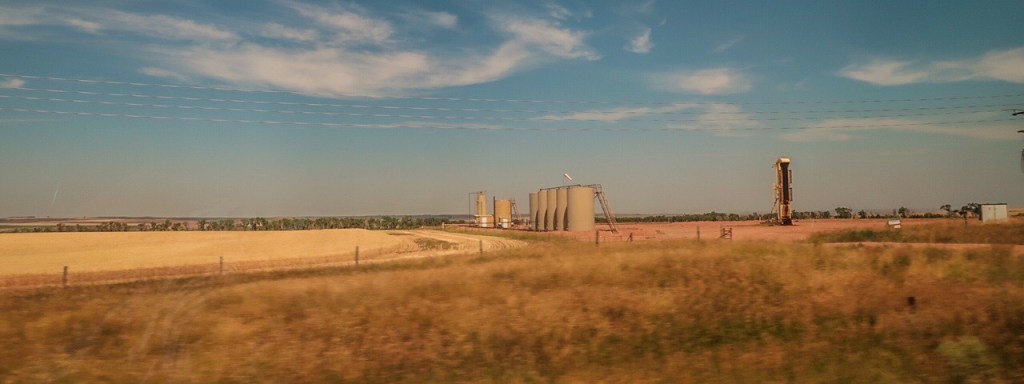
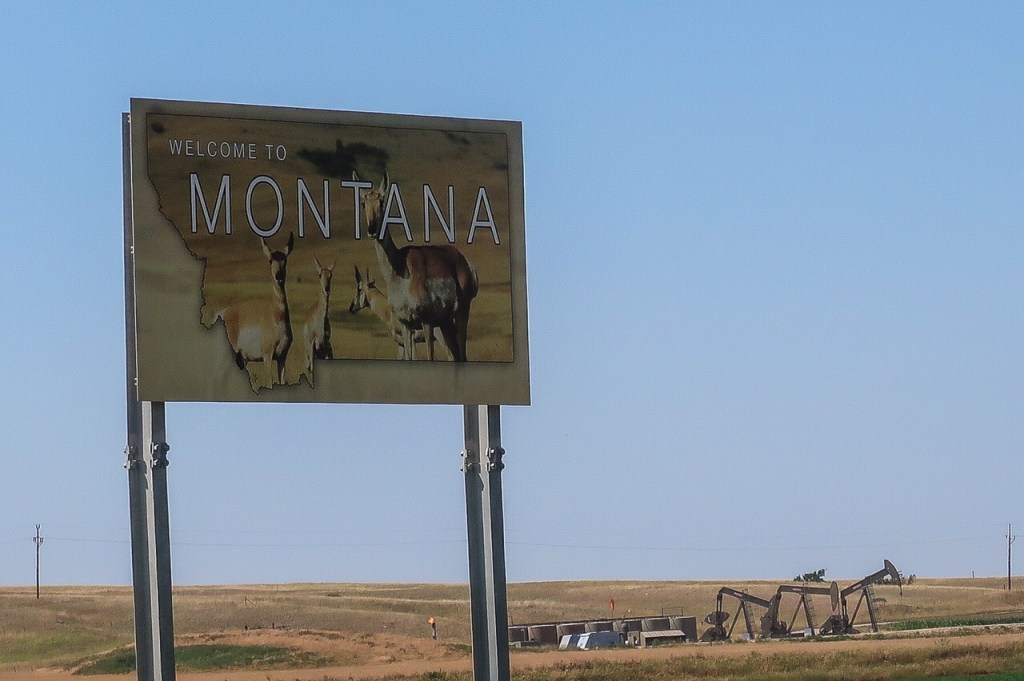
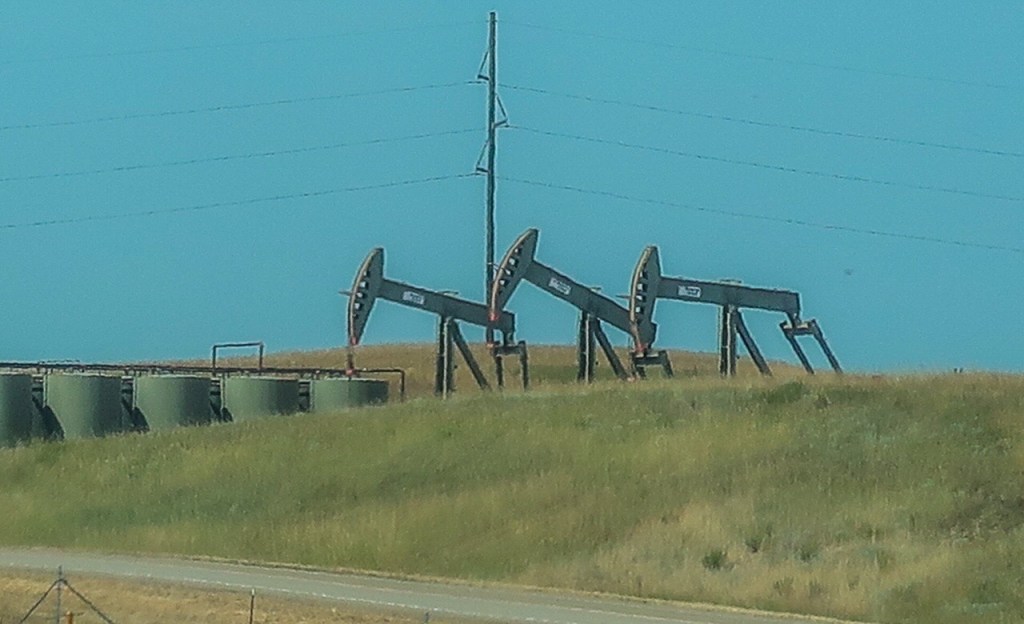
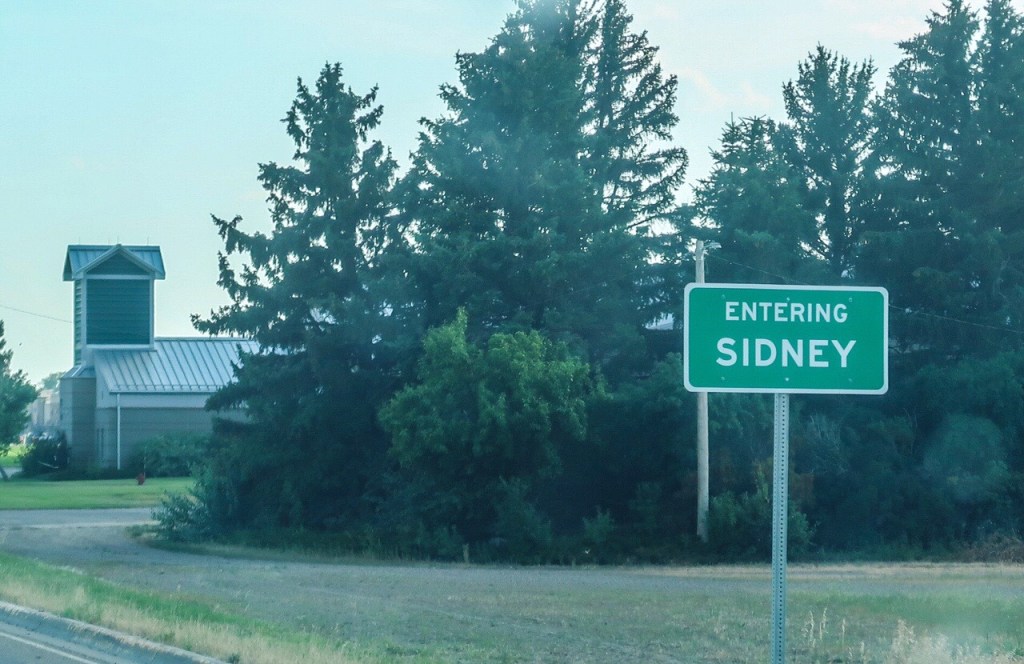
Next we visited Sidney with a population of 5200! The area experienced an oil boom and bust in the late 1970s and early 1980s, bringing an influx of people to the town for a short period of time. Around the start of the 21st century, the town started experiencing another surge in oil exploration activity. The entire region has had substantial increase in population. Lots of oil rigs as far as you can see.
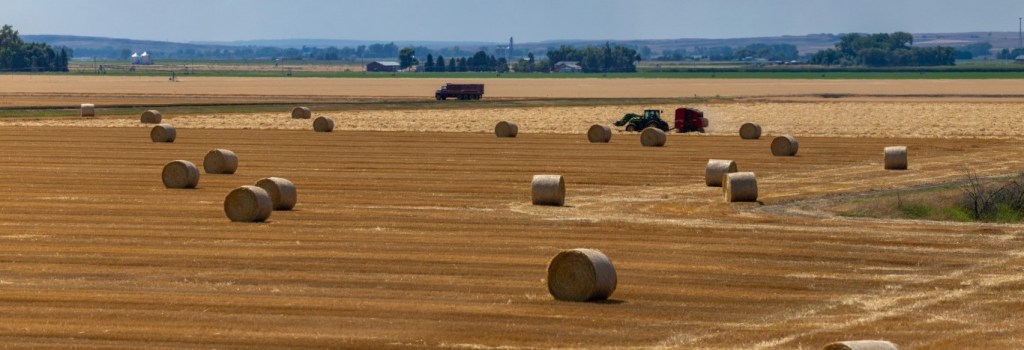
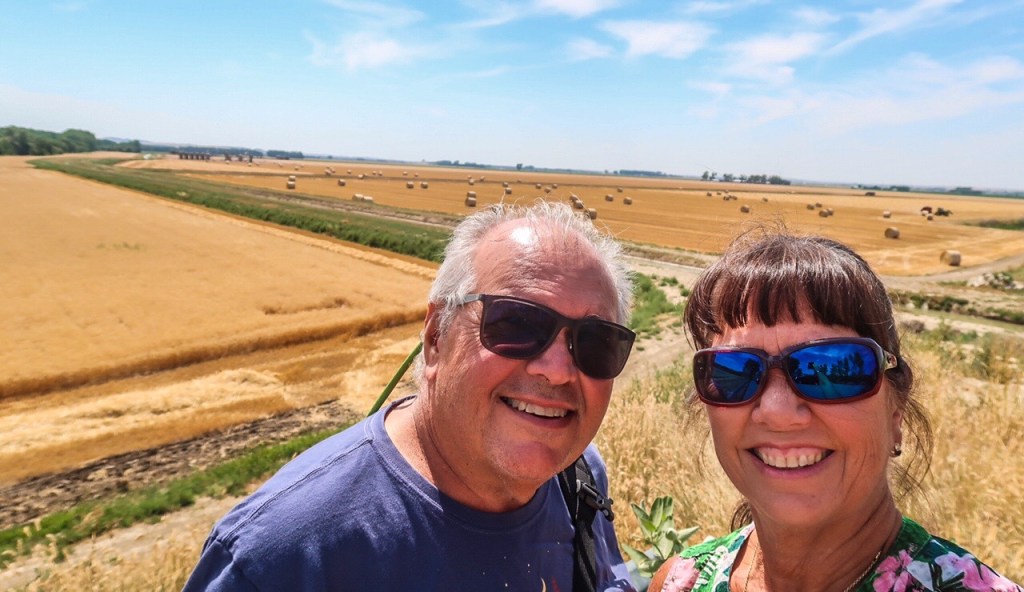
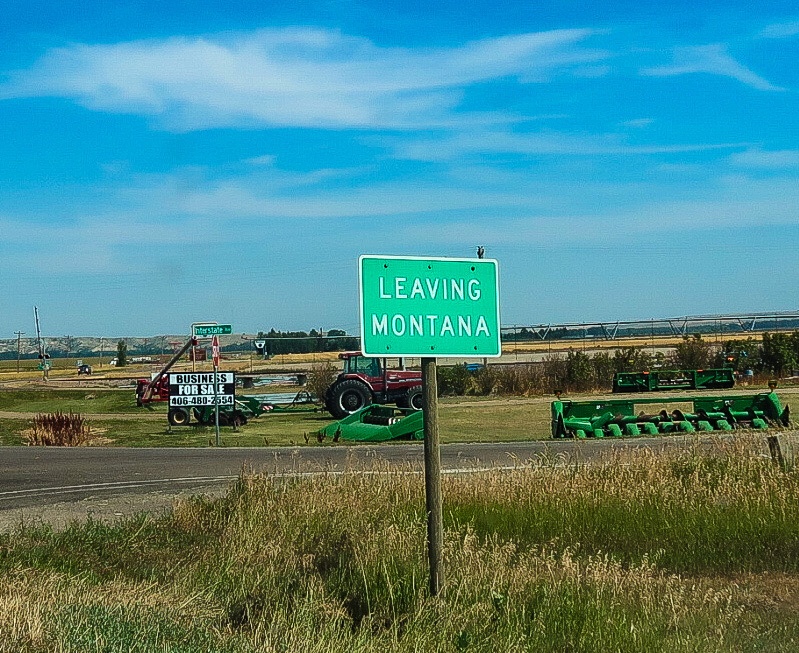
🌾 🌾 🌾 Montana’s primary crop is wheat. Other crops grown in Montana include apples, canola, potatoes, dry beans, field peas, flax, grapes, garlic, lentils, safflowers, mustard, squash, alfalfa, and many more.
Montana ranks first in the nation in production of lentils & organic wheat, and ranks second or third (depending on the year) in spring wheat, durum wheat, barley, flaxseed and safflower.
Montana’s economy is dominated by the primary sector….agriculture, forestry, mining and energy production. About one-third of the state’s workforce is employed in the service sector. To be continued! So many adventures every day!





















 Follow Tim & Sandy's Adventures
Oh my goodness !!! I absolutely Love all your photos ! I just may have to follow in your footsteps. What a great trip !!
LikeLiked by 1 person