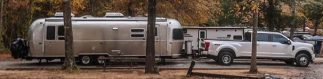

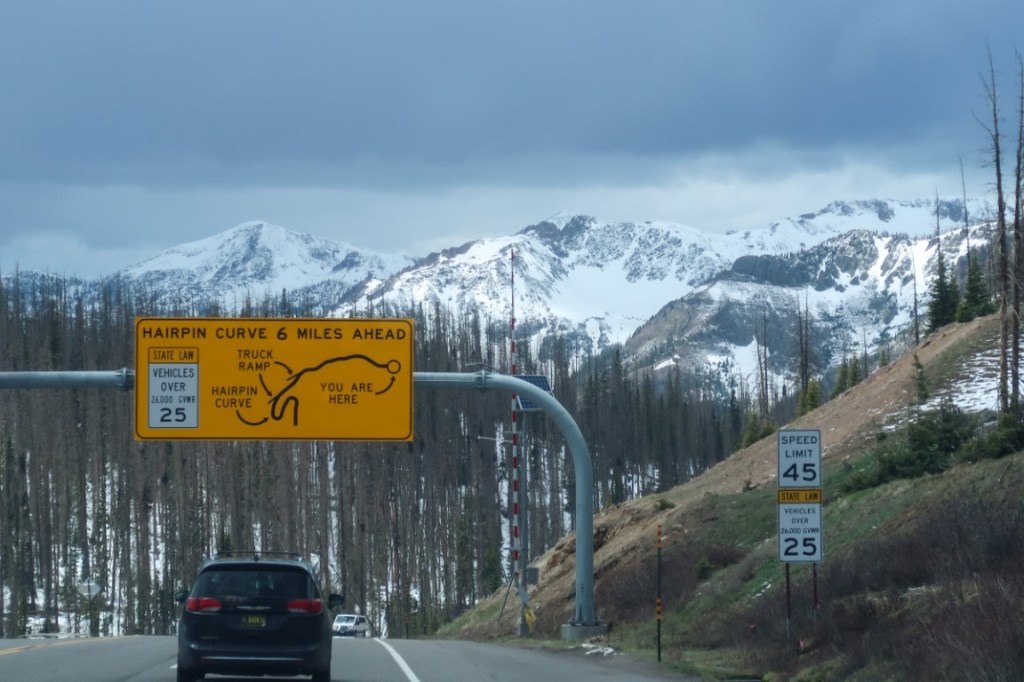
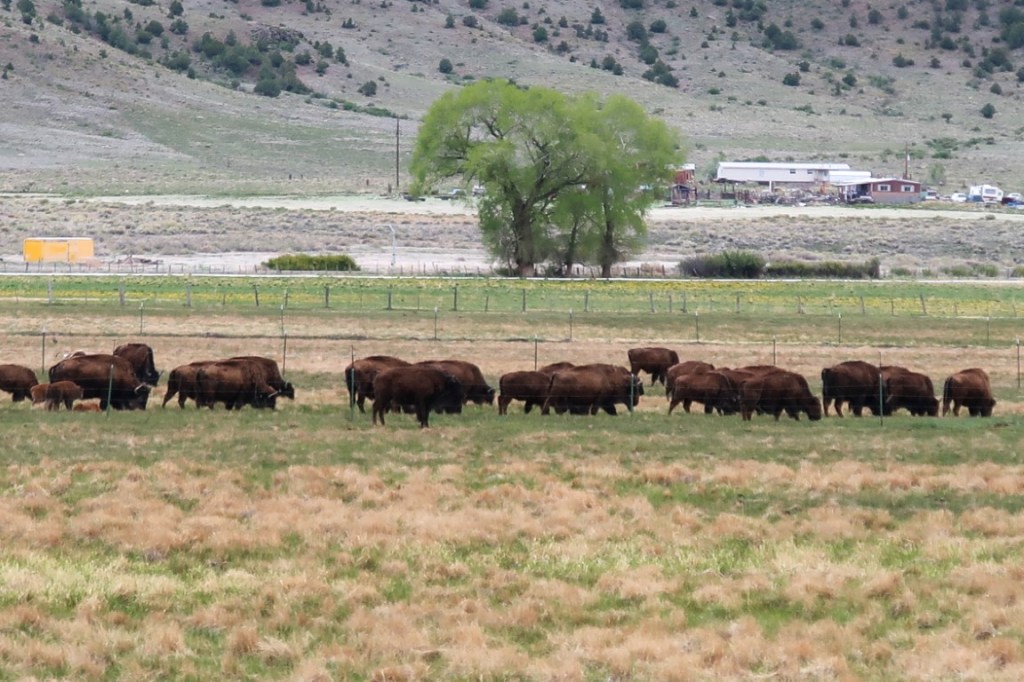
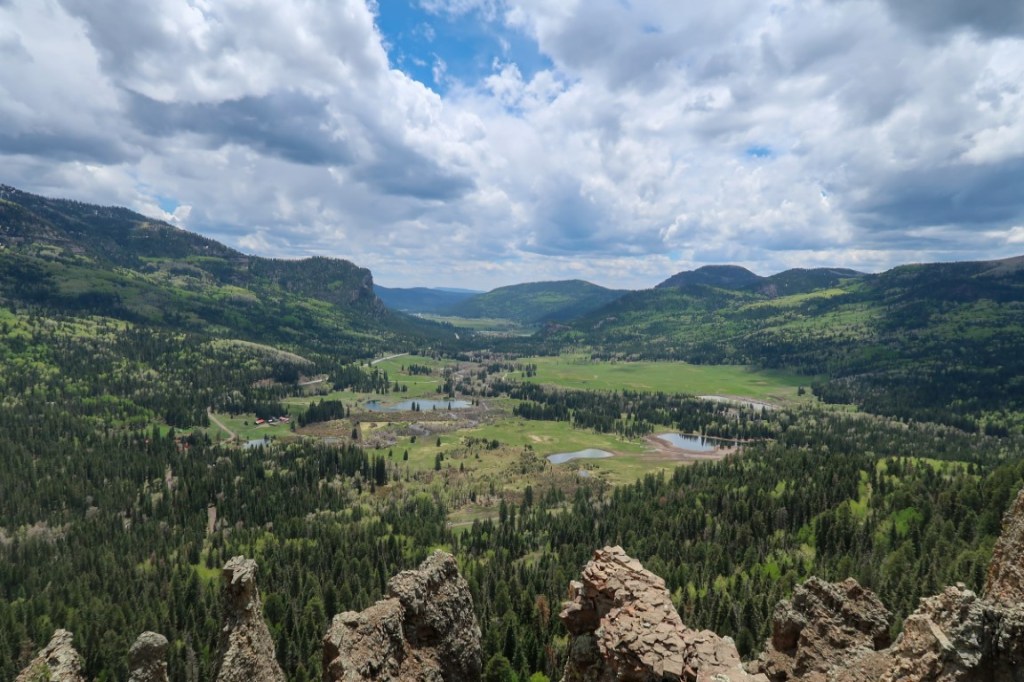
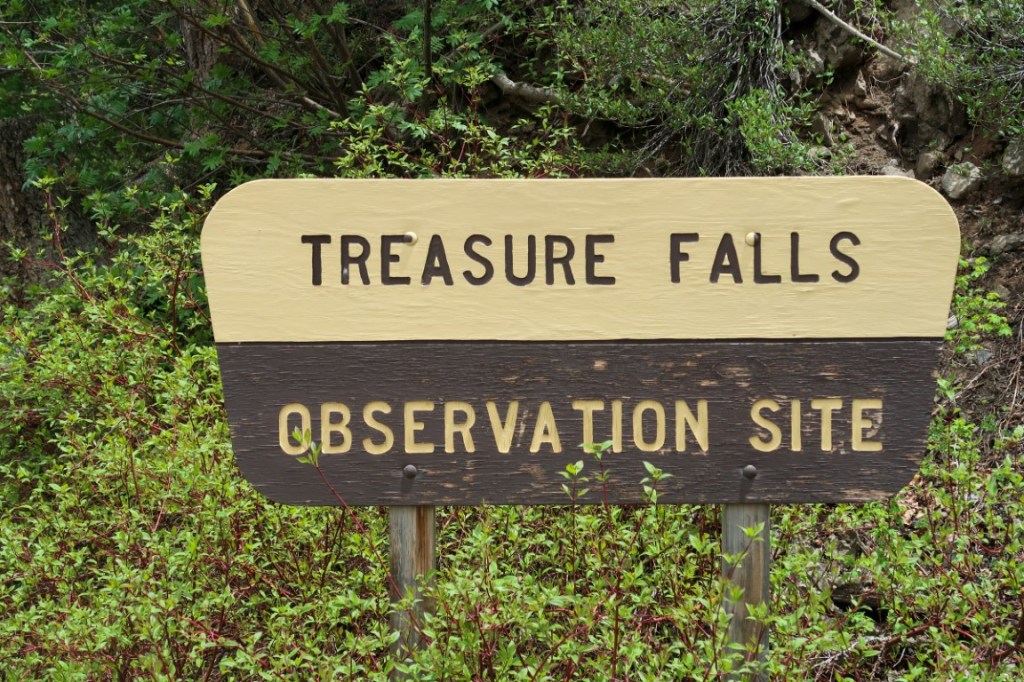
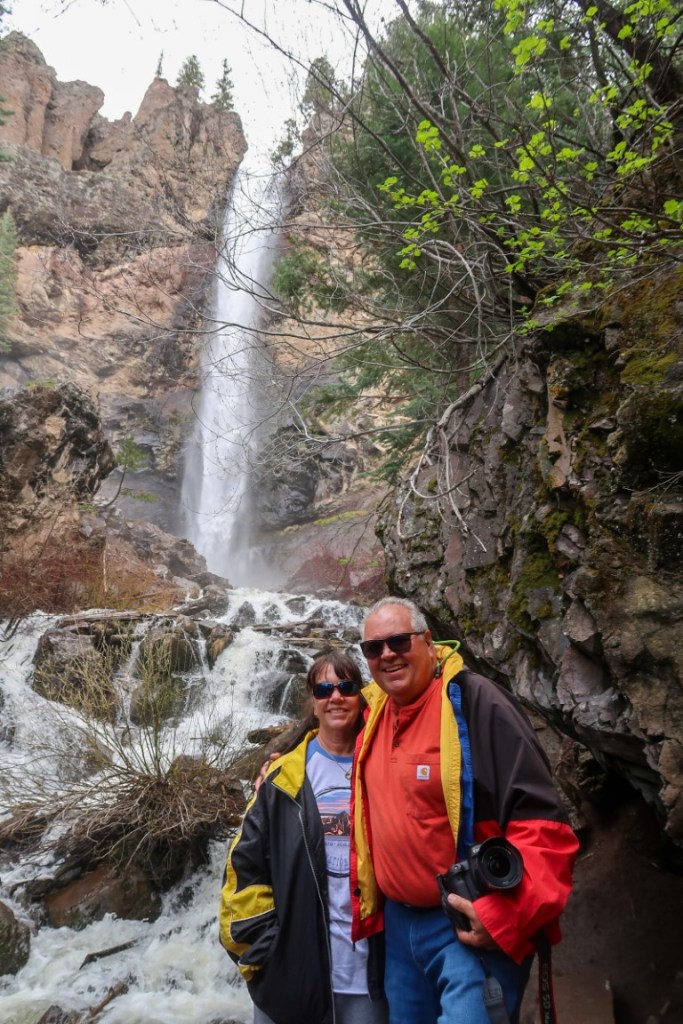
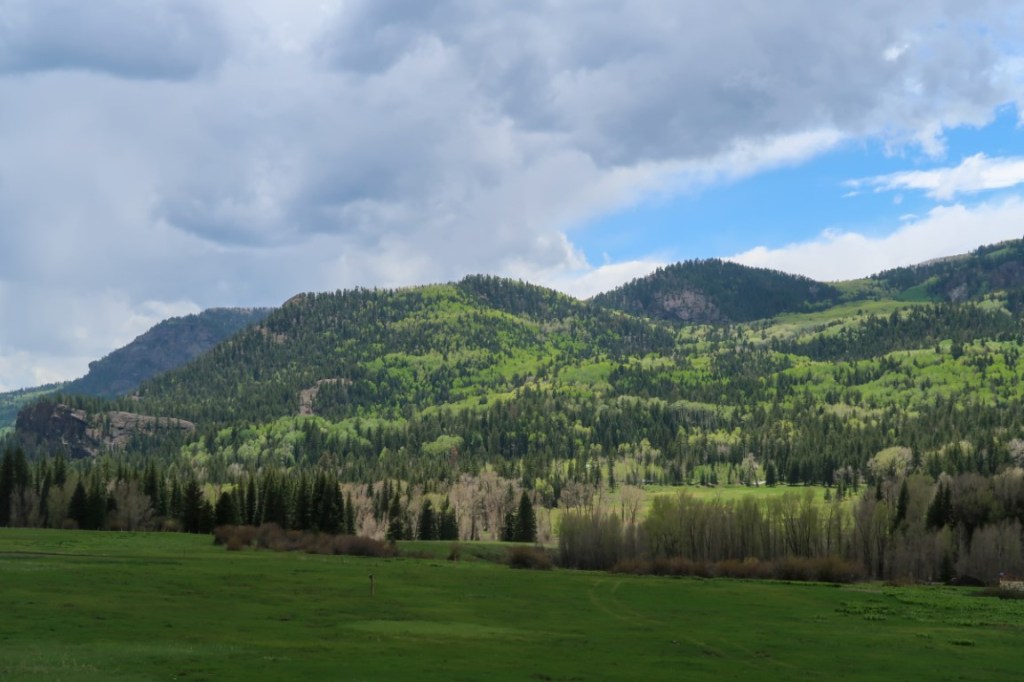
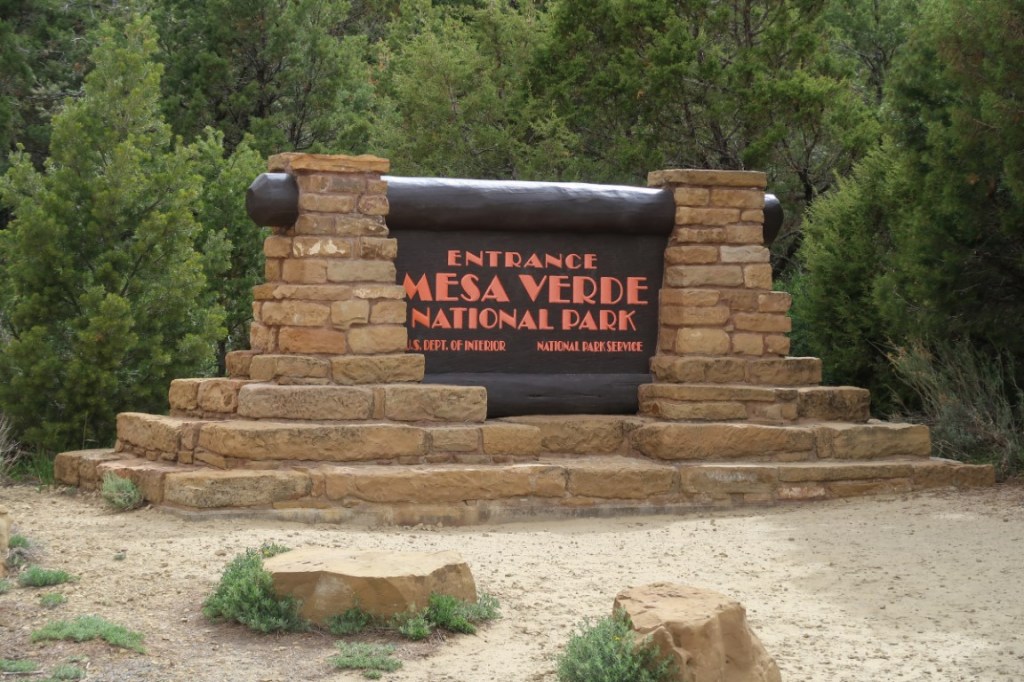
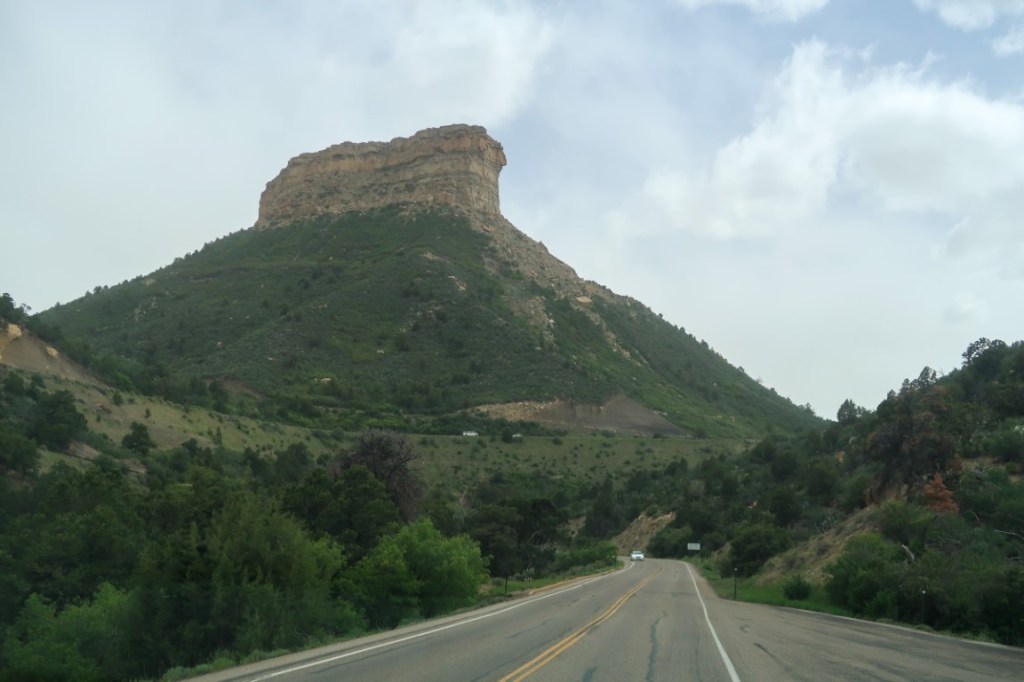
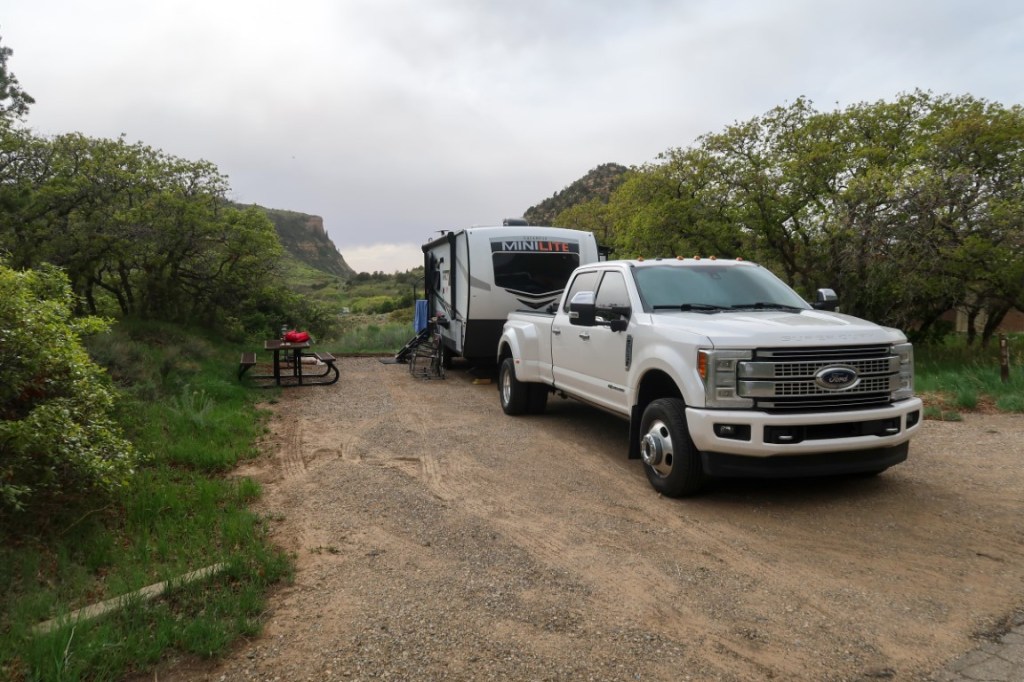
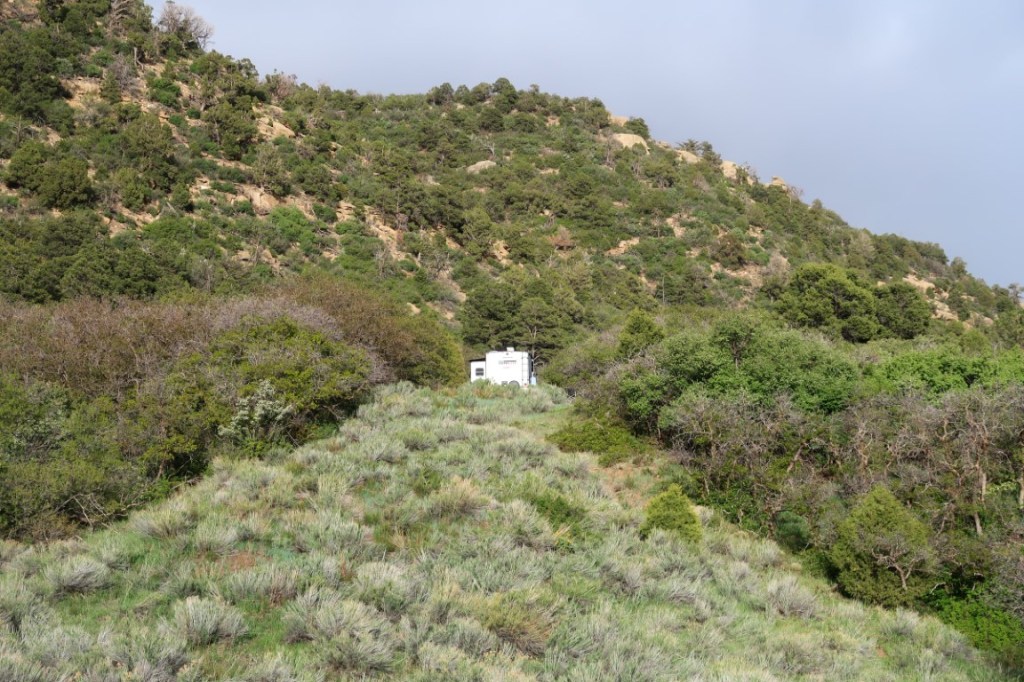
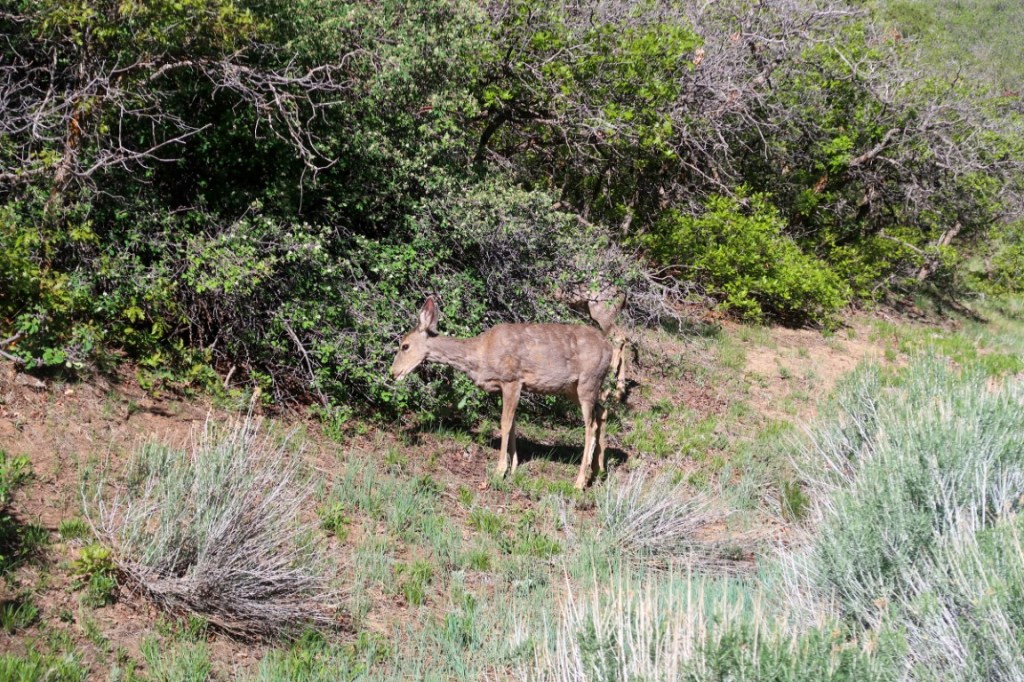
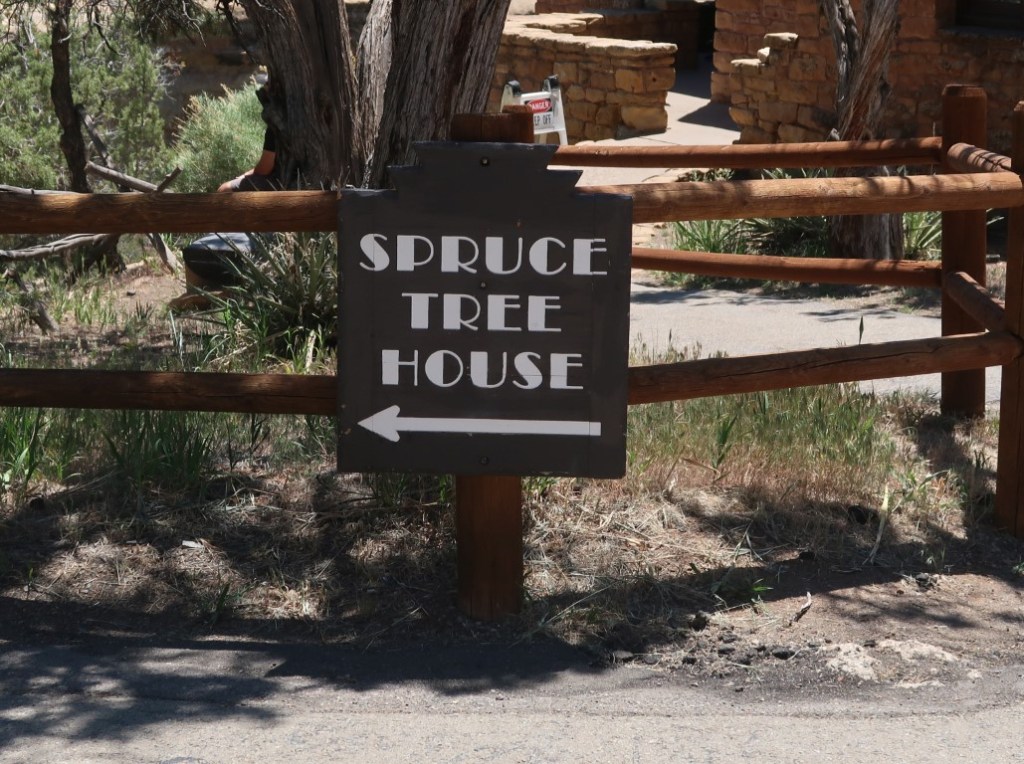
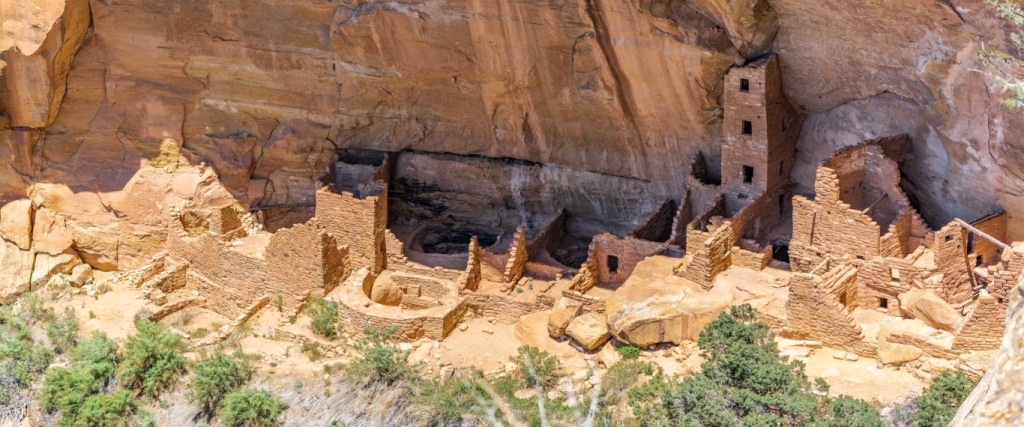
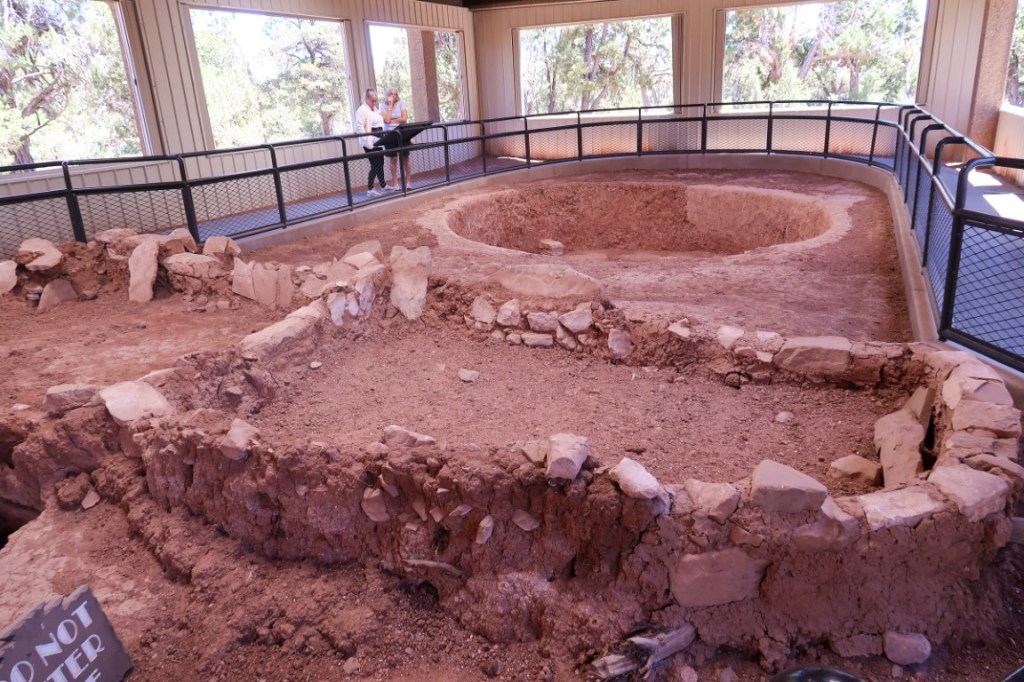
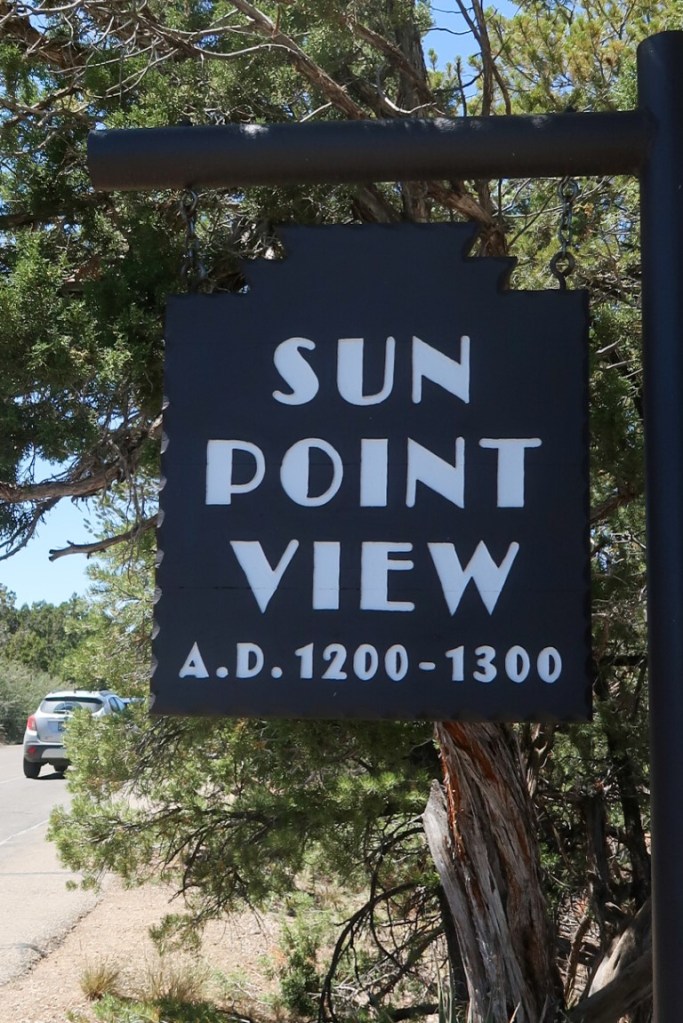
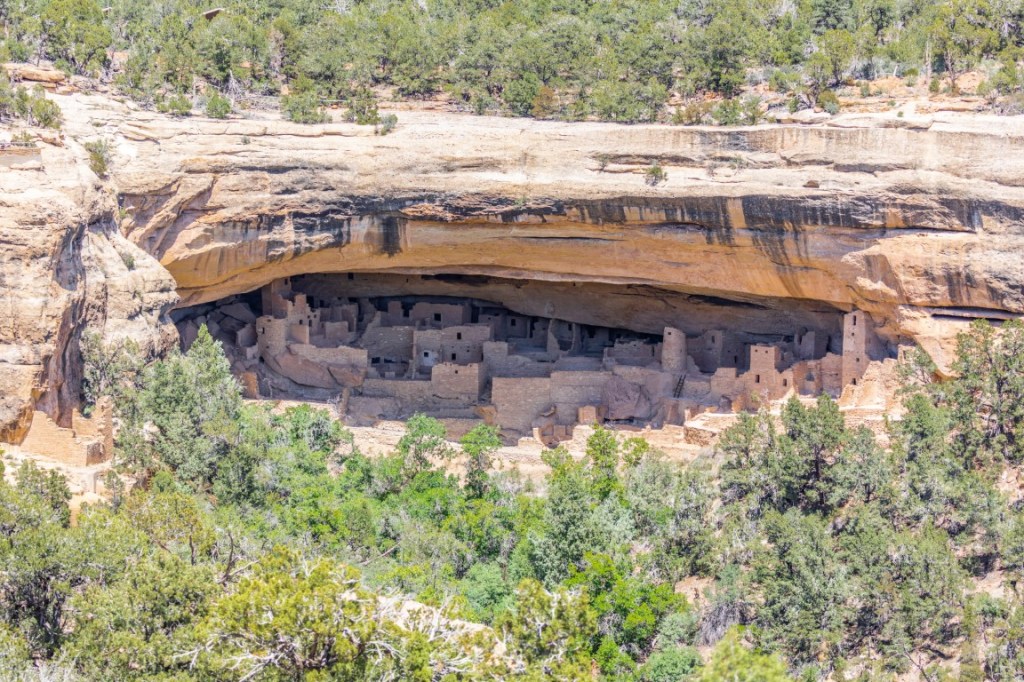
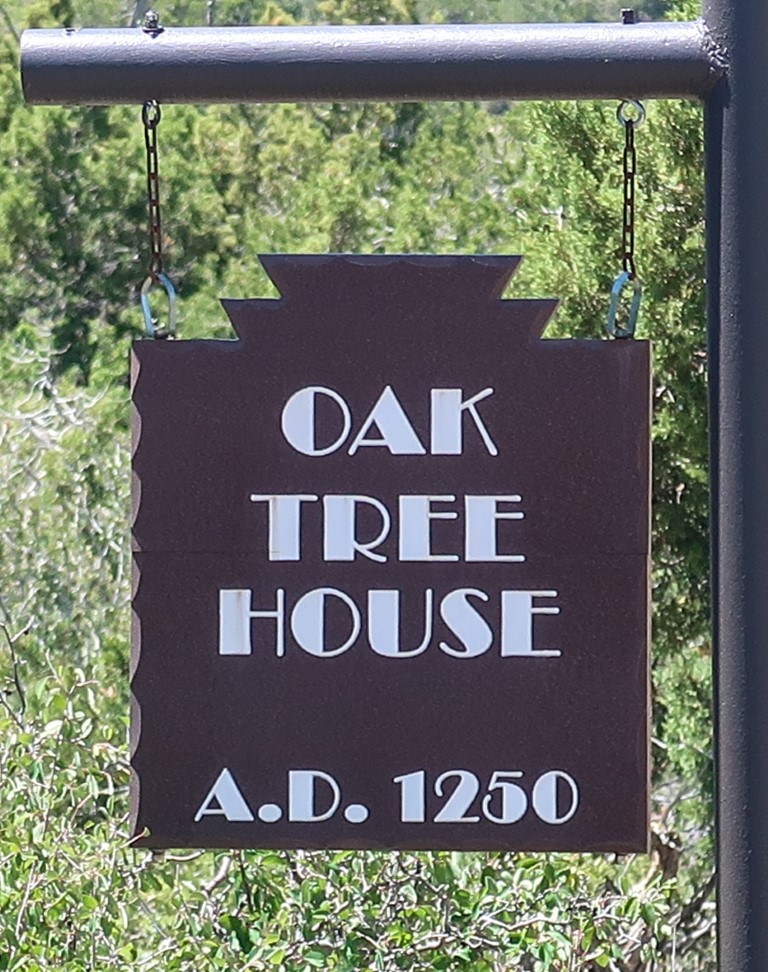
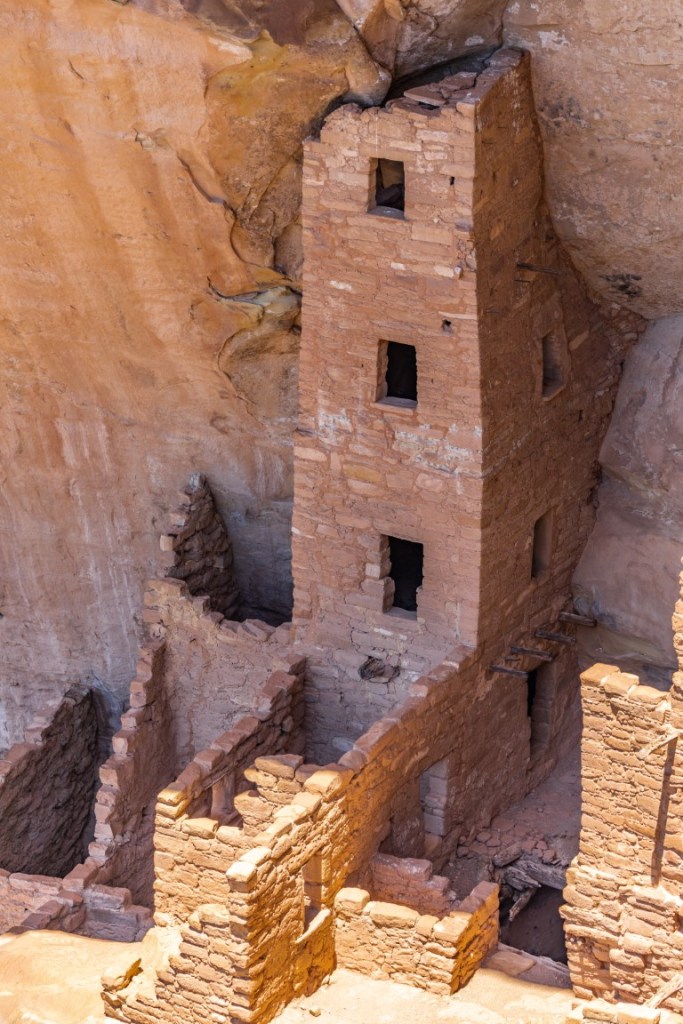
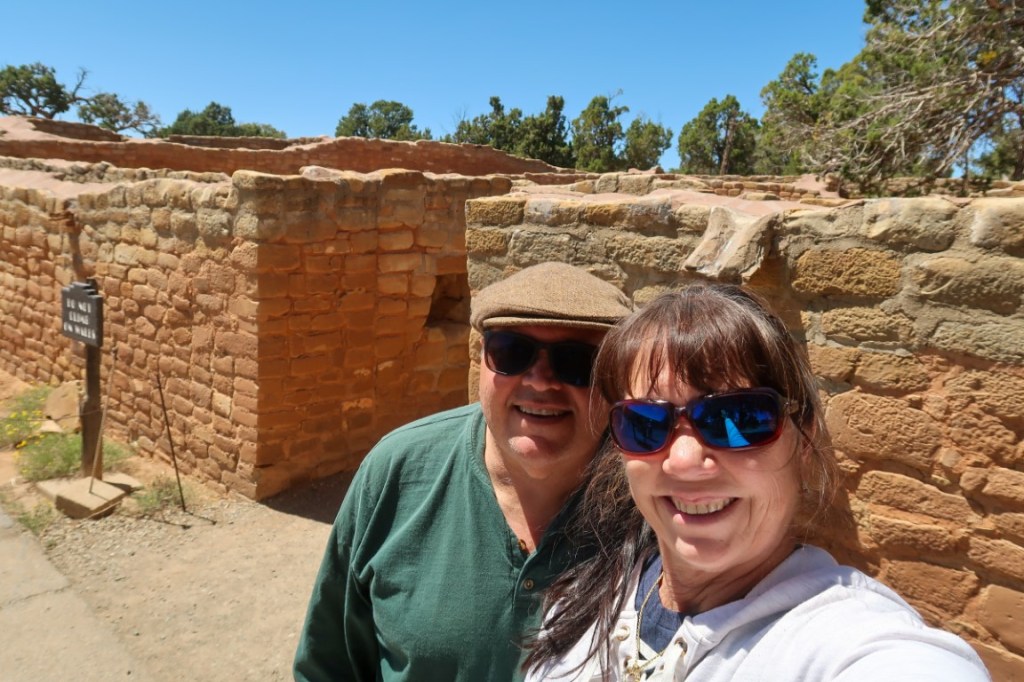
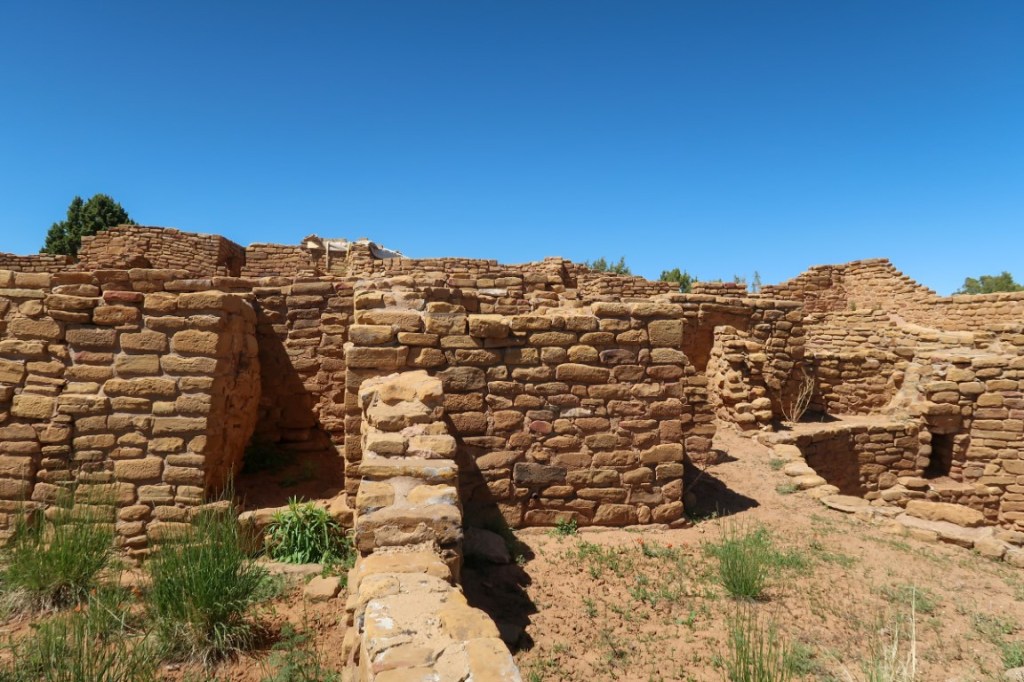
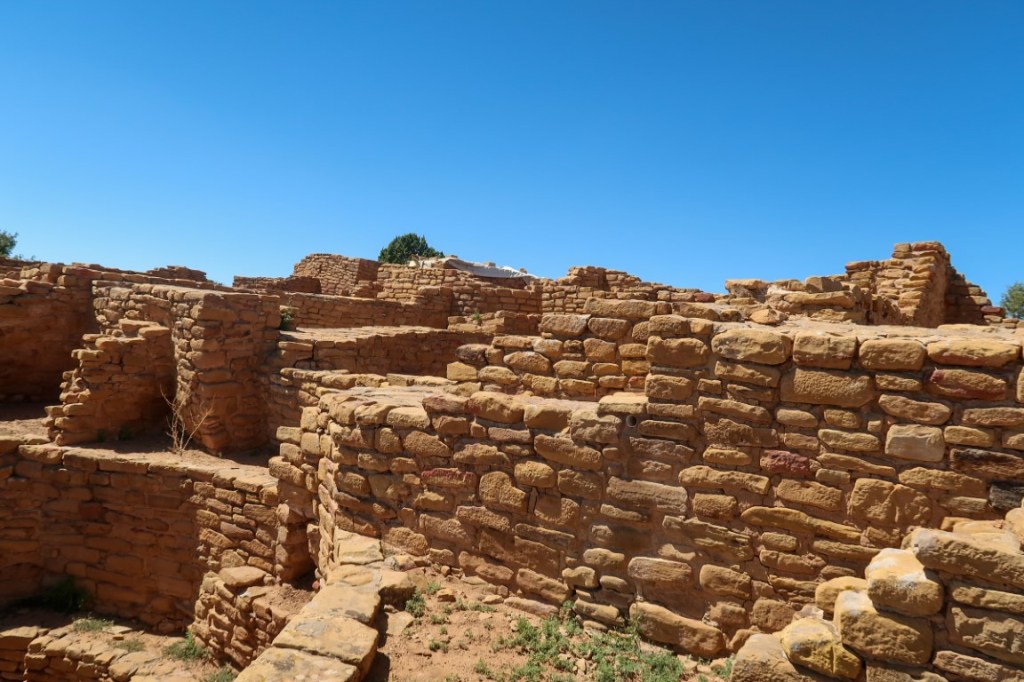
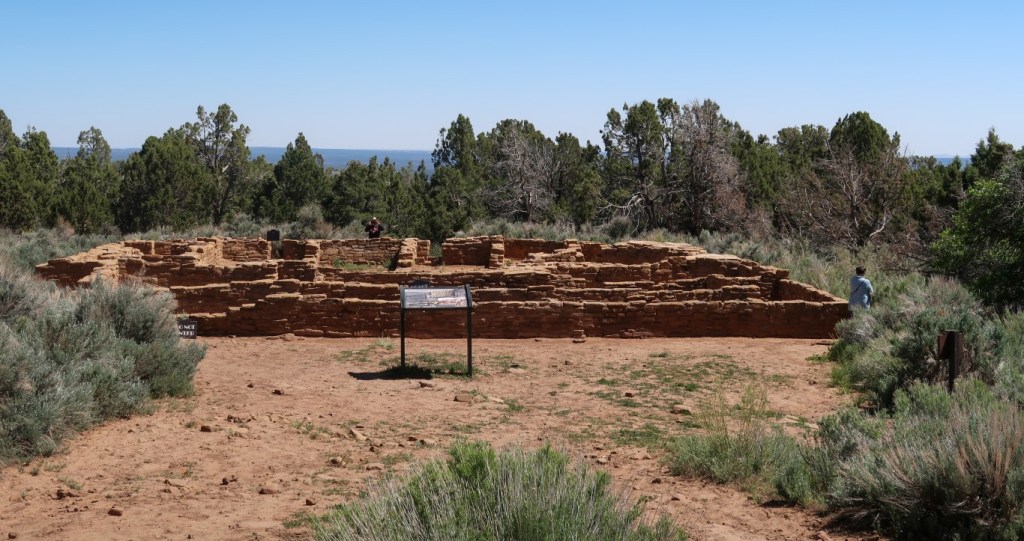
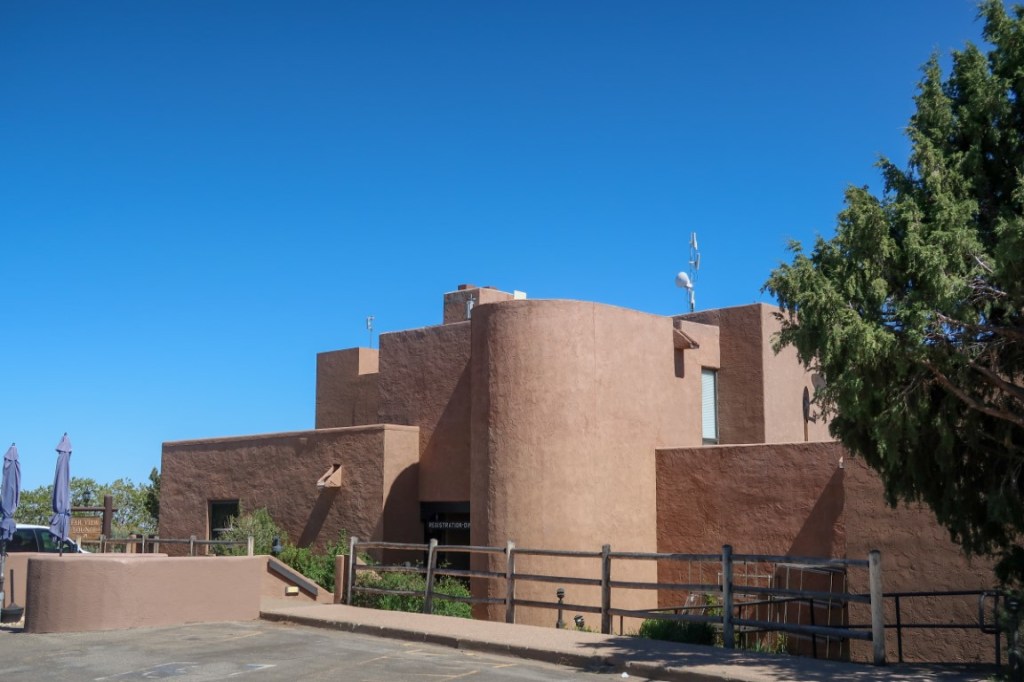
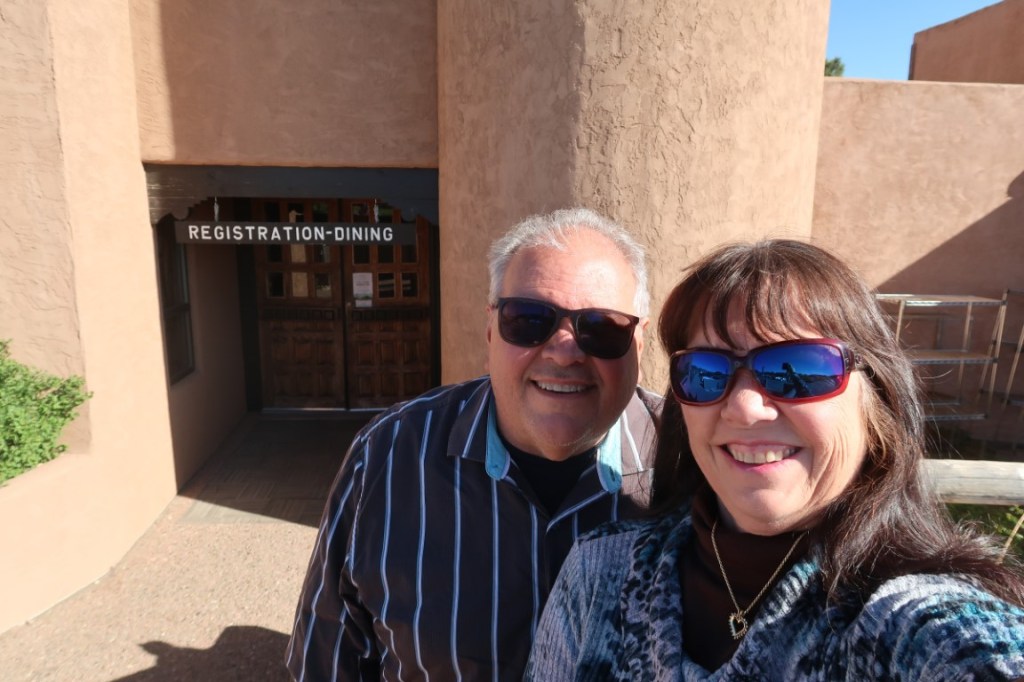
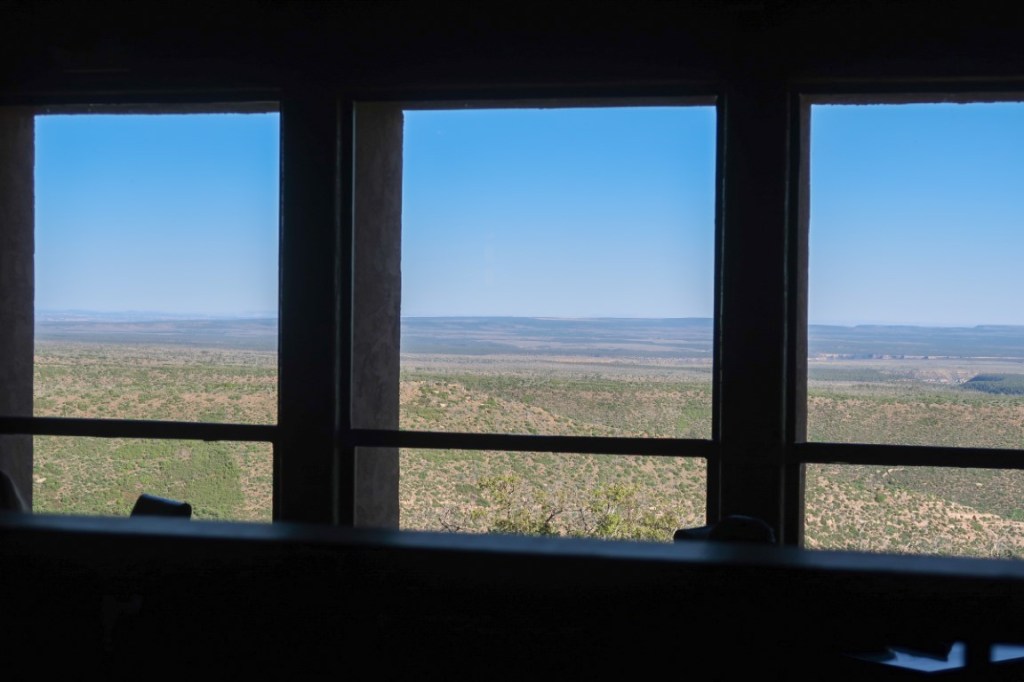
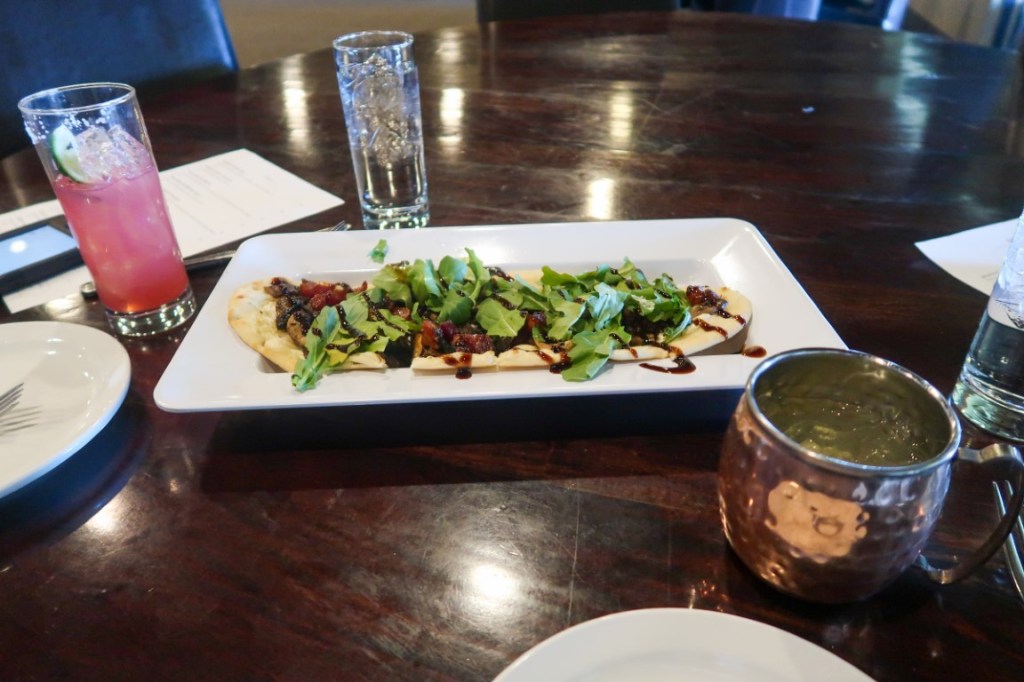
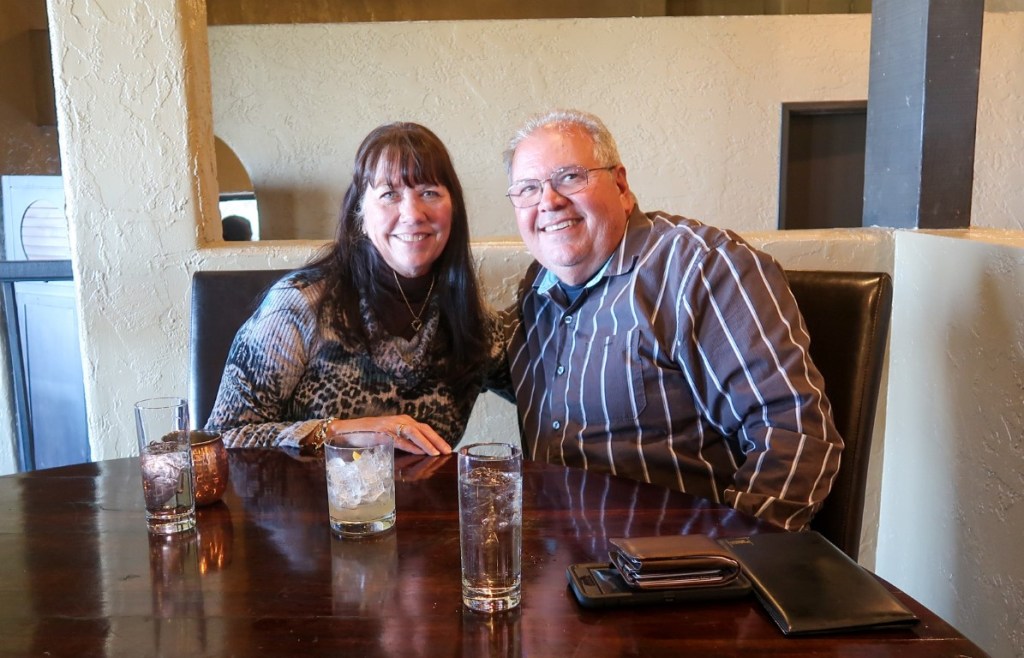
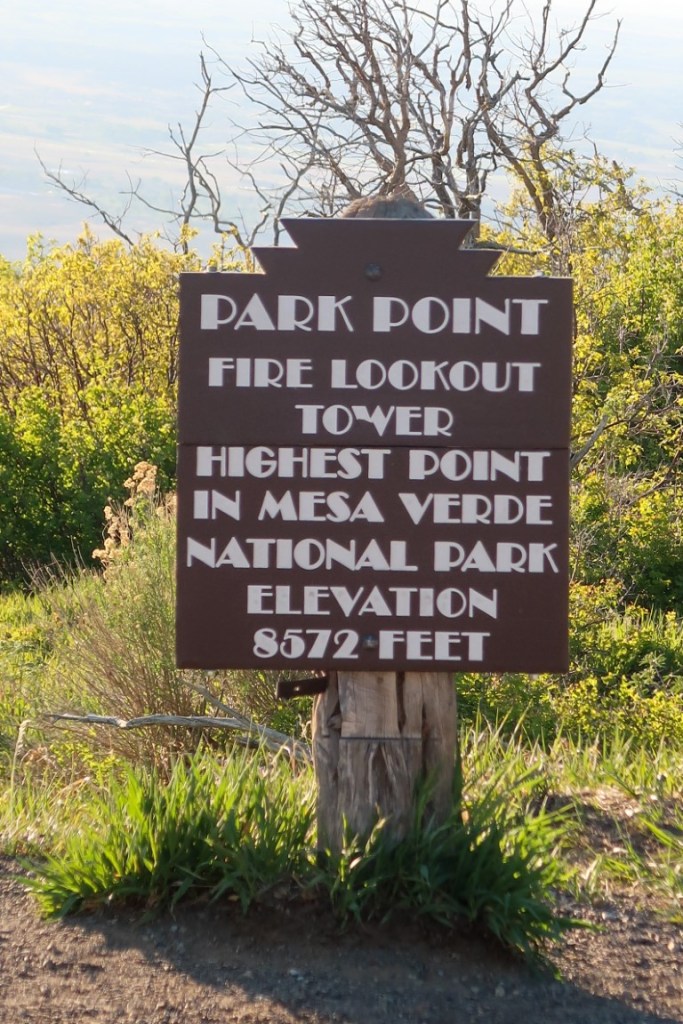
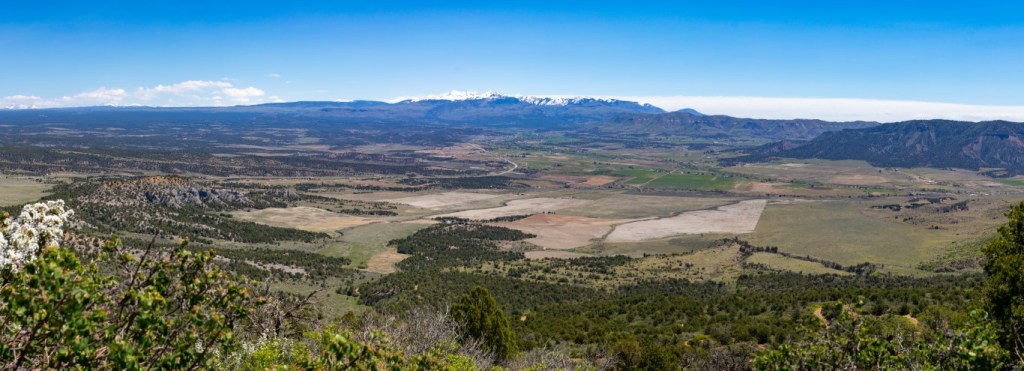
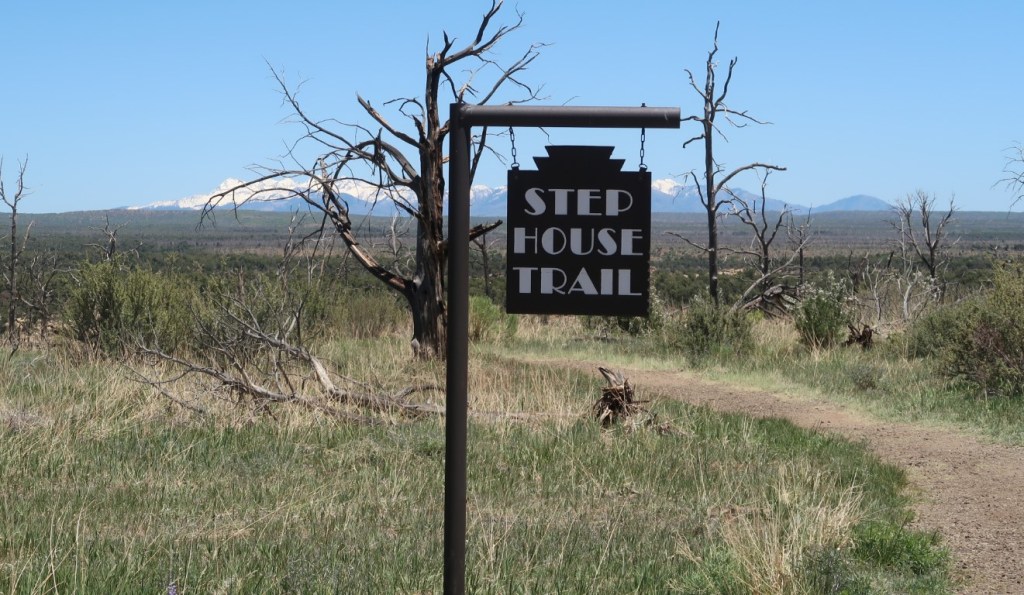
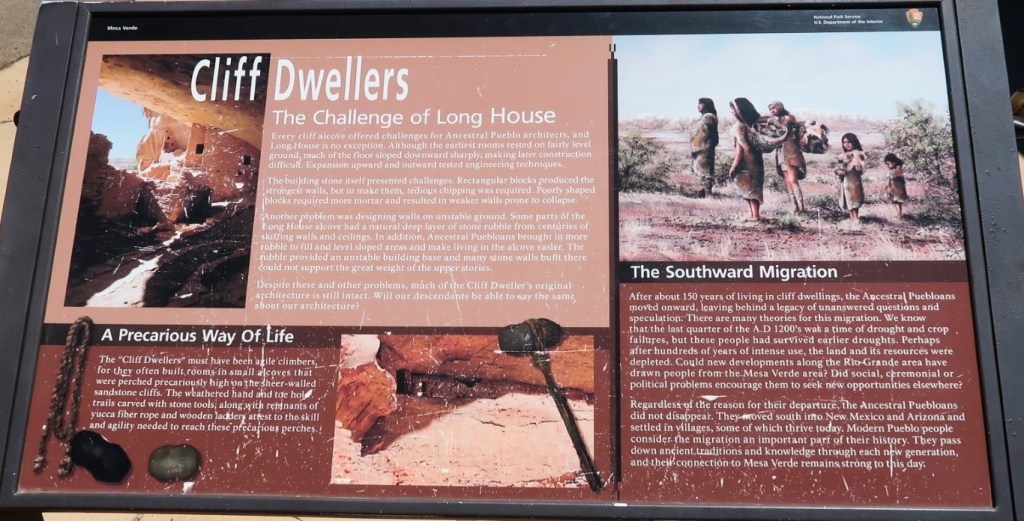
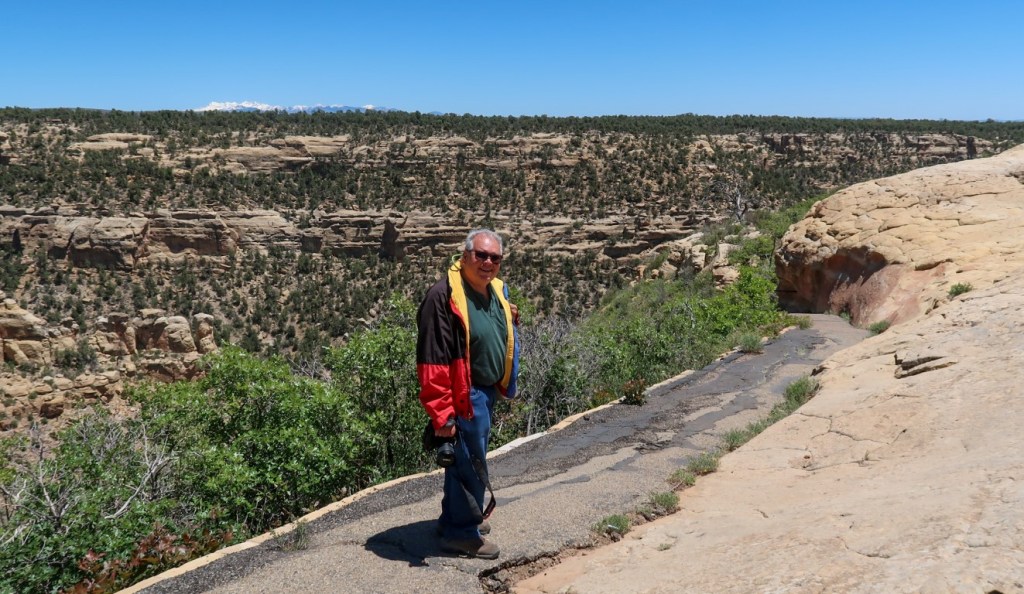
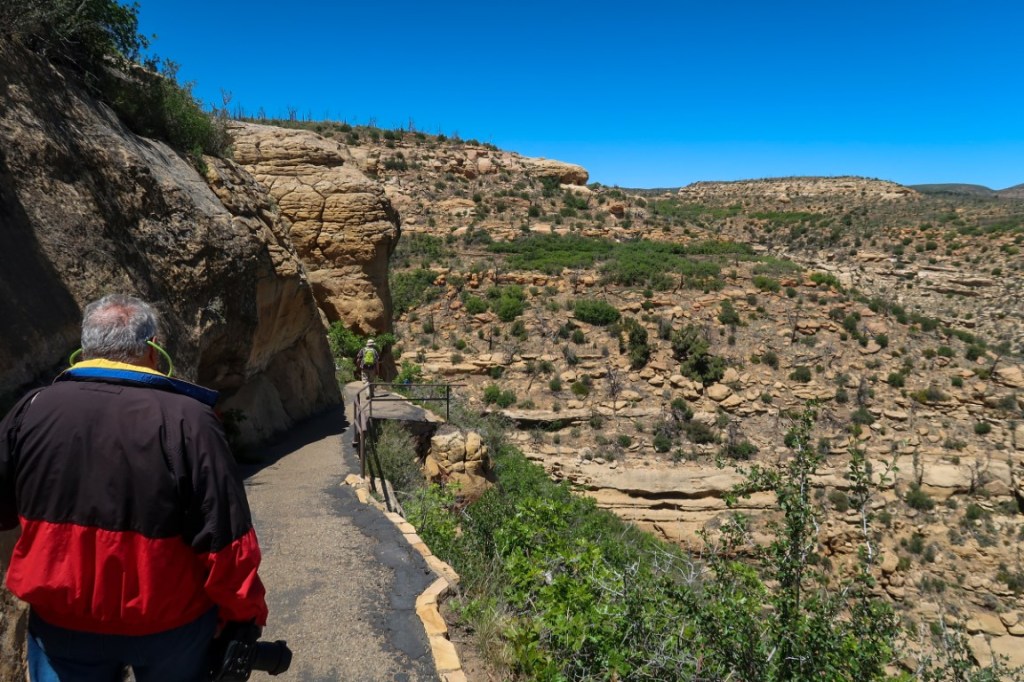
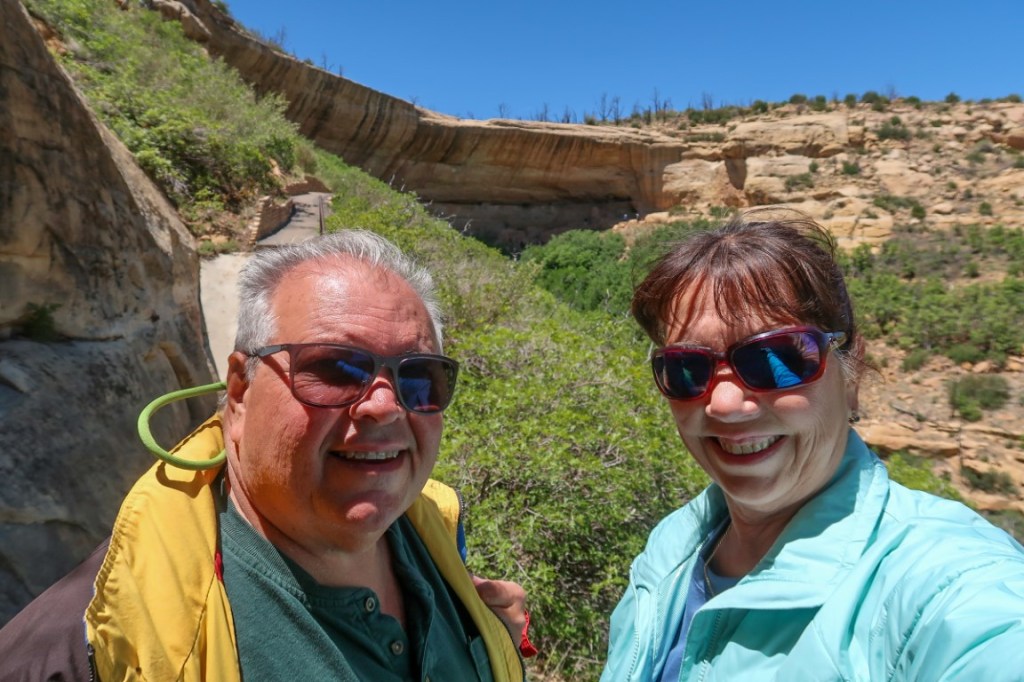
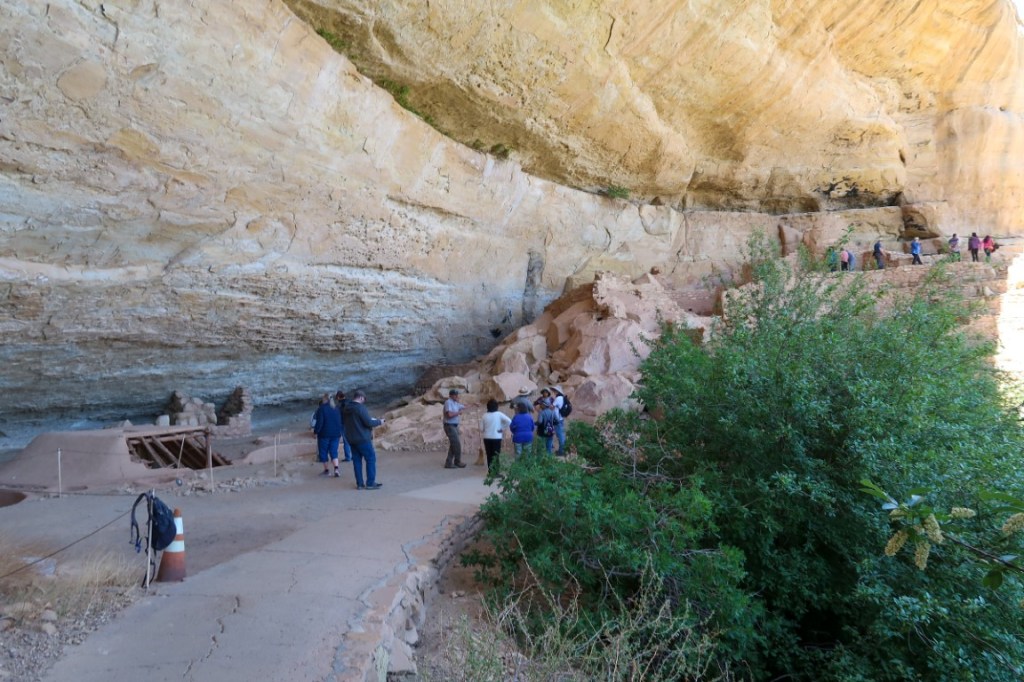
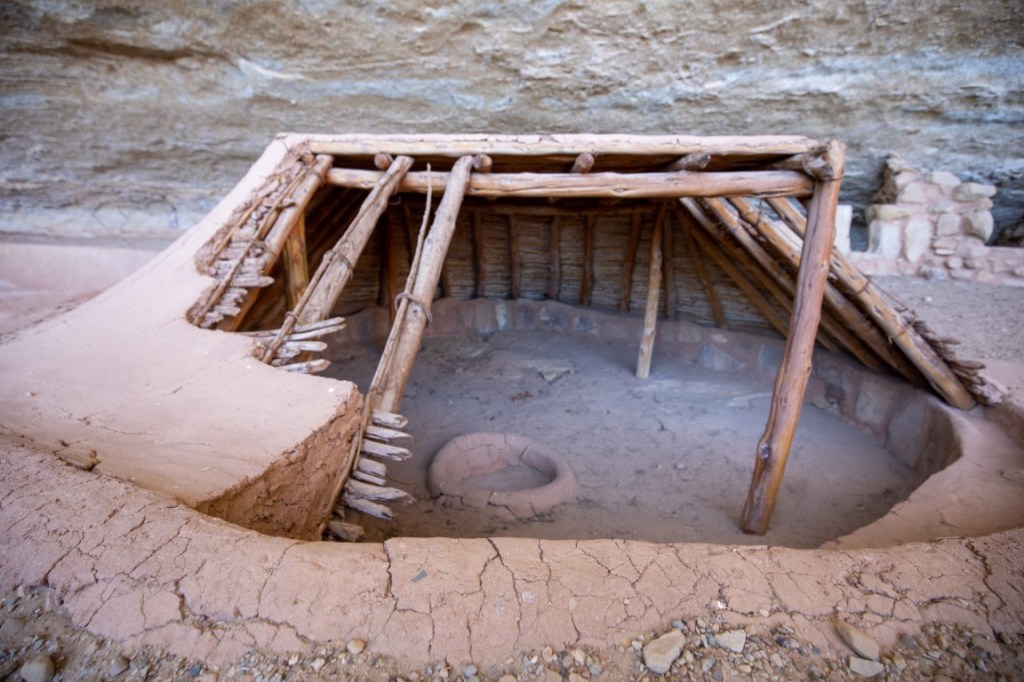
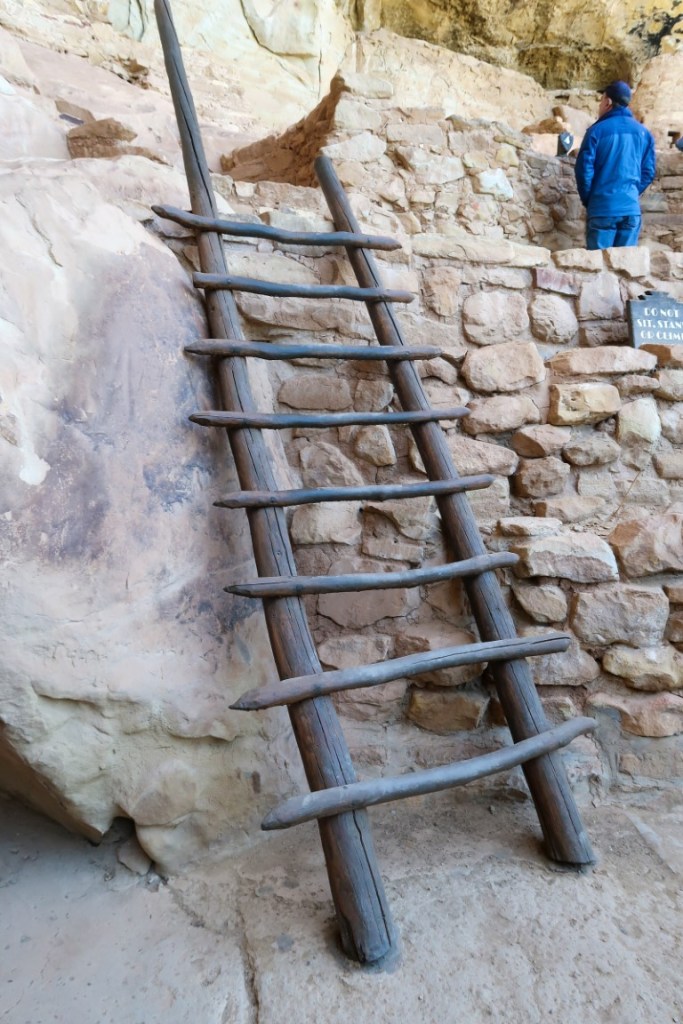
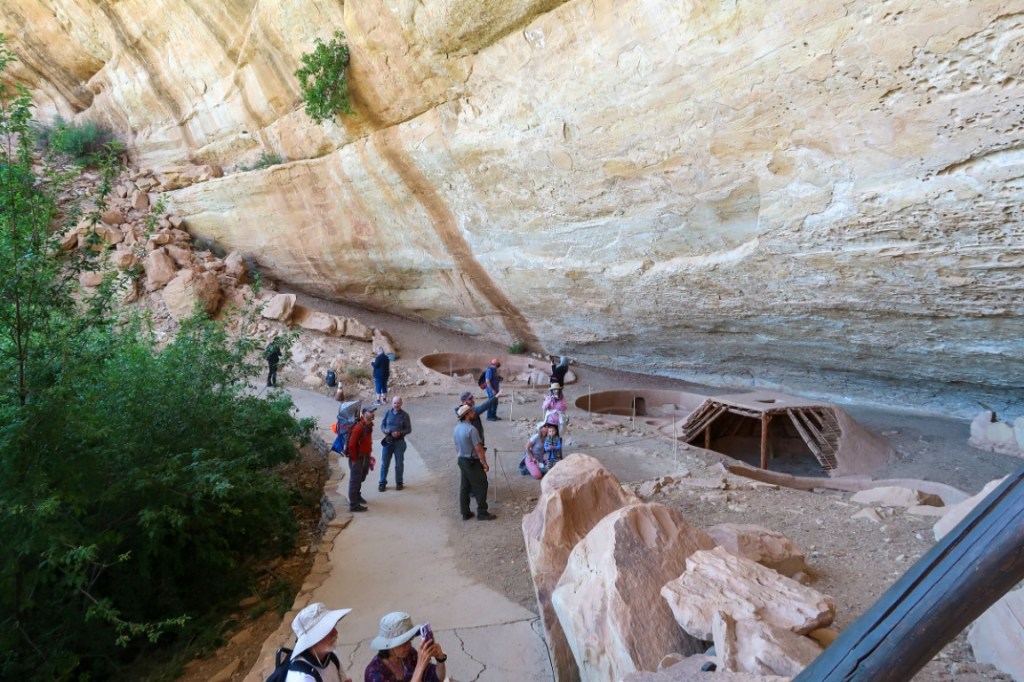
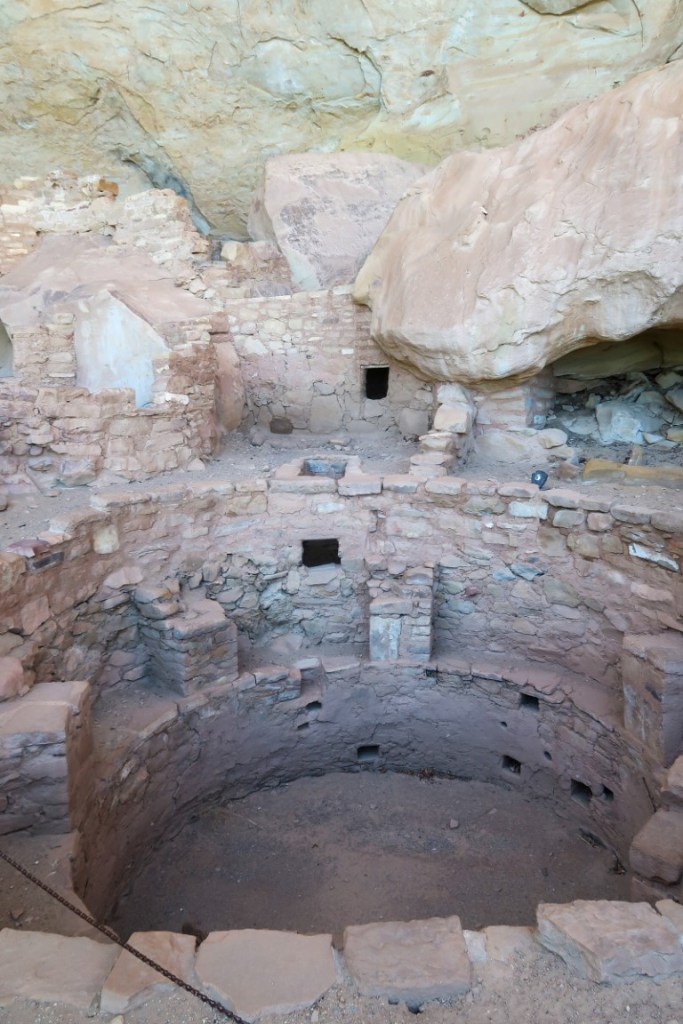
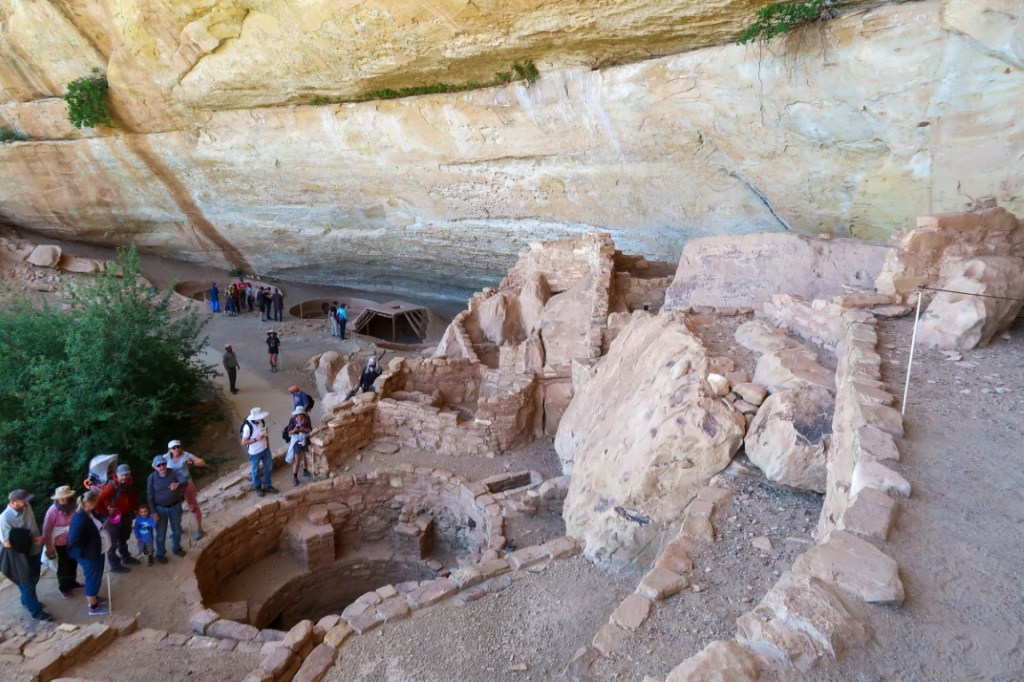
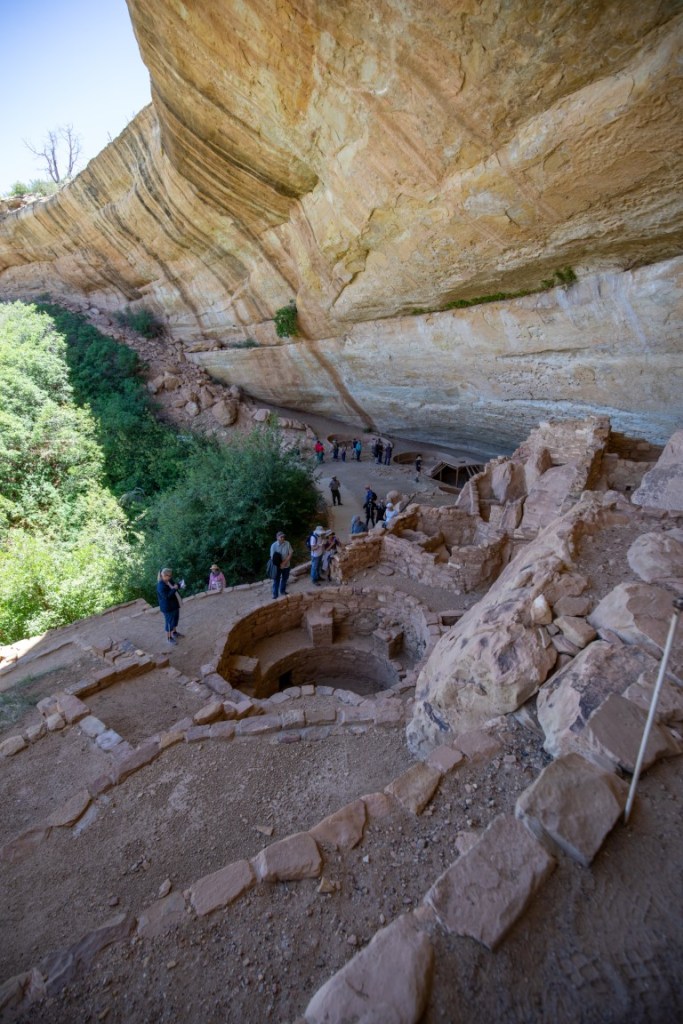
🌞 We woke up early this morning, for it was a big travel day.(366 miles) 62* when we left! On our way to Mesa Verde! A place we’ve always wanted to visit. What a beautiful drive. Poncho Pass Summit is the lowest mountain pass in the state at 9,010 ft! 🏔 We drove through an adorable town – Del Norte (founded 1872) at 7884 ft elevation. It’s named from the river Rio Grande del Norte…”large river of the north”. There were Buffalo ranches all over. 🦬 Grande Avenue is the Main Street in town and many of the facades in the storefronts look like the 1800s and early 1900s! In 2010 the population was only 1686!😱 Thousands of years ago, arrowheads & campsites were found from the Folsom people, but the Utes took it over since there was an abundance of wild game, plants, water and timber. Winters they would leave bc the winters were to cold to settle there permanently. After the Treaty of Guadalupe-Hidalgo was signed in 1848, the land of Del Norte was transferred from Mexico to the US. The American Civil War delayed settlement by Americans till 1860’s.***Another cute town was South Fork known for timber mining & forestry. It was founded in 1882, for the construction of the Rio Grande Western Railroad line to Creede where silver mines were. It became an independent town in 1992 making it the youngest town in the state. It’s population in 2010 was 386! 😳 Big ski lodge was here with adorable log homes and cabins along the road. ****Wolf Creek Pass – 10,856 ft elevation, a high pass on the Continental Divide, in the San Juan Mountains of Colorado. 52* at 1:08 when we went over this beautiful pass as we traveled on Hwy 160 to Mesa Verde. Steep on both sides, with a 7% grade! The exhaust breaking worked flawlessly. The whole area was full of snow before & after this pass. At the bottom we hiked up to see Treasure Falls that sat in the valley of Palosa Springs. The falls are named after a local legend about “ a treasure of gold” buried in the mountain that the falls plunge from! Height of 105 ft . There was a foot bridge at the base of the falls which gave us a great look at the falls. As we continue our drive we Passed Chimney Rock National Monument which looked pretty cool but we’ll go there on way out bc we didn’t even know that park even existed! 💞🚂💞 Then yet another memorable town….Durango! During our first trip (1981) to Colorado, we camped in Silverton and took the historical train to Durango. What an experience! We took the boys back there for many years when they were young and of course took the Durango-Silverton Train many times! Last time we rode it was 21 years ago! Such great memories made here too! **** We arrived at Mesa Verde and checked into Morefield Campground,here in the NP. What a pretty site, on top of the loop with a great view of a small valley where deer frequently came close to us in the mornings and evenings. Even though Black Bears 🐻 & mountain lions 🦁 are common …..we didn’t see any!🙅🏻♀️🤷🏻♀️ John & Rebecca made sure we were prepared & bought us Bear spray for this trip! 🤣 The wild landscape of deep canyons and expansive vistas is home to over a thousand species, including several that live nowhere else on earth. For over 700 years, the Ancestral Pueblo people built thriving communities on the mesas, elaborate stone communities in the sheltered alcoves of the canyon walls of Mesa Verde. The park protects the rich cultural heritage of 26 tribes and preserves this amazing ancient culture. Mesa Verde National Park contains nearly 5,000 known archeological sites including cliff dwellings and the mesa top sites of pithouses, pueblos, masonry towers, and farming structures. The cliff dwellings at Mesa Verde are some of the most notable and best preserved in the North American Continent. Sometime during the late 1190s, after primarily living on the mesa top for 600 years, many Ancestral Pueblo people began living in pueblos that they built beneath the overhanging cliffs. The structures ranged in size from one-room storage units to villages of more than 150 rooms. While still farming the mesa tops, they continued to reside in the alcoves, repairing, remodeling, and constructing new rooms for nearly a century. By the late 1270s, the population began migrating south into present-day New Mexico and Arizona. By 1300, the Ancestral Puebloan occupation of Mesa Verde ended. The Park is very large…the main road Y’s to go to different Pithouses or Cliff dwellings. Snow capped mountains all around us for as far as you could see. Chafin Mesa is a 21 mile, switchbacking road and Wetherill Mesa Road is 12 miles of very tight switchbacks with size & weight restrictions on vehicles! Both had a lot of overlooks & view points along the drive that we enjoyed stopping at. Pit homes were from AD 550 to 750. It was dug into the ground and had 4 corner timbers that supported the roof up. The fire pit had an air deflector to circulate air throughout it. ***The Step House trailhead was a one-mile trail … steep (a 100 foot descent and ascent on a winding path). It was so worth it because we got to walk inside & out…..climb up a ladder to second floor too. We were unable to go to Long House for there’s limited tickets that sold out 2 weeks ago when they started doing tickets with the reopening that now they are ranger lead for small groups. The Step House alcove is unique at Mesa Verde because it provides clear archeological evidence of two separate occupations—a Basketmaker pithouse community dating to early 600s CE, and a Pueblo masonry pueblo dating to the 1200s. Basketmaker sites are difficult to locate within alcoves because of later cliff dwelling activity. But because the Step House pueblo was built on the south end of the 300-foot long alcove, it left at least part of the BM site undisturbed. The Step House alcove contains six known Basketmaker pit structures and a Pueblo masonry pueblo with 27 rooms and 3 kivas. Kiva comes from the Hopi language & refers to round chambers, usually underground, built in or near the village or homesite. Entry was by ladder through a small hole in the center of the roof. Roofs were made of timber’s, juniper bark, and mud. It’s an area that was important as a ceremonial structure. All archeological sites, especially those with standing architecture like Step House, require continued assessment and maintenance. Natural factors such as rainfall and alcove spalling, as well as animals and insects, all impact the integrity of the site’s fabric. As a public site, conditions at Step House are routinely monitored on an annual basis. **** So excited at the end of the day for we were able to make dinner reservations for the Metate Room Restaurant at Far View Lodge (the only lodge in Mesa Verde) about a month ago! Metate is a type or variety of quern (a ground stone) tool used for processing grain & seeds. Women in the Mesoamerican culture would grind lime treated maize during for preparation like in making tortillas. The outside was Adobe looking, then as we entered, the inside was contemporary Southwestern decor. The artwork & pottery were Native American. As we were seated the view of the area was breathtaking! You could see for miles. The menu contains regional heritage dishes. Tim had a Prickly Pear Margarita & I tried a Peach Mule along with a roasted mushroom flatbread. 🤤 Then Tim had a ribeye steak & I had Lobster Ravioli with shrimp! It was such a special evening with my poopsie BUT 🎉🎉🎉 Second part is we didn’t have to cook or clean up! 😍🥰❤️ Woke up to icicles on the hose & faucet! Packed up, did laundry 🧺 & off we go! Off for more adventures at Great Sand Dunes National Park!

 Follow Tim & Sandy's Adventures
Thank you for the detailed description. You know that is on my list to go see.
LikeLiked by 1 person